EN
EN


Introduction: The Imperative of Safety in High-Voltage Electronics
In the world of B2B electrical procurement, safety is not merely a box to be checked; it is the cornerstone of project viability and corporate risk management. Power inverters are complex electronic devices that handle high voltages and currents, converting direct current from solar arrays or battery banks into alternating current for industrial equipment. When an inverter fails due to substandard design, the consequences can be catastrophic, ranging from expensive equipment failures and prolonged system downtime to severe electric shocks, electrical fires, and complete property destruction.
To mitigate these risks, international regulatory bodies have established rigorous safety standards. For global B2B procurement directors, solar EPC contractors, and wholesalers, one standard reigns supreme: the IEC 62109 series. Regarded globally as the absolute gold standard for inverter safety, this standard is a critical prerequisite for entering major markets worldwide. This article explores what the IEC 62109-1 and IEC 62109-2 certifications entail, why they are so highly regarded, and how they protect your business investments.
Question: Why is the IEC 62109-1/2 standard series universally regarded as the gold standard for global inverter safety, and what does it entail for B2B procurement?
To answer this question, we must look at the specific technical requirements of the standard, the testing regimes it imposes on manufacturers, and the regulatory protection it provides to the end-user.
Decoupling the Standard: Part One and Part Two
The IEC 62109 standard, published by the International Electrotechnical Commission, is split into two distinct parts, each addressing specific aspects of power conversion safety:
1. IEC 62109-1 (Part One: General Requirements): This section applies to all types of power electronic converter systems used in photovoltaic power systems. It focuses on fundamental safety aspects, ensuring that the equipment does not present a hazard under normal operation or a single fault condition. Key areas evaluated in Part One include:
- Protection against electric shock: Ensuring adequate insulation, clearances, and creepage distances to prevent users from coming into contact with live, high-voltage parts.
- Protection against mechanical hazards: Verifying that the physical enclosure can withstand mechanical impacts, has no sharp edges, and will not tip over or cause injury during installation.
- Thermal energy hazards: Restricting the temperature of external surfaces to prevent burns and ensuring internal temperatures do not lead to insulation degradation.
- Protection against fire: Mandating the use of flame-retardant materials and implementing safeguards to prevent electrical arcing from igniting nearby materials.
2. IEC 62109-2 (Part Two: Particular Requirements for Inverters): This part is specific to power inverters used in solar PV systems. It addresses the unique risks associated with inverters interfacing with both high-voltage DC arrays and the utility AC grid. Key aspects evaluated in Part Two include:
- Array insulation monitoring: The inverter must constantly monitor the insulation resistance of the DC solar array. If a ground fault is detected, the inverter must safely shut down and issue an alarm.
- Earth fault protection: Preventing dangerous currents from flowing through the grounding system, which could otherwise pose a lethal shock hazard.
- Grid connection safety: Ensuring the inverter can safely synchronize with the local power grid and disconnect instantly in the event of a grid outage to prevent islanding (exporting power to a dead grid, which could electrocute utility repair workers).
The Rigorous Testing Regimes Mandated by IEC 62109
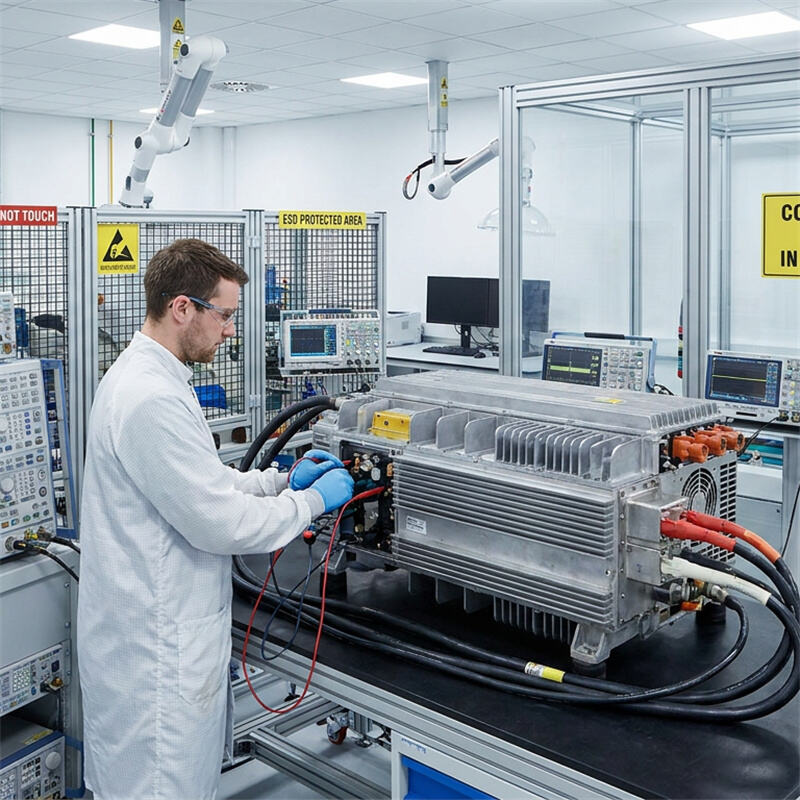
To obtain IEC 62109 certification, inverter samples must undergo grueling laboratory tests. These tests are designed to simulate years of harsh environmental and electrical stress:
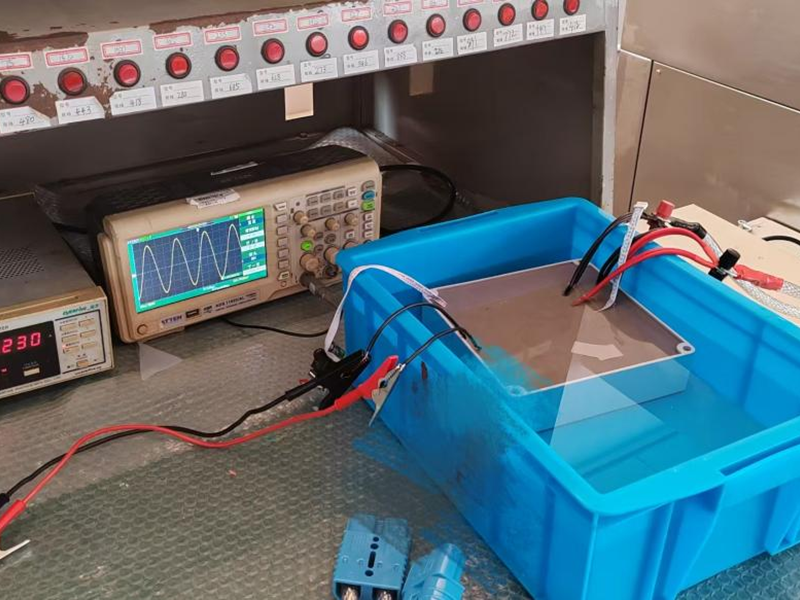
- Dielectric Strength (Hi-Pot) Testing: High-voltage impulses are applied between electrical circuits and the enclosure to verify the integrity of the insulation. This ensures the inverter can survive lightning strikes or grid voltage surges without failure.
- Ingress Protection (IP) Verification: Inverters designed for outdoor use must prove their ability to resist the penetration of water and dust. The testing ensures that seals and enclosures remain completely watertight and dustproof under extreme weather.
- Glow Wire and Flame Spread Testing: Plastic materials used in terminal blocks, fan blades, and internal insulation are subjected to a heated wire (up to nine hundred and sixty degrees Celsius) to ensure they do not support combustion or propagate a fire.
- Environmental and Vibration Chamber Testing: Inverters are placed in specialized environmental chambers where they are subjected to rapid temperature cycling, high humidity, and continuous physical vibrations to verify structural and electrical integrity over time.
Why B2B Wholesalers and Procurement Directors Must Demand This Certification
For B2B buyers, sourcing inverters that carry authentic IEC 62109-1/2 certification provides vital commercial advantages:
- Seamless Customs Clearance and Local Compliance: In many regions, including Europe, Australia, and parts of Asia, compliance with IEC 62109 is a legal prerequisite for import and grid connection. Sourcing certified inverters prevents costly customs delays and project rejections.
- Legal Liability and Insurance Eligibility: Using uncertified power electronics can void commercial property insurance policies. In the event of an electrical fire, having IEC 62109 certified hardware protects your company from legal liability and ensures insurance claims can be processed smoothly.
- Fleet Asset Protection: In distributed solar installations, inverters represent a substantial capital investment. By procuring certified units, you ensure that the entire system is built on a foundation of proven reliability, safeguarding other system assets such as solar panels and battery storage banks.
Sourcing Safely: How to Verify Certificates of Conformity
When reviewing potential suppliers, B2B buyers must perform due diligence to ensure certification authenticity:
- Ask for the CB Test Certificate and CB Report: A simple sticker on the inverter is not enough. Request the complete CB (Certification Body) test report from the supplier. This report is issued by recognized international laboratories like TUV Rheinland, SGS, or Intertek.
- Check the Component Listing (CDF): Look at the Constructional Data Form (CDF) within the test report. It lists all critical safety components, including relays, capacitors, and terminal blocks. Ensure the components inside the delivered inverter match the brands and models specified in the certified CDF.
The JYINS Dedication to Safety Compliance
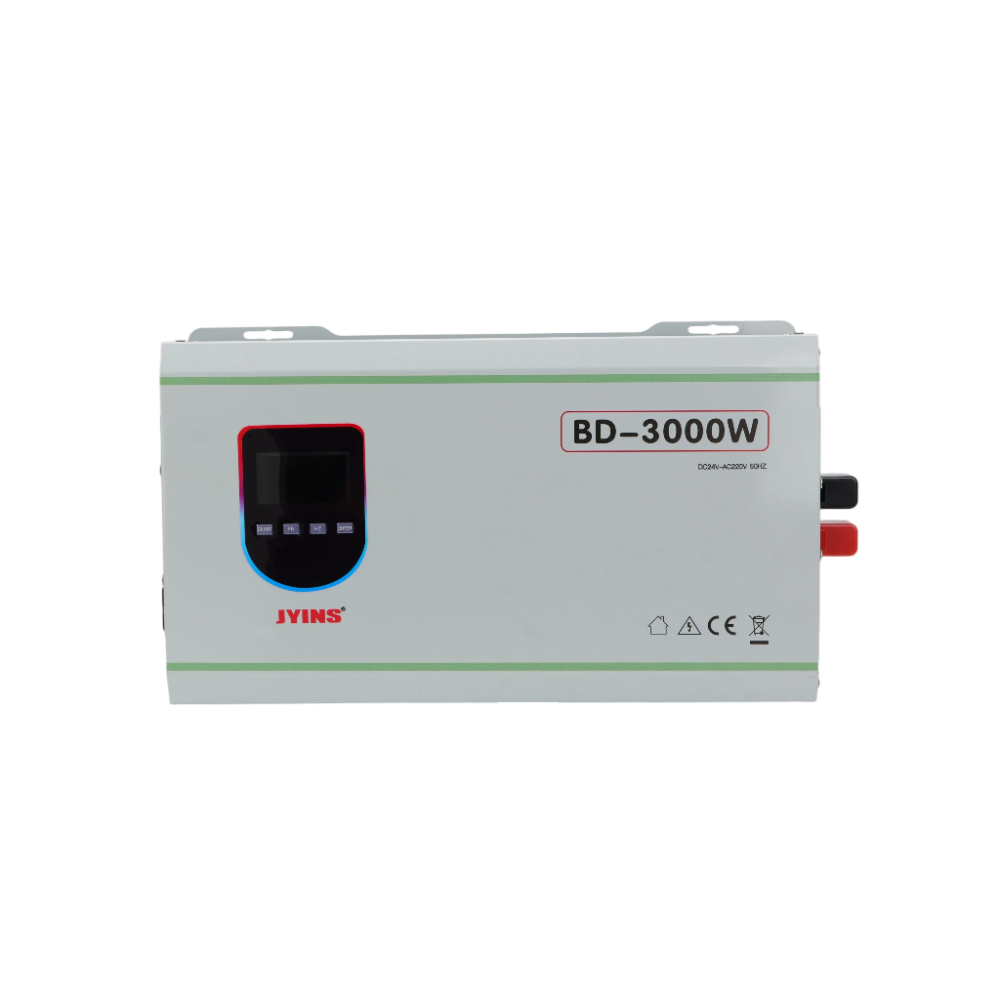
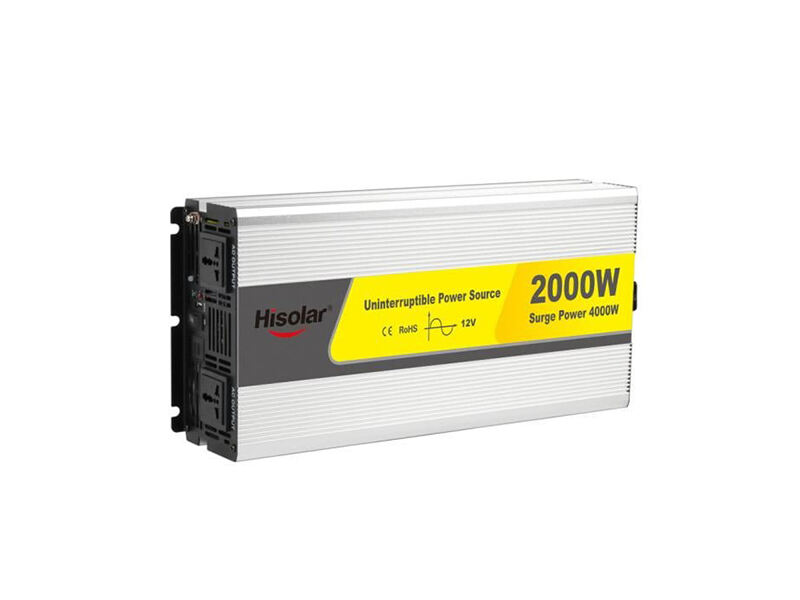
At JYINS Electrical, we believe that power safety is non-negotiable. All of our industrial solar and off-grid power inverters are designed from the ground up to comply with the most stringent global standards. We subject our products to thorough testing by certified third-party testing bodies to secure full IEC 62109-1 and IEC 62109-2 compliance. Our clients, from international distributors to solar EPC contractors, can trust that every JYINS and Hisolar product delivered to their project is fully certified, safe, and built to the highest engineering standards.
Conclusion: Prioritizing Safety for Long-Term B2B Success
When evaluating high-voltage inverters, never compromise on safety certification. Sourcing hardware certified to the IEC 62109-1/2 standard protects your capital investment, shields your business from legal risks, and guarantees that your distributed solar and power management systems operate safely and efficiently for decades to come.
Table of Contents
- Introduction: The Imperative of Safety in High-Voltage Electronics
- Question: Why is the IEC 62109-1/2 standard series universally regarded as the gold standard for global inverter safety, and what does it entail for B2B procurement?
- Decoupling the Standard: Part One and Part Two
- The Rigorous Testing Regimes Mandated by IEC 62109
- Why B2B Wholesalers and Procurement Directors Must Demand This Certification
- Sourcing Safely: How to Verify Certificates of Conformity
- The JYINS Dedication to Safety Compliance
- Conclusion: Prioritizing Safety for Long-Term B2B Success