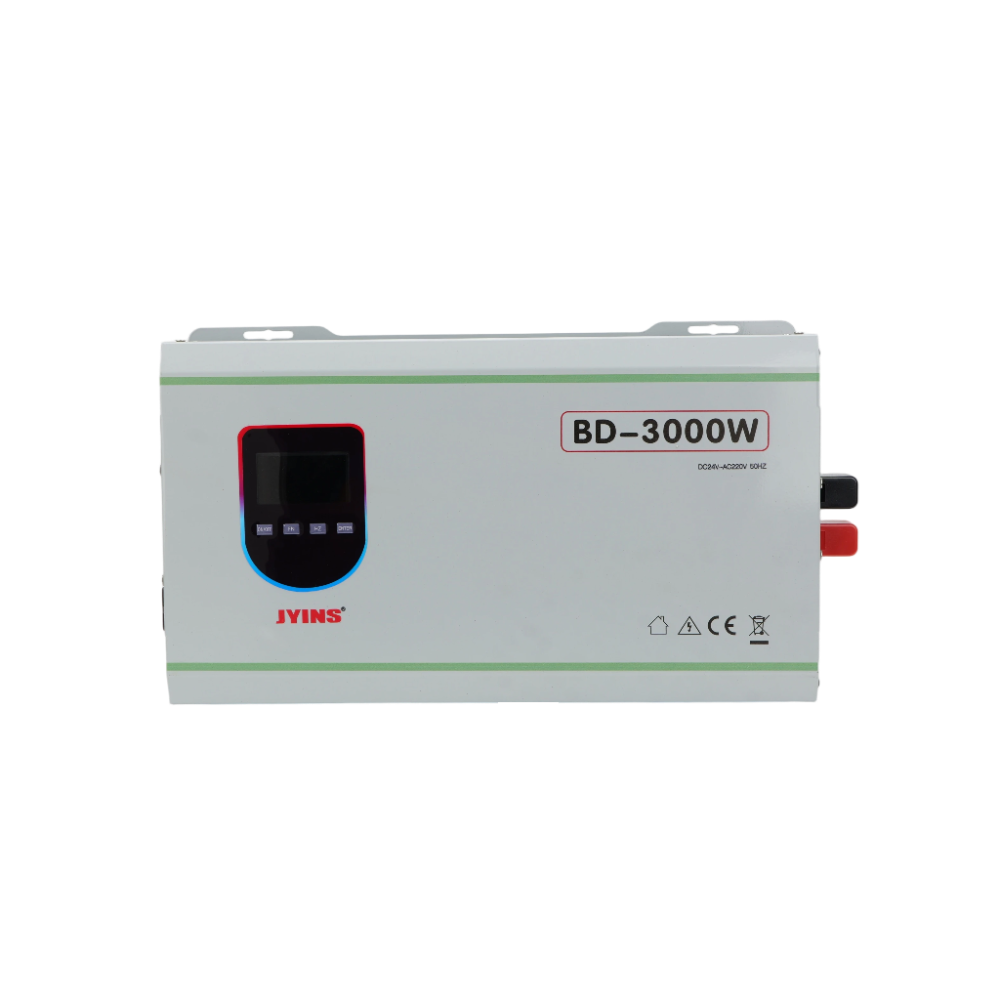
Selecting the Right Solar Inverter PCB Board

Get a Free Quote

Our representative will contact you soon.
Email
Mobile
Name
Company Name
Products of Interest
Message
0/1000

solar inverter pcb board

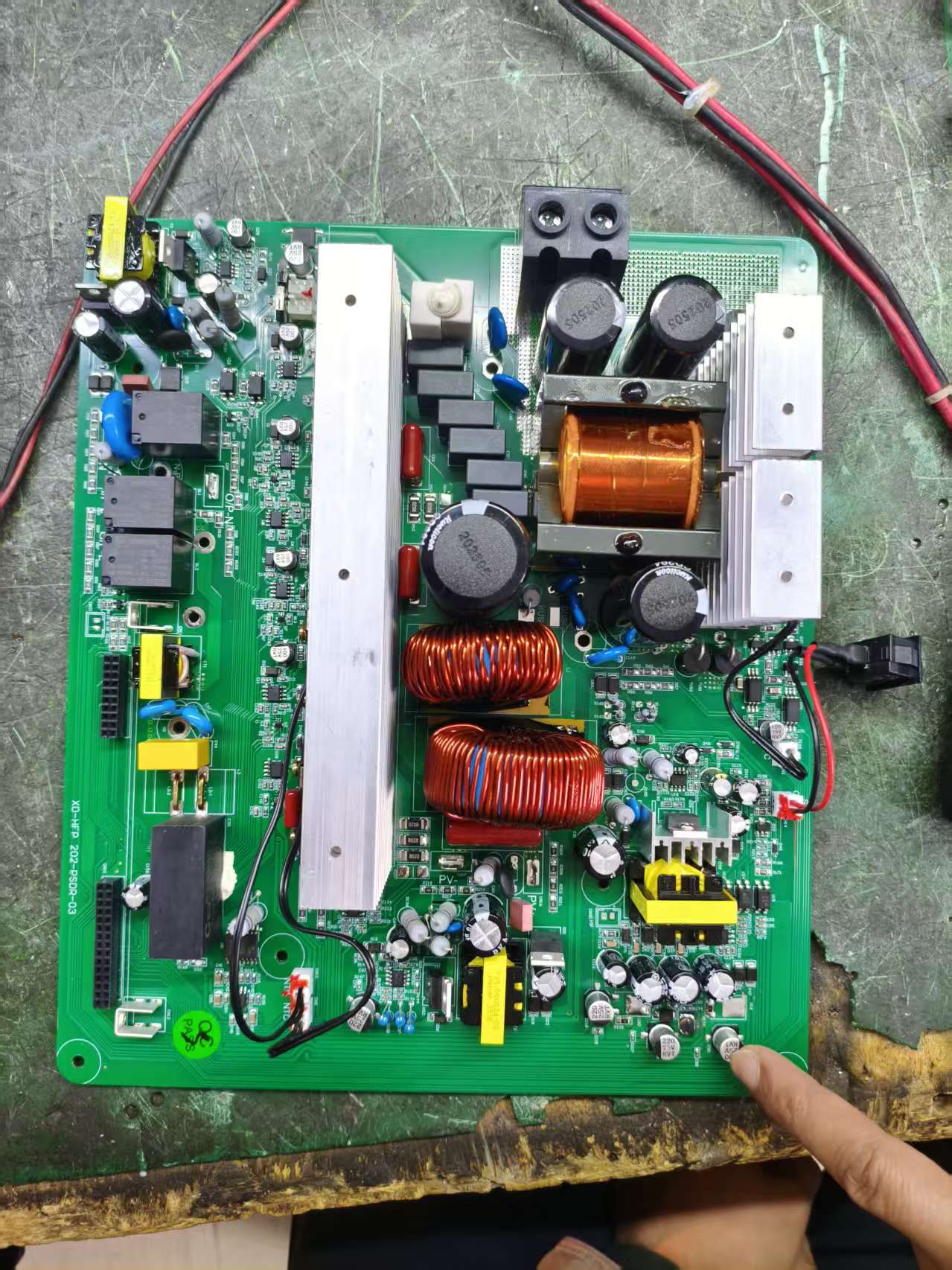
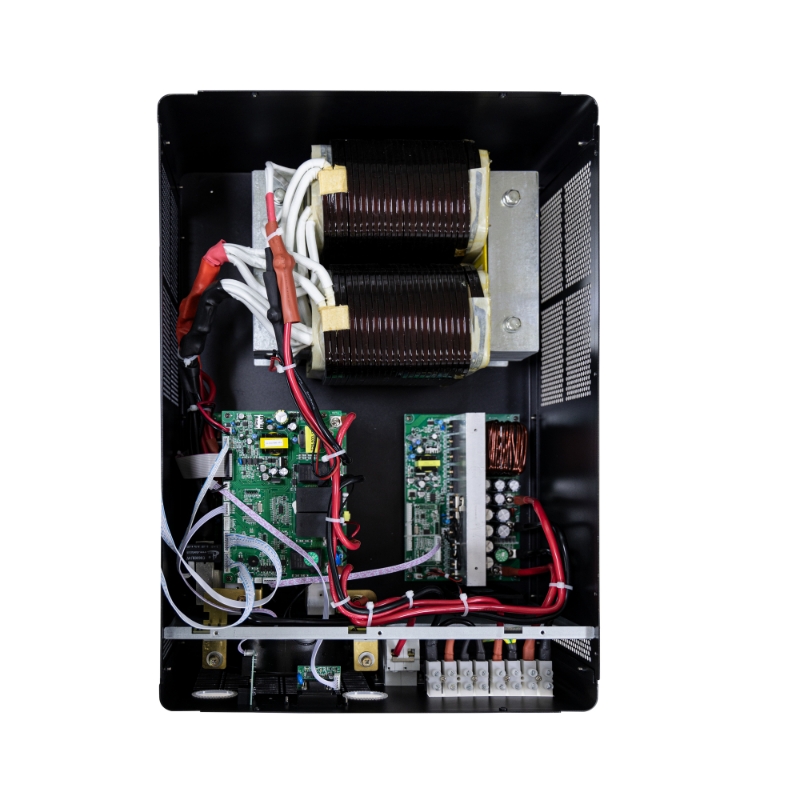
In the rapidly  evolving field  of  renewable  energy,  the solar  inverter PCB  board  plays  a crucial  role in ensuring the efficient and reliable conversion of  solar  energy  into usable electricity. For B2B  buyers, including purchasing managers and engineers, understanding the specifications  and nuances of these components is  essential for making informed decisions. This article will guide you through the selection process, key specifications to consider, wholesale purchasing  strategies, sourcing options, and the cost  factors associated with  solar inverter  PCB boards.
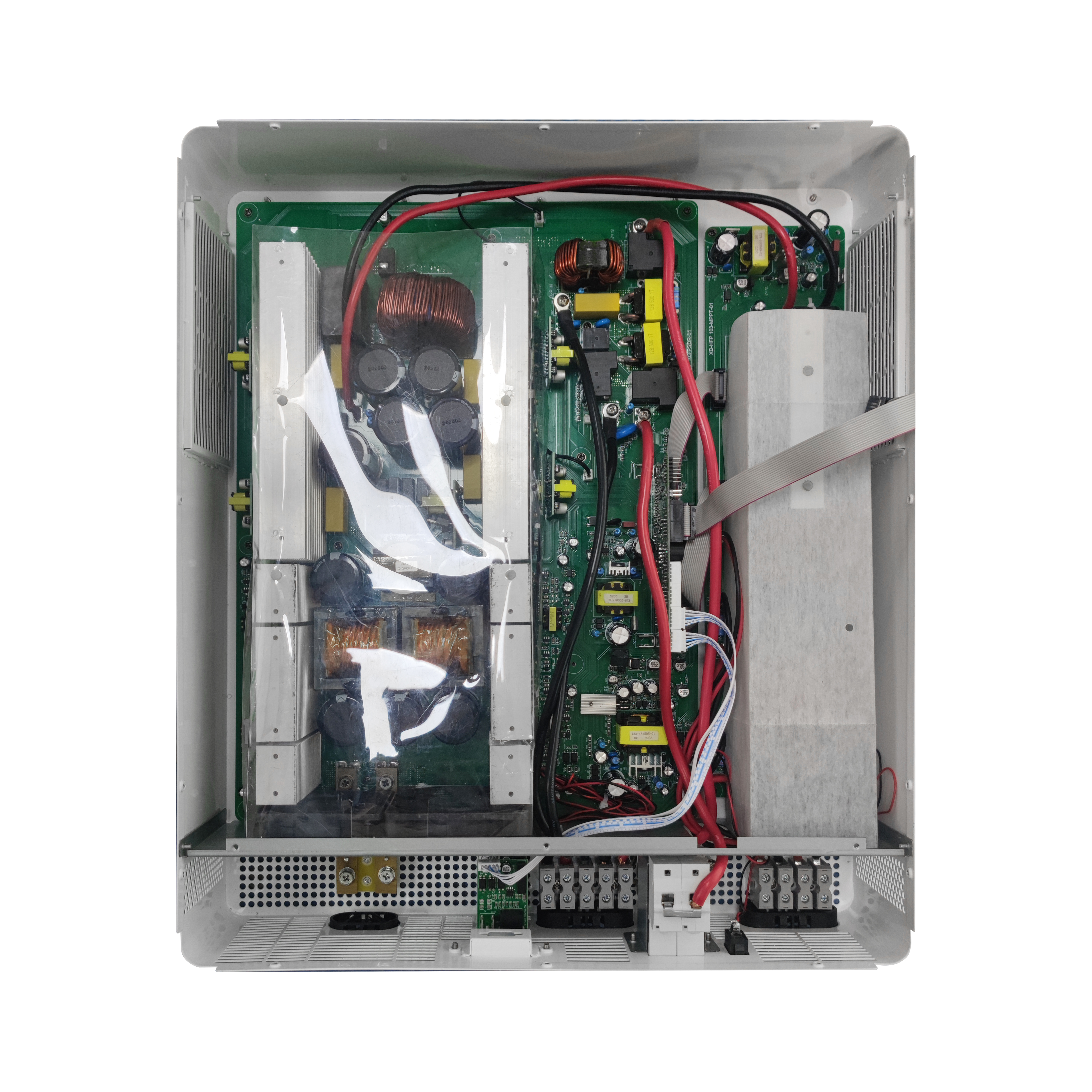
Key Specifications to Evaluate in Solar Inverter PCB Boards

Key Specifications to Evaluate in Solar Inverter PCB Boards

When evaluating solar inverter PCB boards, several key specifications  should be taken into account:

Material Composition: The  choice of materials, such as FR-4 and polyimide, can impact the board's thermal conductivity and overall  durability. Selecting the right material is crucial for ensuring the board  can  withstand operational stresses like heat and  moisture.


Layer Count: The number of layers in the PCB design affects its complexity and performance. More layers typically allow for better signal integrity and reduced electromagnetic  interference, which  is  essential for high-frequency applications.

Copper Thickness: The thickness of the copper traces affects the current-carrying  capacity of the PCB. A thicker copper layer  can enhance performance but may increase production costs.

Dimension Specifications: Precise dimensions are crucial for  ensuring  proper fit and function within the solar inverter assembly. Buyers should confirm the  dimensions against their design requirements before proceeding  with orders.

Thermal Management Features: Effective heat dissipation is vital for maintaining performance and longevity. Look for designs that incorporate thermal  vias or heat sinks as part  of  the PCB layout. Utilizing a Energy Storage System can also enhance thermal management.

Each of  these specifications plays a role in the overall performance of the solar inverter PCB board, making it important for buyers to conduct thorough evaluations.
Wholesale Purchasing Guide for Solar Inverter PCB Boards

Wholesale Purchasing Guide for Solar Inverter PCB Boards

When purchasing solar inverter PCB boards in bulk,  a well-structured approach can help streamline the process. Start by gathering detailed specifications and performance requirements to provide potential suppliers with a clear understanding of your  needs. 

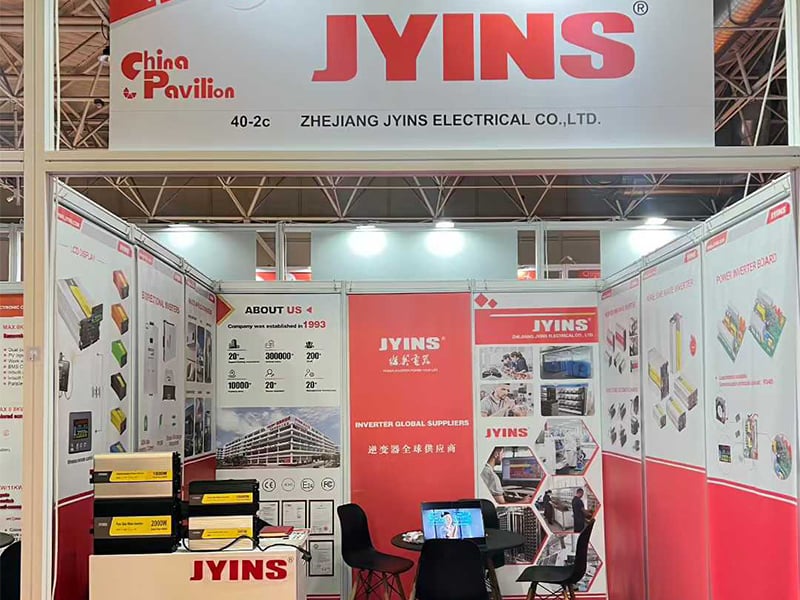
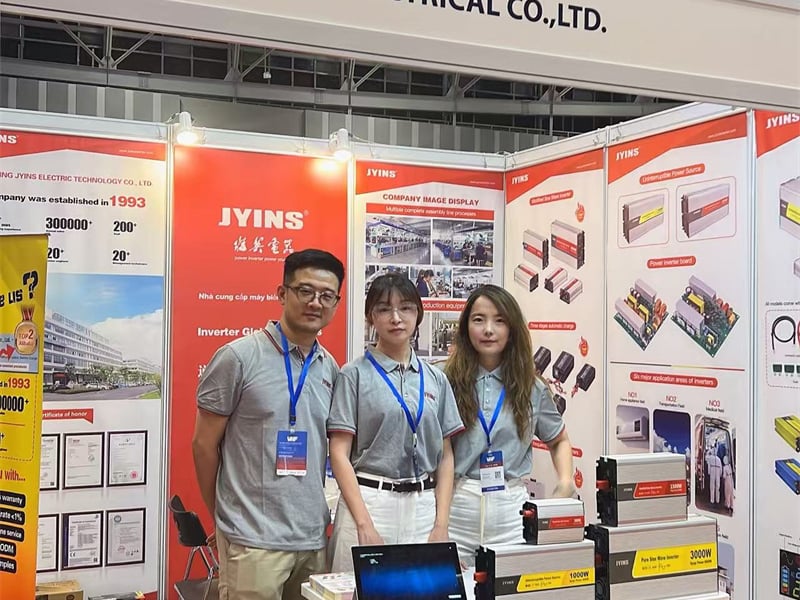
Next,  consider establishing  a relationship with a manufacturer that has a strong reputation in  the industry, such as Zhejiang  Jyins Electrical Co., LTD, known for adhering to quality standards and possessing experienced technicians. This can help ensure that  the products meet your quality expectations  and performance standards.

In terms of quantity, be mindful of minimum order quantities  (MOQs) that suppliers may impose. Understanding these requirements can help  you manage  your  budget effectively and gauge the supplier’s commitment to  fulfilling your order.


Finally, request samples before  committing to larger orders. This allows you to evaluate the  product's quality and performance under  real-world conditions, ensuring  that it meets your expectations.

 
Where to Source High-Quality Solar Inverter PCB Boards

Where to Source High-Quality Solar Inverter PCB Boards

Sourcing high-quality solar inverter PCB boards can be achieved through various channels. Consider the  following options:


Direct Manufacturers: Engaging directly with manufacturers, such  as Zhejiang Jyins Electrical Co., LTD, ensures that you  have access to the latest products and can often provide customization options to  meet specific needs.

Distributors: Established distributors can provide competitive pricing and a variety of options from multiple manufacturers. This can  be beneficial for comparing different products and  finding the best  fit for your application.

Online Marketplaces: Platforms specializing in industrial  components can also be a valuable resource. However, due diligence  is necessary to verify the credibility of the  seller and the quality of the products.


Trade Shows and Expos: Attending industry-specific events  provides opportunities to connect with  manufacturers and distributors,  enabling you  to  evaluate  products in person and discuss  specifications directly.

Regardless  of the sourcing method, conducting thorough research and vetting suppliers is essential to ensure product quality and reliability.

Understanding the Cost Factors of Solar Inverter PCB Boards

Several  factors influence the  pricing of solar  inverter  PCB boards, and understanding these can help buyers make more informed purchasing decisions.

Material Costs: The  choice of materials significantly affects pricing. High-performance materials may incur higher costs but can enhance the longevity and efficiency of  the board.

Production Scale: Economies of scale play a  role  in pricing; larger orders typically lead  to lower per-unit costs. This is where MOQs become relevant, as meeting them can reduce overall expenditure.

Design Complexity: More complex designs with additional layers or specialized features  will generally cost more due to increased manufacturing time  and resources.

Testing and Certification: Boards that undergo  rigorous testing  and certification processes may come at a  premium, but this investment can lead to greater reliability and compliance with  regulations.

Supplier Reputation: Working with reputable manufacturers often means  higher initial costs, but  the trade-off is typically in the form of better quality assurance, customer support, and reliability.

By considering these factors, buyers can better navigate the  pricing landscape of solar inverter PCB boards  and make choices that  align with their budget and quality requirements.

How to Choose the Right Solar Inverter PCB Board for Your Needs

Selecting the  right solar inverter PCB board involves evaluating several critical factors that align with your project requirements. First,  consider the intended application of the inverter.  Different applications may demand varying performance characteristics  such as  efficiency ratings, voltage levels,  and thermal management.

Next,  assess  the compatibility of the PCB board with your existing systems. This includes ensuring  that  the  board can support  the  required current and voltage specifications.  Additionally, the board's size and layout must fit within the physical constraints of your inverter design. For example, if you are integrating a Hybrid Solar Inverter, it's vital that the PCB is compatible.

Finally, it’s important to understand any specific certifications or standards that  may be  necessary for your market. For instance, compliance with international ISO9000 standards  can be  a significant advantage, as it reflects a commitment  to quality  assurance and reliability.

Our Blog Posts

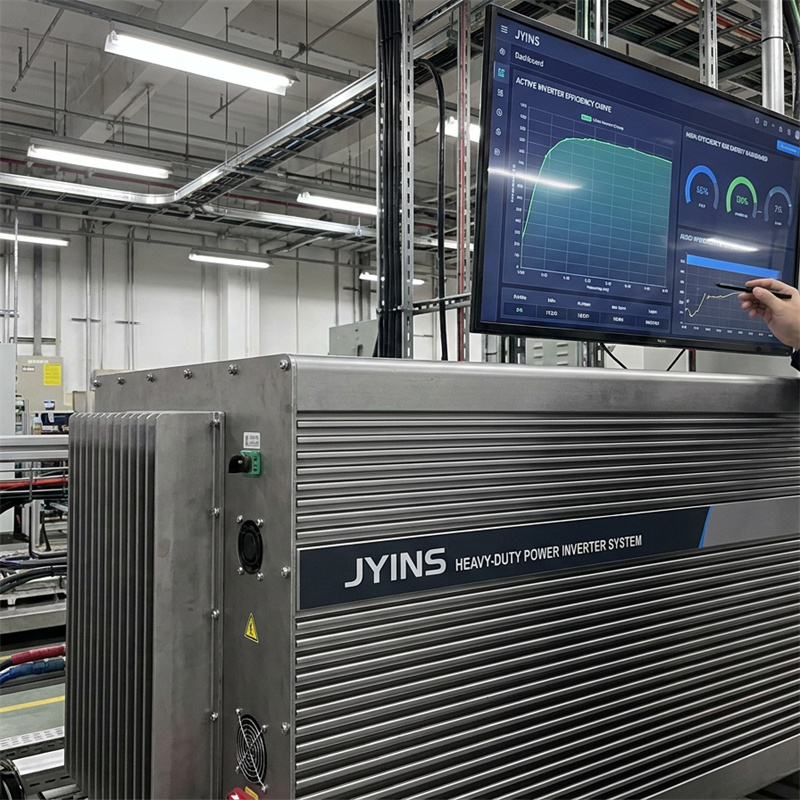
How to optimize Inverter Efficiency Curves for variable load manufacturing facilities?

25

Jun

How to optimize Inverter Efficiency Curves for variable load manufacturing facilities?

Introduction to Manufacturing Power Dynamics Manufacturing facilities are characterized by highly dynamic and fluctuating electrical loads. Throughout a typical 24-hour cycle, power consumption spikes and sags as production lines start up, CNC machin...
View More
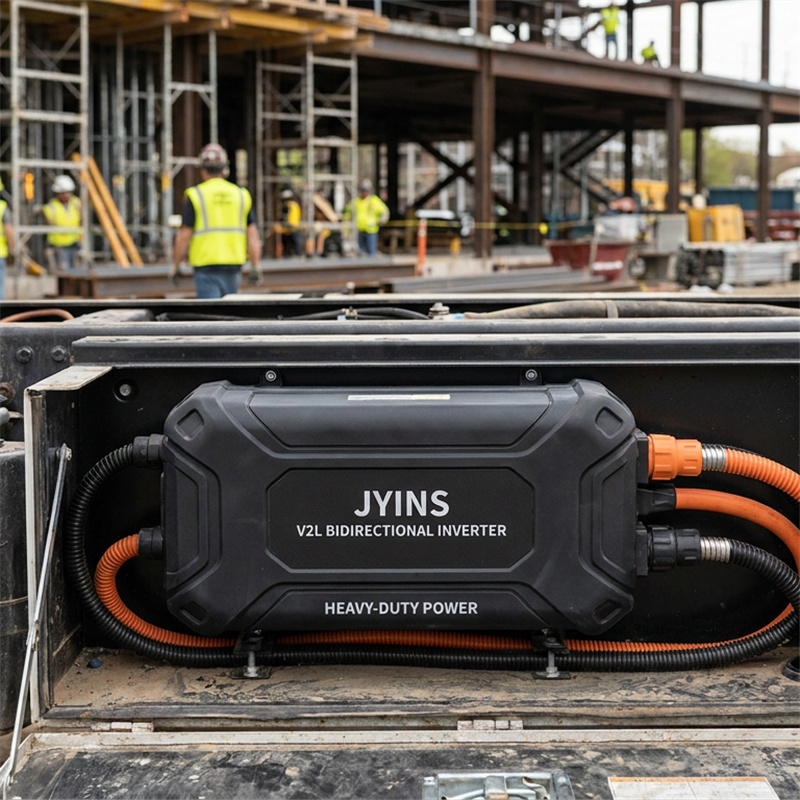
The engineering of 'Bidirectional' V2L (Vehicle to Load) inverters for commercial construction fleets.

25

Jun

The engineering of 'Bidirectional' V2L (Vehicle to Load) inverters for commercial construction fleets.

Q: The engineering of 'Bidirectional' V2L (Vehicle to Load) inverters for commercial construction fleets. Introduction: Redefining Mobile Power on Construction Sites Commercial construction sites are notoriously demanding environments in terms of pow...
View More
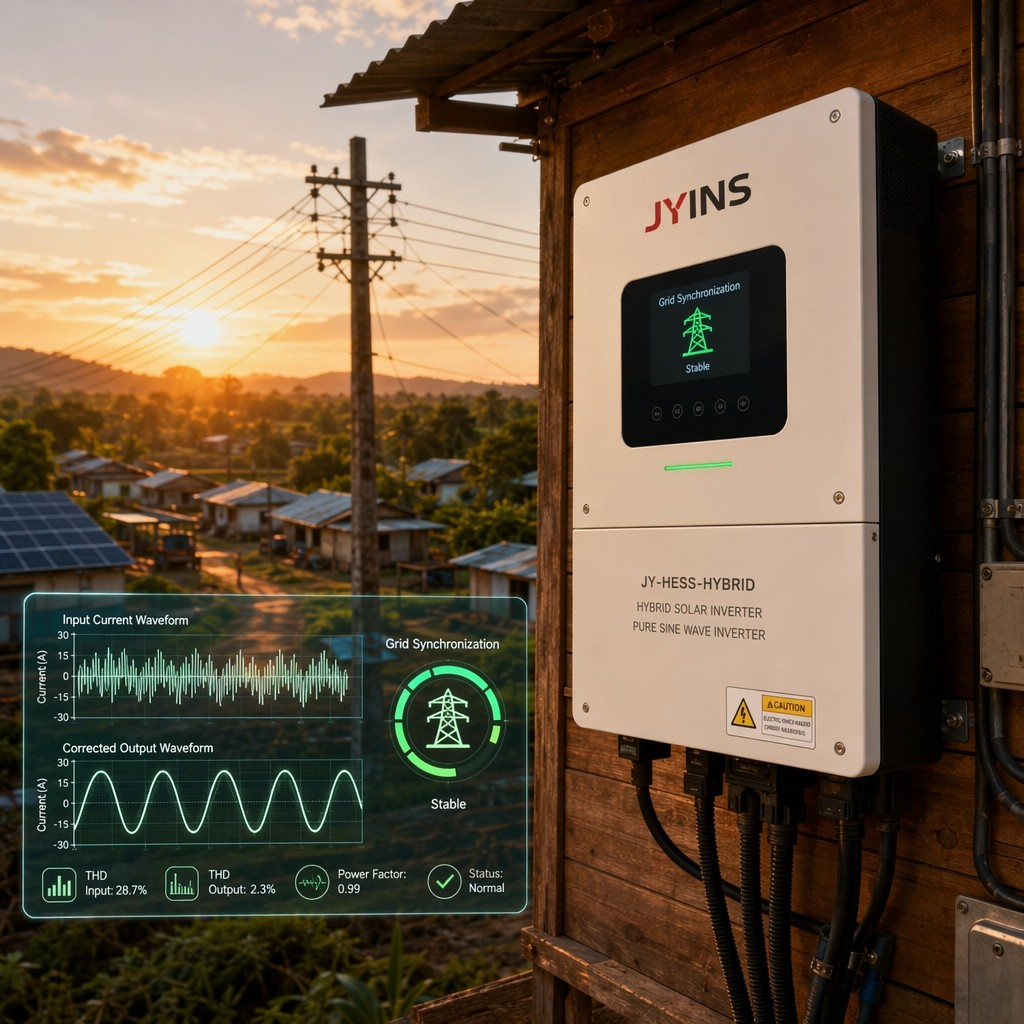
How to Troubleshoot Phase-Locked Loop (PLL) Synchronization Errors in Unstable or Weak Rural Microgrids?

10

Sep

How to Troubleshoot Phase-Locked Loop (PLL) Synchronization Errors in Unstable or Weak Rural Microgrids?

Q: How do you troubleshoot phase-locked loop (PLL) synchronization errors in unstable or weak rural microgrids? A: In many remote rural areas or emerging-market microgrid projects, grid quality is often extremely poor. These grids are commonly referr...
View More
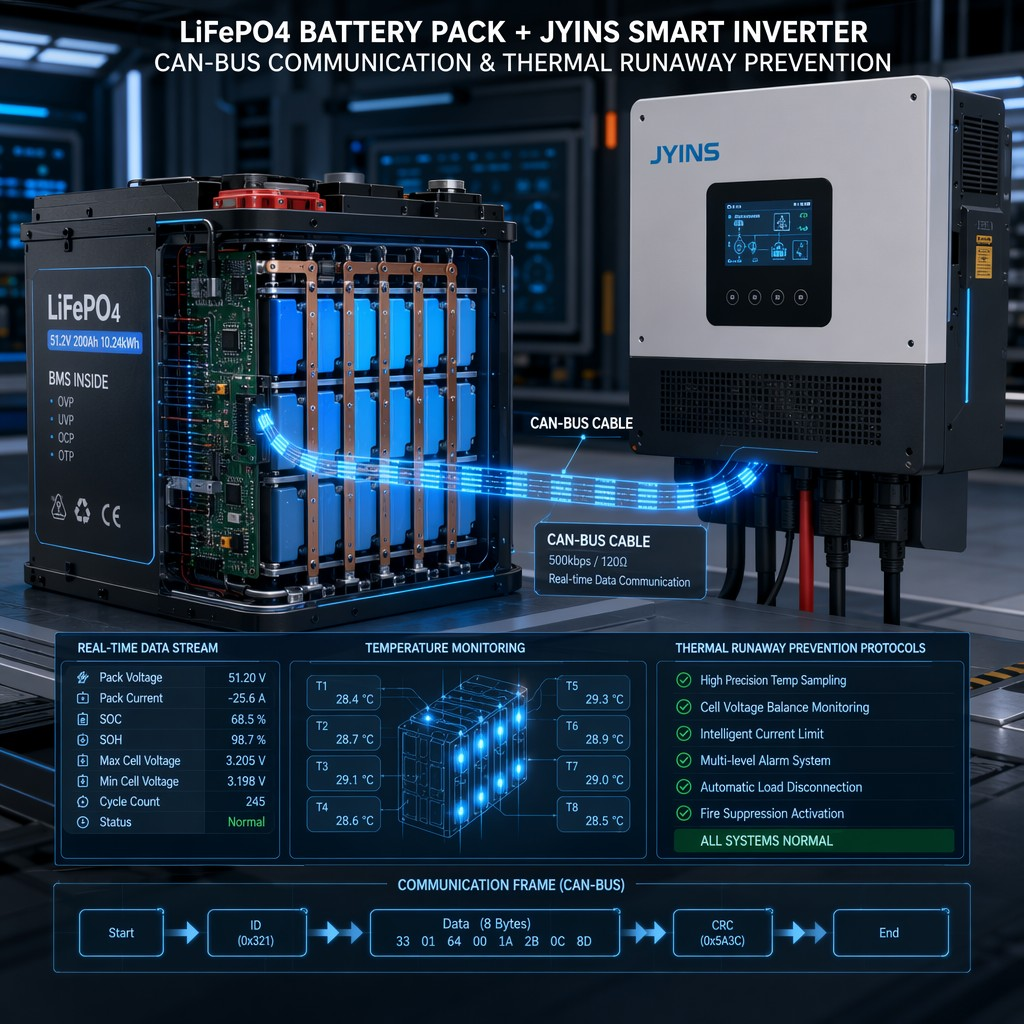
Managing LiFePO4 Battery Pack Thermal Runaway Prevention Through a Smart Inverter and BMS Protocol Handshake

10

Sep

Managing LiFePO4 Battery Pack Thermal Runaway Prevention Through a Smart Inverter and BMS Protocol Handshake

Q: What are the key steps in managing LiFePO4 battery pack thermal runaway prevention through a smart inverter and BMS protocol handshake? A: As lithium iron phosphate (LiFePO4) batteries are widely adopted in B2B energy storage projects, battery saf...
View More

Get a Free Quote

Our representative will contact you soon.
Email
Mobile
Name
Company Name
Products of Interest
Message
0/1000
Selecting the Right Solar Inverter PCB Board

Get a Free Quote

Our representative will contact you soon.
Email
Mobile
Name
Company Name
Products of Interest
Message
0/1000