Key Considerations for MPPT Solar Controllers

Get a Free Quote

Our representative will contact you soon.
Email
Mobile
Name
Company Name
Products of Interest
Message
0/1000

controler solar mppt

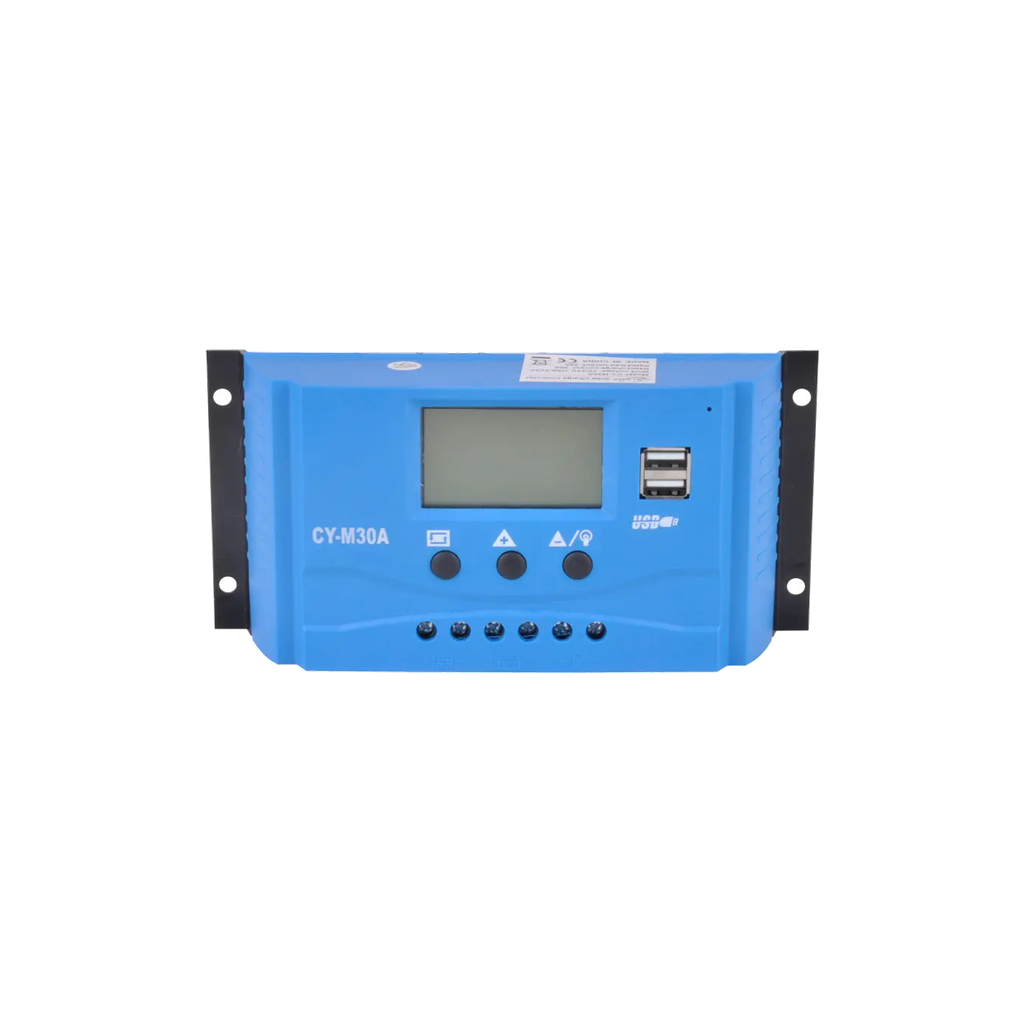
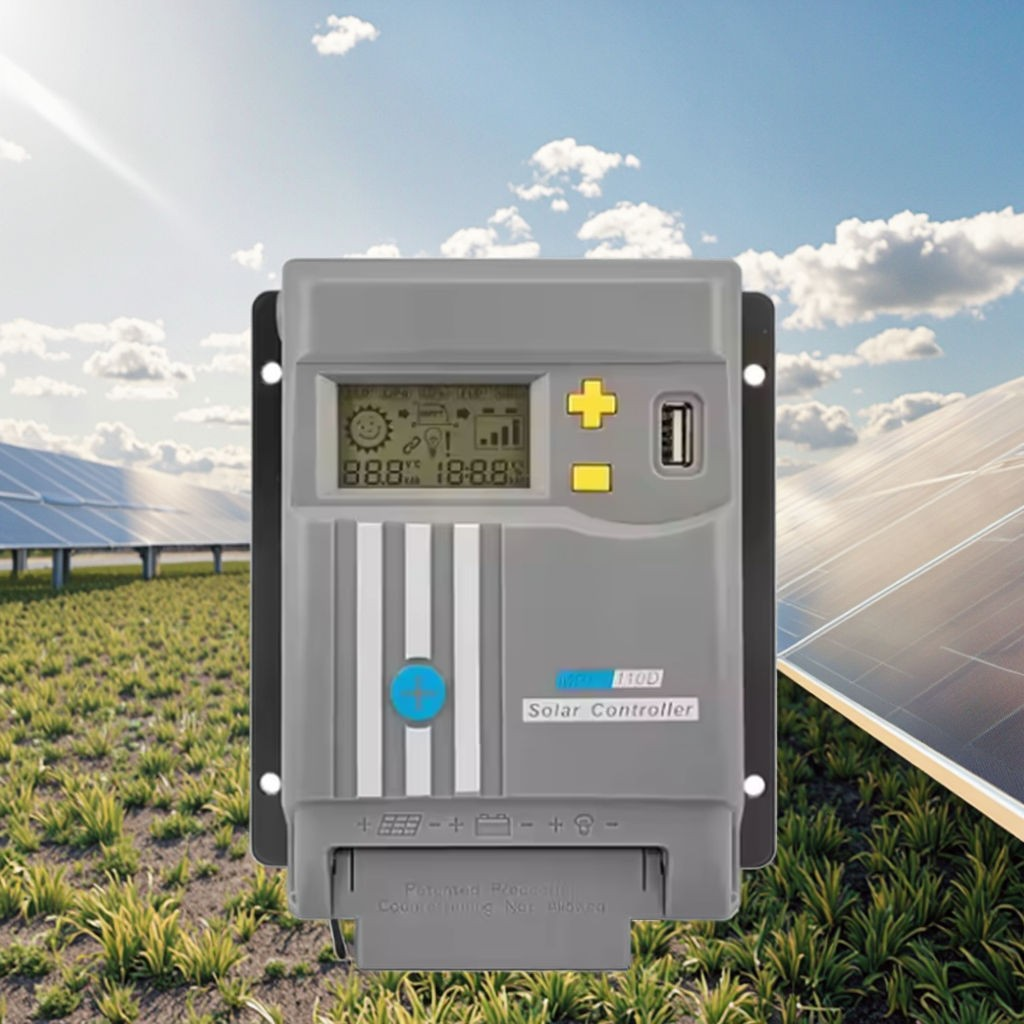
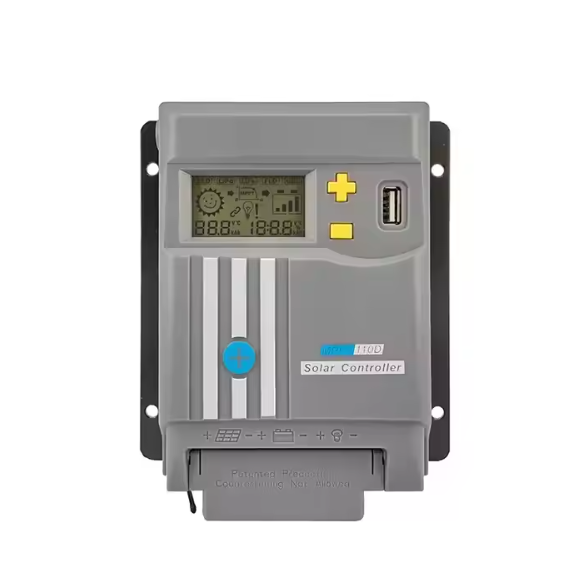
The MPPT  solar controller, or Maximum Power Point Tracking controller, plays  a vital role in optimizing  the  performance of solar energy systems. These devices ensure  that  solar panels operate at their peak  efficiency  by continuously  adjusting the electrical  load to maximize energy  harvest. For B2B  buyers, key concerns typically revolve  around product specifications, quality assurance, compatibility with  existing systems, and supplier reliability. This  article will help  you  understand the essential specifications of MPPT solar  controllers, installation  guidance, and how to evaluate and select a reliable supplier.
 
What to Look For

What to Look For

When sourcing MPPT solar controllers, consider the following factors to  ensure you make an informed choice:

Manufacturer Reputation: Research the manufacturer’s history and  reputation in the market. Established companies,  like Zhejiang Jyins Electrical Co., LTD, with decades of  experience and adherence to ISO9000 standards, often provide products with better  reliability and quality assurance.

Technical Support and  Warranty: Reliable suppliers offer comprehensive technical support and warranties. Evaluate the terms of warranty and the manufacturer's responsiveness  to customer inquiries.

Customization Capabilities: Depending on your specific application needs, inquire if the supplier  offers customization options for their MPPT controllers. Customization may include specific voltage ratings or additional features tailored to  your operational requirements.

Price vs. Performance: While cost is a significant factor, it should not be the sole deciding criterion. Assess the value  offered in terms of  product specifications, support, and warranty  against the price. A lower-priced controller may lead to higher operational  costs over  time if  it is less  efficient or less reliable.

Certifications: Look for relevant certifications that validate the product’s quality and  safety standards. Compliance with international standards can be a good  indicator of  product performance.

By focusing on these factors, you can narrow down the options and select an MPPT solar controller that meets your operational  requirements and budget.
Installation Guidance for MPPT Solar Controllers in Various Applications

Installation Guidance for MPPT Solar Controllers in Various Applications

Proper installation of MPPT solar controllers  is critical for ensuring optimal performance and safety. Here are some best practices for installation across different applications:

Residential Solar Systems: For home installations, ensure that the controller is mounted in a location that  is easily accessible for maintenance and  monitoring. The installation site should also be protected from extreme weather conditions.  Follow the manufacturer’s wiring  diagrams carefully to  connect the solar panels, battery, and  inverter correctly.

Commercial Solar Projects: In larger installations,  consider grouping multiple controllers for efficiency.  Ensure that each controller is sized appropriately for its solar array. Implement a  monitoring system to track performance and quickly identify any issues.

Remote or Off-grid Applications: For off-grid systems, select MPPT controllers  that allow for remote monitoring and control. Properly secure all connections  and use weather-resistant enclosures to protect against moisture and dust.

Electrical Safety: Always adhere to local electrical codes and regulations during installation. Proper grounding  of the MPPT controller and all connected equipment is essential to prevent electrical  hazards.

Testing the System: After installation, conduct thorough testing  to ensure that  the system operates within expected  parameters. Monitor voltage and current outputs to verify that the MPPT controller is functioning correctly.


By following these recommendations, you can ensure a  successful installation that maximizes the efficiency and reliability of your solar  power system.

Where to Find Reliable Suppliers for MPPT Solar Controllers

Where to Find Reliable Suppliers for MPPT Solar Controllers

Finding  a trustworthy supplier  for MPPT  solar controllers requires careful consideration  of several  factors:


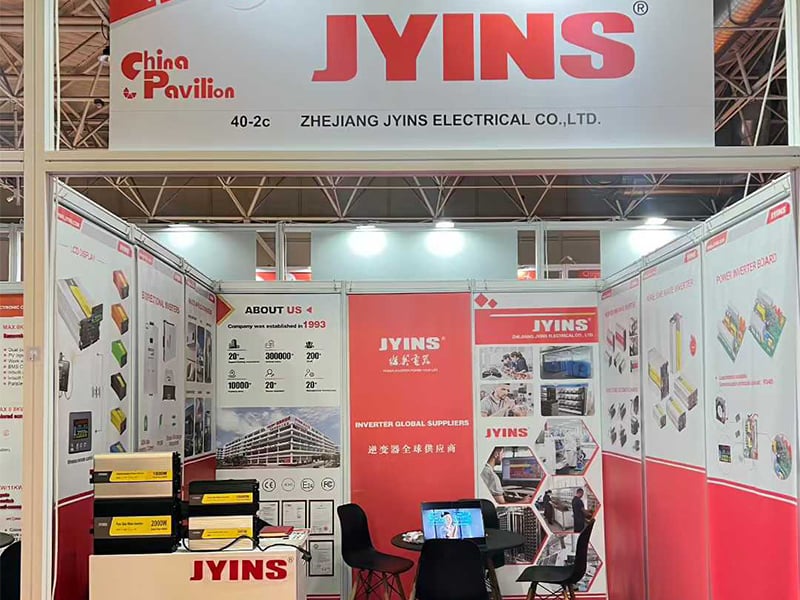
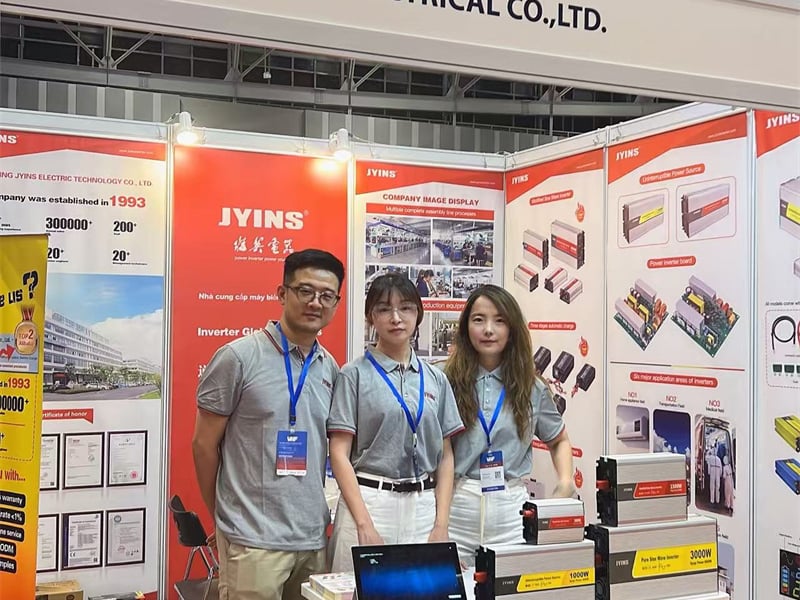
Industry Trade Shows:  Attending industry-specific trade shows can provide  direct  access to manufacturers and suppliers. This allows you to evaluate  products in person and ask questions about their capabilities and  support.

Online Marketplaces: Platforms like Alibaba or Made-in-China can connect you with a wide range of suppliers. However, it's essential to verify their reputation through reviews and ratings and request product samples  before placing a bulk order.

Professional Networks: Engaging with industry peers and professional networks can yield recommendations for reliable suppliers. Feedback  from other B2B companies can provide insights into the quality and reliability of a supplier.

Direct Manufacturer Contact: Consider contacting manufacturers directly, such  as Zhejiang Jyins  Electrical Co., LTD, to discuss your requirements. Inquire  about their production capabilities, lead times,  and customization options.

Online Research: Conduct thorough online research to find suppliers with  a strong online presence and positive customer feedback. Review their websites  for product specifications, certifications, and case studies.


By utilizing these strategies, you can identify suppliers who not only meet your product needs but also provide the level of support and reliability necessary for your projects.

Understanding the Material Advantages of MPPT Solar Controllers

The  materials used in MPPT solar controllers  directly impact their performance, durability, and reliability. Here are key material considerations:

Housing  Materials:  Look for  controllers with durable, weather-resistant housings, often made of  polycarbonate or aluminum. These materials protect internal components from environmental factors like moisture, dust, and UV radiation, extending the product's lifespan.

Electrical Components: High-quality capacitors and semiconductors are essential for efficient power conversion  and  longevity. Components rated for high  temperatures can withstand harsh operational conditions, ensuring consistent performance.

Heat Dissipation Features: Effective heat dissipation is crucial for maintaining optimal operating temperatures. Controllers  with  built-in heat sinks or those  designed for natural convection cooling can prevent overheating,  enhancing reliability.

Environmental Compliance: Ensure that the materials used comply  with safety and environmental regulations, such as RoHS (Restriction of Hazardous Substances). This not only impacts safety but can also affect the product’s  marketability in various regions.

Material Certifications: Verify  if the materials used in  the construction  of the MPPT controllers have been certified for quality and performance. Certifications can provide additional assurance regarding the durability and reliability of  the product.

By understanding the material advantages of MPPT solar controllers, you can make informed  decisions that align with your performance requirements and operational conditions.

Key Specifications to Consider in MPPT Solar Controllers

When  evaluating MPPT solar controllers, several key specifications should guide your purchasing decision.


Input Voltage Range: This specification defines the range  of voltage the controller can  handle from the solar panels. It's crucial  to ensure that  the controller's voltage range is compatible  with your  solar array to prevent damage and inefficiencies.

Maximum  Power Output: This refers to the highest amount of power the controller can manage at its  output. Buyers should match this with the expected output from their solar panels to avoid overloading the controller.


Efficiency Rating: The efficiency of an MPPT controller indicates how effectively it converts the energy from the solar panels into usable electrical  power. A  higher efficiency rating, typically above 95%, is preferable as it means less  energy loss.

Temperature Range: The operational temperature range is significant, especially for installations in  extreme climates.  Ensure that the controller can  function efficiently under the expected environmental conditions.


Protection Features:  Look for controllers equipped with protection features such as over-voltage, over-current, and short-circuit protection. These features safeguard both the controller and the connected solar equipment.

Understanding these specifications will not only help you select the right MPPT solar  controller but also ensure optimal performance and longevity of your solar power system. Additionally, incorporating a reliable Solar Charge Controller can further enhance your system's efficiency.

Our Blog Posts

Marine Power Standards: Why Neutral-to-Ground Bonding and Galvanic Isolation are Non-Negotiable for Marine Wholesalers

15

May

Marine Power Standards: Why Neutral-to-Ground Bonding and Galvanic Isolation are Non-Negotiable for Marine Wholesalers

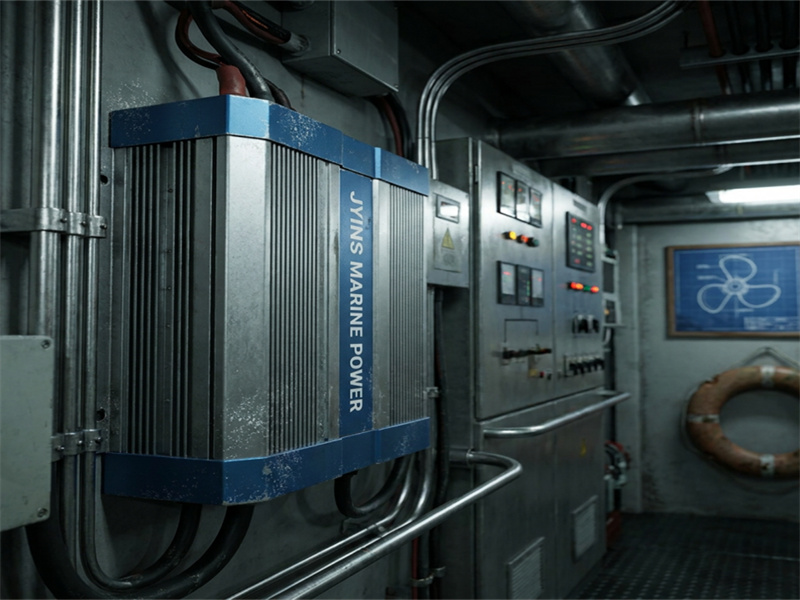
Introduction: The High Stakes of Marine Power Management For marine wholesalers and distributors, the maritime industry presents a unique set of challenges that go far beyond standard electrical distribution. When supplying power solutions for luxury...
View More
Why Bidirectional DC-DC Converters are the Core of Next-Generation Battery Energy Storage Systems (BESS)

24

Jun

Why Bidirectional DC-DC Converters are the Core of Next-Generation Battery Energy Storage Systems (BESS)

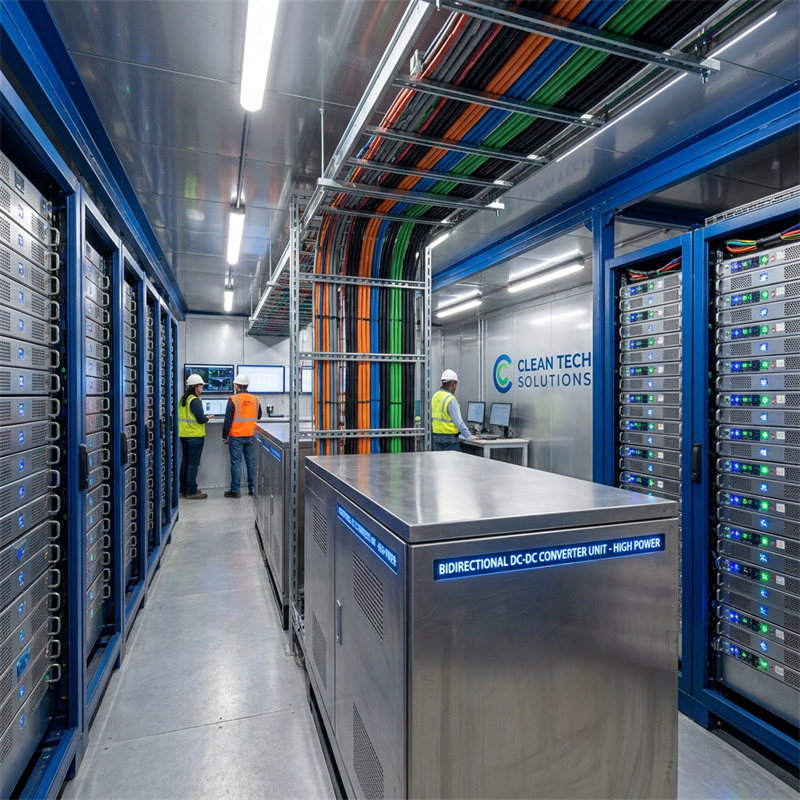
Introduction: The Rapid Scalification of Battery Energy Storage As the global electrical grid transitions toward decentralized renewable energy sources like solar and wind, the need for high-capacity Battery Energy Storage Systems (BESS) has skyrocke...
View More
Selecting Inverters for 'Modular Container Offices': Space management and thermal integration.

24

Jun

Selecting Inverters for 'Modular Container Offices': Space management and thermal integration.

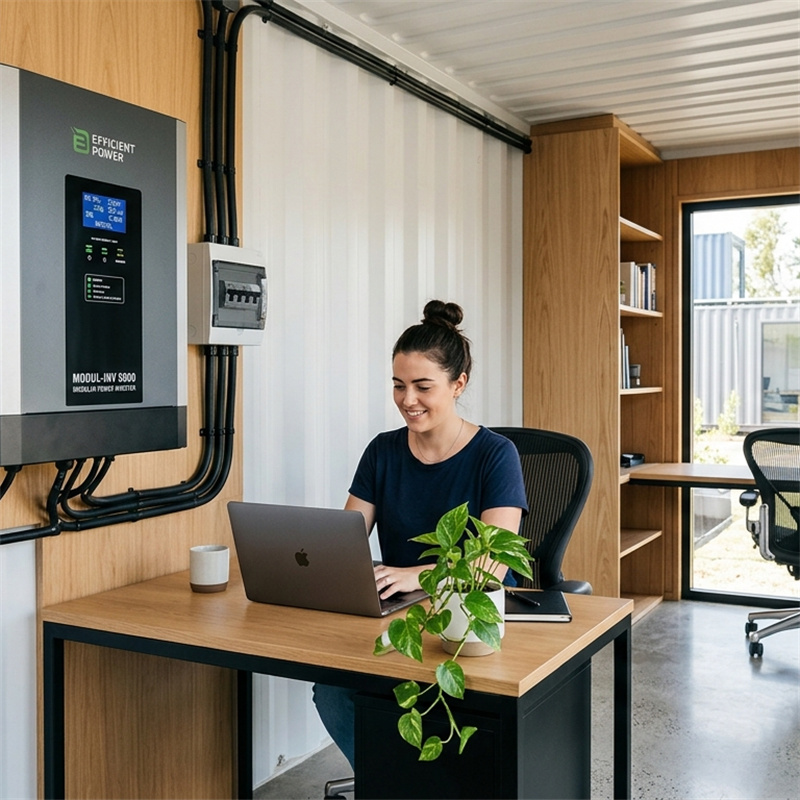
The Rise of Solar-Powered Modular Container Offices Modular shipping container offices, portable clinics, mobile classrooms, and remote housing units have become essential assets in modern industries, including mining, infrastructure construction, di...
View More
How to design a 'Micro-UPS' system for industrial PLC control panels using DC-AC inverters?

25

Jun

How to design a 'Micro-UPS' system for industrial PLC control panels using DC-AC inverters?

Q: How to design a 'Micro-UPS' system for industrial PLC control panels using DC-AC inverters? Introduction: The Vulnerability of Industrial Automation In modern manufacturing plants, petrochemical facilities, and municipal water treatment works, Pro...
View More

Get a Free Quote

Our representative will contact you soon.
Email
Mobile
Name
Company Name
Products of Interest
Message
0/1000
Key Considerations for MPPT Solar Controllers

Get a Free Quote

Our representative will contact you soon.
Email
Mobile
Name
Company Name
Products of Interest
Message
0/1000