Portable Automotive Battery Charger Guide

Get a Free Quote

Our representative will contact you soon.
Email
Mobile
Name
Company Name
Products of Interest
Message
0/1000

Portable automotive battery charger

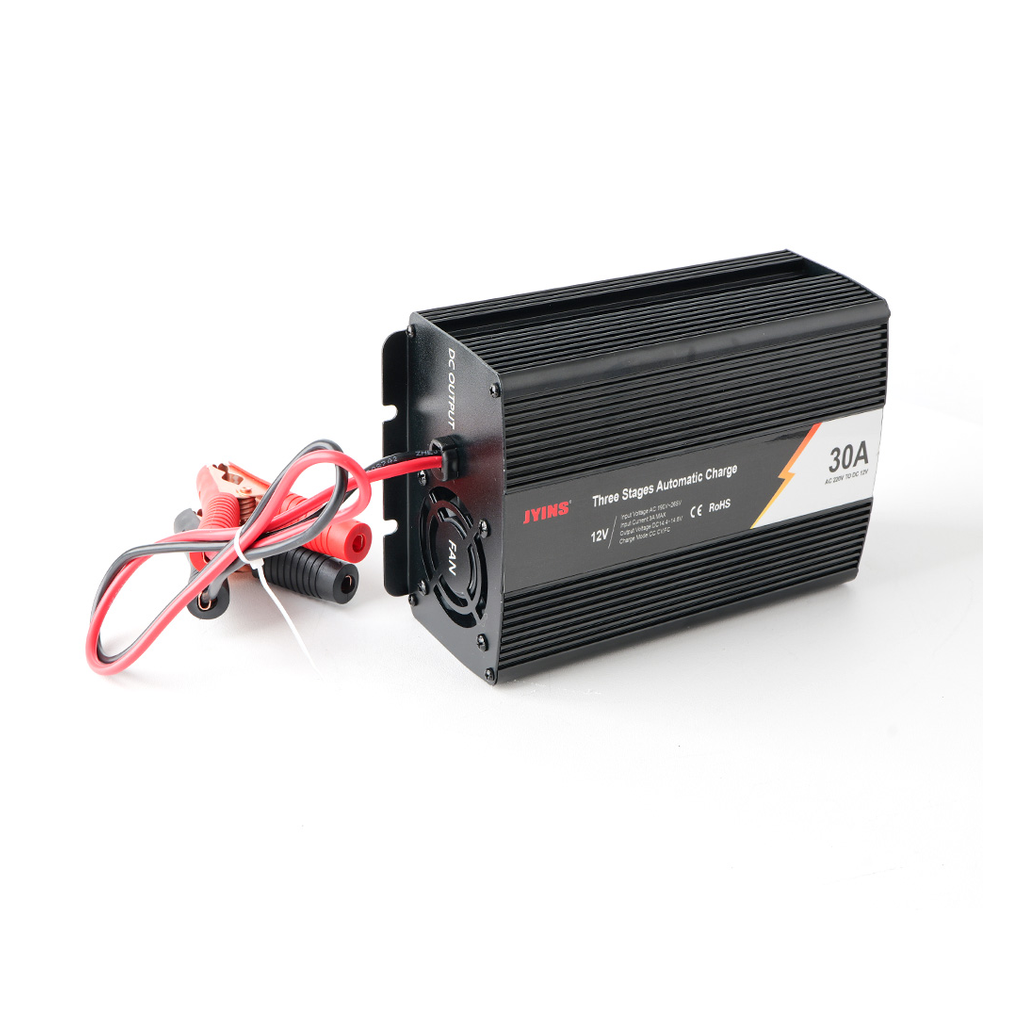
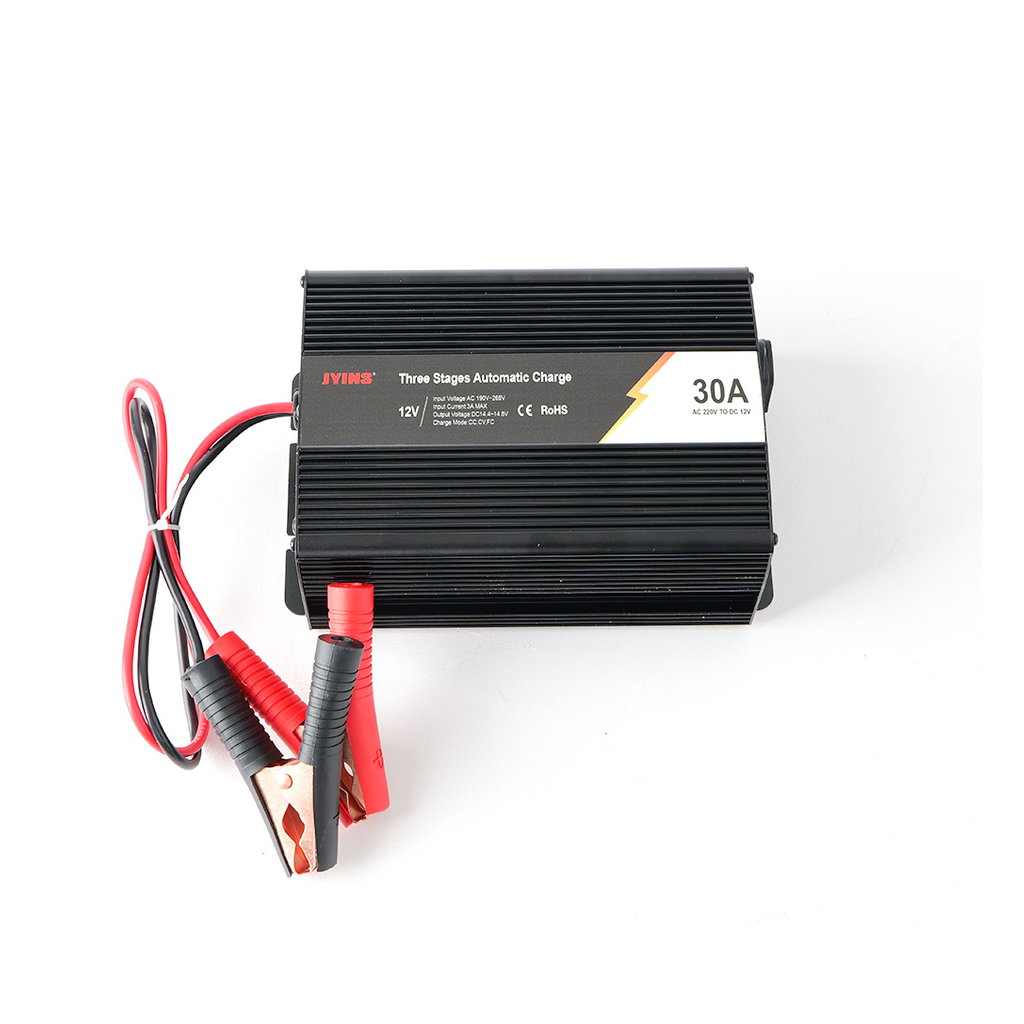
Portable automotive battery chargers are essential tools for ensuring that vehicles remain operational by providing a reliable source of power for battery charging. For B2B buyers, the main concerns when considering these chargers include specifications, quality assurance, and supplier reliability. This article aims to guide purchasing managers, distributors, and engineers through the key specifications to evaluate, sourcing options, installation tips, common problems, and the diverse applications of portable automotive battery chargers.

Our Products

Where to Source Reliable Wholesale Portable Automotive Battery Chargers

Where to Source Reliable Wholesale Portable Automotive Battery Chargers

Sourcing reliable wholesale portable automotive battery chargers involves several strategic steps: 

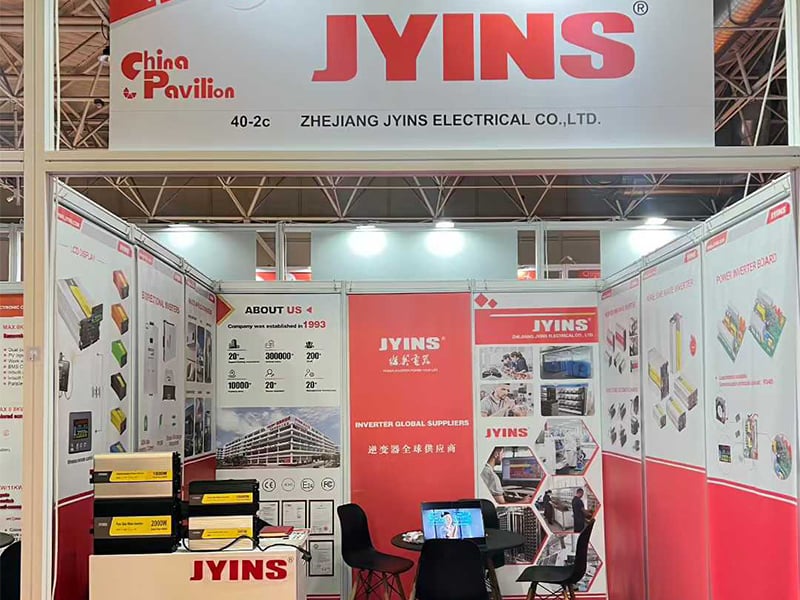
Manufacturer Selection: Start by identifying manufacturers with a solid reputation in the industry. Look for companies with experience in electrical manufacturing, such as Zhejiang Jyins Electrical Co., LTD, which adheres to international standards and has a proven track record in producing high-quality products. 

Trade Shows: Attending industry trade shows can provide valuable opportunities to meet suppliers face-to-face, evaluate their product quality, and establish relationships. These events are ideal for discovering the latest innovations in battery charging technology. 

Online Marketplaces: Platforms such as Alibaba or Global Sources allow buyers to connect with manufacturers and wholesalers. It is essential to verify the credibility of suppliers through reviews and ratings. 

Direct Contact: Reach out directly to manufacturers to inquire about their wholesale terms, minimum order quantities (MOQ), and customization capabilities. Establishing a direct line of communication can lead to better pricing and support. 

Quality Assurance: Request samples to evaluate the product quality before committing to larger orders. Pay attention to the build quality, functionality, and compliance with safety standards. 

By following these sourcing strategies, buyers can ensure they find reliable wholesalers for portable automotive battery chargers. 
How to Install and Use Portable Automotive Battery Chargers Effectively

How to Install and Use Portable Automotive Battery Chargers Effectively

Proper installation and usage of portable automotive battery chargers are crucial for safety and efficiency: 

Read the Manual: Before installation, thoroughly read the user manual to understand specific operation instructions and safety precautions. 

Connect Properly: When connecting the charger, always attach the positive (red) clamp to the positive terminal of the battery first, followed by the negative (black) clamp to the negative terminal. This order helps prevent sparks. 

Setting the Charger: Select the appropriate charging mode and voltage based on the battery type and condition. For instance, using a trickle charge for maintenance can prolong battery life. 

Monitoring: While charging, monitor the process to ensure no overheating occurs. Most modern chargers have indicators that show the charging status, which helps in managing the charging time efficiently. 

Storage After Use: After charging, disconnect the charger in reverse order (negative first), clean the clamps, and store the charger in a cool, dry place. Proper storage prevents wear and extends the lifespan of the charger. 

Following these installation and usage tips ensures optimal performance and safety when using portable smart automotive battery charger. 

Common Problems with Portable Automotive Battery Chargers and Solutions

Common Problems with Portable Automotive Battery Chargers and Solutions

B2B buyers should be aware of common issues that can arise with portable automotive battery chargers and their solutions: 

Overheating: If a charger overheats, it could indicate that it's not suitable for the battery type or is malfunctioning. Ensure the charger has adequate ventilation and is not being used beyond its rated capacity. 

Incompatibility Issues: Using a charger that is not compatible with the battery type can lead to inefficiencies or damage. Always check the manufacturer's specifications and ensure the charger is designed for the specific battery chemistry. 

Charger Not Working: If the charger fails to operate, check the power source and ensure all connections are secure. If the problem persists, consult the user manual or contact the manufacturer for troubleshooting advice. 

Slow Charging: If the charging process takes longer than expected, it may be due to a partially discharged battery. In such cases, using a charger with a higher amp rating may help, but ensure it’s within the battery’s safe charging limits. 

Corrosion on Clamps: Regularly inspect the clamps for corrosion, which can impede electrical conductivity. Clean the clamps with a mixture of baking soda and water if corrosion is found. 

Understanding these common issues and their solutions can help buyers maintain the efficiency and longevity of their portable automotive battery chargers. 

Applications of Portable Automotive Battery Chargers in Various Industries

Portable automotive battery chargers find applications across multiple industries due to their versatility: 

Automotive Repair Shops: These chargers are commonly used in repair shops for quick battery maintenance and testing. Technicians rely on them to keep customer vehicles operational while waiting for repairs. 

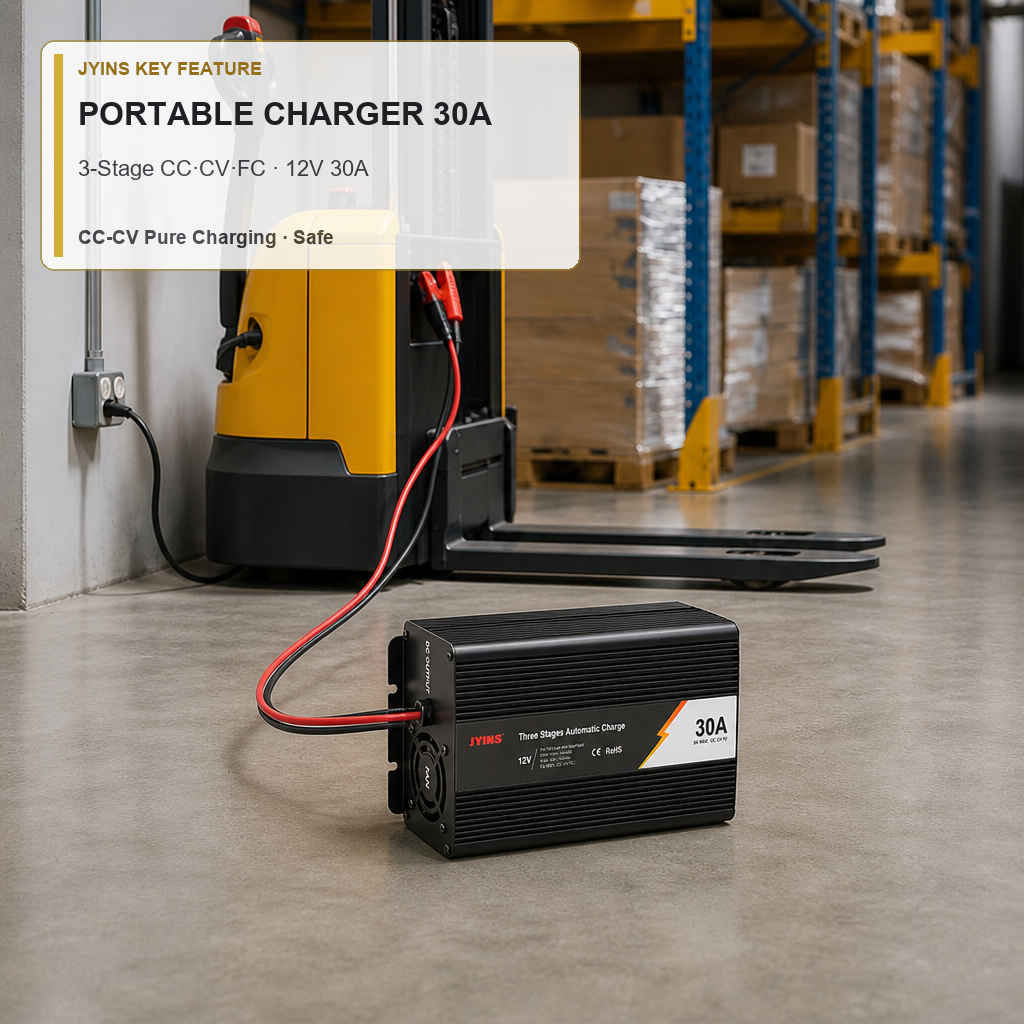
Fleet Management: Companies managing fleets of vehicles utilize portable chargers to ensure all vehicles are charged and ready for operation, minimizing downtime and enhancing productivity. 

Emergency Services: First responders often carry portable battery chargers in their vehicles to ensure that emergency vehicles are always ready for action. 

Recreational Vehicles: RV owners use portable chargers to maintain the batteries of their vehicles during off-season storage, preventing battery failure. 

Construction and Agriculture: Equipment used in construction and agriculture often relies on battery power. Portable chargers help ensure that machinery remains operable in remote locations where access to power may be limited. 

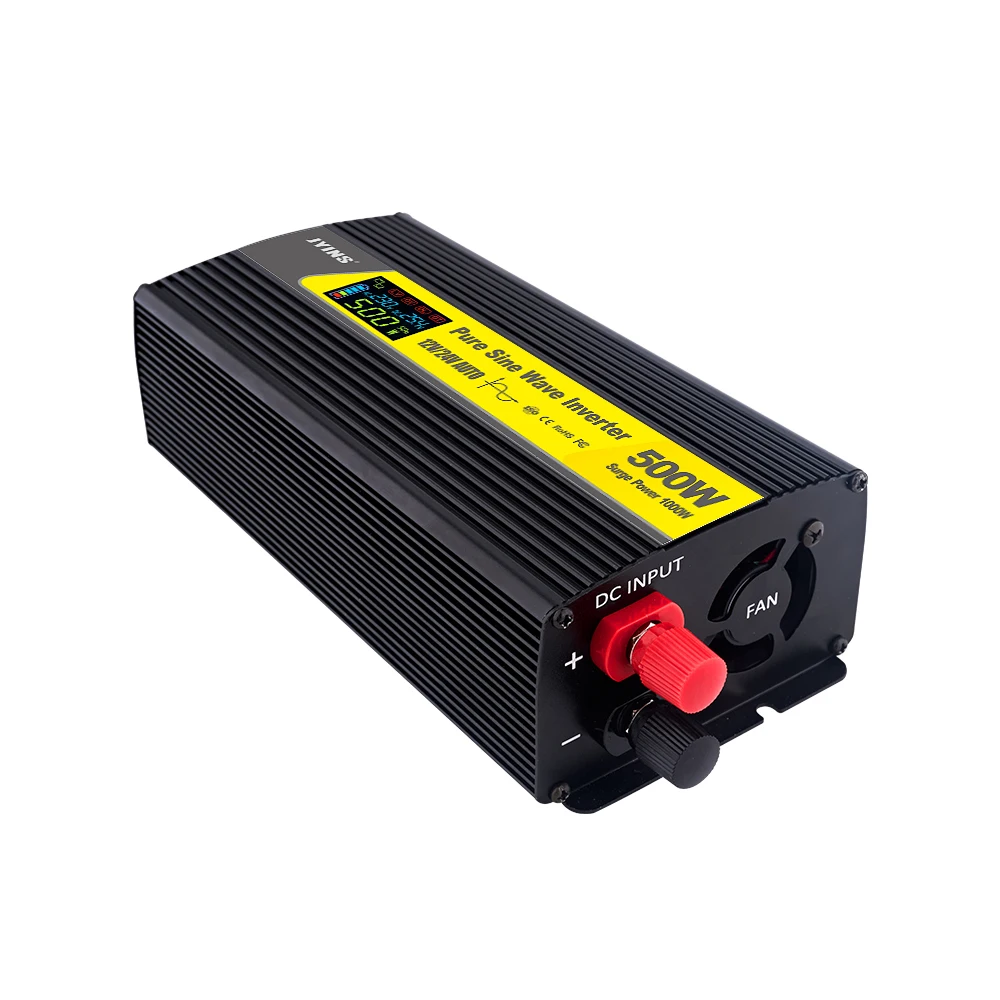
By recognizing the variety of applications for portable car battery inverter, buyers can better assess their needs and select the right equipment for their specific industry requirements. 

Key Specifications for Evaluating Portable Automotive Battery Chargers

When evaluating portable automotive battery chargers, several key specifications should be considered: 

Charging Voltage and Current: Most automotive battery charger operate at standard voltages (12V or 24V). The charging current, measured in amps, determines how quickly a charger can replenish a battery. For instance, a charger with a higher amp rating will charge a battery faster but may not be suitable for all battery types, especially sensitive ones. 

Compatibility: Confirm that the charger is compatible with the specific types of batteries used in vehicles, such as lead-acid, AGM, or lithium-ion. Some chargers feature multi-voltage capabilities, allowing them to work with various battery types. 

Safety Features: Look for chargers with built-in safety features such as over-current protection, short-circuit protection, and temperature control. These features help prevent damage to both the battery and the charger during operation. 

Portability: Consider the physical dimensions and weight of the charger, especially if it will be used in various locations. A compact and lightweight model can enhance ease of use and storage. 

Charging Modes: Many modern chargers offer multiple charging modes, such as trickle, fast, or maintenance charging. Understanding these modes will help in selecting a charger that fits specific operational needs. 

Certifications: Ensure that the charger complies with relevant safety and quality standards, such as ISO9000, which is indicative of rigorous quality assurance processes. 

These specifications will significantly influence the charger’s performance and reliability, making them crucial for informed purchasing decisions. 

Frequently Asked Questions

What is the portable automotive battery charger used for?

It charges and maintains 12V automotive batteries, jump-starts vehicles, and supports battery conditioning for cars, motorcycles, and small boats.
Compatible primarily with 12V lead-acid batteries (wet, AGM, GEL) and many lithium 12V types; check product specs for exact battery chemistry support.
Built with overcharge, short-circuit, reverse-polarity and overheating protections, following ISO9000-aligned QA processes for reliable, safe use.
Compact, lightweight design with integrated handle and durable casing for easy storage and on-the-go use in vehicles or roadside situations.
Backed by manufacturer support from Zhejiang Jyins Electrical Co., LTD with quality assurance processes; contact customer service for warranty terms and after-sales assistance.

Our Blog Posts

Evaluating the Signal Integrity of Bidirectional inverter PCB boards

14

May

Evaluating the Signal Integrity of Bidirectional inverter PCB boards

When working with bidirectonal inverter PCB boards, understanding how to keep signals clear and strong is very important. Jyins, a company that specialize in industrial making, know that proper signal clearness makes sure these boards function well. ...
View More
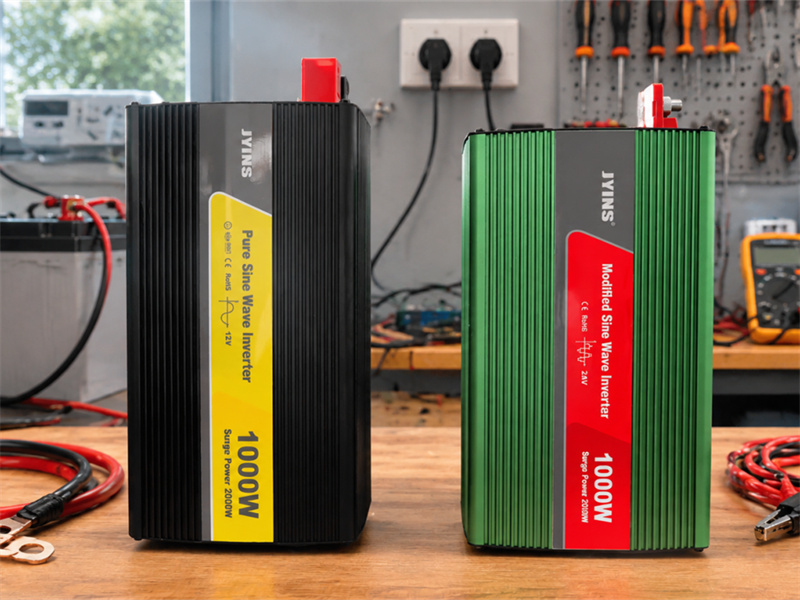
Beyond the Price Tag: Calculating the 5-Year ROI of Pure Sine Wave vs. Modified Sine Wave Inverters for Industrial Fleet Management

15

May

Beyond the Price Tag: Calculating the 5-Year ROI of Pure Sine Wave vs. Modified Sine Wave Inverters for Industrial Fleet Management

Beyond the Price Tag: Calculating the 5-Year ROI of Pure Sine Wave vs. Modified Sine Wave Inverters for Industrial Fleet Management In the world of industrial fleet management, procurement decisions are often driven by a single metric: the initial pu...
View More
Inverter requirements for Mobile Satellite Communication Units: Minimizing EMI/RFI noise.

25

Jun

Inverter requirements for Mobile Satellite Communication Units: Minimizing EMI/RFI noise.

Q: Inverter requirements for Mobile Satellite Communication Units: Minimizing EMI/RFI noise. Introduction: The Critical Challenge of Powering Mobile SatCom Units Mobile Satellite Communication Units, including emergency command vehicles, outside broa...
View More
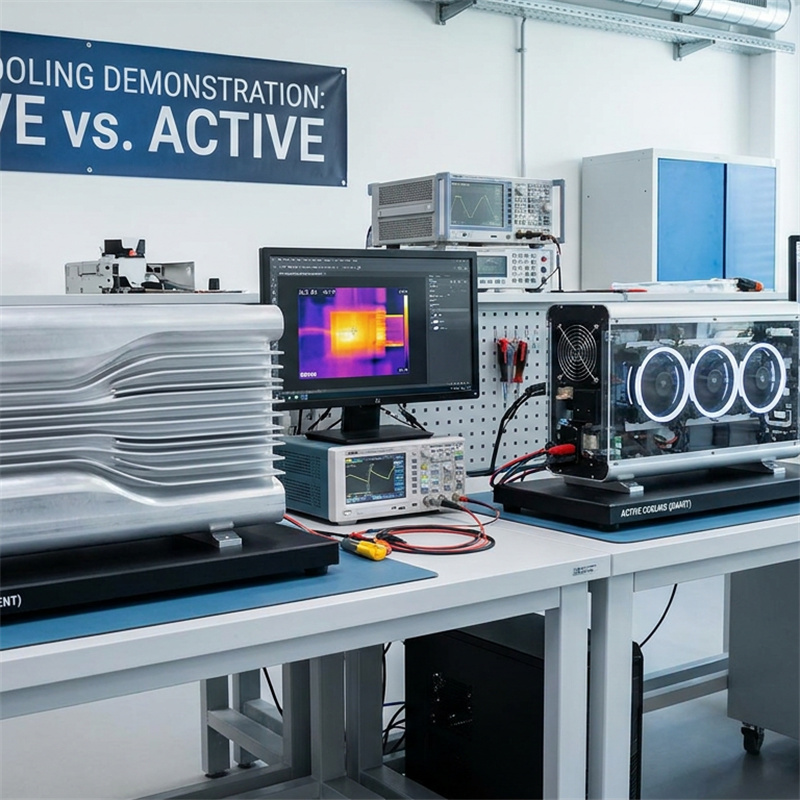
Understanding the role of 'Passive Cooling' vs. 'Active Cooling' in long-term inverter reliability

25

Jun

Understanding the role of 'Passive Cooling' vs. 'Active Cooling' in long-term inverter reliability

Introduction: The Core Thermal Trade-Off In the world of B2B electrical engineering and solar procurement, thermal management is a primary focus when evaluating power inverters. Because inverters handle high levels of electrical power, they inevitabl...
View More

Get a Free Quote

Our representative will contact you soon.
Email
Mobile
Name
Company Name
Products of Interest
Message
0/1000
Portable Automotive Battery Charger Guide

Get a Free Quote

Our representative will contact you soon.
Email
Mobile
Name
Company Name
Products of Interest
Message
0/1000