Choosing the Right 30A MPPT Regulator for Solar Projects

Get a Free Quote

Our representative will contact you soon.
Email
Mobile
Name
Company Name
Products of Interest
Message
0/1000

regulator mppt 30a

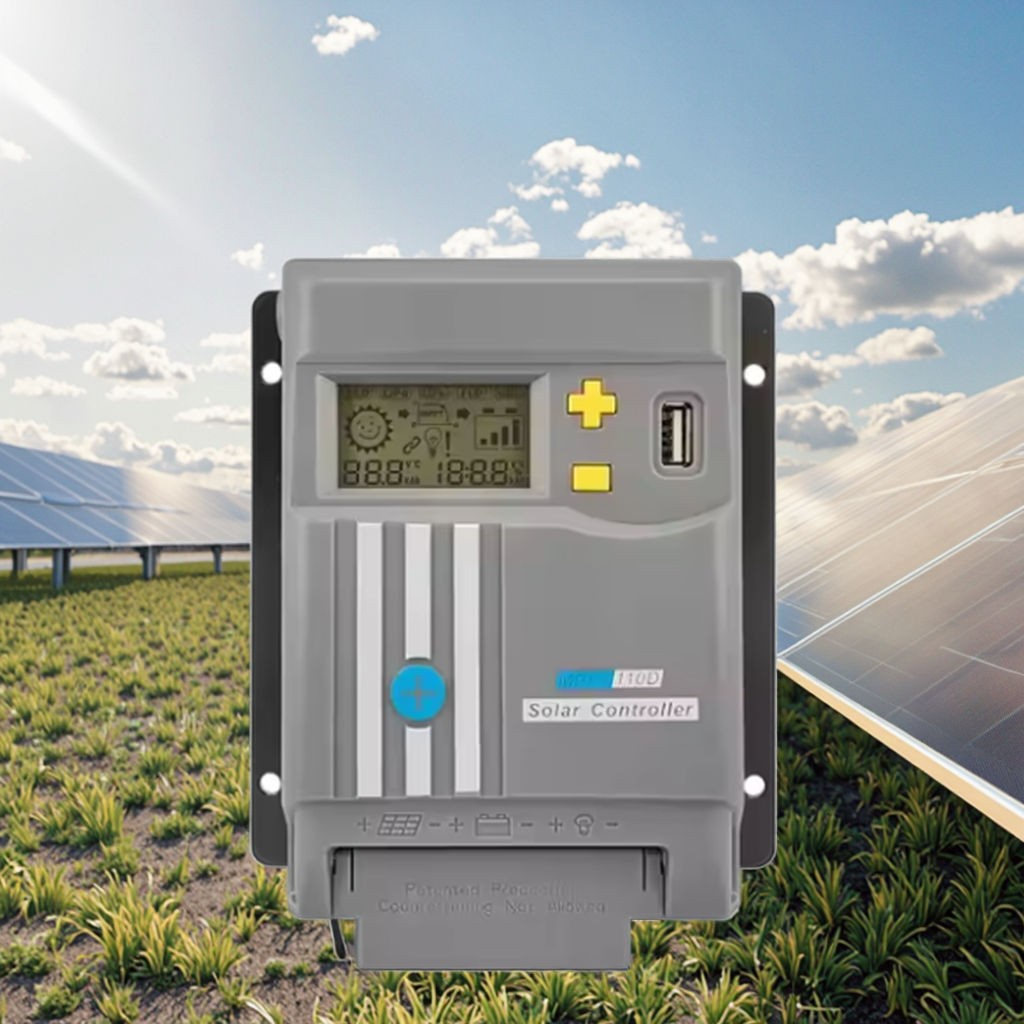
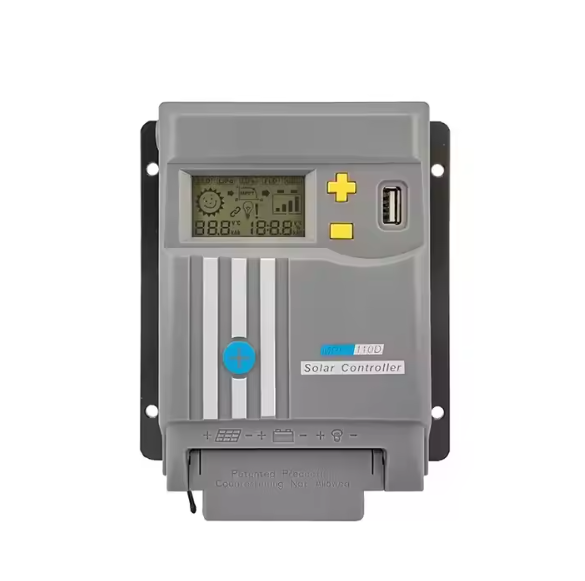
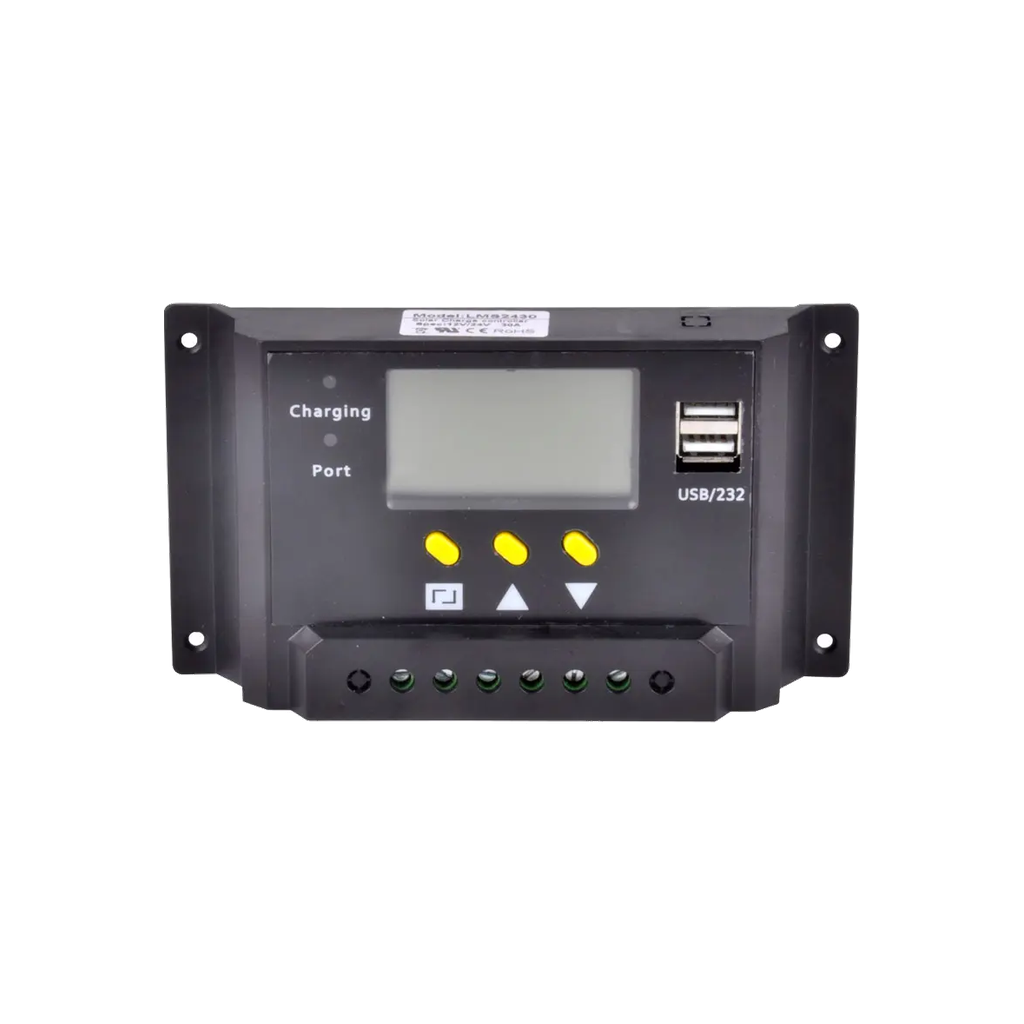
Understanding the right regulator MPPT  30A for your  solar project is crucial for optimizing energy efficiency and ensuring  the longevity  of  your system. These Maximum Power Point  Tracking (MPPT) regulators are essential in managing  solar energy  output, making them a key component  for purchasing  managers, engineers, and project managers involved  in  off-grid solar solutions.  This article  will address key considerations when selecting a 30A MPPT regulator, its specifications,  quality  factors, common issues, and its applications  in  off-grid  solar setups.
 
Key Specifications to Evaluate in a 30A MPPT Regulator

Key Specifications to Evaluate in a 30A MPPT Regulator

When evaluating a 30A MPPT regulator, several specifications are critical:

Input Voltage Range: Ensure the regulator can accept the output voltage from your solar panels, typically between 12V  to 60V for  most applications.

Max Output Current: The  regulator should support an output  current of up to  30A, but it's wise to choose a model  with a slightly higher capacity to accommodate peak conditions.

Efficiency Rate: Look for regulators with high efficiency, ideally above 95%. This  specification is vital to maximizing  energy conversion and minimizing losses.

Temperature Compensation: A regulator with  built-in temperature compensation can  adjust charging parameters based on ambient  temperatures, protecting the battery from overcharging  or undercharging.

Communication Features: Some models offer communication ports for monitoring system performance via an app or computer. This feature can provide insights  into  energy production  and battery  health.

Protection  Features:  Ensure the regulator has adequate protection against overvoltage,  overcurrent, short circuits, and reverse polarity. These features enhance the longevity and reliability of the system.
 
Quality and Performance Factors

Quality and Performance Factors

Quality control is paramount in the  manufacturing of 30A MPPT regulators. Look  for regulators that adhere to  international standards like ISO9000,  which ensures consistent manufacturing processes and product reliability. At Zhejiang Jyins Electrical Co., LTD, for instance, rigorous quality assurance measures  are in place  to ensure that every product meets high performance and  durability standards.


The choice of materials used  in the regulator also plays a significant role in its longevity and performance. High-quality components  help minimize thermal losses and improve the overall efficiency of the regulator. Furthermore, consider factors such as the  design of the heat sink, as effective thermal management is essential  to prevent  overheating during operation.

Finally,  assess the manufacturer’s reputation in the industry.  A  well-established company, like Zhejiang Jyins, often has a proven track record of reliability  and customer satisfaction,  which is  an important factor in making your purchasing  decision.

Common Problems with 30A MPPT Regulators and Effective Solutions

Common Problems with 30A MPPT Regulators and Effective Solutions

While 30A  MPPT regulators are generally reliable,  several common issues can arise, impacting performance:

Overheating: This can occur if the  regulator is not adequately sized for the solar array or  if it lacks sufficient ventilation. Ensure  proper installation and consider models with effective heat dissipation designs.

Inaccurate Voltage Readings: This may indicate a malfunctioning  sensor or wiring issues. Regular inspection  of connections can  mitigate this problem. Utilize a multimeter to verify readings when  troubleshooting.

Battery Overcharging: If the  regulator doesn’t adjust  charging voltage based on battery state, it can lead to damage. Select a model with advanced battery management features that can adapt to  varying  battery conditions, including those found in an  Battery Charger.

Firmware Issues:  Some regulators may require firmware updates to fix bugs or improve performance. Regularly  check  for updates from the manufacturer to  ensure optimal operation.

Poor Wiring Connections:  Loose connections can  lead to power losses and system inefficiencies. Regular maintenance checks should include inspecting all wiring connections to ensure they are tight and corrosion-free.


Applications of 30A MPPT Regulators in Off-Grid Solar Solutions

30A  MPPT regulators are predominantly used in off-grid solar applications, where solar energy generation is essential for  powering remote  systems. Common applications include:

Residential  Solar  Systems: Homeowners can utilize these regulators  to  optimize solar energy production for household electricity needs, ensuring battery systems are charged efficiently.

Agricultural Projects: Off-grid farms  often rely on solar energy for irrigation and  equipment operations. A 30A MPPT regulator can effectively manage the energy harvested from solar panels to support these applications.

Telecommunication Equipment: In remote locations, communication towers can benefit from solar power, using MPPT regulators to ensure a reliable power supply for critical  systems.

Recreational  Vehicles (RVs): Many RV owners install solar panels to power appliances while on the road or parked  in remote areas. A 30A MPPT regulator ensures efficient energy management for these mobile systems.

Remote Monitoring Stations: Scientific research stations or environmental monitoring  systems often  operate off-grid. These regulators  facilitate  reliable power management to support various instruments and data loggers.

Selecting the right 30A  MPPT regulator  is vital for maximizing the efficiency and longevity of your solar energy system. By understanding the specifications, quality factors, common issues, and applications, you  can make informed purchasing decisions that align  with your project's requirements.

How to Choose the Right 30A MPPT Regulator for Your Project Needs

Selecting the appropriate 30A MPPT regulator involves understanding your specific  energy requirements and project scope. Start by assessing the total  solar panel capacity and the voltage  output; the regulator must be compatible with these  parameters to function optimally.  Consider the maximum current and voltage ratings of the  regulator, ensuring they align with your solar array specifications. If you are using solar panels, make sure they are compatible with your selected Solar Panel setup.

Additionally, evaluate the regulatory features, such  as battery charging profiles suited  to the battery types you  plan  to use. Different  battery technologies—like lithium-ion, lead-acid, or gel—may require different charging methods. Look for a regulator that offers flexibility in these profiles, as this can enhance  battery life and performance.

Lastly, consider the environmental conditions where the  system will operate. Factors such  as temperature range  and humidity levels can impact the regulator's efficiency  and durability. Selecting a unit with a suitable IP  rating (Ingress Protection) can  ensure  reliable performance under varying  conditions.

Our Blog Posts

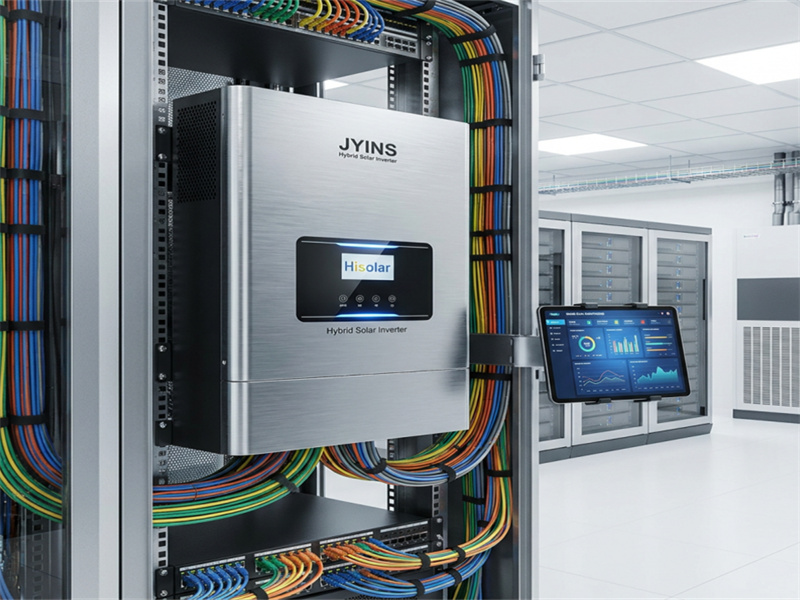
Hybrid Inverter Integration for Telecom: Managing RS485 Communication and Remote Power Reliability

15

May

Hybrid Inverter Integration for Telecom: Managing RS485 Communication and Remote Power Reliability

Hybrid Inverter Integration for Telecom: Managing RS485 Communication and Remote Power Reliability In the rapidly evolving landscape of global telecommunications, power reliability is the bedrock of connectivity. For telecom engineers and network ope...
View More
Why is 'Double-Isolated' circuit design critical for high-voltage commercial battery chargers?

24

Jun

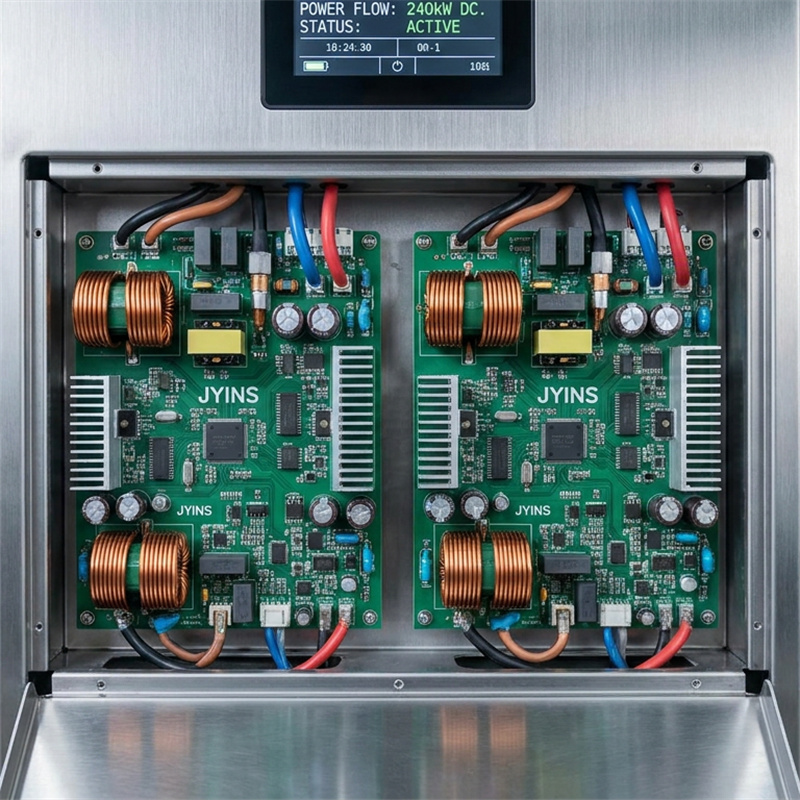
Why is 'Double-Isolated' circuit design critical for high-voltage commercial battery chargers?

The Rise of High-Voltage Commercial Battery Charging Systems The global shift toward electrification has driven the rapid adoption of high-voltage battery systems in B2B sectors. Commercial electric vehicle (EV) fleets, heavy-duty material handling e...
View More
Selecting Power Conversion for Cold Chain Logistics: Ensuring reliability at -20°C.

25

Jun

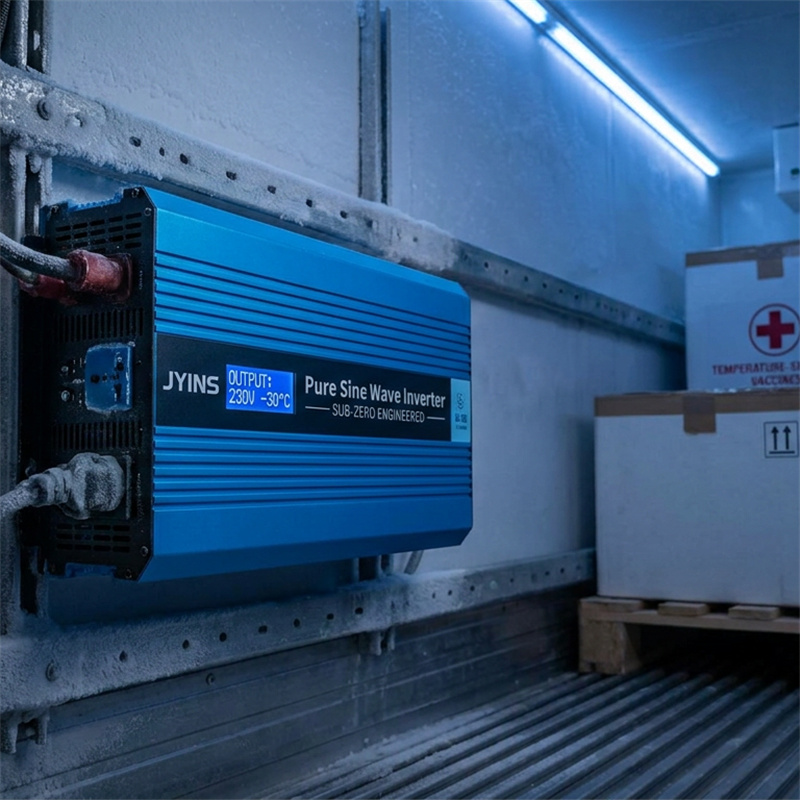
Selecting Power Conversion for Cold Chain Logistics: Ensuring reliability at -20°C.

Q: Selecting Power Conversion for Cold Chain Logistics: Ensuring reliability at -20°C. Introduction: The Critical Nature of Cold Chain Integrity Cold chain logistics is a highly specialized sector of the transport and supply chain industry. It is...
View More
How to Design a Fail-Safe Remote Emergency Power Off (EPO) Interface for B2B Commercial PV Installations?

10

Sep

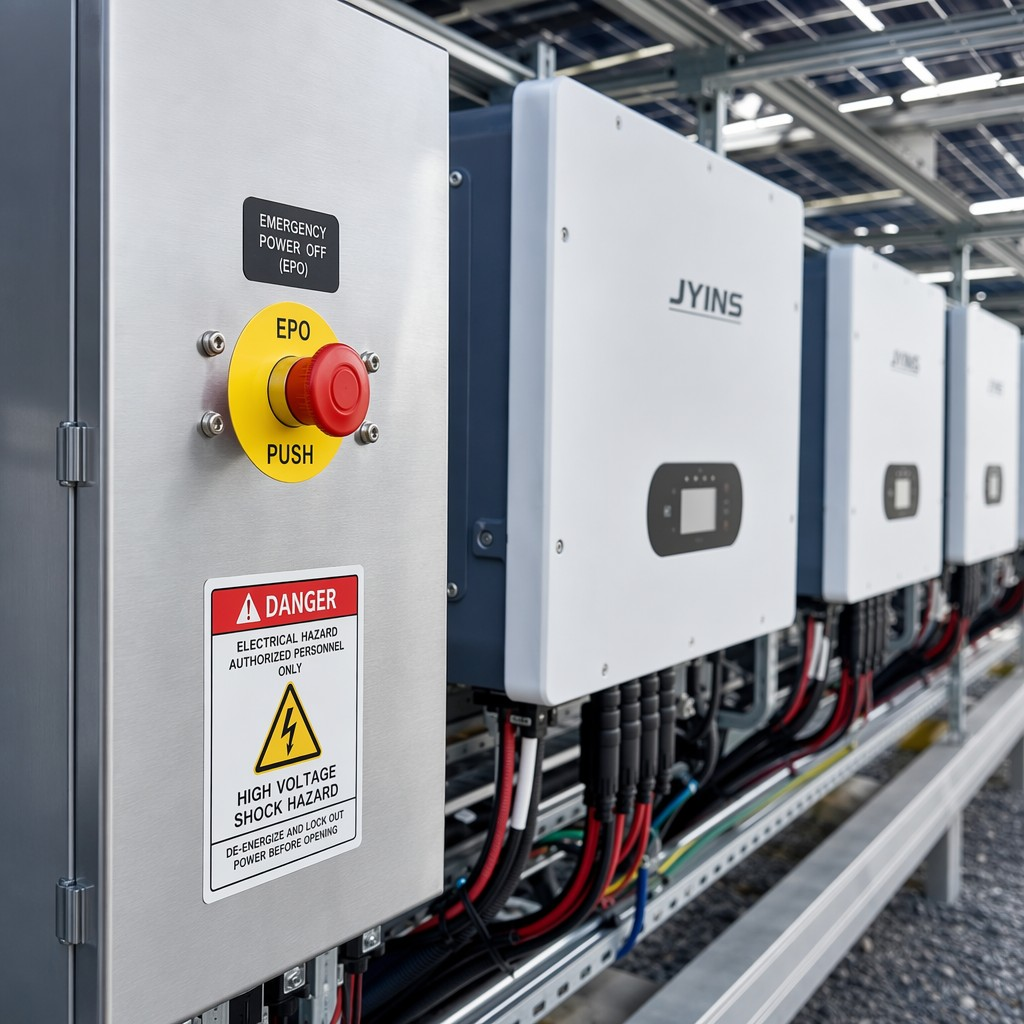
How to Design a Fail-Safe Remote Emergency Power Off (EPO) Interface for B2B Commercial PV Installations?

Q: How to Design a Fail-Safe Remote Emergency Power Off (EPO) Interface for B2B Commercial PV Installations? A: In commercial and industrial (C&I) scale PV installations, safety comes first. Whether for sudden fire emergencies, equipment maintenance,...
View More

Get a Free Quote

Our representative will contact you soon.
Email
Mobile
Name
Company Name
Products of Interest
Message
0/1000
Choosing the Right 30A MPPT Regulator for Solar Projects

Get a Free Quote

Our representative will contact you soon.
Email
Mobile
Name
Company Name
Products of Interest
Message
0/1000