EN
EN


The Rise of High-Voltage Commercial Battery Charging Systems
The global shift toward electrification has driven the rapid adoption of high-voltage battery systems in B2B sectors. Commercial electric vehicle (EV) fleets, heavy-duty material handling equipment, industrial Automated Guided Vehicles (AGVs), and large energy storage systems (ESS) now routinely operate on battery packs ranging from 400V to over 800V. Charging these massive battery banks requires robust, high-power charging infrastructure. At these high voltage levels, traditional electrical safety standards are no longer sufficient. Designing charging circuits that protect both the expensive battery assets and the operators who interact with them is a top priority for systems engineers. Among various design methodologies, 'Double-Isolated' circuit design has emerged as the industry safety standard for commercial-grade power conversion equipment.
Defining Double-Isolated Circuit Design in B2B Power Electronics
To understand the value of double-isolated circuit design, it is helpful to first define standard galvanic isolation. In a typical isolated charger, there is a physical separation between the high-voltage AC input grid and the DC output battery circuit. This isolation is usually achieved using an isolation transformer, which transfers energy magnetically rather than through direct electrical contact.
Double-isolated circuit design takes this safety concept a step further by implementing two distinct, independent layers of physical and electrical isolation within the charger architecture. This is often referred to as double insulation or reinforced isolation.
- Primary Isolation Layer: The first layer isolates the high-voltage AC input from the internal DC conversion stage (intermediate DC bus). This is typically achieved using a high-frequency, high-efficiency isolation transformer.
- Secondary Isolation Layer: The second layer isolates the intermediate DC bus from the low-voltage control circuits and the external metal chassis. This ensures that even if a catastrophic failure occurs in the high-power switching stages, high voltage cannot reach the user-accessible interfaces, communication ports, or the charger housing.
By incorporating two separate isolation boundaries, the system ensures that a single insulation failure cannot lead to dangerous voltage exposure.
Mitigating Electrical Shock Risks for Operators and Assets
The primary benefit of a double-isolated design is operator safety. In commercial charging stations, operators plug and unplug heavy connectors daily, sometimes in wet or outdoor environments. If a single-isolated charger experiences an internal component breakdown (such as a melted capacitor or a failed semiconductor), high-voltage AC or DC could potentially leak onto the charger's metal enclosure, creating a lethal shock hazard.
With a double-isolated design, the secondary isolation layer acts as a fail-safe. If the primary insulation breaks down, the secondary layer continues to isolate the dangerous voltages from the external chassis and user interface. For B2B fleet managers and safety officers, this redundancy is a critical safety measure, drastically reducing the risk of workplace accidents and liability.
Furthermore, high-voltage battery packs are extremely sensitive and expensive assets. If a non-isolated or poorly isolated charger experiences a grid surge (such as from a nearby lightning strike), that surge can pass directly into the battery pack, destroying its battery management system (BMS) and causing thermal runaway. Double-isolated designs provide a highly effective barrier against such transients, protecting the customer's multi-million dollar battery investments.
Preventing Ground Loop Interference and Common-Mode Noise
Beyond safety, double-isolated circuit design offers substantial technical advantages regarding electrical performance and signal integrity. In large industrial facilities, many high-power machines operate on the same electrical grid, creating significant electrical noise and ground potential differences.
- Eliminating Ground Loops: In non-isolated or single-isolated systems, ground loops can form when multiple devices are connected to the same grounding system. These ground loops can cause current to flow through the ground lines, introducing electrical noise into sensitive control circuits. Double-isolated design breaks these ground paths completely, preventing ground loops and ensuring stable operation of both the charger and nearby machinery.
- Reducing Common-Mode Noise: High-frequency switching devices (such as silicon carbide MOSFETs or IGBTs) used in modern fast chargers generate substantial common-mode noise. This noise can interfere with the charger's internal microprocessors, touchscreens, and external communication networks (such as CAN bus or Ethernet). The dual physical barriers in a double-isolated design act as natural high-impedance filters, blocking high-frequency noise from propagating to the control electronics and communication lines, ensuring reliable data transfer between the charger and the vehicle BMS.
Thermal Performance and Component Reliability in Double-Isolated Topologies
Designing a double-isolated charger requires careful thermal and mechanical engineering. Because energy must pass through multiple isolation boundaries, engineers must select high-quality materials to prevent efficiency losses and excessive heat generation.
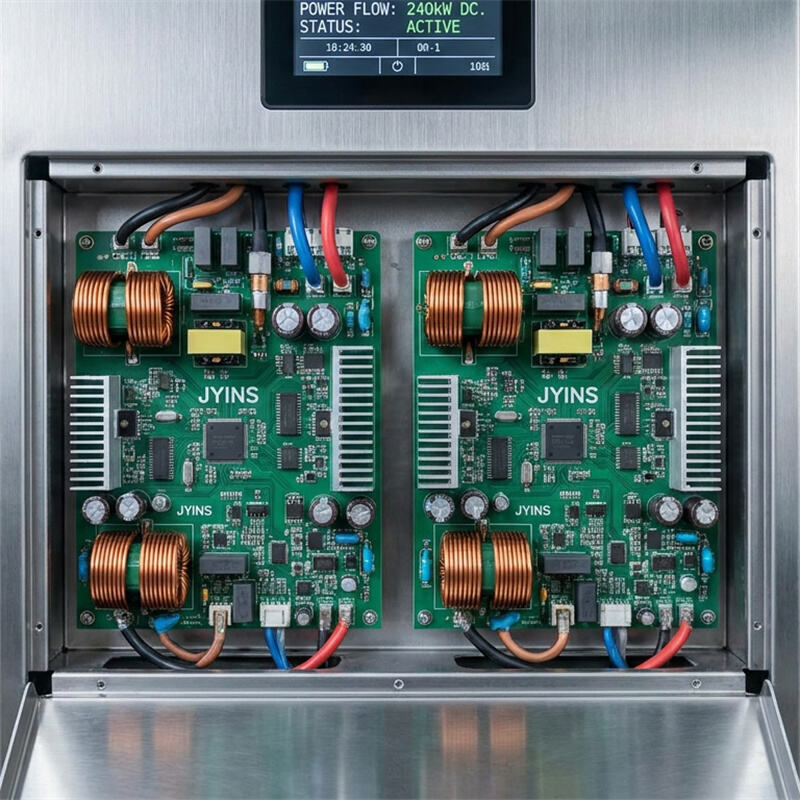
JYINS addressed this challenge by utilizing state-of-the-art high-frequency planar transformers and advanced dielectric materials. Our planar transformers offer excellent thermal coupling and low leakage inductance, allowing them to transfer power across the isolation barrier with efficiencies exceeding 97 percent.
Additionally, the double-isolation barrier is designed using high-performance ceramic insulators and specialized optocouplers that maintain high dielectric strength even at temperatures up to 150 degrees Celsius. This ensures that the isolation layers do not degrade over time due to the thermal stress of continuous, high-power charging sessions.
JYINS Industrial Charger Solutions: Safety and Efficiency Redefined
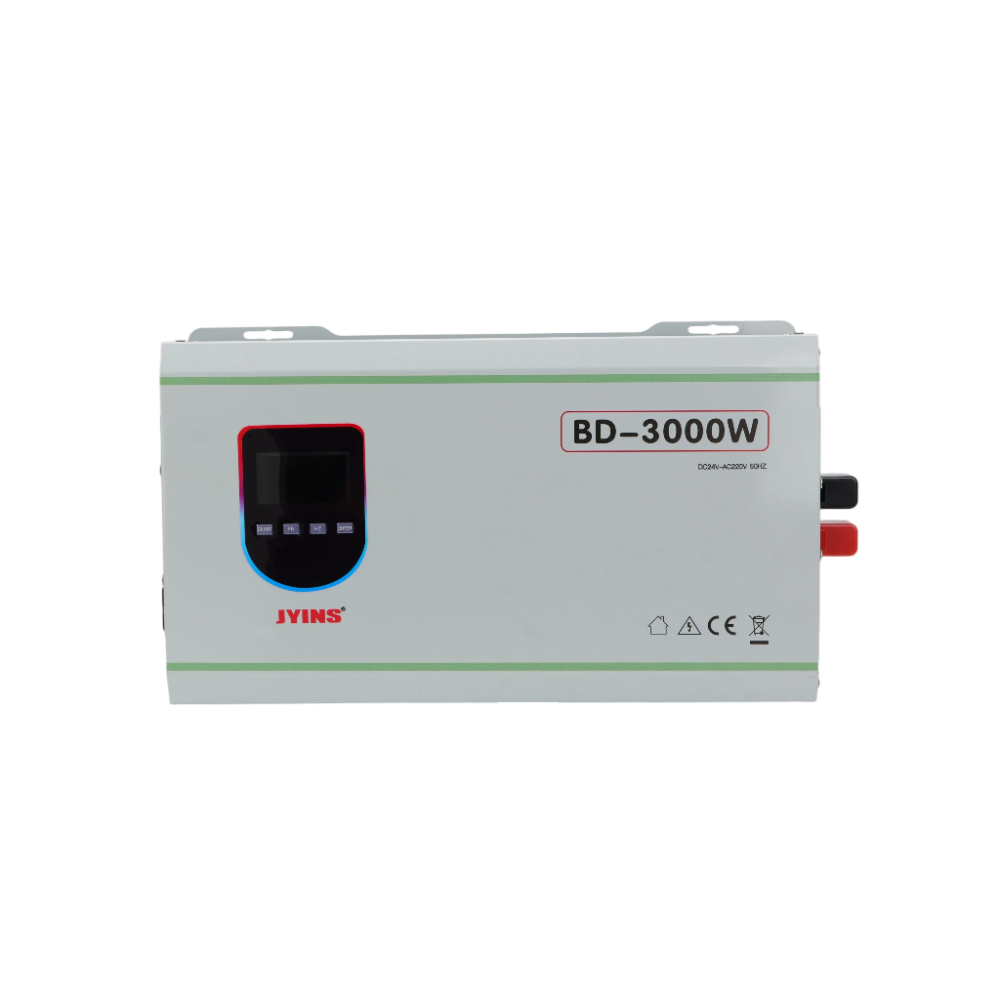
JYINS is a leading manufacturer of high-reliability power conversion systems, and our commercial battery chargers are engineered with double-isolated circuit design as a standard feature. We understand that in B2B operations, equipment uptime and safety are paramount.
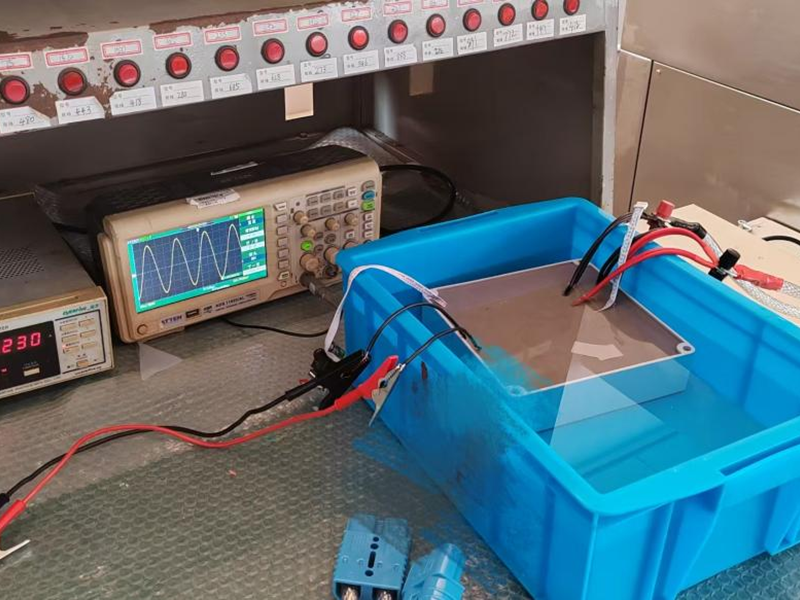
Our chargers are subjected to rigorous dielectric withstand testing (commonly known as hi-pot testing) during the manufacturing process, verifying that the isolation barriers can withstand voltages up to 4000V AC without breakdown.
By integrating JYINS double-isolated chargers into your commercial fleet or industrial facility, you are choosing a system built on uncompromising electrical safety, superior noise immunity, and long-term durability. Our engineering team works closely with B2B clients to customize charging systems that match their specific battery chemistries, communication protocols, and environmental requirements, ensuring a seamless and secure power integration.
Table of Contents
- The Rise of High-Voltage Commercial Battery Charging Systems
- Defining Double-Isolated Circuit Design in B2B Power Electronics
- Mitigating Electrical Shock Risks for Operators and Assets
- Preventing Ground Loop Interference and Common-Mode Noise
- Thermal Performance and Component Reliability in Double-Isolated Topologies
- JYINS Industrial Charger Solutions: Safety and Efficiency Redefined