Choosing the Right USB Power Inverter for Your Business

Get a Free Quote

Our representative will contact you soon.
Email
Mobile
Name
Company Name
Products of Interest
Message
0/1000

usb power inverter

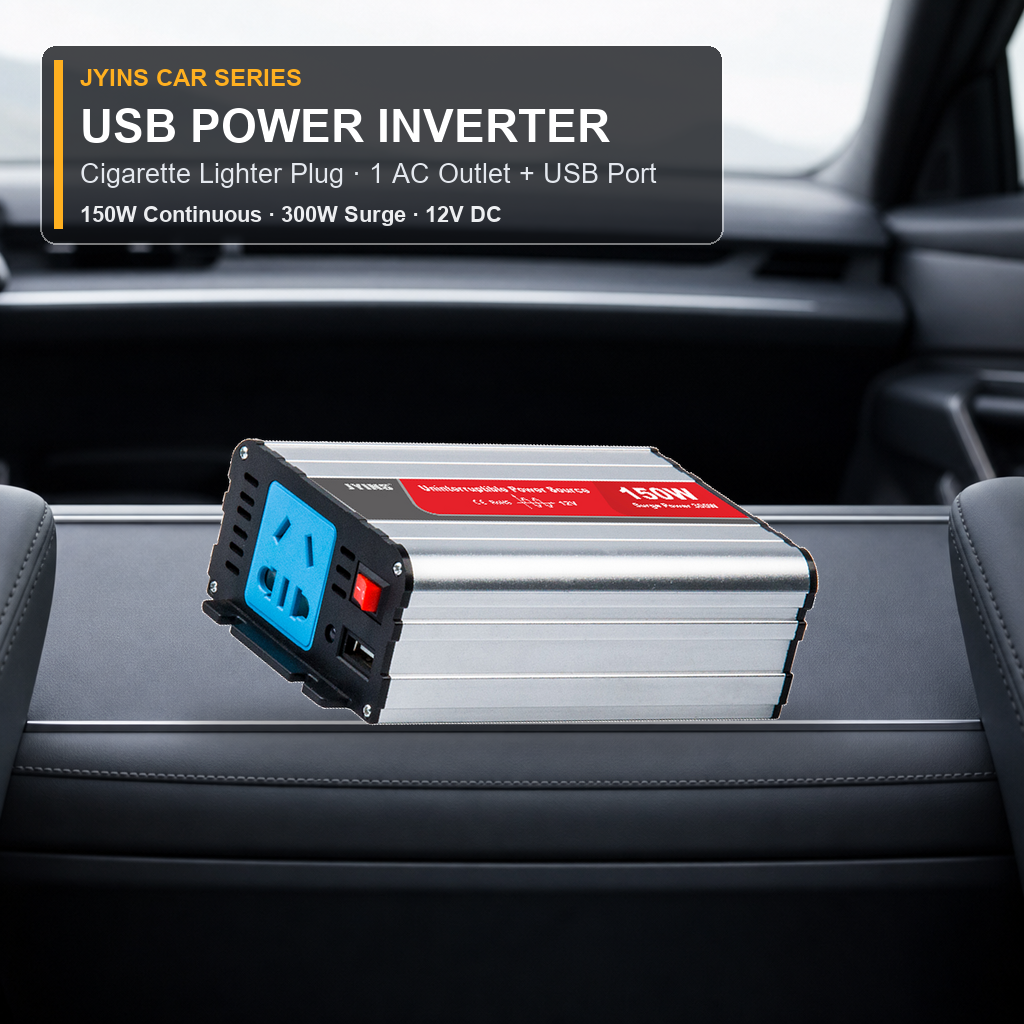
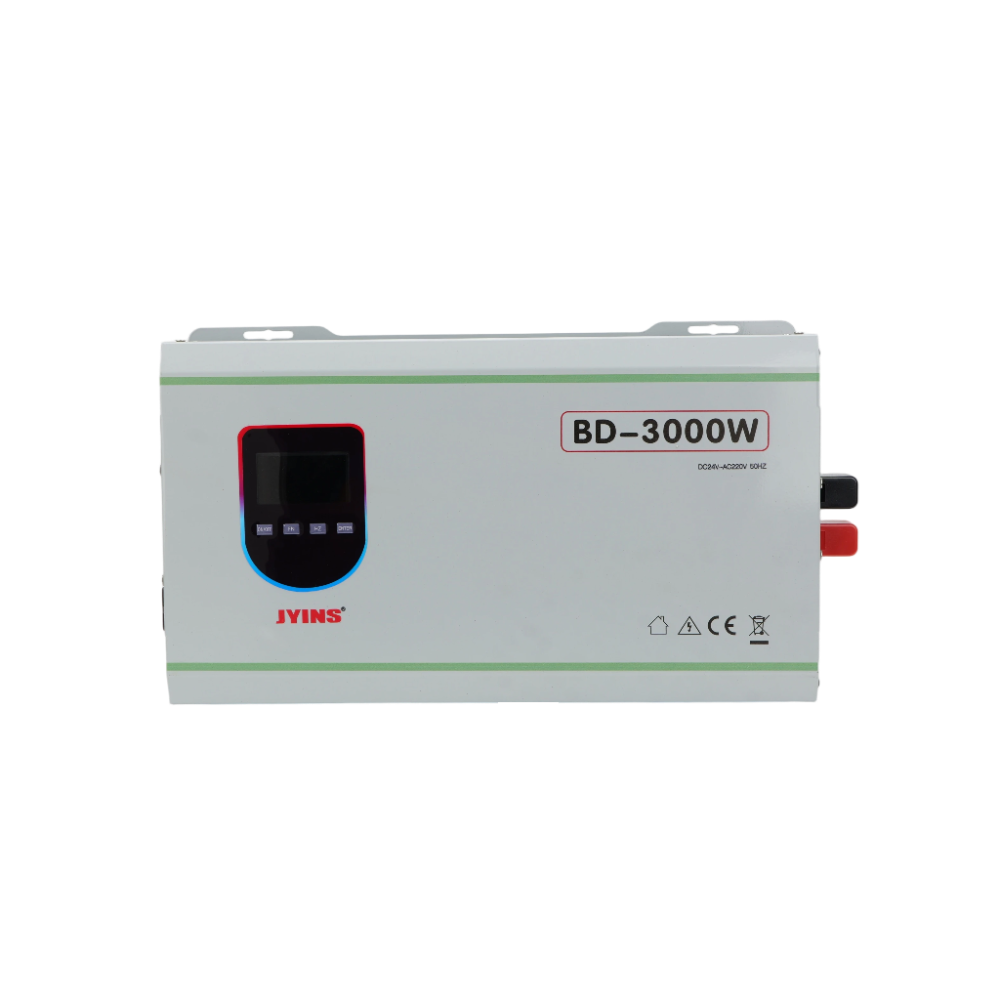
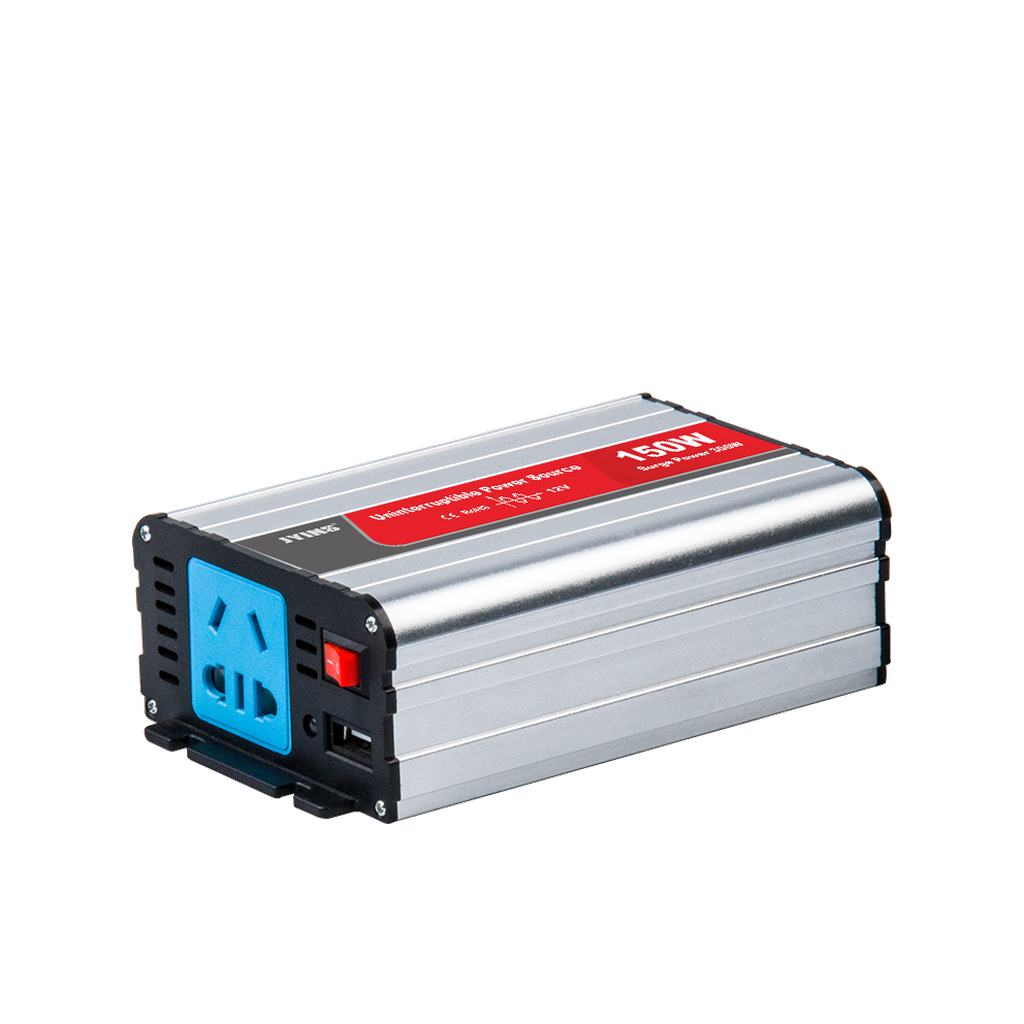
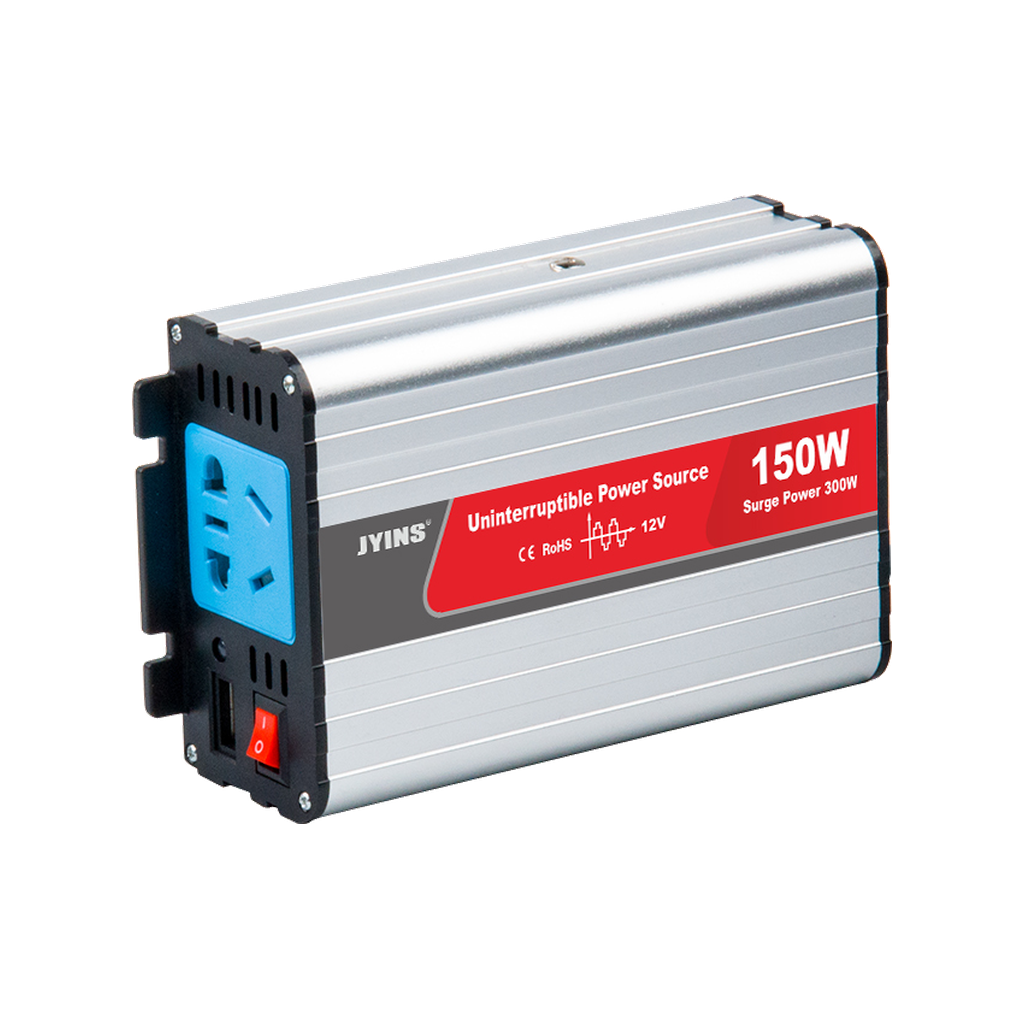
USB power inverters  are essential devices that convert  DC power from  batteries into AC power,  allowing  you to  run various electrical appliances in off-grid  scenarios or during power outages.  As  a purchasing  manager or distributor, understanding  the nuances of USB power  inverters is crucial  for making informed procurement  decisions. This article will guide  you through the key considerations  for selecting  the right inverter, evaluating  suppliers, understanding  specifications,  installation guidance, and recognizing the material advantages of quality USB power inverters.
Reliable Suppliers for USB Power Inverters

Reliable Suppliers for USB Power Inverters

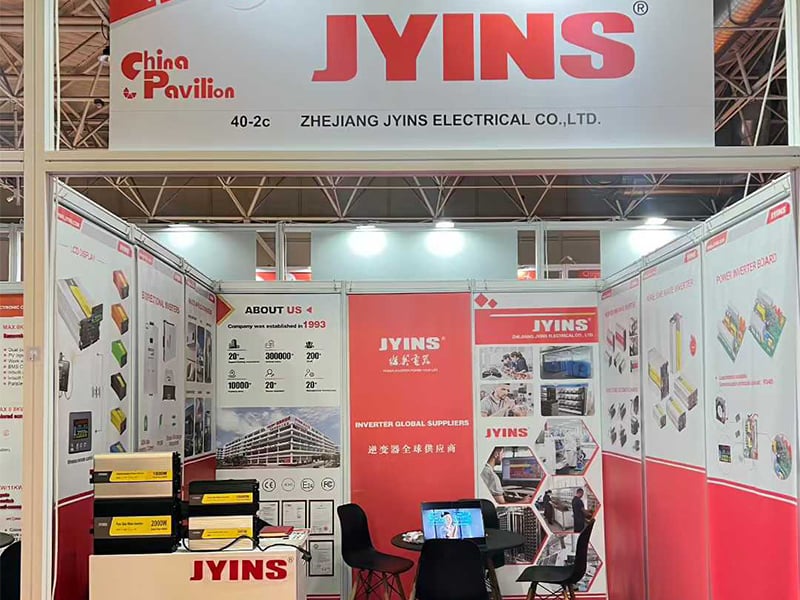
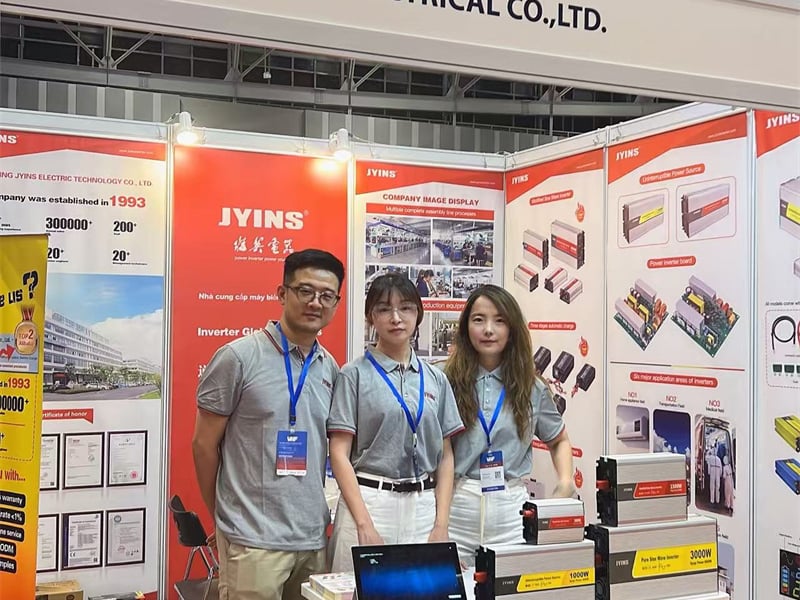
Finding a reliable supplier for USB power inverters is essential for maintaining quality  and consistency in your  operations. Look for manufacturers with a proven  track record in producing high-quality off-grid solar products,  like Zhejiang Jyins Electrical  Co., LTD. Established in 1993,  they adhere  to international ISO9000 standards, ensuring quality  assurance in their products. When evaluating potential  suppliers, consider  their production  capacity, customization capabilities, and  quality control processes.  It's also  beneficial  to assess  their export markets and experience in your  specific industry application. Requesting product samples and detailed specifications can help you gauge  the supplier's commitment to quality  and  service.
Key Specifications to Evaluate in USB Power Inverter Products

Key Specifications to Evaluate in USB Power Inverter Products

When assessing USB power inverters, several  key specifications need careful consideration:

Power Output: Measure the continuous and peak output. Continuous output indicates the maximum power the inverter can provide consistently, while peak  output relates to the short bursts of power needed for device startup.

Efficiency Rating: Inverters typically operate in  the range of 85-95% efficiency. A higher efficiency rating means less energy loss during conversion, which can  significantly  impact operational costs over time.

Input  Voltage: Ensure the inverter's input voltage matches your battery  or solar  panel system.  Common input voltages  include 12V, 24V, and 48V.

Protection Features:  Look for inverters with built-in protections such as short circuit, overload, and over-temperature protection to safeguard both the  inverter and  connected devices.

Size and Weight: Depending on your installation environment, the physical dimensions and weight of  the inverter can affect its usability and portability. Understanding these specifications will help you make a more informed  decision  and ensure  compatibility with your existing systems.

Installation Guidance for Efficient Use of USB Power Inverters

Installation Guidance for Efficient Use of USB Power Inverters

Proper installation of USB power  inverters is critical for optimal performance and longevity. Here are key installation tips to consider:

Location: Install the inverter  in a well-ventilated area to prevent overheating. Avoid placing it in enclosed spaces or areas with high humidity, as these  conditions can lead  to premature failure.

Wiring: Use appropriately rated wiring  for  connections to ensure  safety and efficiency. The wire  gauge should be compatible with the current output of the  inverter. Underestimating wire size can lead to overheating and  voltage drops.

Grounding: Proper grounding of the inverter is essential to prevent electrical hazards. Follow  the manufacturer's  guidelines for  grounding procedures to  ensure safety.

Regular Maintenance: Schedule periodic inspections and maintenance to  check for loose connections, signs of wear, or  corrosion on terminals. Regular maintenance can significantly extend  the life of the inverter and improve performance.

User Training: Ensure that users  are trained  on the proper operation and troubleshooting of the inverter to minimize operational errors. Following these guidelines will help maintain efficiency and safety during the inverter's  operation.

Understanding Material Advantages of Quality USB Power Inverters

The  materials used in the  construction of USB power inverters can significantly affect their performance  and durability. Here  are some material considerations:

Housing Material:  Look for inverters with robust housing  made from aluminum or high-grade plastic.  Aluminum provides  excellent heat dissipation, while high-quality plastics can protect against environmental factors.

Internal Components: The quality of internal components, such as capacitors and transformers, plays  a crucial  role in efficiency and lifespan. High-quality components can reduce energy loss  and enhance the inverter's overall reliability.

Cooling Systems: Inverters with effective cooling systems, such as built-in fans  or heat sinks, can better manage heat buildup during  operation, reducing the risk of overheating and failure.

Environmental Resistance:  Depending on the  intended application, consider inverters with materials that withstand harsh conditions, such as moisture, dust, or extreme temperatures, to ensure longevity and  consistent performance. By prioritizing quality materials  in your inverter selection,  you can enhance overall performance and reduce the likelihood of operational issues, ultimately leading to lower maintenance costs and increased reliability. If you're looking for a durable option, our Durable 600W 24V DC Printed Circuit Board for Motor Control Solar Inverters is a great choice.

In summary, understanding the nuances of USB power inverters—from specifications to installation and  materials—will empower you to make informed decisions that align with  your business's energy needs and operational efficiency.

Choosing the Right USB Power Inverter for Your Business Needs

Selecting the appropriate USB power inverter depends on the specific applications and energy requirements of your business. Consider the  total wattage of  devices you intend to power.  For  example,  if you  plan to run multiple devices  simultaneously, ensure the inverter can handle  the combined load. It's also vital to evaluate the  inverter's input and output voltage compatibility  with your equipment.  Additionally, consider the  inverter's surge capability, which indicates its ability to handle short bursts of high power needed when devices first start up. A common mistake  buyers make is underestimating the  power needs  of their equipment,  leading to inadequate performance or potential  damage. Therefore, performing a comprehensive assessment of your electrical demands  will ensure you select an inverter that meets  your needs without  overspending on unnecessary capacity. If you're looking for high-quality options, consider checking out our Solar Inverter for reliable performance.

Our Blog Posts

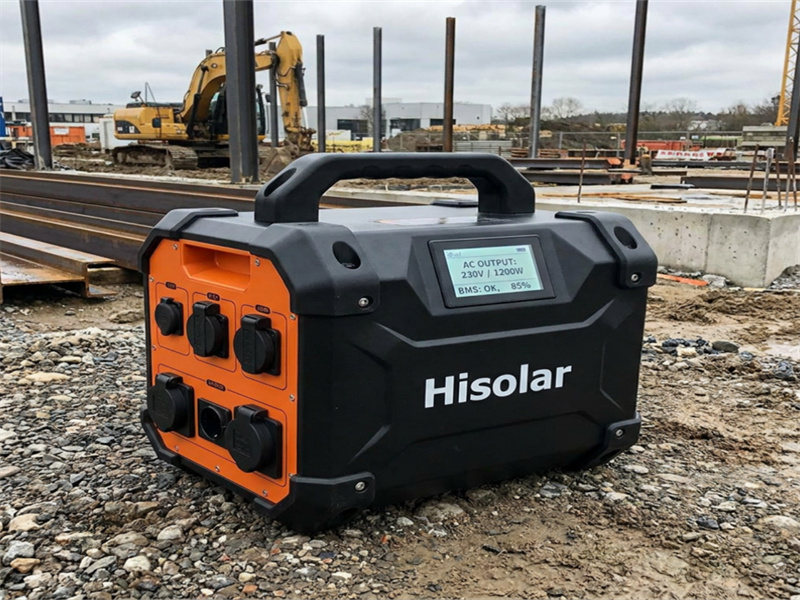
Portable Power for Extreme Job Sites: Vetting Durability and Battery Management Systems (BMS) for Construction Fleets

15

May

Portable Power for Extreme Job Sites: Vetting Durability and Battery Management Systems (BMS) for Construction Fleets

The New Standard for On-Site Power: Beyond Generators For decades, the roar of diesel generators was the soundtrack of the construction industry. However, a quiet revolution is taking place on extreme job sites. As regulations on noise and emissions ...
View More
Why is South Africa NRS 097-2-1 certification mandatory for commercial solar backup projects?

24

Jun

Why is South Africa NRS 097-2-1 certification mandatory for commercial solar backup projects?

Navigating South Africa's Energy Crisis with Certified Solar Solutions South Africa is currently undergoing a massive and complex energy transition, catalyzed by persistent grid load shedding that has disrupted businesses, heavy manufacturing, and da...
View More
Troubleshooting 'Rapid Shutdown' (RSD) communication failures between inverters and optimizers.

24

Jun

Troubleshooting 'Rapid Shutdown' (RSD) communication failures between inverters and optimizers.

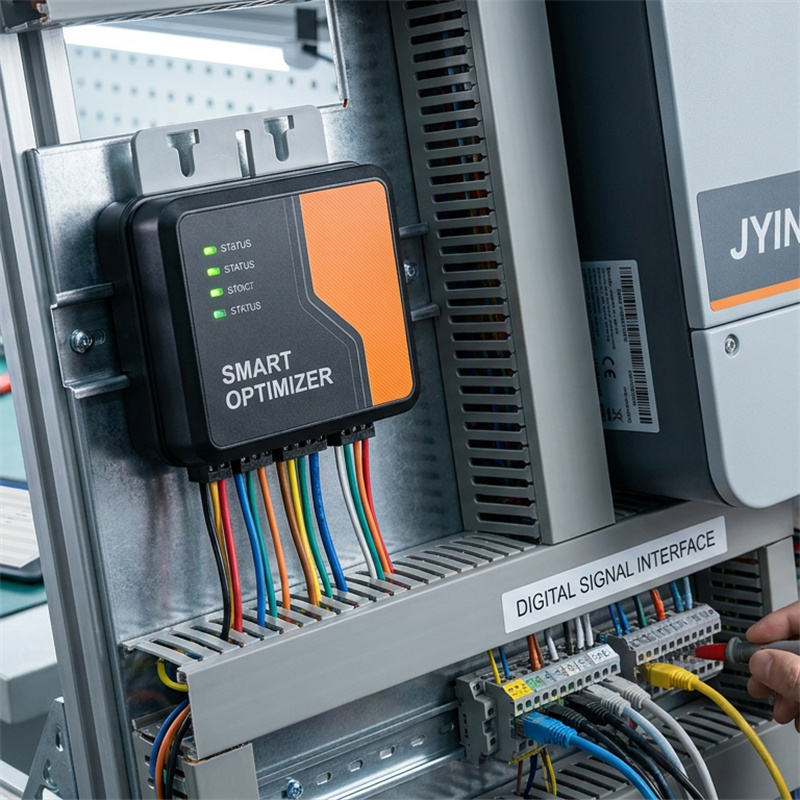
Understanding Rapid Shutdown (RSD) Systems in Commercial Solar Rapid Shutdown (RSD) is a critical safety requirement for B2B commercial rooftop solar systems, designed to protect firefighters and maintenance personnel from high-voltage hazards. Stand...
View More
How to manage 'Warranty Claims' and technical support for international B2B distributors?

25

Jun

How to manage 'Warranty Claims' and technical support for international B2B distributors?

Introduction: The Global Distribution Support Challenge For international B2B power inverter distributors, wholesalers, and importers, selecting a manufacturing partner is not just about comparing product prices and initial specifications. It is abou...
View More

Get a Free Quote

Our representative will contact you soon.
Email
Mobile
Name
Company Name
Products of Interest
Message
0/1000
Choosing the Right USB Power Inverter for Your Business

Get a Free Quote

Our representative will contact you soon.
Email
Mobile
Name
Company Name
Products of Interest
Message
0/1000