EN


Active power filters (APFs) are essential devices for mitigating power quality issues in various industrial and commercial applications. These systems help eliminate harmonics and improve the overall efficiency of electrical networks, addressing common concerns among purchasing managers and engineers regarding the performance and reliability of power systems. This article will guide you through critical considerations when selecting active power filters, ensuring you make informed purchasing decisions suitable for your specific needs.
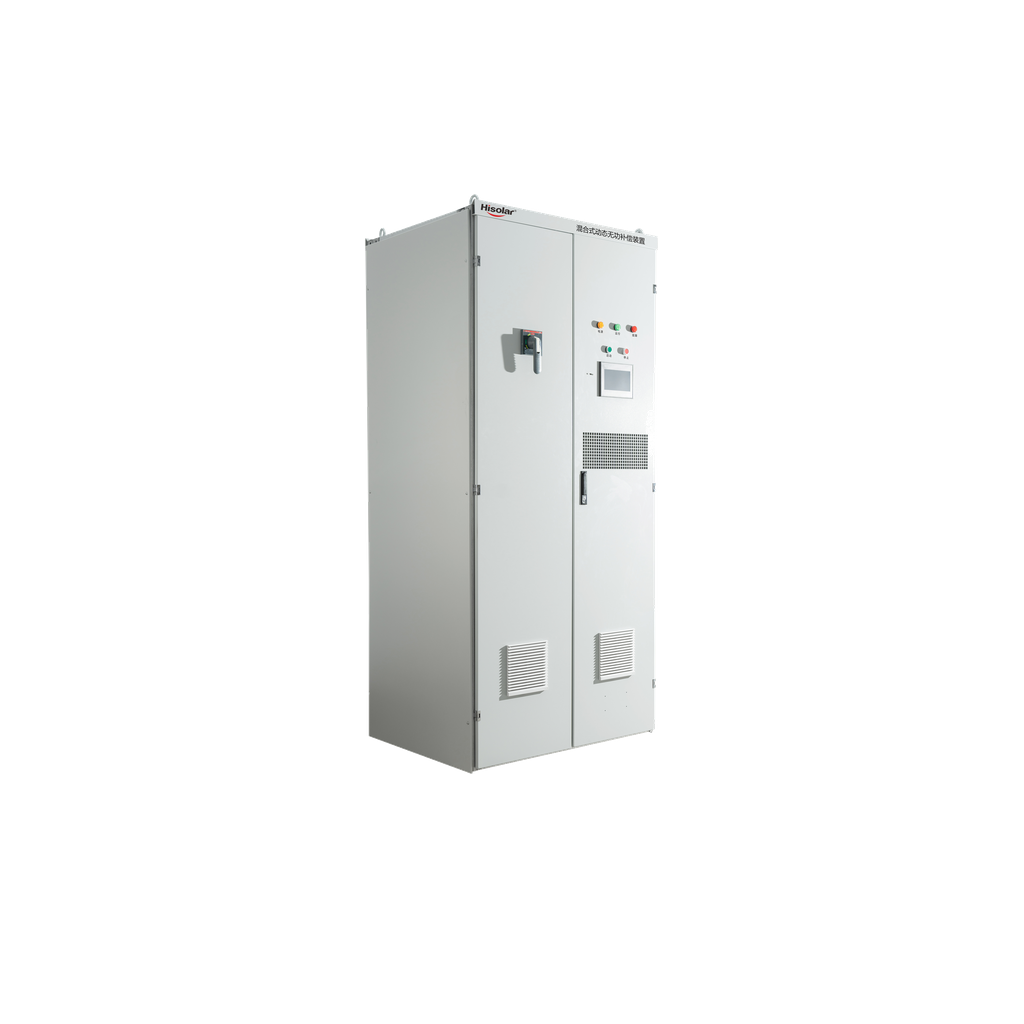
Key Specifications of Active Power Filters for Importers and Distributors
Understanding the key specifications of active power filters is essential for importers and distributors. Here are the main specifications to consider:
Rated Power: This indicates the maximum load the filter can handle. Ensure that the rated power aligns with your application requirements to avoid overloading.
Harmonic Distortion Mitigation: Look for the Total Harmonic Distortion (THD) level that the filter can achieve. Higher performance filters can reduce THD to below 5%, which is often required in sensitive industrial environments.
Response Time: The speed at which the filter can respond to fluctuations in power quality is crucial. Typical response times should be less than one cycle of the power frequency.
Control Method: Evaluate the filter's control strategy, which may include passive, active, or hybrid designs. Active filters are generally more effective at dynamically adjusting to changes in harmonic content.
Communication Protocols: Check for compatibility with standard communication protocols such as Modbus or CANopen, allowing for easy integration with existing monitoring systems.
Efficiency Ratings: Ensure that the active power filter has high efficiency ratings to minimize energy losses during operation.
These specifications will provide a solid foundation for evaluating potential products in your supply chain.