Choosing Active Power Filters for Wholesale Needs

Get a Free Quote

Our representative will contact you soon.
Email
Mobile
Name
Company Name
Products of Interest
Message
0/1000

active power filter

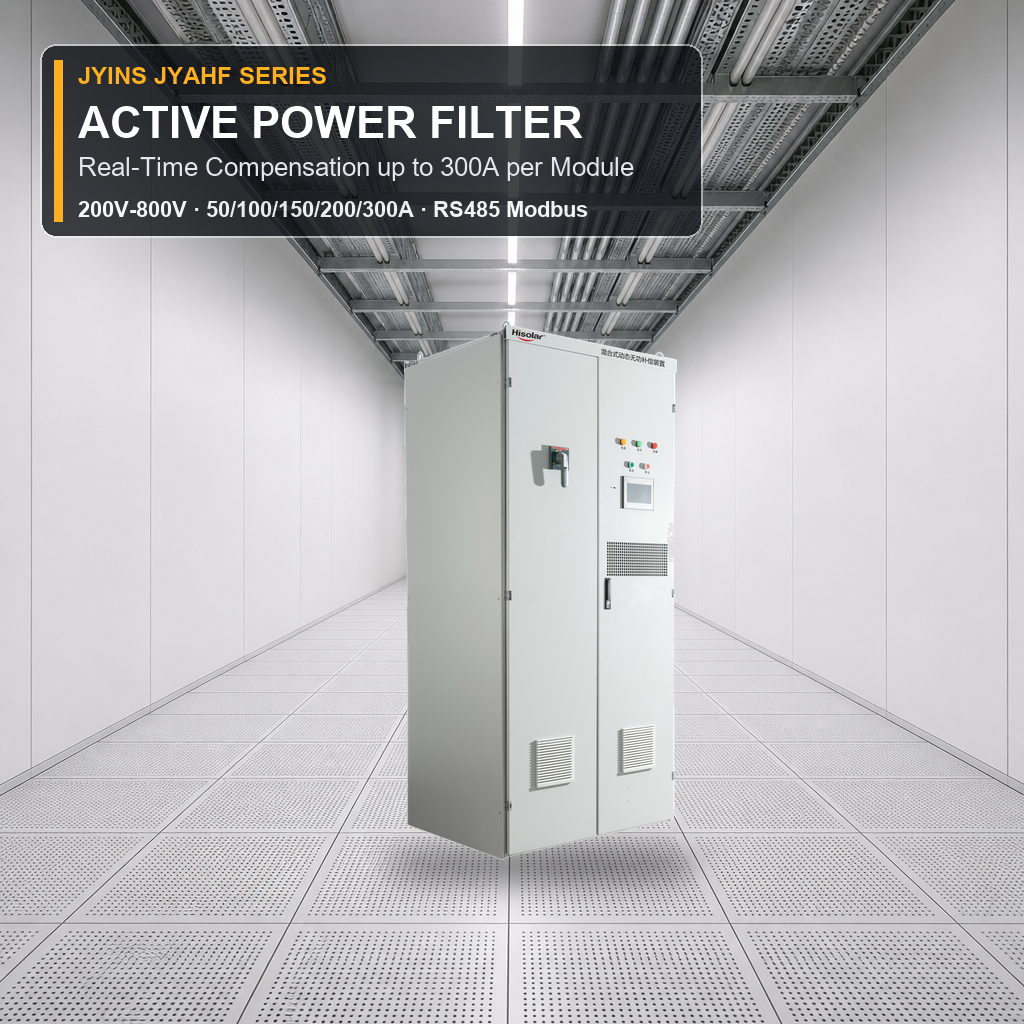
Active  power filters (APFs) are essential devices for  mitigating power quality issues in  various industrial  and commercial applications. These systems help eliminate  harmonics  and improve the overall efficiency  of electrical networks, addressing common concerns  among  purchasing  managers and engineers  regarding  the performance and reliability of  power  systems. This article will guide you through  critical considerations when selecting  active power filters, ensuring you make  informed  purchasing decisions  suitable for your specific  needs.
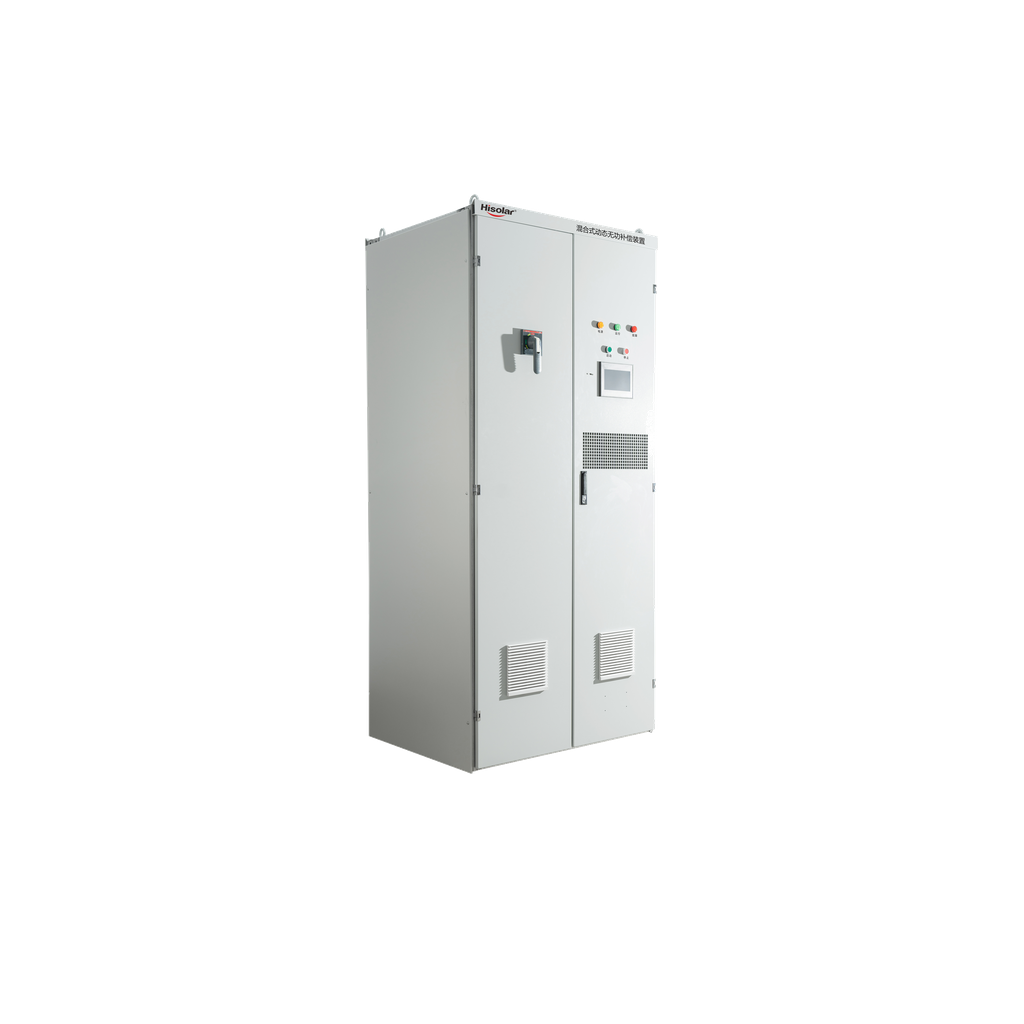
Key Specifications of Active Power Filters for Importers and Distributors

Key Specifications of Active Power Filters for Importers and Distributors

Understanding the key specifications of active power filters  is essential for  importers and distributors. Here are  the main specifications to consider:

Rated Power: This indicates the maximum load the filter can handle. Ensure that the rated  power aligns with your application requirements to  avoid overloading.

Harmonic Distortion Mitigation: Look  for the Total Harmonic Distortion (THD) level that the filter can achieve.  Higher performance filters  can reduce THD to below 5%, which  is often required in sensitive industrial  environments.

Response  Time: The speed at which the filter can respond to fluctuations in power quality is crucial. Typical response times should be less than one cycle of the power frequency.

Control Method: Evaluate the filter's control strategy, which may include passive, active, or hybrid designs. Active filters are generally  more effective at dynamically adjusting to changes in harmonic content.

Communication Protocols: Check for compatibility with standard communication protocols such as Modbus or CANopen, allowing for easy integration with existing monitoring systems.

Efficiency Ratings: Ensure that  the  active power filter has high  efficiency ratings to minimize energy losses during  operation.

These specifications  will provide a solid foundation for evaluating potential products in your supply chain.
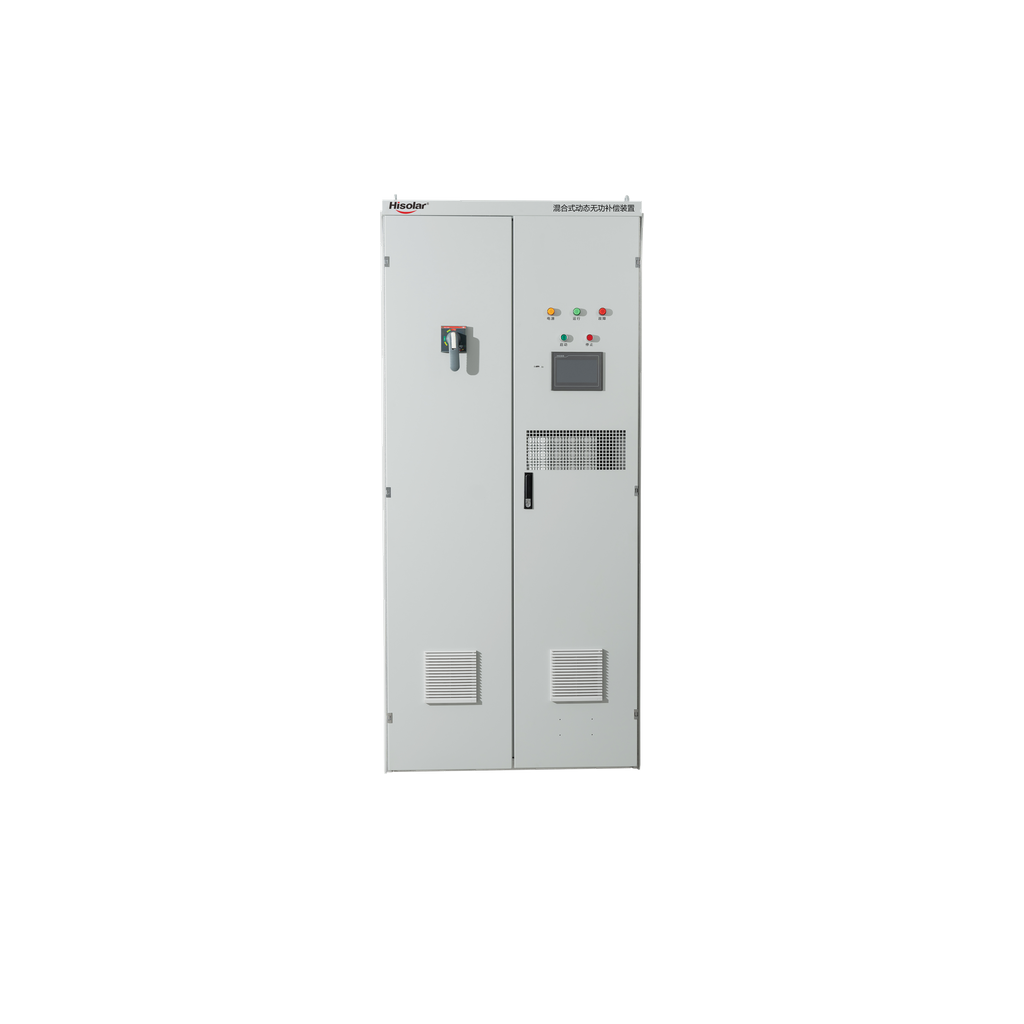
Evaluate the Quality of Active Power Filters for Your Projects

Evaluate the Quality of Active Power Filters for Your Projects

Quality assessment of  active power filters is critical to ensure reliable and  efficient operation in  your projects. Start by looking for certifications, such as ISO9001, which indicates adherence  to  international quality management standards. This is particularly relevant  as Zhejiang Jyins Electrical Co., LTD operates under ISO9000 standards, ensuring a high level of quality assurance in  their products.

Next, investigate the materials used in the filter  construction. High-quality components can significantly  influence the durability and performance of  the filter. For instance, using high-grade capacitors and inductors can enhance the operational lifespan and  efficiency  of the device. Consider incorporating a Energy Storage System to optimize the performance of your active power filters.

Moreover, request  performance  testing  data from the manufacturer. This data should include detailed results from both laboratory and field tests. Ensure  that the filters have been tested under  conditions that replicate your operational environment  to confirm their effectiveness in real-world applications.

Lastly, consider after-sales support and warranty options. Reliable support can ease the maintenance  burden and ensure rapid troubleshooting if issues arise,  further enhancing the quality perception of the product.

Sourcing Active Power Filters for Your Needs

Sourcing Active Power Filters for Your Needs

Sourcing active power filters effectively requires a strategic approach. Start  by identifying potential suppliers with a proven track record in manufacturing and supplying electrical products. A company  like Zhejiang Jyins Electrical Co., LTD, which specializes in off-grid solar products and  has extensive experience in the electrical sector, can offer valuable insights into product selection and sourcing strategies.

When contacting suppliers, prepare detailed specifications to facilitate accurate quotations. Information to include might be:

Product Type: Specify the model or type of  active power filter required. Dimensions: Provide any  space restrictions  or installation requirements.  Material Preferences: If applicable, indicate preferred  materials  for certain components. Quantity: Clearly state  the desired order volume to receive  appropriate pricing and  lead  time estimates.  Application Details: Share  information about where and how the filter will  be used, which  can help suppliers recommend the best options.

Additionally, consider suppliers who offer customization capabilities. This flexibility  can be crucial for meeting specific project  requirements or  compliance with local regulations.

Common Problems with Active Power Filters and Effective Solutions

Active  power filters may encounter several issues throughout their lifecycle. One common problem is inadequate harmonics mitigation, often due to improper sizing or configuration. To address this, ensure that the filter  is correctly matched to the load and that all  installation parameters are followed diligently.

Another  issue can be thermal management. Active filters generate heat during operation, and insufficient cooling can lead to component failure. Implementing proper  ventilation and cooling systems is essential to maintain optimal operating temperatures.

Communication failures between  the filter and monitoring  systems  can also arise. Regularly  check the communication settings and ensure that firmware is up-to-date to prevent compatibility issues.

Lastly, buyers should be  aware  that regular maintenance is necessary to prevent these problems.  Establishing a maintenance schedule  that includes  routine inspections and performance  evaluations can  help identify issues  early and extend  the filter's operational lifespan.

By understanding these common challenges and their solutions, purchasing managers and engineers can better prepare for the successful implementation of active power  filters in their projects.

What to Consider When Choosing Active Power Filters for Wholesale

When selecting active power filters for wholesale, several  factors come into play. First, assess the specific  application requirements, including load characteristics and the types of harmonics  present in the  system. Understanding these requirements will help you determine  the appropriate filter size  and  configuration.

Next, consider the filter's compatibility with  existing  equipment. Active  power filters can vary significantly  in terms of their control algorithms and communication interfaces. Ensure the selected filter can integrate seamlessly  with current systems to avoid  operational issues. Utilizing a Solar Charge Controller can help enhance the compatibility of your active power filters with existing setups.

Another important aspect is the manufacturer’s reputation and  experience in the industry. Partnering with a well-established company, like Zhejiang Jyins Electrical Co.,  LTD, which  has over 30 years of experience in producing high-quality electrical products, can provide you with the assurance  of reliability and performance. 

Finally, evaluate pricing and lead times. Wholesale buyers should negotiate minimum order quantities (MOQ) and understand any potential  bulk pricing  advantages. This can significantly impact your overall cost structure and inventory management.

Our Blog Posts

Why Bidirectional inverter PCB boards are Key to Smart Grid Integration

15

May

Why Bidirectional inverter PCB boards are Key to Smart Grid Integration

PCB boards used in bidirectional inverters are important for enabling the smooth functioning of smart grids. Smart grids are an improved type of power distribution system designed to manage supply and demand more efficiently, and integrate energy fro...
View More
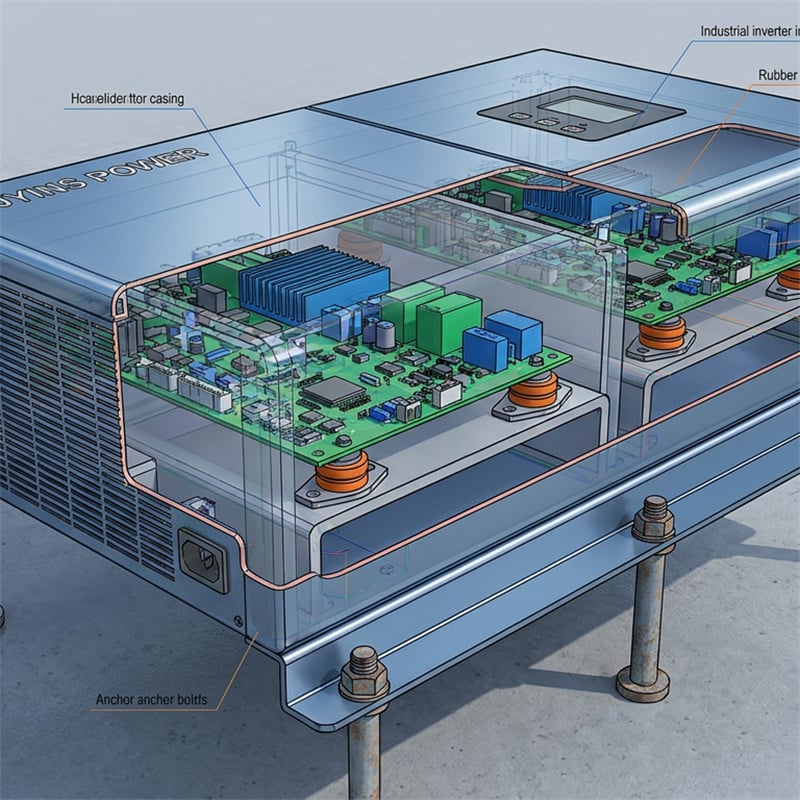
Selecting Inverters for Seismic Zones: Evaluating mechanical anchorage and internal PCB shock-resistance.

24

Jun

Selecting Inverters for Seismic Zones: Evaluating mechanical anchorage and internal PCB shock-resistance.

Structural Challenges of Solar Installations in Seismic Zones Commercial solar and energy storage installations located in active seismic zones face severe mechanical challenges during earthquakes. When ground movement occurs, buildings and ground-mo...
View More
How to manage 'Warranty Claims' and technical support for international B2B distributors?

25

Jun

How to manage 'Warranty Claims' and technical support for international B2B distributors?

Introduction: The Global Distribution Support Challenge For international B2B power inverter distributors, wholesalers, and importers, selecting a manufacturing partner is not just about comparing product prices and initial specifications. It is abou...
View More
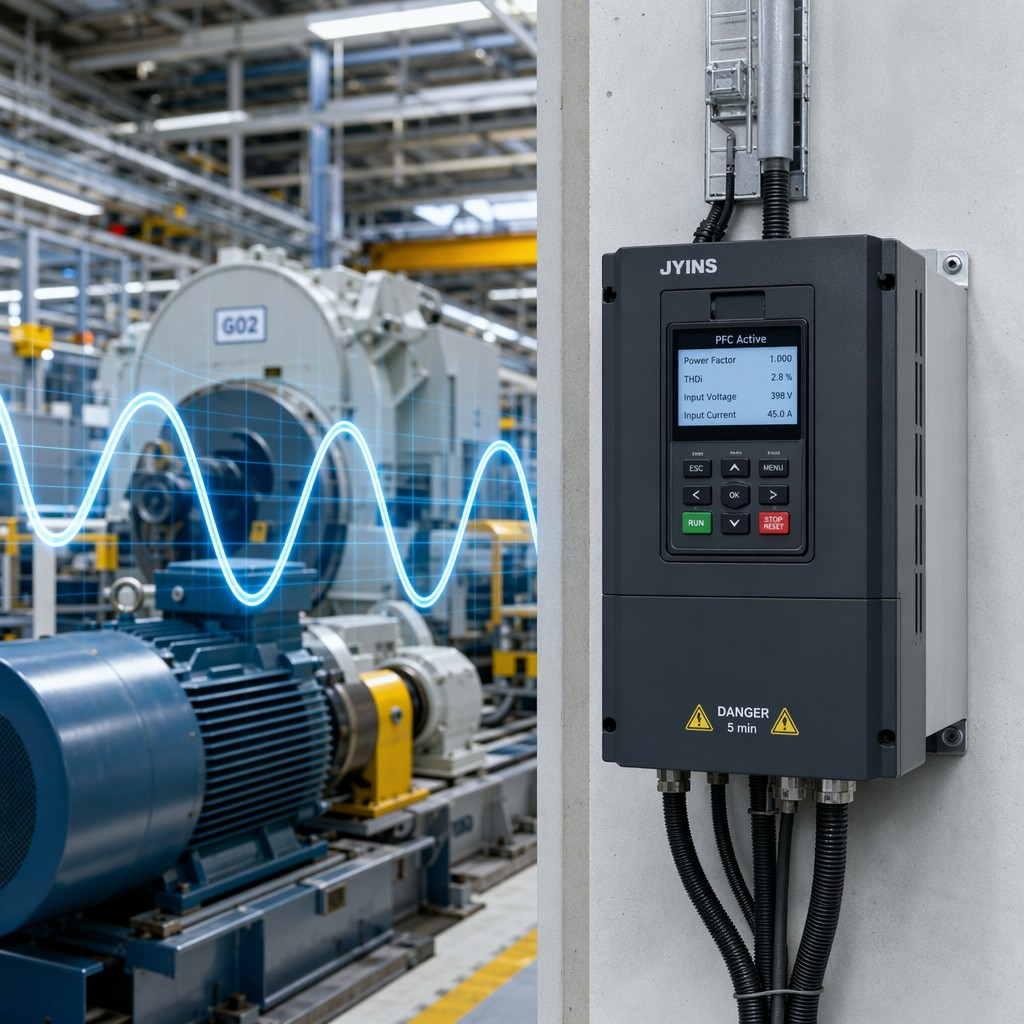
Why Is Active Power Factor Correction (PFC) in JYINS Industrial-Grade Inverters Critical to Reducing THD for Motor-Driven Machinery?

10

Sep

Why Is Active Power Factor Correction (PFC) in JYINS Industrial-Grade Inverters Critical to Reducing THD for Motor-Driven Machinery?

Q: Why Is Active Power Factor Correction (PFC) in JYINS Industrial-Grade Inverters Critical to Reducing THD for Motor-Driven Machinery? A: In the B2B industrial manufacturing sector, motor-driven equipment (such as air compressors, water pumps, CNC m...
View More

Get a Free Quote

Our representative will contact you soon.
Email
Mobile
Name
Company Name
Products of Interest
Message
0/1000

Related product categories

Choosing Active Power Filters for Wholesale Needs

Get a Free Quote

Our representative will contact you soon.
Email
Mobile
Name
Company Name
Products of Interest
Message
0/1000