Evaluating 3000W Inverter Chargers for Bulk Orders

Get a Free Quote

Our representative will contact you soon.
Email
Mobile
Name
Company Name
Products of Interest
Message
0/1000

3000w inverter charger

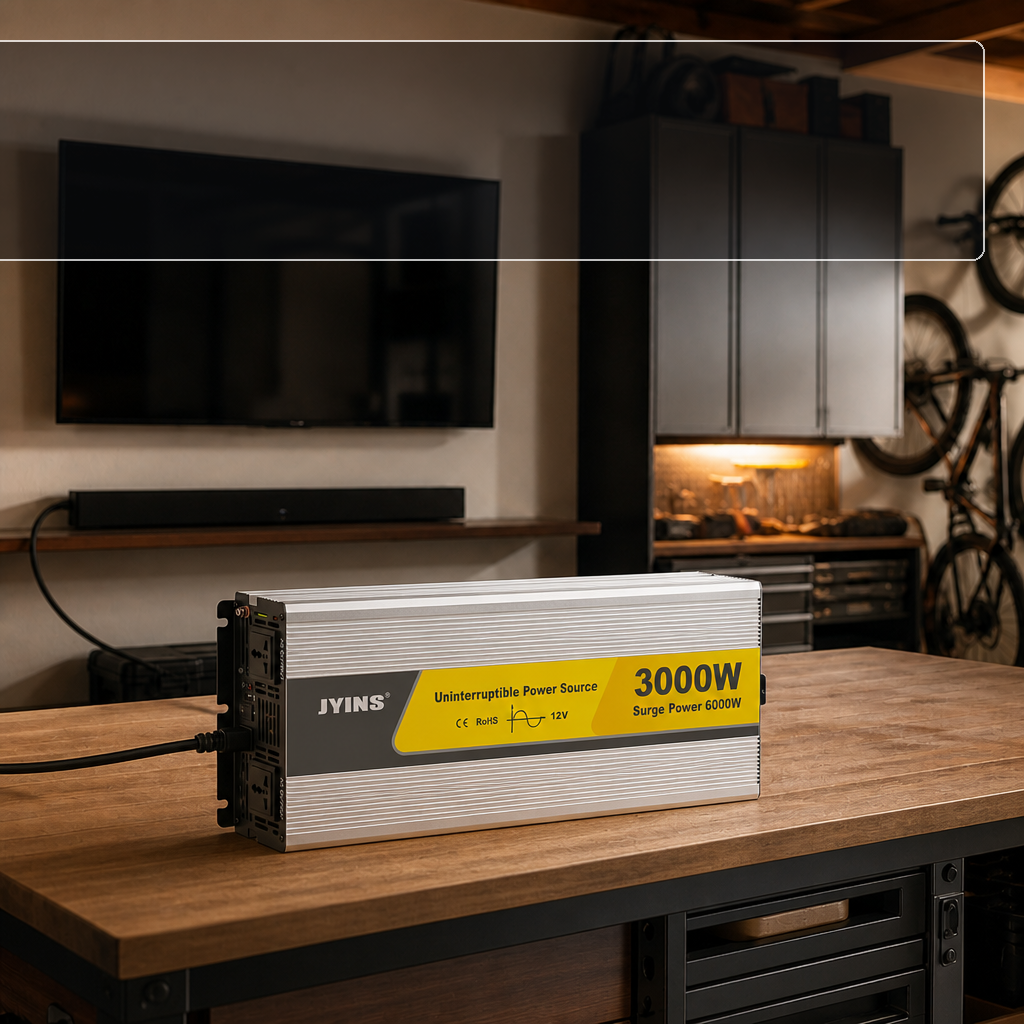
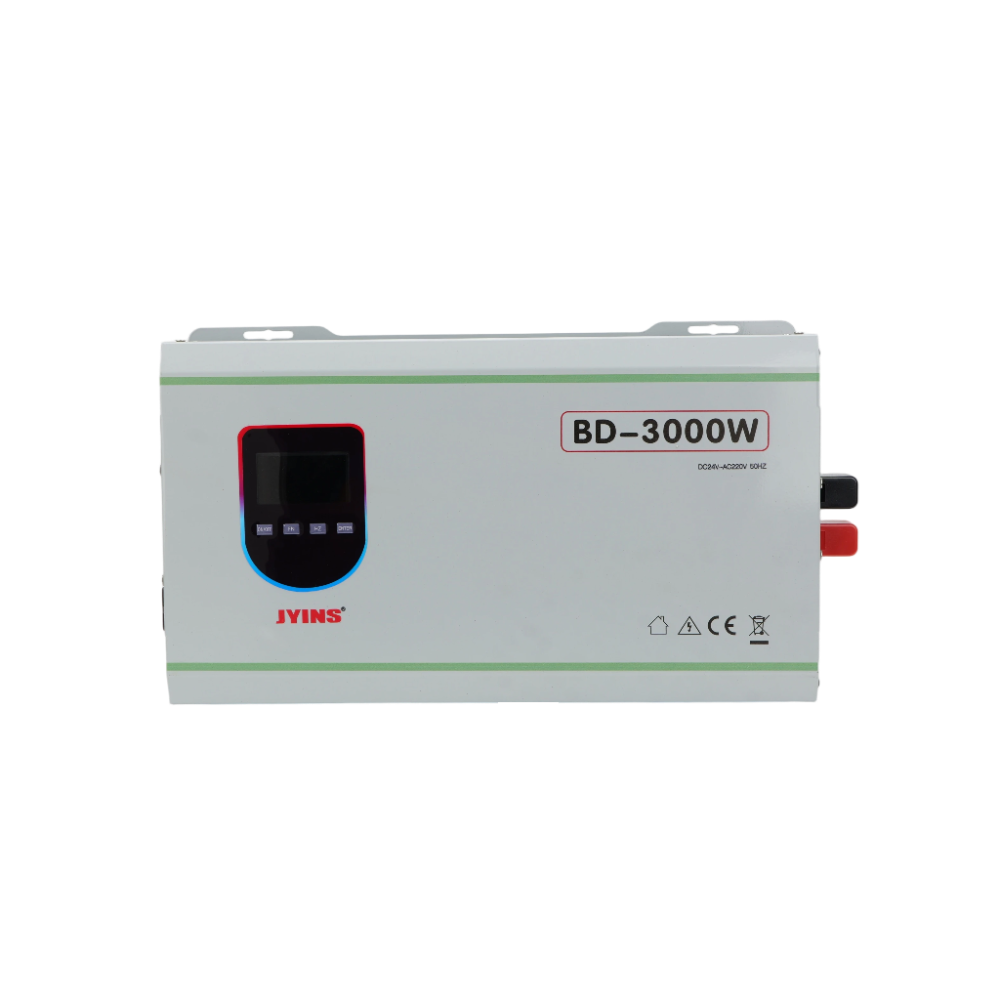
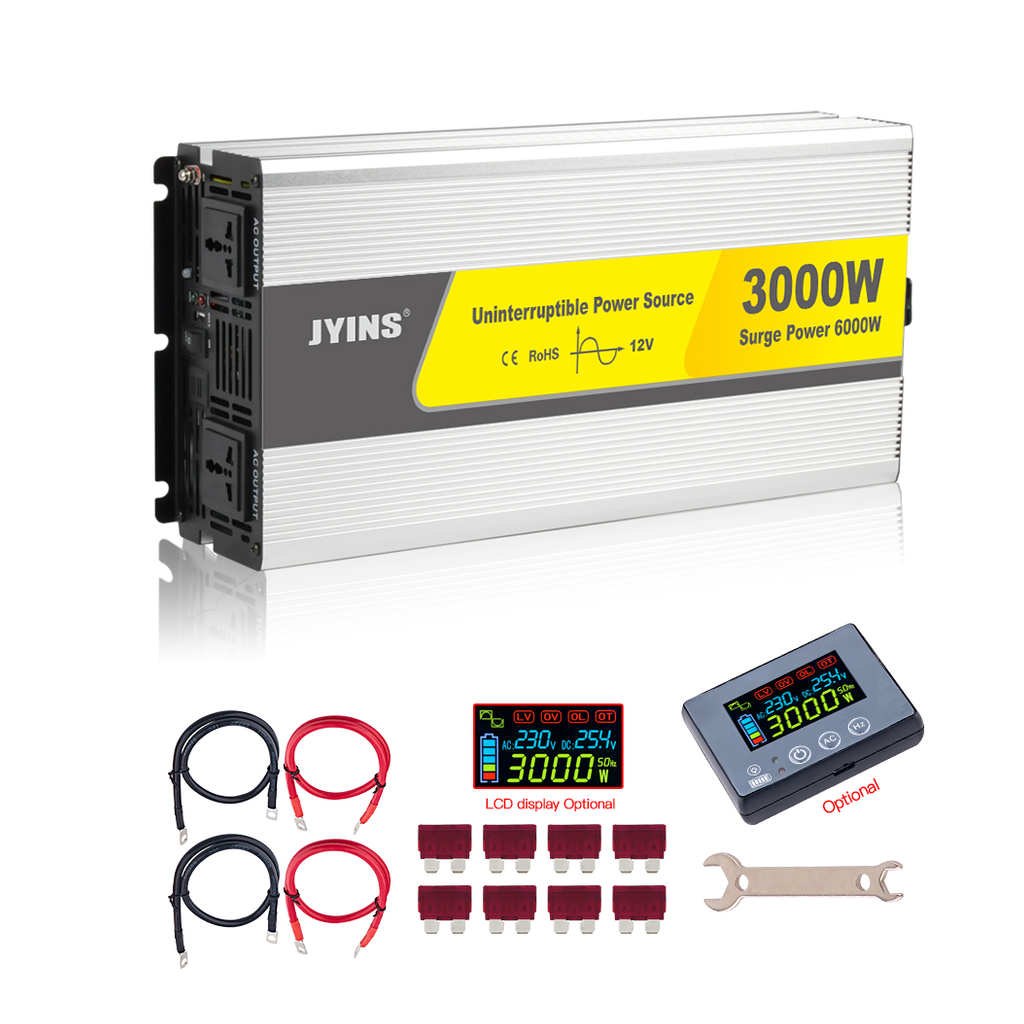
A 3000W inverter  charger is a  crucial component for various  off-grid power systems,  converting DC power from batteries into AC  power for household  use  and  simultaneously recharging the batteries. For  B2B buyers, including  purchasing  managers and engineers,  the quality, reliability, and  suitability of these  inverters are essential  considerations. This article  will guide you through  evaluating  these devices, ensuring you make informed decisions for bulk orders and industrial  applications.
 
Where to Source Reliable 3000W Inverter Chargers for Wholesale Buyers

Where to Source Reliable 3000W Inverter Chargers for Wholesale Buyers

For wholesale buyers looking to source 3000W inverter chargers, your best  options often include reputable manufacturers and distributors known for their reliability  and quality assurance.  Start by evaluating  companies with a strong track record in  the solar industry, such as Zhejiang Jyins Electrical Co., LTD, which has been producing high-quality off-grid  solar products since 1993. Check  their production capabilities and whether they offer customization  options  that align with your specific  needs.

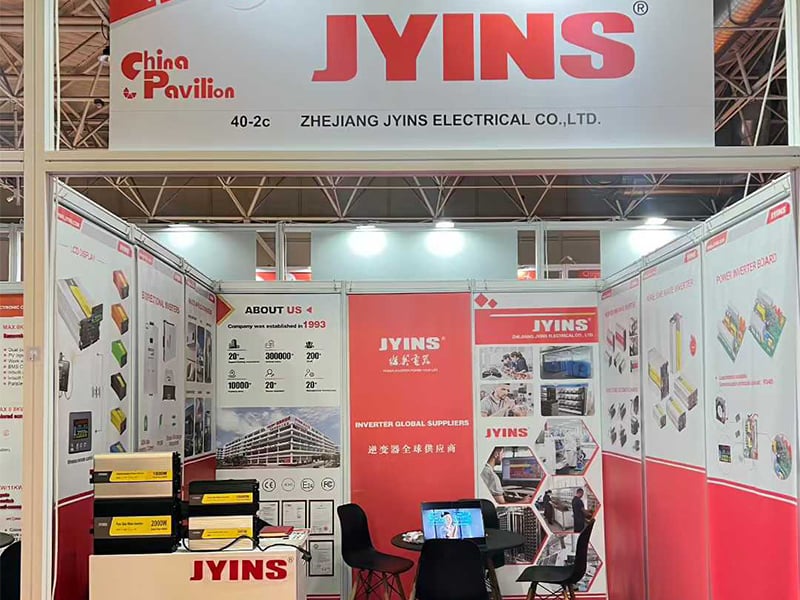
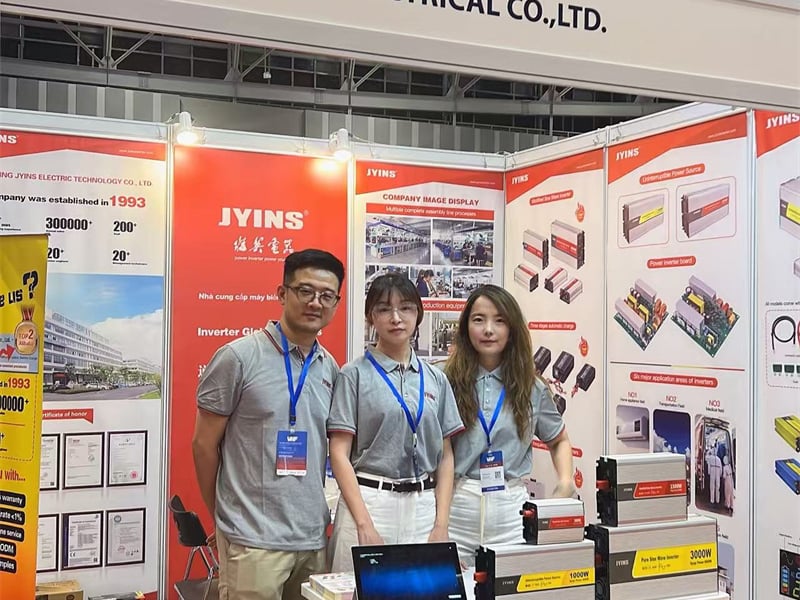
Additionally, consider attending industry  trade shows or exhibitions where manufacturers  showcase  their  products.  This  allows you  to meet suppliers face-to-face, discuss your requirements, and  evaluate their  offerings firsthand. Online platforms and marketplaces can also provide access to a broader range of suppliers, but verify their credentials and reviews before placing large  orders.
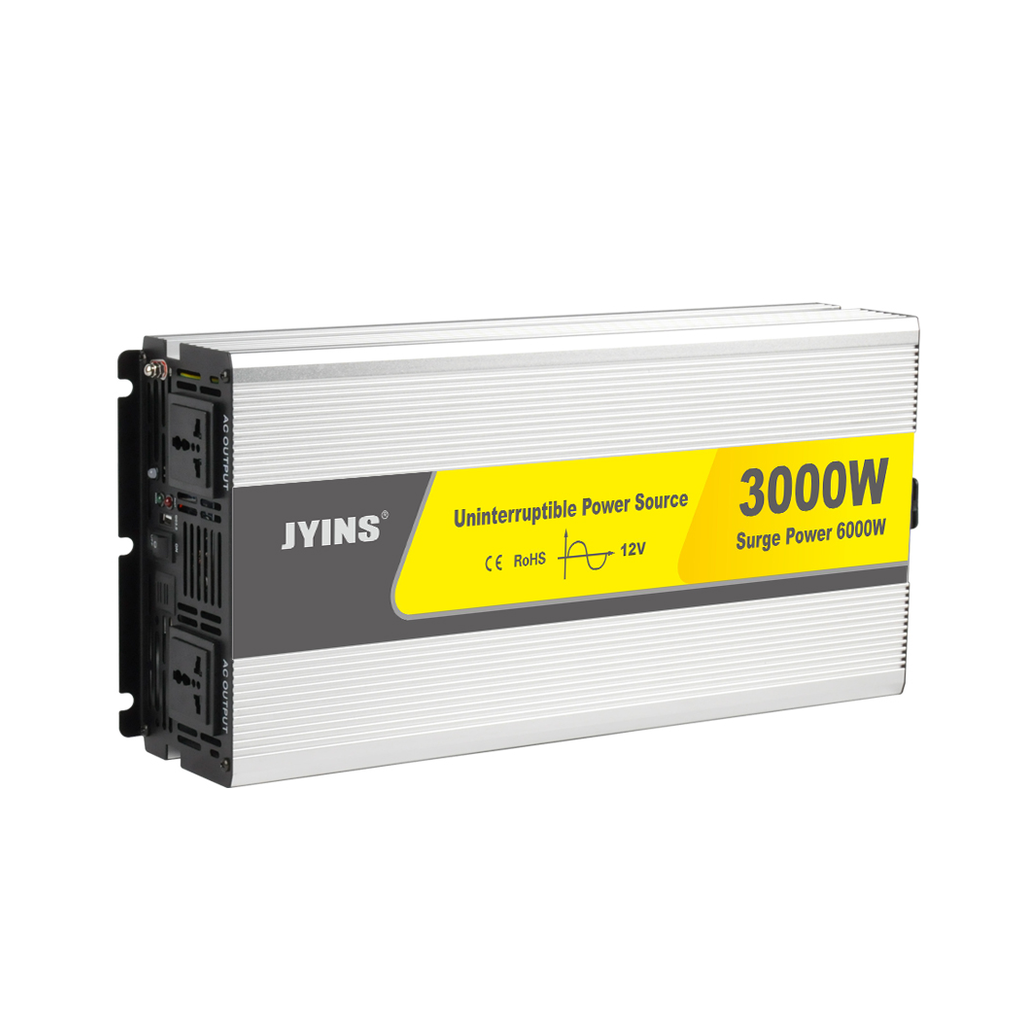
Key Specifications to Compare in 3000W Inverter Chargers for Contractors

Key Specifications to Compare in 3000W Inverter Chargers for Contractors

When comparing 3000W inverter chargers, focus on key specifications that affect performance and suitability for specific applications. Important specifications  include:

Output Waveform: Determine whether the inverter produces  a pure  sine wave or modified sine wave output. Pure sine wave inverters are often preferred for sensitive electronics, while modified sine wave inverters may  suffice for less demanding applications.

Input Voltage and Frequency: Ensure the inverter is compatible with  the voltage  and frequency of your power source.  Common input voltages include 12V, 24V, or 48V DC.

Efficiency Rating: Look for inverters with high efficiency,  ideally  above 90%. Higher efficiency means less energy loss during the  conversion process, leading to better overall performance.

Peak Power Rating: Consider the surge capability, which indicates how much power the inverter can provide during short bursts to  start  appliances. This is crucial for  devices with high starting currents.

Protection Features: Evaluate safety features such as short circuit protection, overload protection, and  thermal shutdown  capabilities,  which  help prevent damage to  both the inverter and connected devices.

By comparing these specifications, contractors can ensure  they select the most suitable  inverter for their projects.

Common Installation Challenges with 3000W Inverter Chargers and Solutions

Common Installation Challenges with 3000W Inverter Chargers and Solutions

Installing a 3000W inverter  charger  can present several challenges that require careful consideration. One common  issue is ensuring proper ventilation. Inverters generate heat during operation, and inadequate airflow can lead  to overheating. To  mitigate this, install the inverter in  a well-ventilated area and consider adding cooling fans if  necessary.

Another challenge is  the correct wiring and connection to batteries and loads.  Ensure that the wiring gauge is appropriate  for the current being  carried,  as undersized wires can lead to  voltage drops and overheating. Consult the inverter’s manual for recommended wire sizes and installation guidelines.

Additionally, buyers  should  be  aware of potential compatibility issues with existing electrical systems. It’s essential to confirm that the  inverter’s output specifications match the requirements of the devices it will power. If uncertainty exists,  consulting with a qualified electrician can help avoid costly  installation errors.


Applications of 3000W Inverter Chargers in Industrial Settings and Projects

3000W inverter chargers find  diverse  applications  across industrial settings, particularly in off-grid  and backup power  systems. They are  commonly used  in  construction sites, remote research facilities, and agricultural operations where reliable electricity is essential but grid access is limited.

In construction, these inverters power tools and equipment, providing flexibility in  locations without direct electrical  access. In agricultural settings, they can support irrigation systems and other critical operations, ensuring consistent performance even in  the  absence of grid power.

Moreover,  3000W inverter chargers  are increasingly used  in renewable energy systems, particularly those integrating solar panels. They can efficiently convert stored energy from solar batteries into usable AC power, enabling businesses to reduce reliance on conventional energy  sources and  lower operational costs. For instance, the Hisolar JYMU 1000W Modified Sine Wave Uninterruptible Power System is an excellent example of a product that meets these needs.

By understanding  these applications, B2B buyers can better assess how 3000W inverter chargers  can benefit  their operations and projects.

How to Evaluate the Quality of 3000W Inverter Chargers for Bulk Orders

When assessing the  quality of 3000W inverter chargers, it’s important to consider several factors that can impact performance and reliability. First, examine the materials used  in manufacturing. High-quality inverters often utilize durable components  that can withstand harsh operating conditions and have a longer lifespan. Look for inverters with robust casings and heat  dissipation features to prevent  overheating  during  operation.


Next, consider the certifications and quality assurance processes in place at the  manufacturing facility. For example,  manufacturers adhering to international ISO9000  standards typically maintain rigorous quality control, ensuring that each unit  meets specified performance criteria. Ask for documentation that verifies these certifications and details  the  testing processes used before products are shipped.

Finally, review customer  feedback and case studies to understand the performance of the inverter chargers in real-world  applications.  This can provide insights  into any common issues, ease of installation, and overall  satisfaction among users.


Our Blog Posts

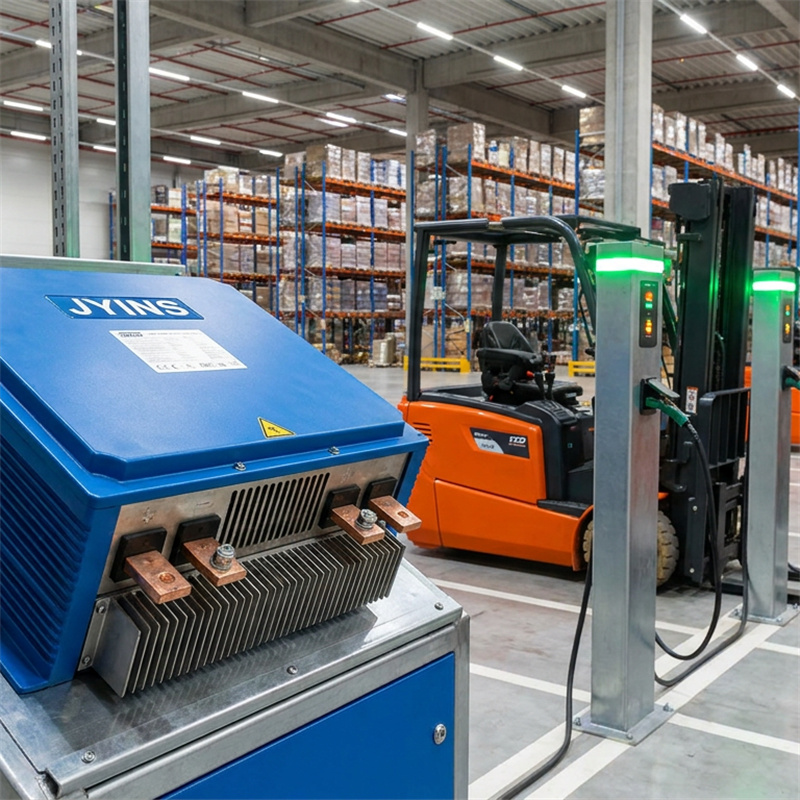
Designing power conversion for Electric Forklift Charging Stations in large distribution centers.

25

Jun

Designing power conversion for Electric Forklift Charging Stations in large distribution centers.

Q: Designing power conversion for Electric Forklift Charging Stations in large distribution centers. Introduction: The Electrification of Logistics Infrastructure In modern supply chain management, large-scale distribution centers and logistics hubs ...
View More
Analyzing the ROI of 'Remote Monitoring' dashboards for B2B fleet power management

25

Jun

Analyzing the ROI of 'Remote Monitoring' dashboards for B2B fleet power management

Introduction: The Modern B2B Fleet and Its Power Needs For commercial service fleets, mobile medical clinics, utility repair trucks, and long-haul logistics providers, vehicles are no longer just a means of transportation. They have transformed into ...
View More
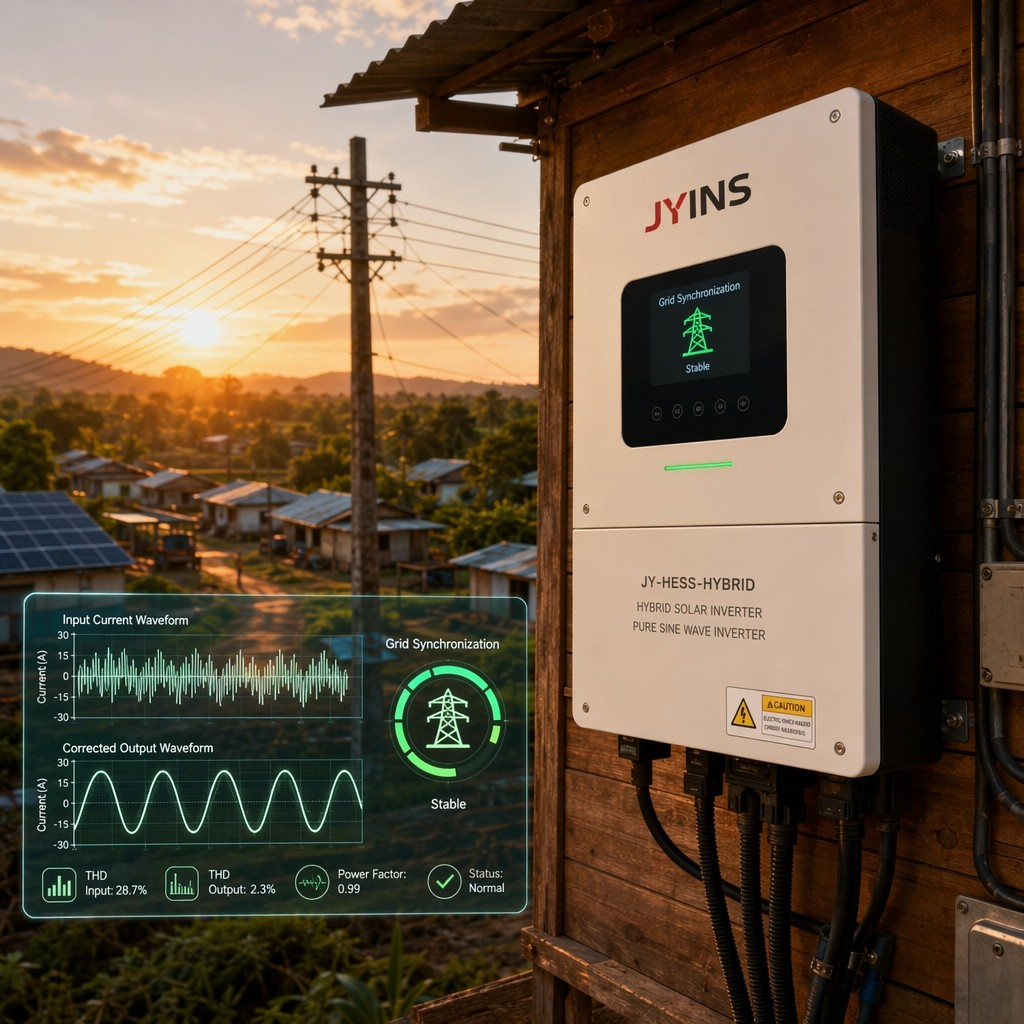
How to Troubleshoot Phase-Locked Loop (PLL) Synchronization Errors in Unstable or Weak Rural Microgrids?

10

Sep

How to Troubleshoot Phase-Locked Loop (PLL) Synchronization Errors in Unstable or Weak Rural Microgrids?

Q: How do you troubleshoot phase-locked loop (PLL) synchronization errors in unstable or weak rural microgrids? A: In many remote rural areas or emerging-market microgrid projects, grid quality is often extremely poor. These grids are commonly referr...
View More
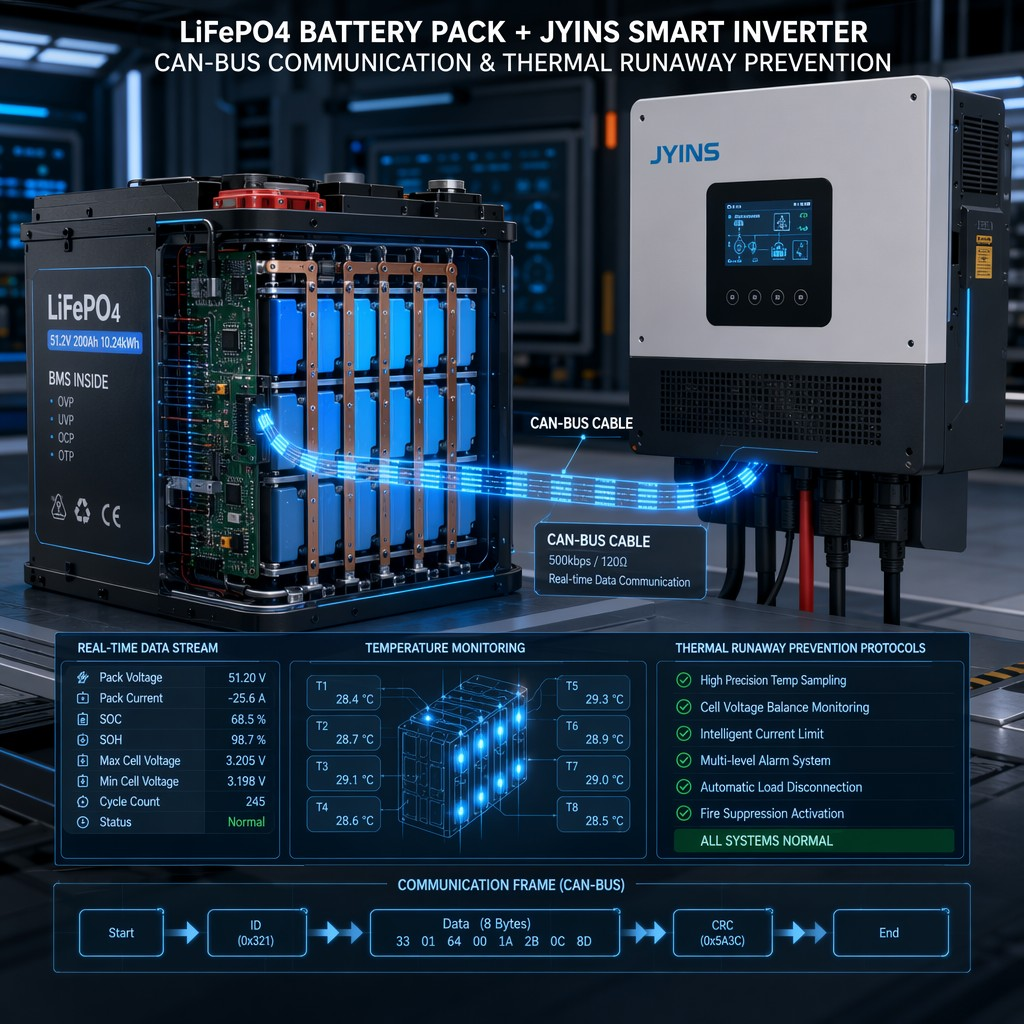
Managing LiFePO4 Battery Pack Thermal Runaway Prevention Through a Smart Inverter and BMS Protocol Handshake

10

Sep

Managing LiFePO4 Battery Pack Thermal Runaway Prevention Through a Smart Inverter and BMS Protocol Handshake

Q: What are the key steps in managing LiFePO4 battery pack thermal runaway prevention through a smart inverter and BMS protocol handshake? A: As lithium iron phosphate (LiFePO4) batteries are widely adopted in B2B energy storage projects, battery saf...
View More

Get a Free Quote

Our representative will contact you soon.
Email
Mobile
Name
Company Name
Products of Interest
Message
0/1000
Evaluating 3000W Inverter Chargers for Bulk Orders

Get a Free Quote

Our representative will contact you soon.
Email
Mobile
Name
Company Name
Products of Interest
Message
0/1000