EN


Power harmonic filters are essential components in modern electrical systems, designed to mitigate harmonic distortion generated by non-linear loads. For B2B buyers—such as purchasing managers, engineers, and product managers—the selection, quality evaluation, and installation of these filters are critical aspects that can significantly impact system performance and compliance with regulatory standards. This article aims to provide a comprehensive understanding of power harmonic filters, addressing key considerations for wholesale purchases, quality evaluation, supplier reliability, installation guidance, and common issues that may arise.
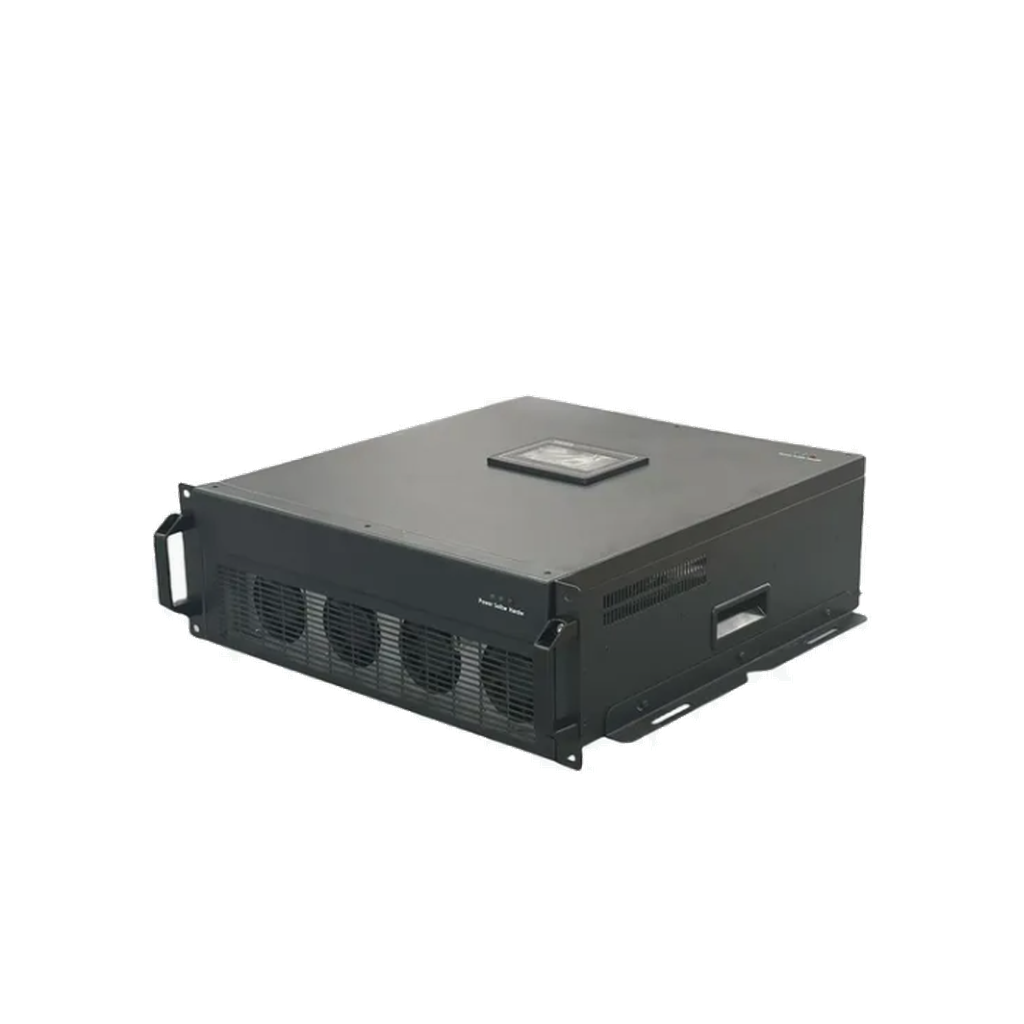
How to Evaluate the Quality of Power Harmonic Filters for Projects
Evaluating the quality of power harmonic filters involves inspecting several key parameters. Look for certifications that indicate compliance with international quality standards, such as ISO9000, which ensures consistent quality assurance processes during manufacturing. This adherence not only confirms the product's reliability but also reflects the manufacturer's commitment to quality.
Additionally, review the technical specifications provided by the manufacturer. Key specifications include the rated voltage, current capacity, and frequency response. Understanding these parameters helps ensure that the filter will operate effectively within the intended system conditions. For example, an undersized filter may not adequately suppress harmonics, leading to increased electrical losses and equipment damage.
Moreover, conducting a thorough quality inspection before mass production is essential. Buyers should request samples to test under operational conditions, ensuring that the filter meets performance expectations. It's advisable to evaluate factors such as thermal management and electromagnetic compatibility, as these can significantly influence the filter's longevity and effectiveness in real-world applications.