Choosing the Right Auto 12 Volt Battery Charger

Get a Free Quote

Our representative will contact you soon.
Email
Mobile
Name
Company Name
Products of Interest
Message
0/1000

Auto 12 volt battery charger

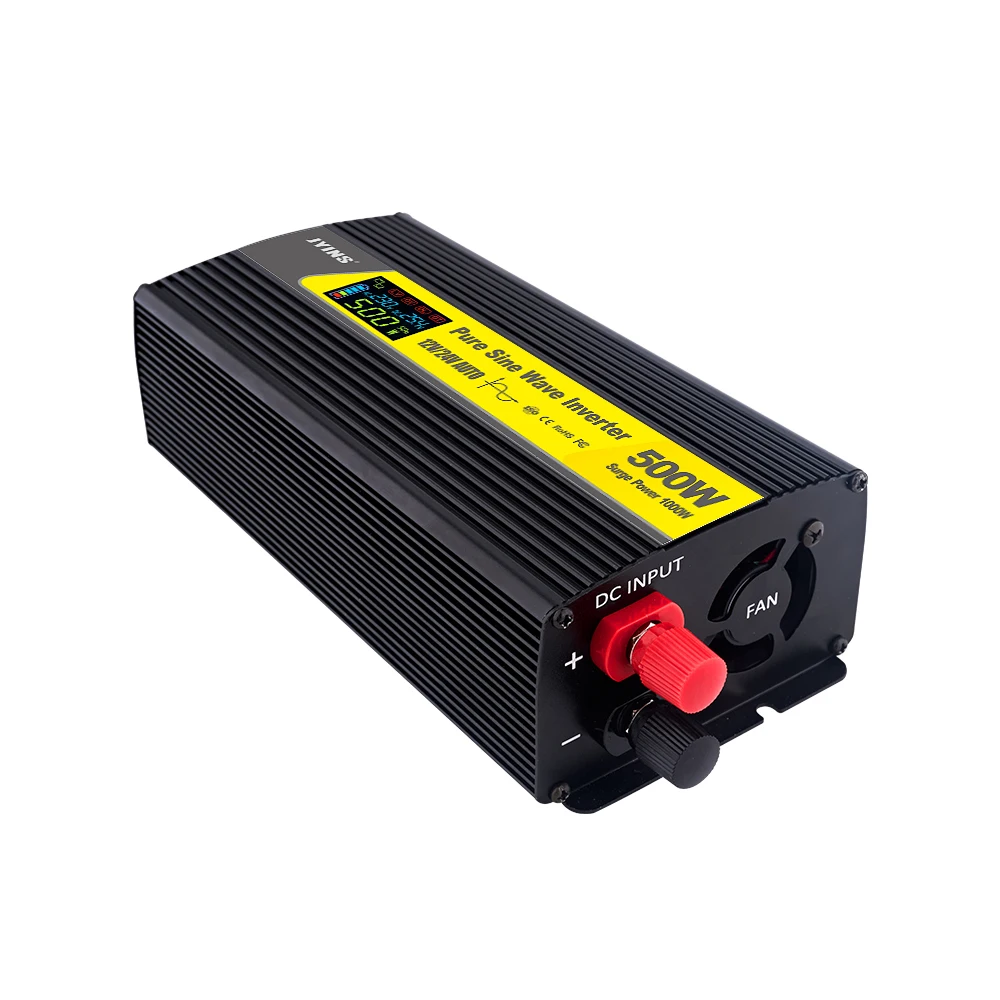
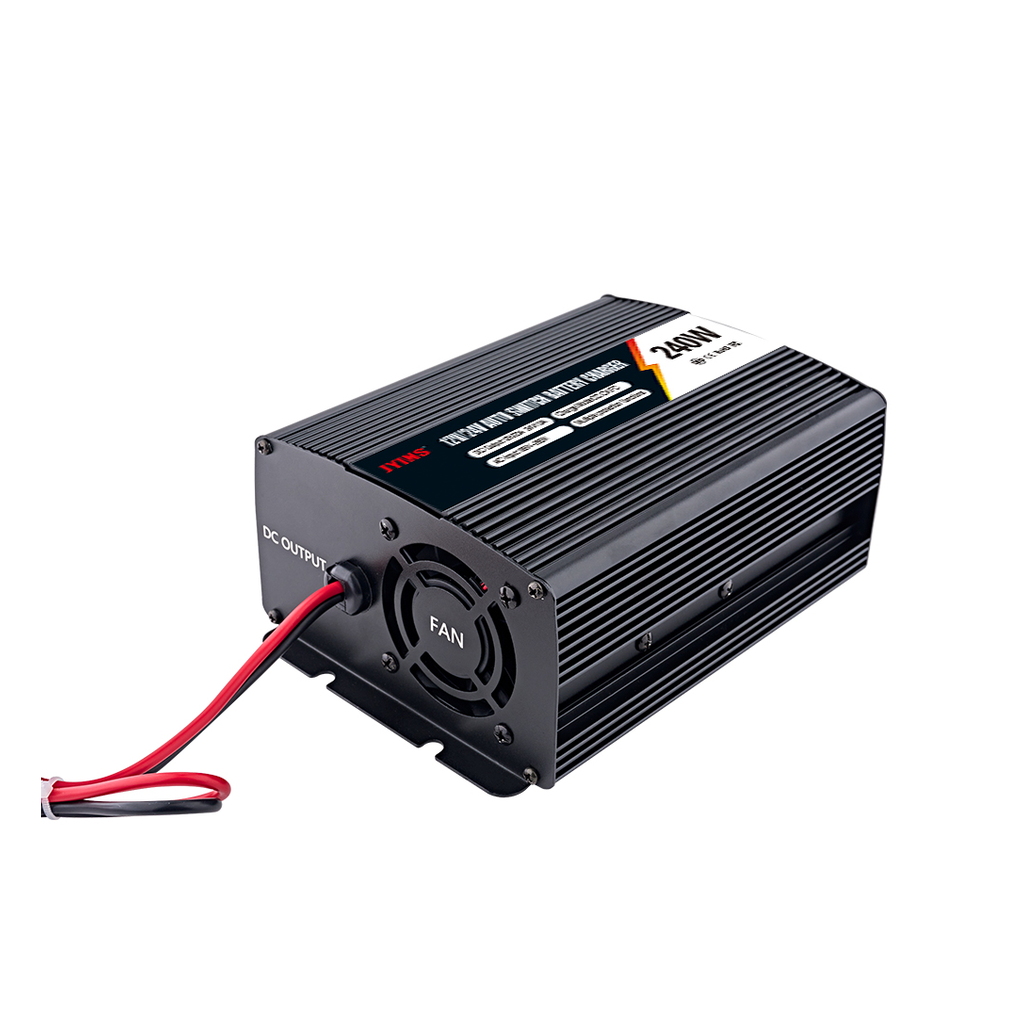
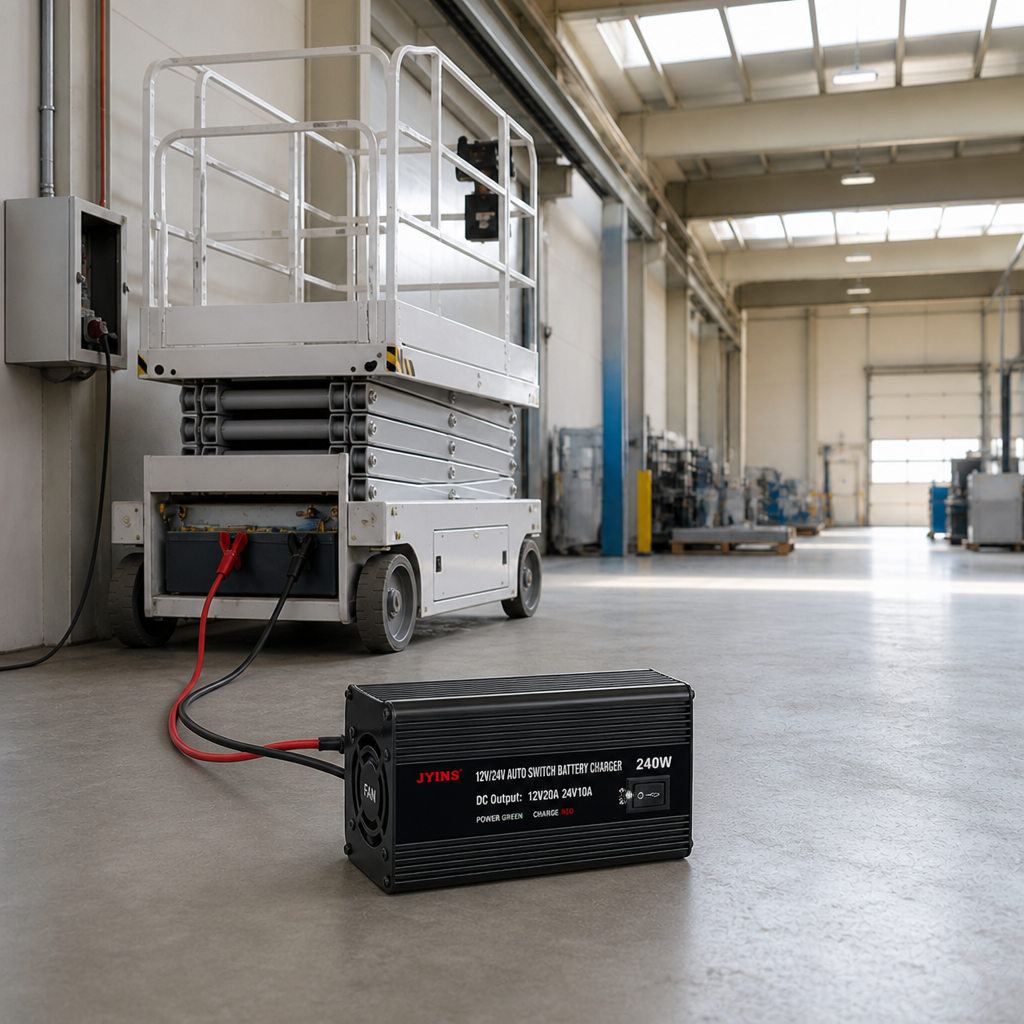
Understanding the intricacies of selecting the right auto 12 volt battery charger is essential for businesses in various sectors, from automotive to commercial equipment. This article will address common concerns among B2B buyers, such as compatibility, specifications, and supplier reliability. By following this guide, purchasing managers and engineers can make informed decisions that align with their operational needs. 

Our Products

Where to Find Reliable Suppliers for Auto 12 Volt Battery Chargers

Where to Find Reliable Suppliers for Auto 12 Volt Battery Chargers

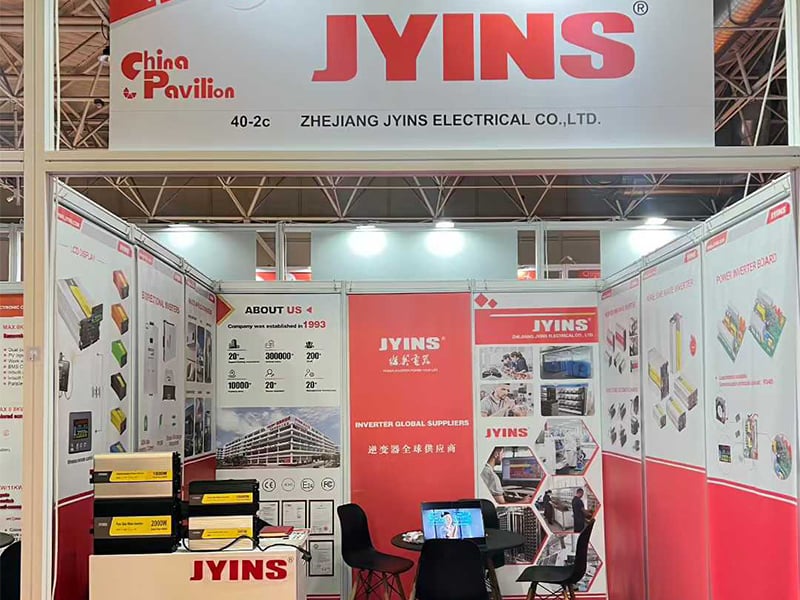
Finding dependable suppliers is vital for ensuring consistent product quality and availability. Begin by researching manufacturers who specialize in automotive or industrial electrical products. A company like Jyins Electrical Co., LTD, known for its adherence to international ISO9000 standards, can provide reliable options. Look for reliable suppliers for auto 12 volt battery charger with a solid reputation in the industry, positive customer feedback, and a history of fulfilling orders on time. 

Trade shows and industry expos can also be invaluable for connecting with reliable suppliers for auto 12 volt battery chargers. These events allow you to see products firsthand, discuss key specifications for auto 12 volt battery chargers, and evaluate potential partners in a more personal setting. Additionally, utilizing online marketplaces that focus on B2B transactions can provide access to a broader range of suppliers and products. 
Key Specifications to Consider for Auto 12 Volt Battery Chargers

Key Specifications to Consider for Auto 12 Volt Battery Chargers

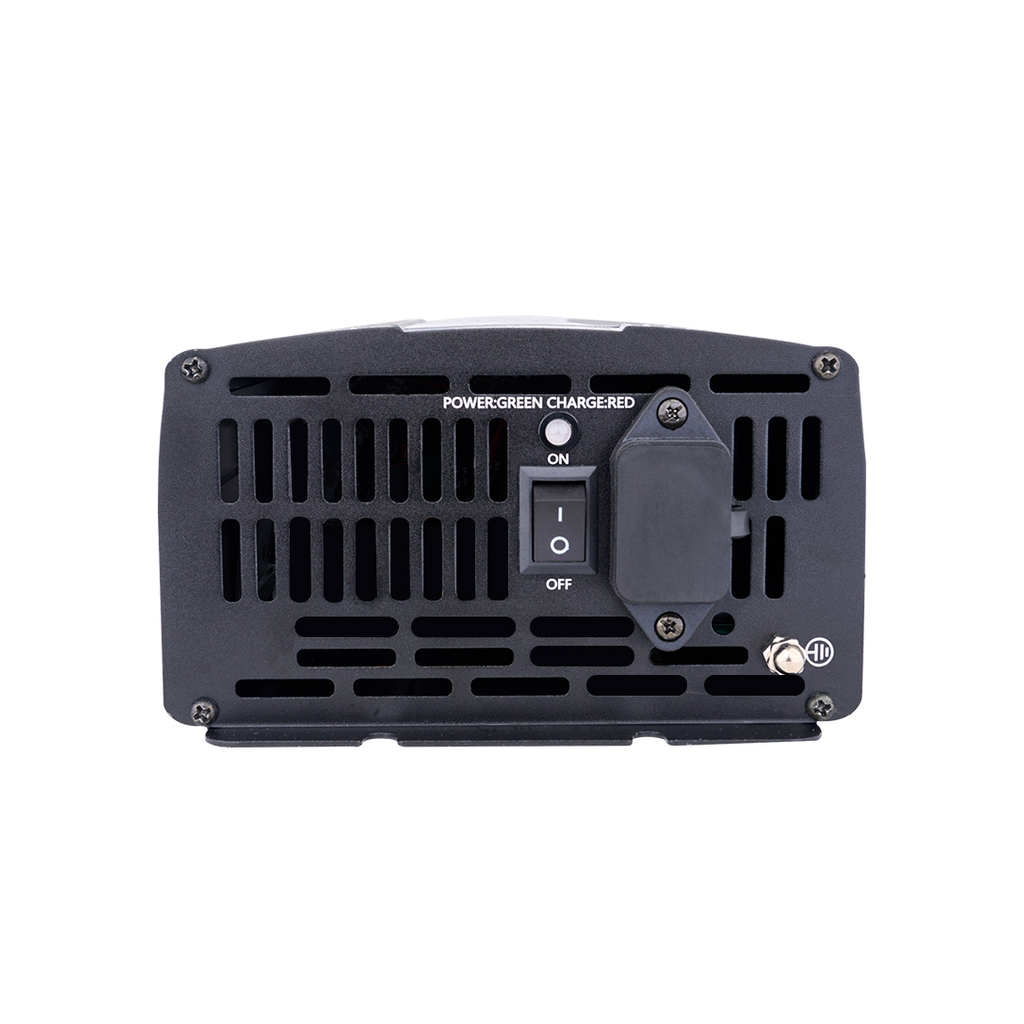
Understanding the key specifications of auto 12 volt battery chargers will help you make an informed purchase decision. Here are some critical parameters to evaluate: 

Output Amperage: The charger’s output amperage determines how quickly it can charge a battery. Higher amperage can lead to faster charging but may not be suitable for all battery types. 

Charging Modes: Look for reliable suppliers for auto 12 volt battery charger and inverter that offer multiple charging modes, including trickle charge and fast charge options. This flexibility allows you to choose the best method for your battery's condition. 

Safety Features: Ensure the charger has built-in safety mechanisms such as reverse polarity protection, thermal protection, and automatic shut-off to prevent damage to both the charger and the battery. 

Durability: Consider the materials used in the charger’s construction. High-quality, durable materials will withstand industrial environments better than cheaper alternatives. 

Certifications: Verify that the charger meets relevant industry certifications for safety and performance, which can be indicative of quality assurance practices in manufacturing. 

Installation Guidance for Efficient Use of Auto 12 Volt Battery Chargers

Installation Guidance for Efficient Use of Auto 12 Volt Battery Chargers

Proper installation of auto 12 volt battery chargers is essential to ensure efficiency and safety. Start by thoroughly reviewing the manufacturer's installation guidance for auto 12 volt battery chargers. Here are some key considerations: 

Location: Install the charger in a dry, well-ventilated area to prevent overheating. Avoid locations exposed to extreme temperatures or moisture. 

Wiring: Ensure that the wiring is appropriately rated for the charger’s output to prevent overheating and potential fire hazards. Use high-quality connectors and cables to maintain a secure connection. 

Testing: Before using the charger on your batteries, test it with a multimeter to ensure it outputs the correct voltage and amperage. This step is crucial for identifying any potential issues that could affect performance. 

Regular Maintenance: Schedule regular maintenance checks to inspect the charger for wear and tear. Clean the terminals and connections periodically to ensure optimal performance. 

Cost Factors to Consider When Purchasing Auto 12 Volt Battery Chargers

When budgeting for auto 12 volt battery chargers, several cost factors come into play. First, consider the initial purchase price, which can vary based on features and specifications. However, the cheapest option may not always be the most cost-effective in the long run. Here are some additional factors to consider: 

Total Cost of Ownership: Evaluate the charger’s efficiency and durability. A higher initial investment in a robust charger may yield lower operational costs over time due to reduced maintenance and replacement frequency. 

Volume Discounts: If you plan to purchase multiple units, inquire about bulk pricing or discounts. Many manufacturers offer reduced rates for larger orders. 

Shipping and Handling: Factor in shipping costs when comparing reliable suppliers for auto 12 volt battery charger. Some suppliers including Jyins may have lower prices but higher shipping fees that could affect the overall cost. 

Warranty and Support: Assess the warranty provided by the manufacturer. A longer warranty period can indicate confidence in the product’s longevity and reduce future replacement costs. 

Customization: If your application requires specific features or configurations, be aware that customization may increase the unit price. Discuss your needs with the supplier to understand the potential cost implications. 

By keeping these considerations in mind, buyers can ensure that they select the right reliable suppliers for auto 12 volt battery charger for lithium batteries that meets their operational demands while also fitting within their budget constraints. 

Choosing the Right Auto 12 Volt Battery Charger for Your Needs

When selecting an auto 12 volt battery charger, consider the specific requirements of your application. Whether you are charging automotive batteries, marine batteries, or batteries used in commercial equipment, compatibility is crucial. Jyins ensure that the charger is designed for the battery type you are using, as different batteries—such as lead-acid, lithium-ion, or AGM—require specific charging profiles. 

Look for features such as smart charging technology, which can automatically adjust the charging rate based on the battery's state. This not only enhances the battery's lifespan but also ensures safety during the charging process. Consider chargers with built-in protections against overcharging, overheating, and short circuits, which are common concerns in industrial settings.  

Frequently Asked Questions

What is the auto 12 volt battery charger used for?

The charger safely charges and maintains 12V lead-acid and AGM batteries for vehicles, marine, RV, solar storage, and backup systems. It supports off-grid applications and regular battery maintenance.
Yes. It supports common 12V battery types including flooded lead-acid, gel and AGM. Check product specs for any specialty chemistries or deep-cycle differences before use.
Built-in protections include overcharge, short circuit, reverse polarity, overvoltage, and overheat safeguards to ensure safe, long-lasting battery charging.
Connect positive to positive and negative to negative, ensure proper ventilation, then power on. Follow the user manual for mode selection and charging indicators. For solar/off-grid setups, follow system wiring instructions.
Manufactured under ISO9000-aligned processes with experienced engineering oversight. Warranty terms vary by model; contact support for specific coverage and service details.

Our Blog Posts

Why JYINS Leads in Custom Bidirectional inverter PCB boards Manufacturing

01

Apr

Why JYINS Leads in Custom Bidirectional inverter PCB boards Manufacturing

JYINS is company that really stands out in making custom bidirectional inverter PCB boards. These PCBs they are very important pieces that control energy flow in things like solar inverters and electric cars. JYINS use special methods and tools to ma...
View More
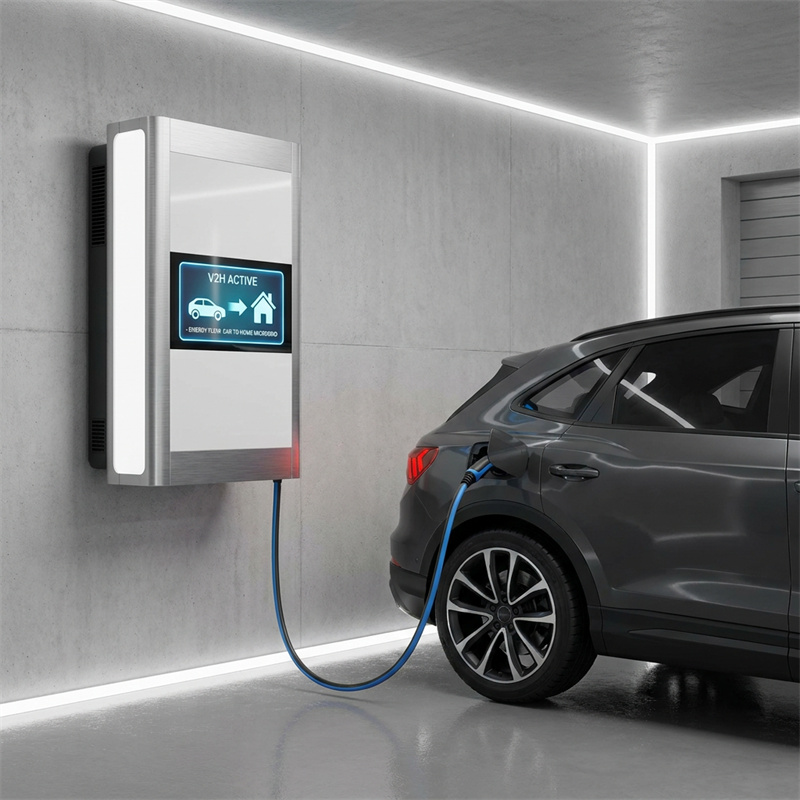
Engineering Bidirectional V2H Inverters for Modern Residential Microgrids

24

Jun

Engineering Bidirectional V2H Inverters for Modern Residential Microgrids

Introduction: The Rise of V2H in Residential Microgrid Architectures In the rapidly evolving landscape of residential energy management, future-tech architects and B2B housing project developers are moving beyond simple solar photovoltaic installatio...
View More
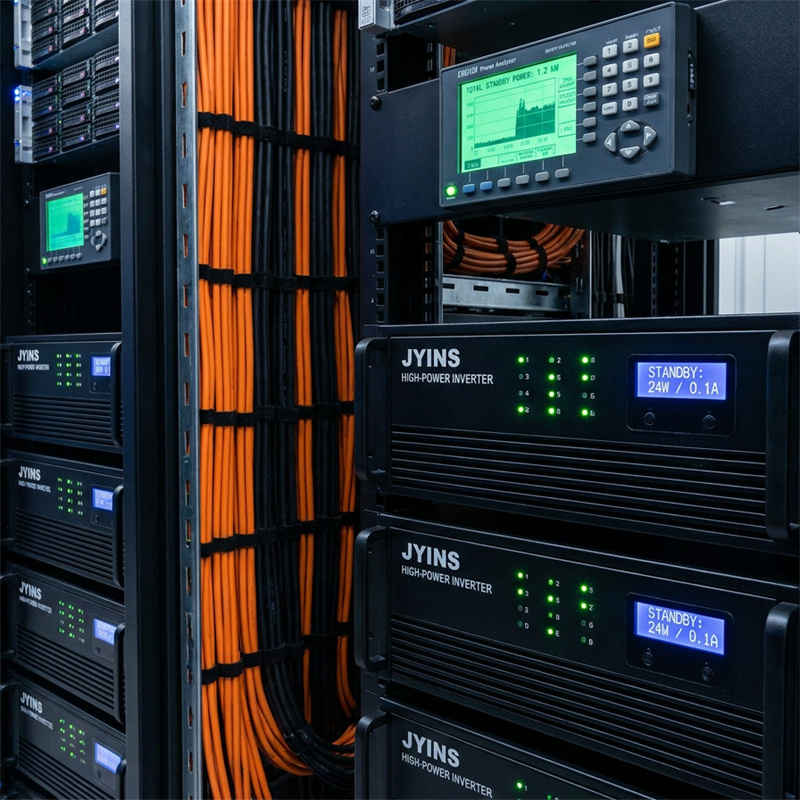
Resolving 'Ghost Power Consumption' in standby mode for large-scale B2B inverter installations.

25

Jun

Resolving 'Ghost Power Consumption' in standby mode for large-scale B2B inverter installations.

Introduction to Inverter Standby Losses In large-scale commercial, industrial, and utility-scale battery energy storage systems (BESS), efficiency is calculated to the tenth of a percent. While a lot of attention is focused on the conversion efficien...
View More
Inverter requirements for Mobile Satellite Communication Units: Minimizing EMI/RFI noise.

25

Jun

Inverter requirements for Mobile Satellite Communication Units: Minimizing EMI/RFI noise.

Q: Inverter requirements for Mobile Satellite Communication Units: Minimizing EMI/RFI noise. Introduction: The Critical Challenge of Powering Mobile SatCom Units Mobile Satellite Communication Units, including emergency command vehicles, outside broa...
View More

Get a Free Quote

Our representative will contact you soon.
Email
Mobile
Name
Company Name
Products of Interest
Message
0/1000
Choosing the Right Auto 12 Volt Battery Charger

Get a Free Quote

Our representative will contact you soon.
Email
Mobile
Name
Company Name
Products of Interest
Message
0/1000