EN


When considering a reliable power solution, a 1000W inverter with charger can be an ideal choice for businesses looking to ensure uninterrupted power supply, especially in off-grid environments. This article delves into the essential considerations for selecting a 1000W inverter with charger, targeting purchasing managers, engineers, and product managers who prioritize efficiency and reliability. We will explore key specifications, installation guidance, common issues, and cost factors, equipping you with the knowledge to make informed purchasing decisions.
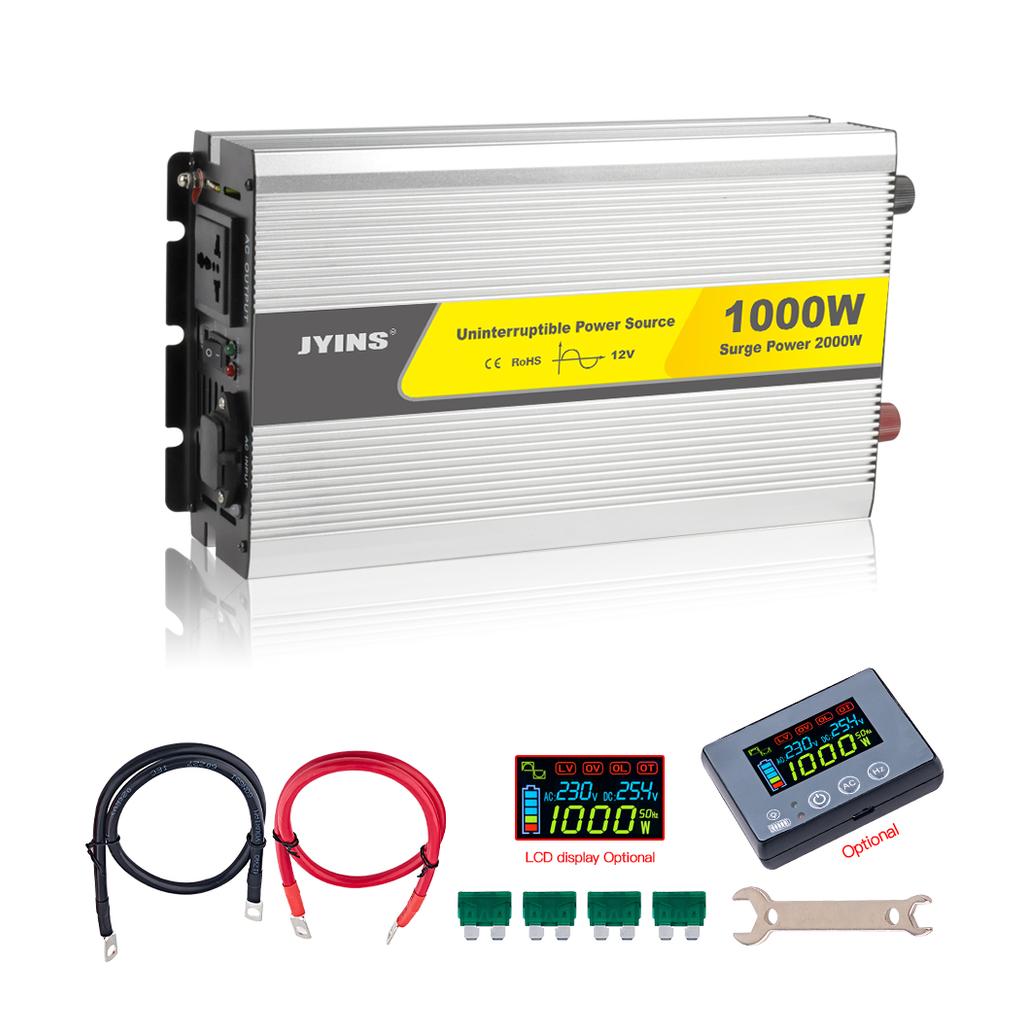
Technical Specifications to Review for 1000W Inverters
When reviewing technical specifications for 1000W inverters, focus on the following key parameters:
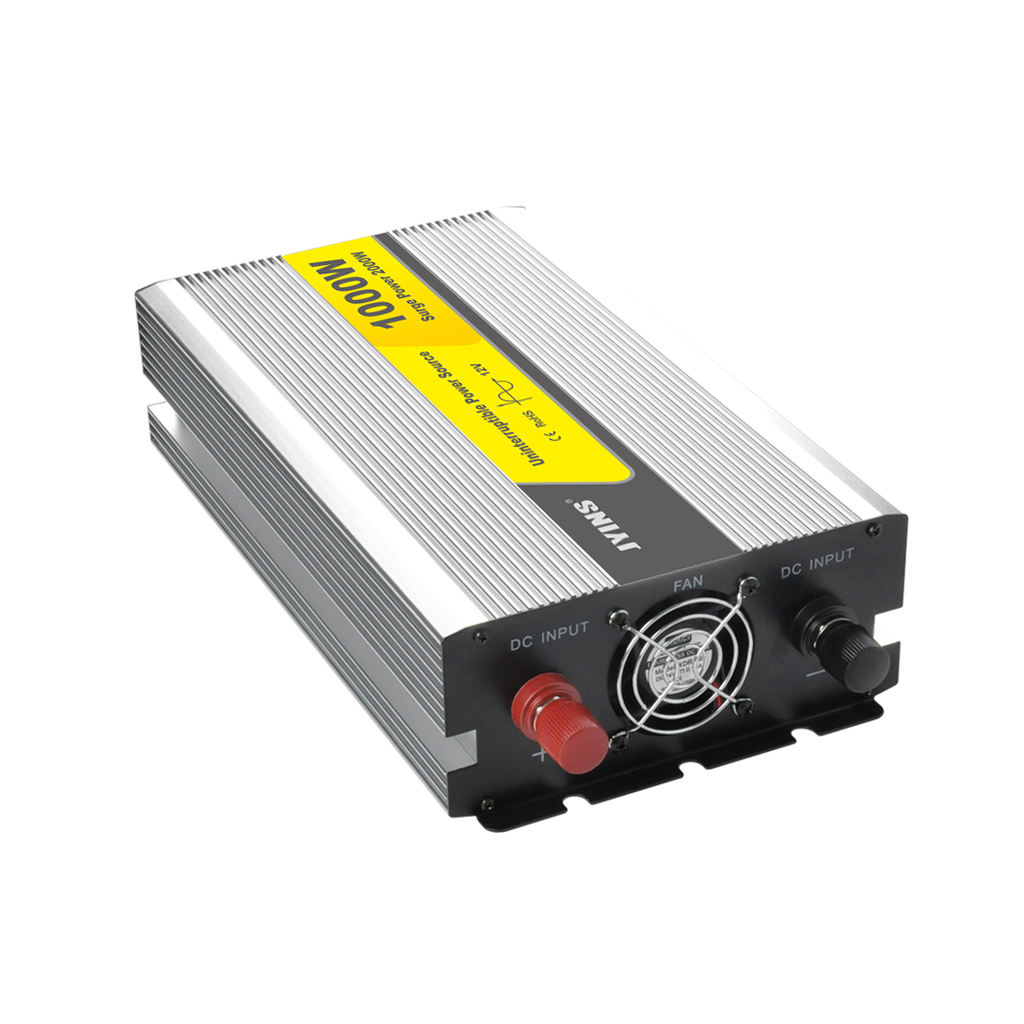
Input Voltage: Common input voltages include 12V, 24V, and 48V. The choice depends on the battery system being used; for example, a 12V system is common for smaller setups, while 24V or 48V systems are often used for larger installations to reduce current and improve efficiency.
Output Voltage: Ensure the inverter's output voltage matches your equipment requirements, typically 120V or 230V, depending on your geographical location.
Efficiency Rating: Look for inverters with an efficiency rating above 90%. This ensures minimal energy loss and better performance.
Cooling Mechanisms: Inverters can generate heat during operation. Check for built-in cooling fans or heat sinks to prevent overheating and ensure longevity.
Protection Features: Essential protective features include overload protection, short circuit protection, and thermal protection. These features safeguard both the inverter and connected devices, reducing the risk of damage.
Certification and Standards: Verify that the inverter adheres to industry standards, such as CE or UL certifications, which indicate compliance with safety and performance benchmarks.