Smart Car Battery Charger Specifications and Sourcing

Get a Free Quote

Our representative will contact you soon.
Email
Mobile
Name
Company Name
Products of Interest
Message
0/1000

Smart car battery charger

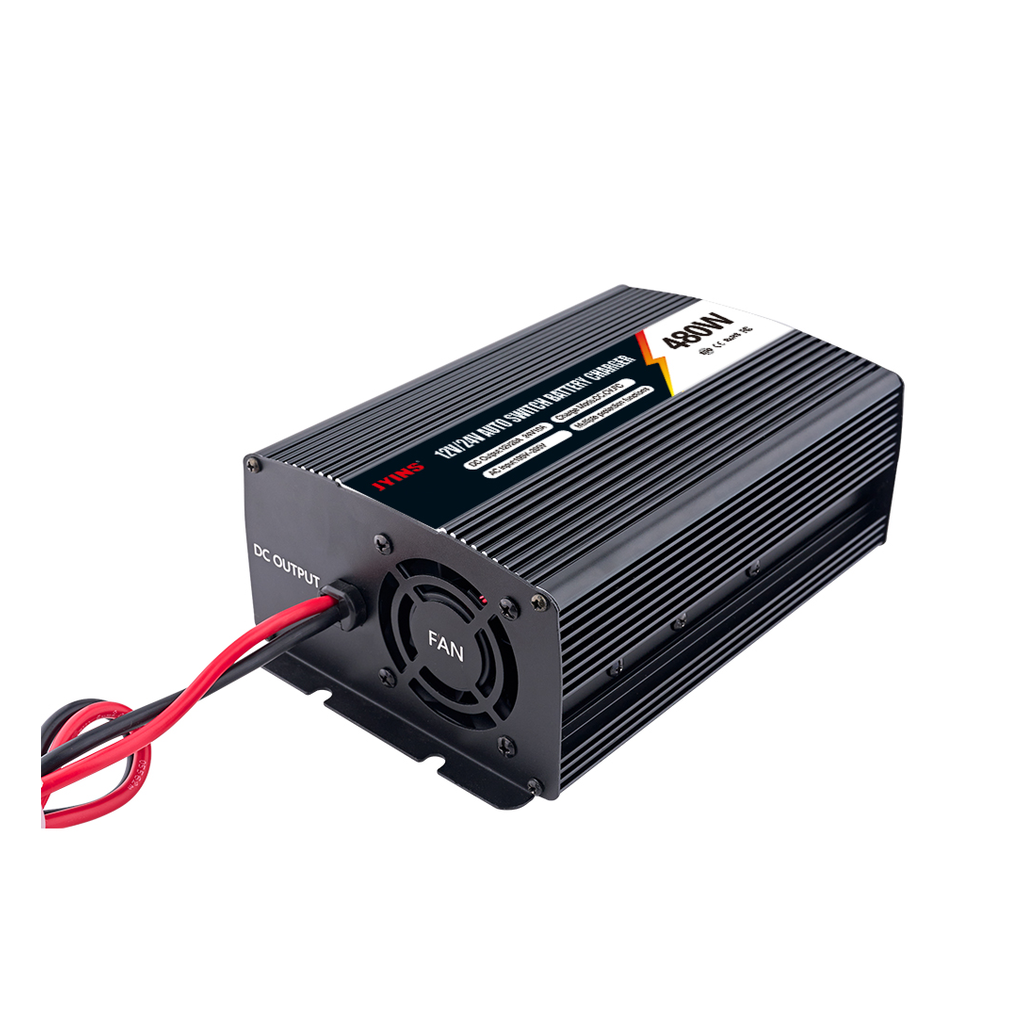
Smart car battery chargers are essential tools for maintaining vehicle battery health, especially in commercial applications. These Jyins devices offer advanced features that enhance charging efficiency and prolong battery life, making them critical for businesses that rely on a fleet of vehicles. Purchasing managers and distributors often seek reliable suppliers who can provide high-quality portable battery charger that meet their specific needs. This article will guide you through key specifications, common installation challenges, sourcing options, features, and cost considerations to help you make informed purchasing decisions.

Our Products

Common Installation Problems with Smart Car Battery Chargers and Solutions

Common Installation Problems with Smart Car Battery Chargers and Solutions

Installation of smart car battery chargers can pose challenges if not handled correctly. A common issue is incorrect connection polarity, which can damage both the charger and the vehicle. To mitigate this, ensure that users are trained to follow the manufacturer's guidelines for connecting the charger to the battery terminals, typically indicated by color-coded connectors (red for positive and black for negative). 

Another installation problem arises from inadequate ventilation. Smart chargers generate heat during the charging process, which can lead to overheating if placed in a confined space. To prevent this, install chargers in well-ventilated areas or use chargers designed with built-in cooling mechanisms. 

Lastly, inadequate power supply can hinder charger performance. Ensure that the outlet used for the charger can handle the required voltage and amperage to avoid tripping circuit breakers or damaging the charger. Implementing these solutions can enhance the reliability and efficiency of smart car battery charger installations.
Where to Source Smart Car Battery Chargers for Your Distribution Needs

Where to Source Smart Car Battery Chargers for Your Distribution Needs

Sourcing smart car battery chargers involves identifying reputable manufacturers that can meet your quality and supply requirements. Consider suppliers with established industry experience, such as Zhejiang Jyins Electrical Co., LTD, which has been producing high-quality electrical products since 1993. Their commitment to ISO9000 standards ensures that the chargers meet rigorous quality assurance protocols. 

Wholesale buyers should also evaluate local versus international suppliers. Local suppliers may offer reduced shipping times and costs, while international manufacturers might provide more competitive pricing and a broader range of products. It's essential to assess each supplier's capability to handle bulk orders and their responsiveness to customization requests, such as branding or specific feature modifications. 

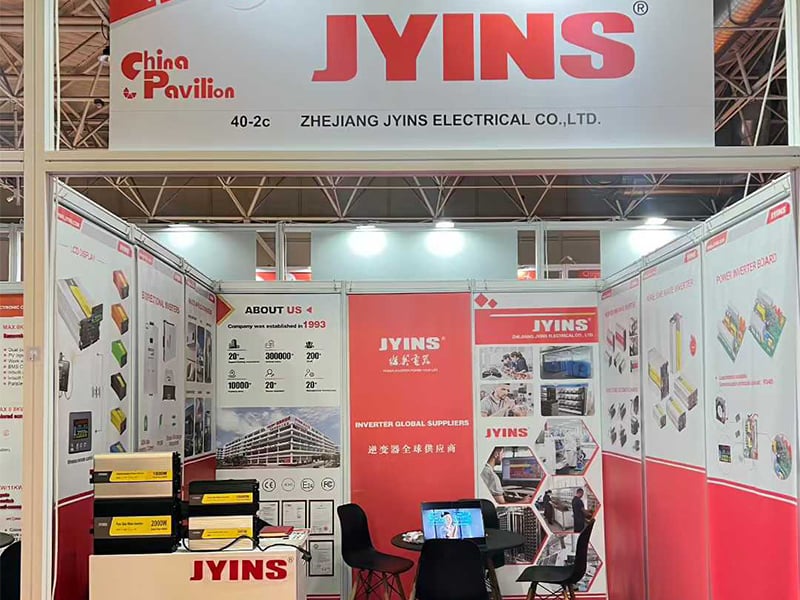
Additionally, participating in industry trade shows can facilitate connections with potential suppliers and allow you to evaluate products firsthand. Building relationships with manufacturers can lead to better pricing negotiations and more favorable terms.

Key Features and Benefits

Key Features and Benefits

Smart car battery chargers come equipped with a variety of features that enhance their usability and effectiveness. One notable feature is automatic shut-off, which prevents overcharging by disconnecting power once the battery reaches full charge. This not only protects the battery but also enhances safety. 

Another important feature is the ability to diagnose battery health. Many smart chargers include integrated diagnostics that can identify issues such as sulfation or capacity loss. This functionality allows users to take proactive measures, prolonging battery life and reducing long-term costs. 

Additionally, user-friendly interfaces with LED indicators provide real-time feedback on charging status, making it easier for users to monitor the charging process without needing extensive technical knowledge. These features contribute to the overall efficiency and reliability of lithium battery chargers, making them a valuable investment for businesses.

Cost Considerations for Purchasing Smart Car Battery Chargers in Bulk

Cost is a critical factor when purchasing smart car battery chargers, especially in bulk. Prices can vary based on features, quality, and supplier reputation. It's important to consider not only the initial purchase price but also the total cost of ownership, which includes potential savings from reduced battery replacement rates and maintenance costs. 

When evaluating quotes from suppliers, pay attention to minimum order quantities (MOQ). Some manufacturers may offer discounts for larger orders, but be cautious of overcommitting to inventory that may not sell. Establishing a clear understanding of your demand forecast can help optimize your purchase strategy.  

Moreover, shipping costs and lead times should be factored into the total cost analysis. Understanding the supplier's shipping policies and potential import duties for international orders is essential for accurate budgeting. Engaging in discussions with suppliers about delivery timelines can also help ensure that your business meets operational needs without unnecessary delays.  

By considering these cost factors, buyers can make more informed decisions that align with their budget and operational requirements, ultimately leading to better financial outcomes for their business. 

Understanding Smart Car Battery Charger Specifications for Wholesale Buyers

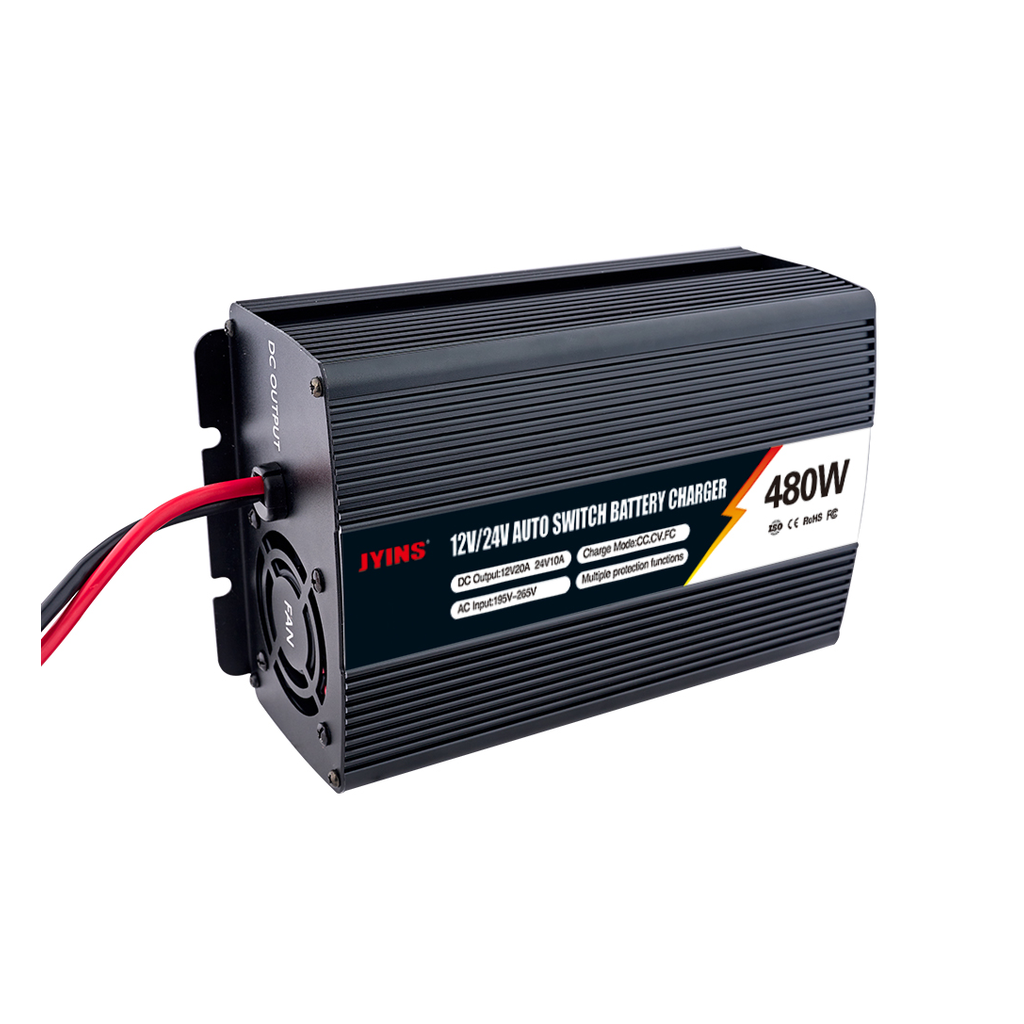
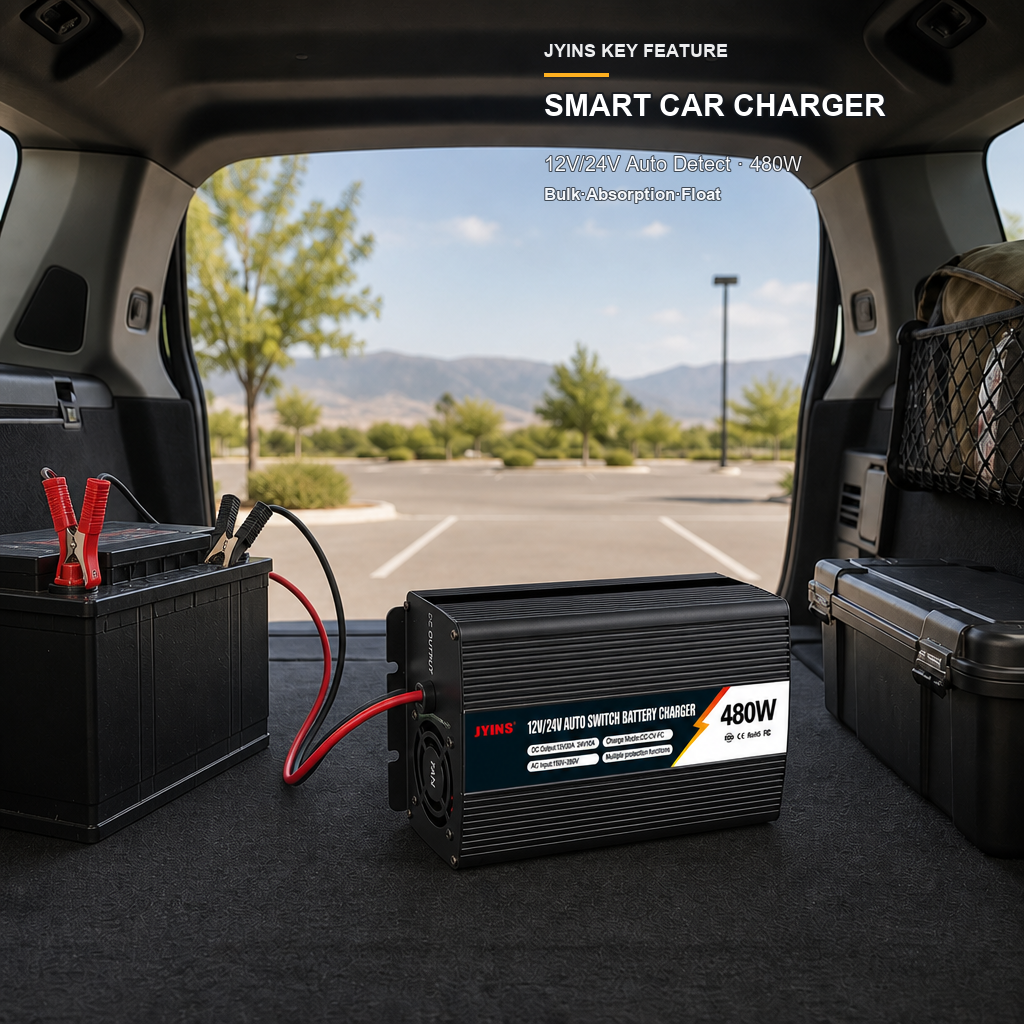
When evaluating Jyins smart car battery chargers, several specifications should be prioritized. Key parameters include voltage compatibility, charging current, and battery type (lead-acid, lithium-ion, etc.). Voltage compatibility is crucial; most chargers handle 12V and 24V systems, but ensure the charger matches the vehicle or battery specifications to avoid damage. 

Charging current, measured in amperes (A), affects charging speed. Higher currents lead to faster charging but can generate more heat, potentially impacting battery life. A charger with adjustable current settings allows for flexibility based on battery condition and capacity. 

Additionally, look for features such as multi-stage charging processes. These chargers automatically adjust their output during different charging phases (bulk, absorption, and float), optimizing battery health. Understanding these specifications helps buyers select vehicle battery charger that not only meet their immediate needs but also support long-term battery management strategies.

Frequently Asked Questions

What vehicles is the smart car battery charger suitable for?

Our smart car battery charger supports 12V and 24V lead-acid, AGM, GEL and maintenance-free batteries for cars, SUVs, light trucks and motorcycles. Check product specs for exact model compatibility.
The charger includes overcharge, overcurrent, reverse polarity, short-circuit and high-temperature protections plus automatic voltage detection and float charging to extend battery life.
Yes. Built by an experienced off-grid solar manufacturer, the charger can integrate with solar setups to maintain battery health; verify model features for solar charge controller compatibility.
Typical modes include bulk/fast charge, absorption, float/maintenance and a recovery mode for deeply discharged batteries. Specific modes depend on the charger model—refer to the user manual.
Manufactured under ISO9000-aligned quality control, our products come with a company warranty. Contact sales for model-specific warranty length and after-sales support details.

Our Blog Posts

Evaluating the Signal Integrity of Bidirectional inverter PCB boards

14

May

Evaluating the Signal Integrity of Bidirectional inverter PCB boards

When working with bidirectonal inverter PCB boards, understanding how to keep signals clear and strong is very important. Jyins, a company that specialize in industrial making, know that proper signal clearness makes sure these boards function well. ...
View More
How to integrate External Zero-Export controllers with JYINS Inverters for Indian grid regulations?

24

Jun

How to integrate External Zero-Export controllers with JYINS Inverters for Indian grid regulations?

The Regulatory Landscape of Net Metering and Export in India India has seen a massive surge in commercial and industrial (C&I) solar installations, as businesses seek to lower high industrial electricity tariffs and meet environmental sustainability ...
View More
Why 'Galvanic Isolation' remains the safety standard for medical and marine-grade power conversion.

24

Jun

Why 'Galvanic Isolation' remains the safety standard for medical and marine-grade power conversion.

The Uncompromising Demands of Medical and Marine Electrical Environments In the diverse world of B2B power conversion, different industries present highly specialized requirements for electrical safety and reliability. Among these, the medical and ma...
View More
Troubleshooting 'Low Voltage Cutoff' (LVC) nuisance tripping in long-distance DC transmission setups

25

Jun

Troubleshooting 'Low Voltage Cutoff' (LVC) nuisance tripping in long-distance DC transmission setups

Introduction to DC Transmission Challenges In remote B2B power applications, such as off-grid telecommunication towers, oil and gas monitoring stations, agricultural irrigation setups, and deep-well pumps, the physical layout of the electrical system...
View More

Get a Free Quote

Our representative will contact you soon.
Email
Mobile
Name
Company Name
Products of Interest
Message
0/1000
Smart Car Battery Charger Specifications and Sourcing

Get a Free Quote

Our representative will contact you soon.
Email
Mobile
Name
Company Name
Products of Interest
Message
0/1000