EN


Understanding the intricacies of a pure sine inverter charger is essential for B2B buyers, particularly those in industries reliant on reliable power solutions. This type of inverter charger converts DC power into clean, stable AC power, making it a critical component for off-grid solar applications and backup power systems. Buyers often have concerns about the technical specifications, compatibility with existing systems, and supplier reliability. This article aims to guide purchasing managers and distributors through the selection, evaluation, and sourcing of pure sine inverter chargers, ensuring informed decisions that meet their operational needs. For optimal performance in solar applications, consider integrating a Solar Inverter to enhance your energy management.
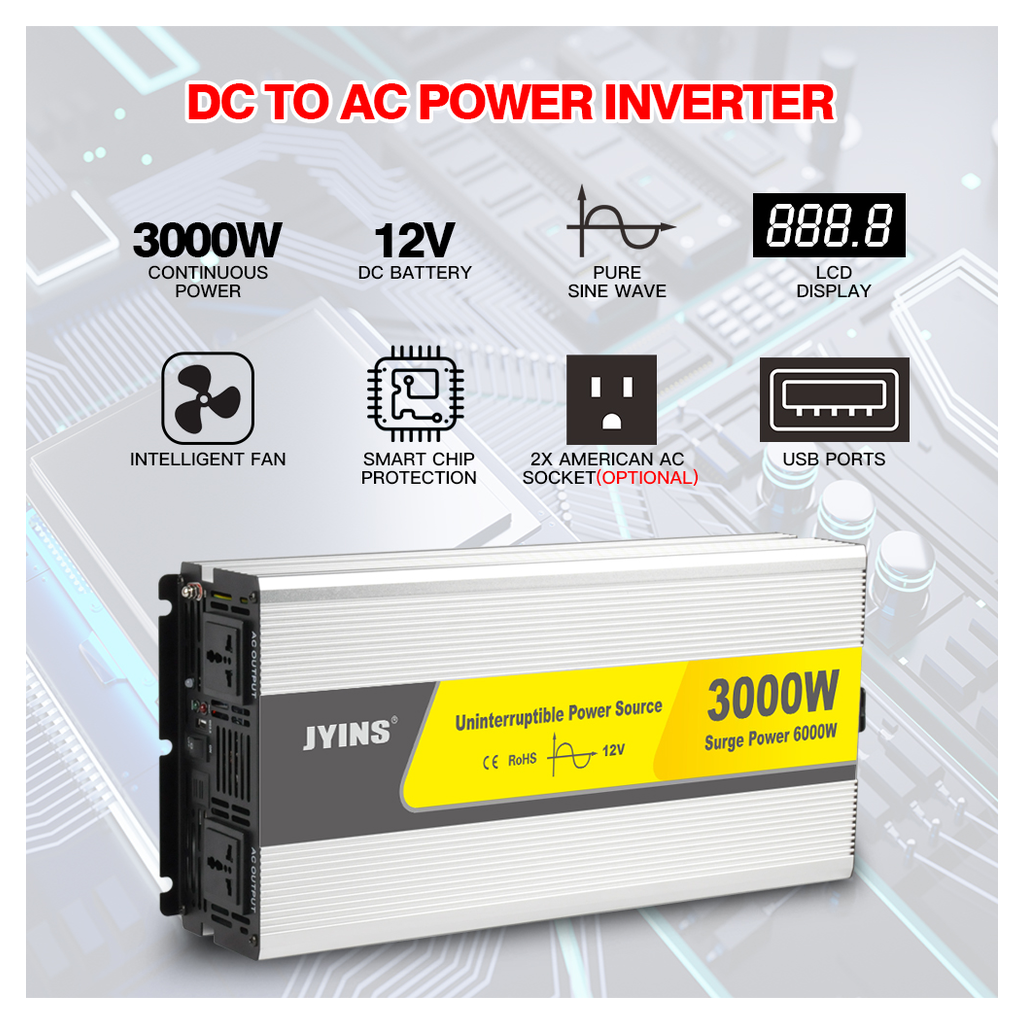
Key Specifications to Consider for Pure Sine Inverter Chargers
When evaluating pure sine inverter chargers, several key specifications should be prioritized:
Output Power Rating: This is typically measured in watts and indicates how much power the inverter can deliver continuously. Ensure the rating exceeds the total wattage of the devices it will power.
Input Voltage Range: This specification indicates the range of DC voltage the inverter can accept. It should align with the voltage output of the battery bank or solar panels to avoid compatibility issues.
Efficiency Rating: Efficiency affects how much power is lost during conversion. A higher efficiency rating (typically above 90%) means that more of the battery’s energy is converted to usable AC power.
Waveform Type: Pure sine wave inverters produce a smooth waveform similar to grid power, which is essential for sensitive electronics. Ensure the inverter charger is explicitly rated as a pure sine wave to prevent damage to devices that require clean power.
Protection Features: Look for inverters equipped with overload, short-circuit, and over-temperature protections to enhance safety and reliability.
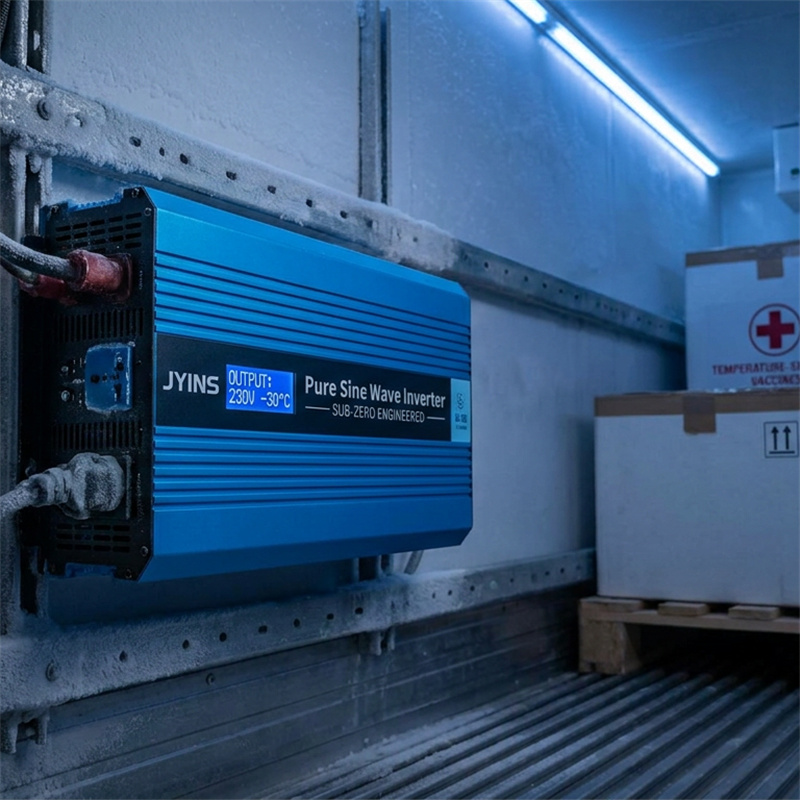
Environmental Ratings: If the inverter will be used in harsh conditions, check for IP ratings that indicate resistance to dust and moisture.
By focusing on these specifications, buyers can ensure they select an inverter charger that meets their operational requirements while providing reliable performance.