EN


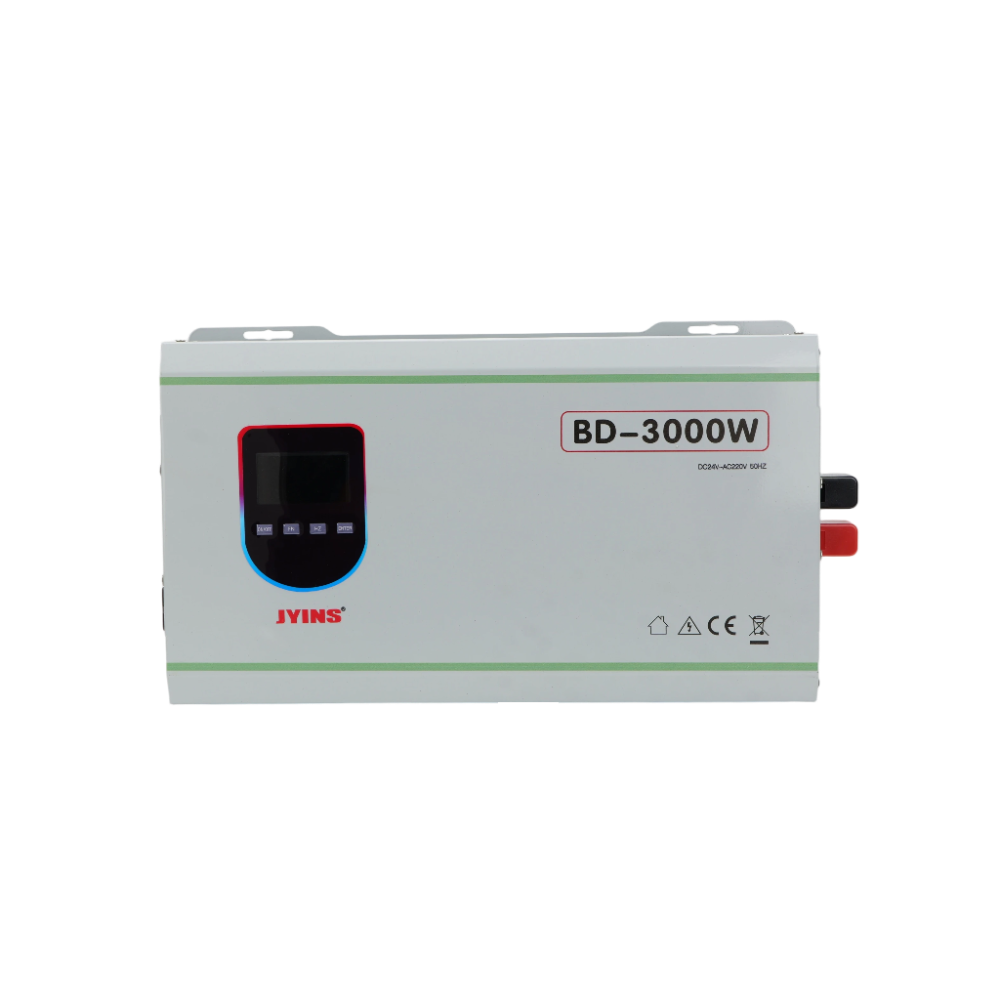
Portable inverters for electric three-wheel vehicles are essential components that provide reliable power for various applications, from transportation to delivery services. These devices convert DC power from batteries into AC power, facilitating the operation of electric vehicles and ensuring that they can perform efficiently. B2B buyers, such as purchasing managers and engineers, often prioritize specifications like capacity, efficiency, and compatibility when selecting a portable inverter. This article aims to guide you through the key considerations for choosing the right portable inverter, evaluating specifications, solving common problems, and understanding cost factors when sourcing these vital components.
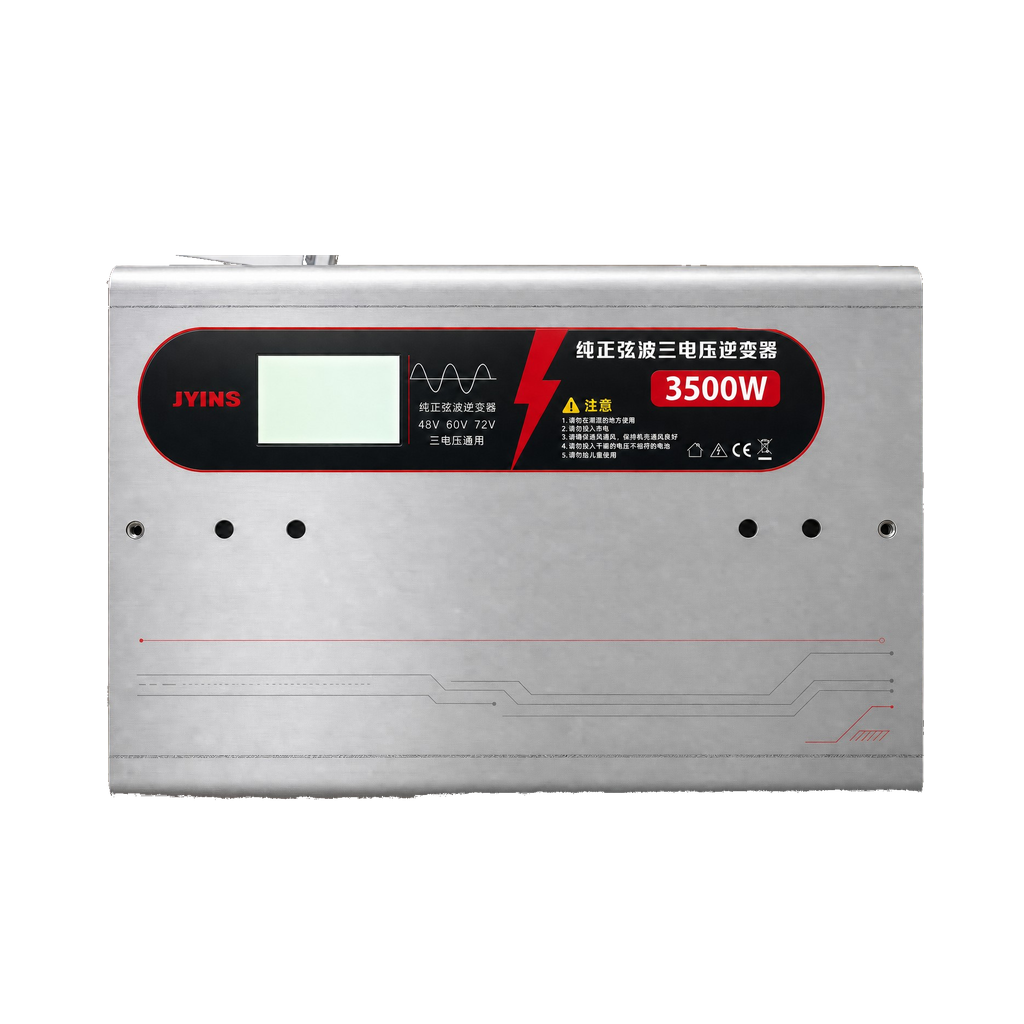
Specifications to Evaluate in Portable Inverters for Electric Vehicles
Critical specifications to evaluate when considering portable inverters for electric vehicles include output power, waveform type, efficiency, and safety features.
Output Power: This is the maximum power the inverter can deliver. It is typically measured in watts (W). Ensure the inverter's output power exceeds the peak requirements of your vehicle's electrical systems.
Waveform Type: Portable inverter generally produce either modified sine wave or pure sine wave output. Pure sine wave inverters provide cleaner power, which is essential for sensitive electronics, while modified sine wave inverters are typically less expensive but may not be compatible with all equipment.
Efficiency Rating: This indicates how effectively the inverter converts DC to AC power. Higher efficiency ratings (above 90%) lead to less energy waste, prolonging battery life and operational range.
Safety Features: Look for built-in protections against overload, short-circuiting, and overheating. These features help prevent damage to both the inverter and the vehicle’s electrical systems.
By focusing on these specifications, buyers can make informed decisions that enhance the performance and reliability of their electric three-wheel vehicles.