Efficient Modified Sine Wave Inverter Solutions

Get a Free Quote

Our representative will contact you soon.
Email
Mobile
Name
Company Name
Products of Interest
Message
0/1000

modified sine wave inverter

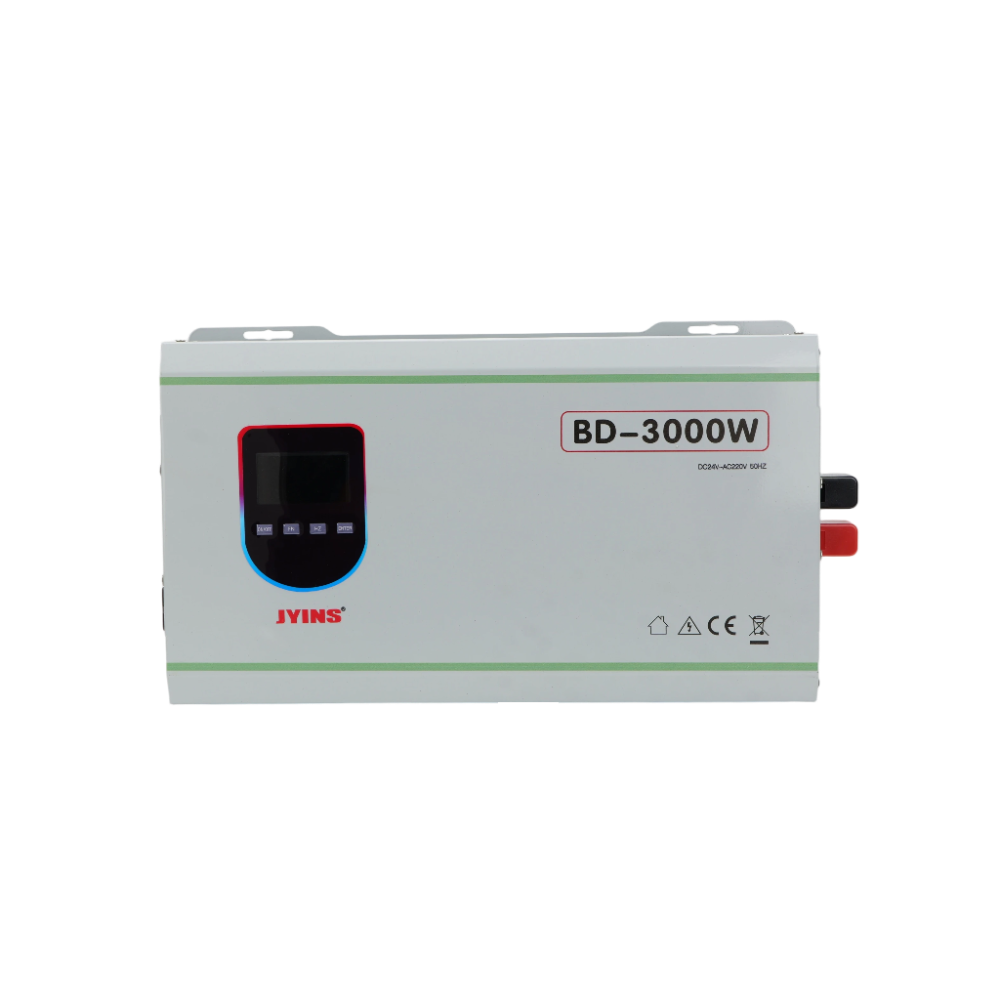
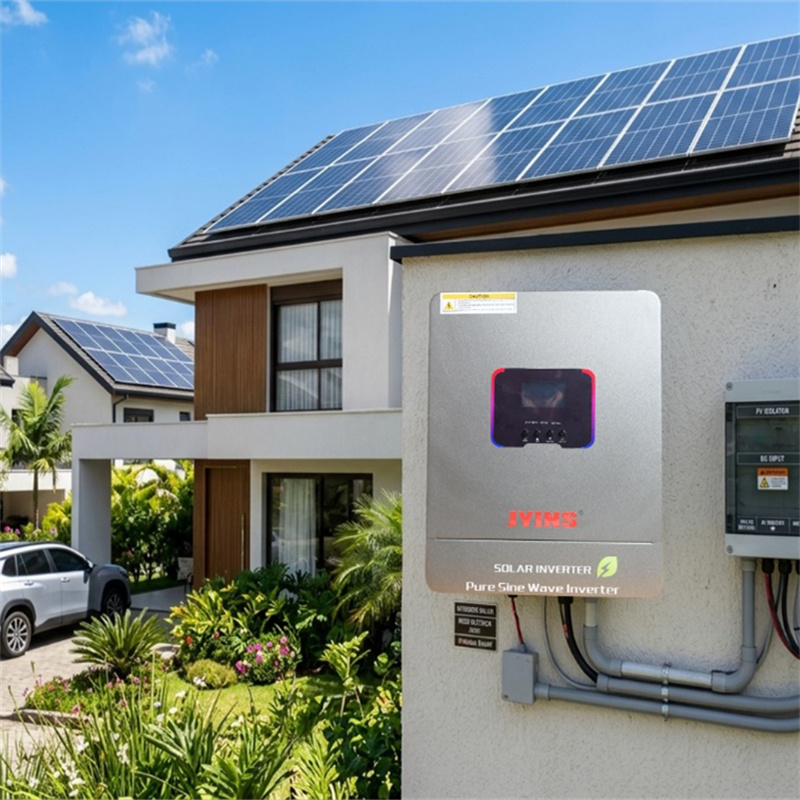
What is a Modified Sine Wave Inverter and How Does It Work? A modified sine wave  inverter is a type of power converter. It takes the DC power from sources like batteries and changes it into AC power. The output of a modified sine wave inverter is not a smooth wave like pure sine wave inverters. Instead, it  creates a stepped  waveform that approximates a sine wave. This means the power isn’t as clean, but it can still power many devices. Most household items, like lights and fans, can work with this type of inverter. For example, if  you have a solar panel system, the electricity generated is DC. A modified sine wave inverter allows  you to  use that energy in your home. However, some sensitive electronics, like medical devices or certain audio equipment, may not function well with this type of power. They might  get damaged or work poorly. That’s why it’s important to know what appliances you plan to use with the inverter. Using a modified sine wave inverter can be a cost-effective solution for many situations, especially when compared to more expensive pure sine wave inverters. They  are often lighter and easier to install, making them a popular choice for people looking  to save money while still getting their devices powered. Jyins focuses on  creating reliable inverters that meet  the needs of diverse customers, ensuring quality and performance in every product.

How to Maximize Efficiency with Modified Sine Wave  Inverters? To get the most out of your modified  sine wave inverter, it’s important to use it wisely. First, always check the power requirements of your appliances. Each device needs  a certain amount of wattage. If your inverter doesn’t  supply enough wattage, it can overheat or shut down.  For example, if you want to run a microwave that requires 800 watts, make sure your inverter can handle that. Another way to maximize efficiency is to minimize the distance between the inverter and the devices you are powering. Longer wires can cause power loss. Shorter wires mean less resistance and more energy going directly to your appliances. Jyins provides tips on proper placement and installation to ensure you get the best performance. Additionally, consider using energy-efficient devices. These use less power, which means your inverter works less hard. For instance, LED lights consume much less power compared to traditional bulbs. Lastly, regularly check and maintain your inverter. Keeping it clean and ensuring ventilation can prevent overheating,  which helps it work efficiently for  a  longer time. By following these steps, you can enjoy the benefits of  a modified sine wave inverter while saving energy and extending its lifespan.
How to Maximize Efficiency with Modified Sine Wave Inverters

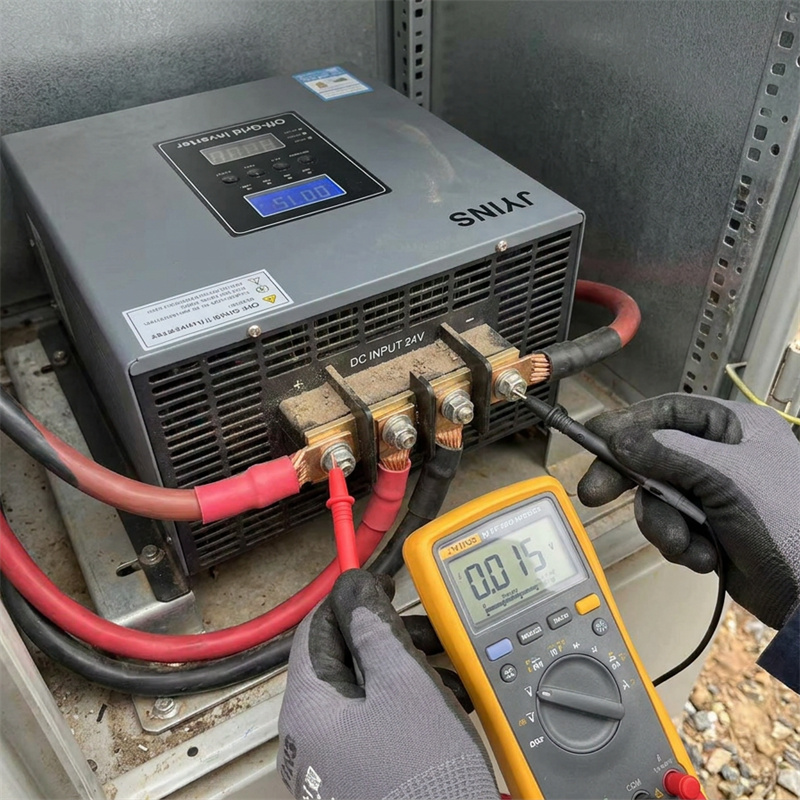
Sometimes, modified sine wave inverters  can have problems, just  like anything else. If you find  that your Jyins inverter is not working properly, you can try to  troubleshoot a  few common issues. First, check  to see if the inverter is properly  connected to the power source.  Make sure all the wires are secure and that there are no loose connections. If  the inverter is not turning on at  all,  it might be due  to  a blown fuse. Look  for the fuse in  the inverter and see if it needs  to be replaced. Changing a fuse  is  usually a  simple fix that can get your  inverter working again.

What Makes Modified Sine Wave Inverters a Cost-Effective Solution?

Another  common problem is  that the inverter might make strange noises or get  very hot. If this happens, it’s important to turn it off and  let it cool down. Inverters can overheat if  they are working too hard or if they are  in a place with poor  ventilation.  Make sure the inverter is in  a  cool, dry area  with enough space around it to breathe. If you notice  that the inverter  is still  making noises or overheating even after cooling down, it  might be time to contact Jyins for support. They can help you find  out what’s wrong and offer solutions. Remember, regular maintenance can also help prevent problems. Keeping the inverter clean and  checking the  connections  can help it last  longer and work better.

How to Troubleshoot Common Problems with Modified Sine Wave Inverters

Modified sine wave inverters are useful in many different  situations. They are especially good for  powering devices  that do not require  a  pure sine wave. For example,  if you want to run lights, fans, or simple  tools, a modified  sine  wave  inverter  from Jyins will work  just fine. These inverters  are  often used in  homes, RVs,  boats, and during camping trips. When people go on road trips, they can bring along  a  modified sine wave inverter to power small devices like phone chargers and small refrigerators. This makes life more comfortable  when you are away from  home.

What is a Modified Sine Wave Inverter and How Does It Work?

Modified sine  wave inverters  are a  popular choice for many people because  they are cost-effective. This means that they  do not cost as much money to buy compared to other types of inverters, like pure sine wave inverters.  A modified sine wave inverter takes direct current (DC) electricity, like the kind from a  battery, and  changes  it  into alternating current (AC) electricity. AC electricity is what most of our home appliances use. Because modified sine wave inverters are simpler in design, they are cheaper to make. This cost-saving is passed on to the consumers, making  them a great option for those who want to save money.

When you buy a modified sine wave inverter from Jyins, you are getting a good product at a fair price. These inverters work well for many basic tools and devices, such as lights, fans, and small appliances. They can easily power items that don’t  need a pure  sine wave, which means they are perfect for everyday use. If you are someone who wants to use a power inverter for camping, road  trips, or backup power at home, a modified sine  wave inverter is an excellent choice. You can enjoy using your devices without worrying about spending too much money. It's important to remember that while modified sine wave  inverters  have  their benefits, they may not be suitable for very sensitive electronics. However, for most common  uses, they are more than enough. Their affordability makes them a smart pick for people looking for reliable power on a budget.


Our Blog Posts

How to configure Inverter Grid-Tie parameters for Brazil INMETRO compliance in residential clusters?

24

Jun

How to configure Inverter Grid-Tie parameters for Brazil INMETRO compliance in residential clusters?

Understanding the Regulatory Landscape of Brazilian Solar Brazil has established itself as one of the fastest-growing solar energy markets in the world, driven by abundant sunlight and supportive net-metering policies. However, entering this market o...
View More
Troubleshooting 'Low Voltage Cutoff' (LVC) nuisance tripping in long-distance DC transmission setups

25

Jun

Troubleshooting 'Low Voltage Cutoff' (LVC) nuisance tripping in long-distance DC transmission setups

Introduction to DC Transmission Challenges In remote B2B power applications, such as off-grid telecommunication towers, oil and gas monitoring stations, agricultural irrigation setups, and deep-well pumps, the physical layout of the electrical system...
View More
How to structure a 'Preventive Maintenance' contract for a distributed solar microgrid project?

25

Jun

How to structure a 'Preventive Maintenance' contract for a distributed solar microgrid project?

Introduction: The Operational Reality of Distributed Solar Microgrids For B2B procurement directors, commercial developers, and regional wholesalers, deploying a distributed solar microgrid is a major step toward energy independence and operational c...
View More
Procurement Director's Guide: How Dual-Channel MPPT Inverters Optimize Energy Yield Under Complex Commercial Roof Shading

10

Sep

Procurement Director's Guide: How Dual-Channel MPPT Inverters Optimize Energy Yield Under Complex Commercial Roof Shading

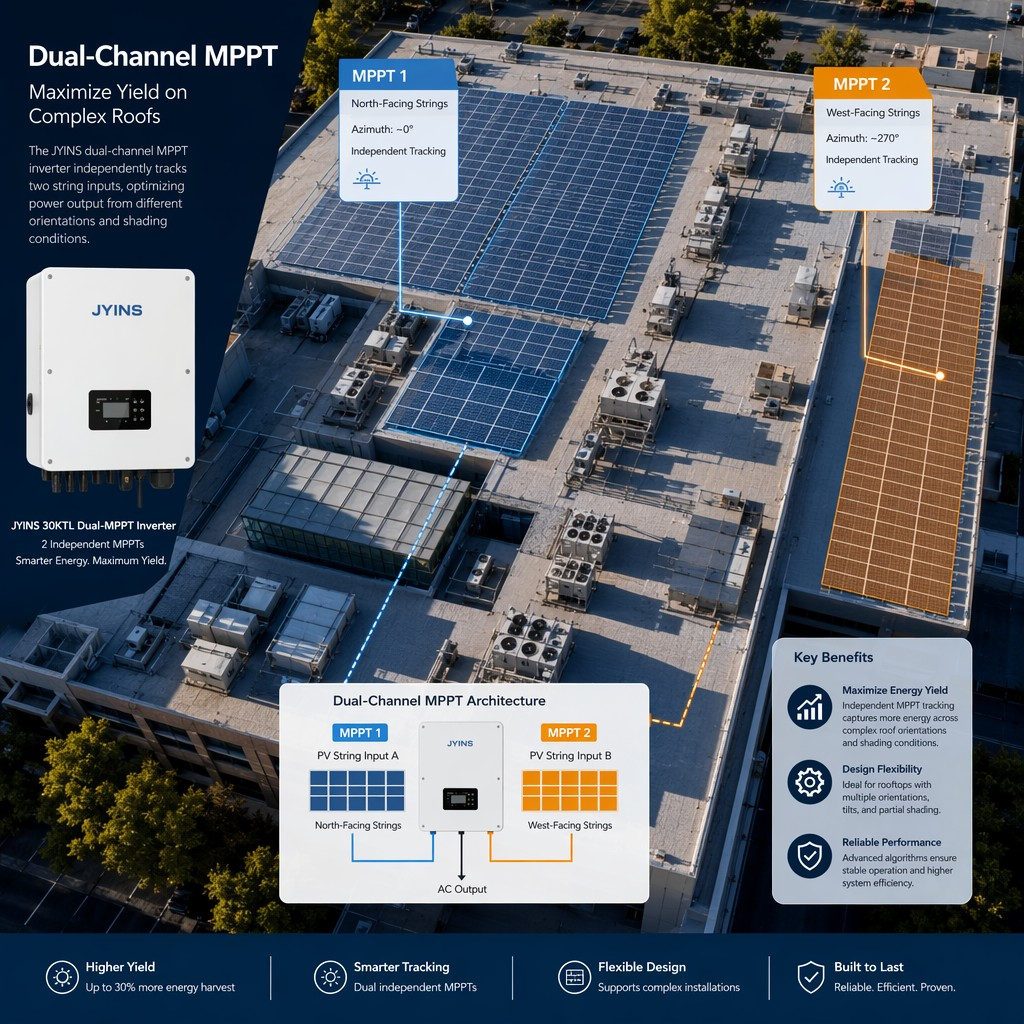
Q: Procurement Director's Guide: How Do Dual-Channel MPPT Inverters Optimize Energy Yield Under Complex Commercial Roof Shading? A: In the return on investment (ROI) calculation of B2B commercial PV projects, energy yield is the most critical variabl...
View More
Efficient Modified Sine Wave Inverter Solutions

Get a Free Quote

Our representative will contact you soon.
Email
Mobile
Name
Company Name
Products of Interest
Message
0/1000