EN
EN


Introduction: The Operational Reality of Distributed Solar Microgrids
For B2B procurement directors, commercial developers, and regional wholesalers, deploying a distributed solar microgrid is a major step toward energy independence and operational cost reduction. However, the completion of the installation is not the finish line; it is the beginning of a multi-decade operational phase. Solar microgrids, which combine photovoltaic arrays, battery storage, and power inverters across decentralized locations, are highly dynamic and physically exposed systems.
Without a structured maintenance program, microgrids are prone to progressive performance degradation and premature hardware failures. Relying on a reactive maintenance strategy, which is addressing problems only after a system shutdown occurs, is a recipe for high operational costs and lost energy generation. To protect this capital investment and ensure continuous power delivery, procurement managers must establish a comprehensive, well-structured Preventive Maintenance (PM) contract. This guide outlines the essential components, technical scopes, and Service Level Agreements (SLAs) required to draft an effective PM contract for distributed solar microgrid projects.
Question: How should B2B procurement directors and microgrid operators structure a 'Preventive Maintenance' contract to maximize system uptime and prolong the life of their inverter fleet?
An effective PM contract must clearly define the technical scope of work, establish concrete schedules, set measurable performance standards, and outline logistics for spare parts and emergency responses.
Defining the Technical Scope of Work
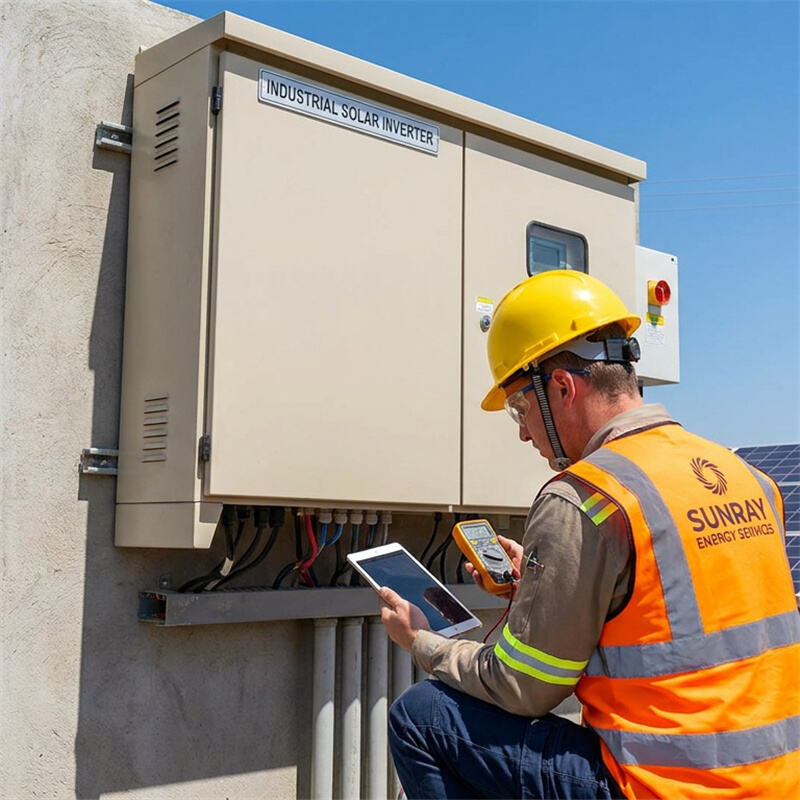
The heart of any PM contract is the Scope of Work (SOW). For a solar microgrid, the SOW must cover all primary components, with a strong focus on the power inverters, which are the brain and heart of the electrical conversion process. The SOW should be structured into three main categories of activities:
1. Visual and Physical Inspections: These are non-invasive checks designed to identify physical issues before they lead to electrical faults. Technicians must check for:
- Ingress of moisture, dust, or dirt inside the inverter enclosures.
- Physical damage to external casings, cable conduits, and mounting racks.
- Evidence of insect or rodent nesting inside the equipment, which can cause short circuits.
- Signs of rust, corrosion, or oxidation on copper terminals and metal housings.
2. Thermal Imaging and Hot-Spot Detection: Infrared thermal cameras are essential tools for PM. Technicians must conduct thermal scans of all electrical connections, terminal blocks, fuses, and internal inverter components under full load. A connection that is significantly hotter than the surrounding wiring indicates high contact resistance, which is a major fire hazard and an efficiency drain. Tightening these connections is a simple preventive fix that prevents major system failures.
3. Electrical Testing and Performance Verification: The contract should mandate periodic testing, including:
- Measuring and recording insulation resistance (Megger testing) to ensure cables and inverters have not suffered insulation breakdown.
- Verifying the torque levels of all critical terminal connections according to the manufacturer's specifications.
- Measuring actual DC and AC operating currents and voltages to ensure they match the system's digital readouts.
- Performing battery bank impedance tests and verifying the charge-discharge cycles of the hybrid inverters.
- Conducting firmware updates and reviewing system error logs to address transient software glitches.
Establishing the Maintenance Schedule
A PM contract must define a clear frequency for various maintenance tasks. Not all tasks need to be performed at the same interval. A standard, reliable maintenance schedule typically includes:
- Quarterly Tasks: General physical inspections, cleaning of inverter cooling fans and ventilation grates, and downloading error logs.
- Semi-Annual Tasks: Thermal imaging of electrical panels, checking terminal torques, and testing the emergency shutdown system.
- Annual Tasks: Full electrical insulation testing, calibration of monitoring sensors, detailed battery capacity testing, and comprehensive performance analysis against design baselines.
Service Level Agreements (SLAs) and Key Performance Indicators (KPIs)
To ensure the O&M (Operations and Maintenance) contractor remains accountable, the contract must include clear SLAs and KPIs. Without these, the contract lacks enforcement power. Key SLAs to structure include:
- Guaranteed Response Time: The time it takes for a technician to arrive on-site after a fault is reported. For critical faults (such as a total microgrid outage), the response time should be guaranteed within four hours. For non-critical issues (such as a single underperforming inverter), twenty-four to forty-eight hours is standard.
- Guaranteed System Uptime: Contractually obligating the O&M provider to maintain a specific level of system uptime, typically ninety-eight percent or ninety-nine percent annually. If uptime falls below this threshold, financial penalties should apply.
- Liquidated Damages: Establishing pre-agreed financial penalties for lost solar generation caused by contractor delays in responding to critical faults. This ensures the contractor's financial incentives are fully aligned with your energy production goals.
Spare Parts Management and Logistics
A critical, yet often overlooked, part of a PM contract is spare parts logistics. If an inverter fails, every day spent waiting for a replacement part translates to lost revenue. The PM contract must specify:
- The Critical Spare Parts List: This list should include high-wear items such as cooling fans, internal fuses, surge protection devices (SPDs), and at least one or two complete spare inverter units of each power capacity used in the project.
- Inventory Ownership and Location: The contract must define who owns the spare parts inventory and where it is stored. For distributed projects, storing a centralized spare parts kit at the contractor's local warehouse, or on-site in a secure enclosure, is highly recommended to minimize transport delays.
- Lead-Time Guarantees: If parts must be ordered from the manufacturer, the contractor must guarantee a maximum delivery lead time, backed by penalties for non-compliance.
Sourcing Inverters Designed for Easy Maintenance
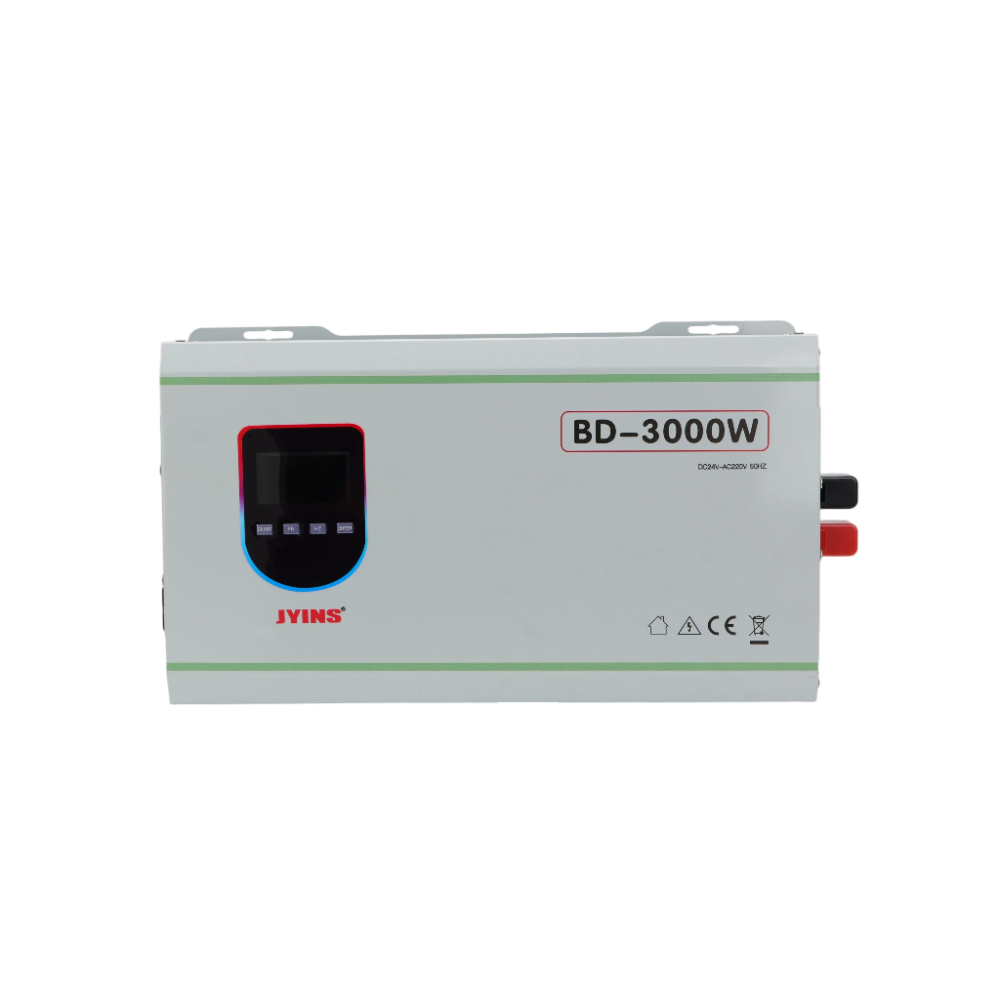
While a PM contract is critical, the ease of maintenance is largely determined by the physical design of the hardware you procure. At JYINS Electrical, we engineer our power inverters and hybrid solar systems with the technician in mind. Our systems feature:
- Modular Internal Layouts: Allowing key sub-assemblies, such as cooling fan trays or control boards, to be replaced in minutes without dismantling the entire inverter chassis.
- Tool-Free Access: Quick-release latches and standard screw interfaces simplify physical inspections and speed up on-site maintenance.
- Advanced Diagnostics: Comprehensive digital display panels and RS485/WiFi communication ports that allow O&M technicians to diagnose issues remotely before even driving to the site.
By sourcing easily maintainable inverters from JYINS, you can dramatically lower the hourly service costs of your PM contract and make the contractor's job far more efficient.
Conclusion: Protecting Your Microgrid Investment
A well-structured Preventive Maintenance contract is a vital asset-management tool for any distributed solar microgrid. By defining a meticulous technical scope of work, enforcing strict SLAs, securing a robust spare parts pipeline, and procuring maintainable hardware from JYINS Electrical, B2B procurement managers can minimize operational risks, extend the life of their inverter fleet, and secure a predictable, high-yield energy supply for decades.
Table of Contents
- Introduction: The Operational Reality of Distributed Solar Microgrids
- Question: How should B2B procurement directors and microgrid operators structure a 'Preventive Maintenance' contract to maximize system uptime and prolong the life of their inverter fleet?
- Defining the Technical Scope of Work
- Establishing the Maintenance Schedule
- Service Level Agreements (SLAs) and Key Performance Indicators (KPIs)
- Spare Parts Management and Logistics
- Sourcing Inverters Designed for Easy Maintenance
- Conclusion: Protecting Your Microgrid Investment