Choosing the Right Lead Acid Battery Charger for Wholesale

Get a Free Quote

Our representative will contact you soon.
Email
Mobile
Name
Company Name
Products of Interest
Message
0/1000

lead acid battery charger

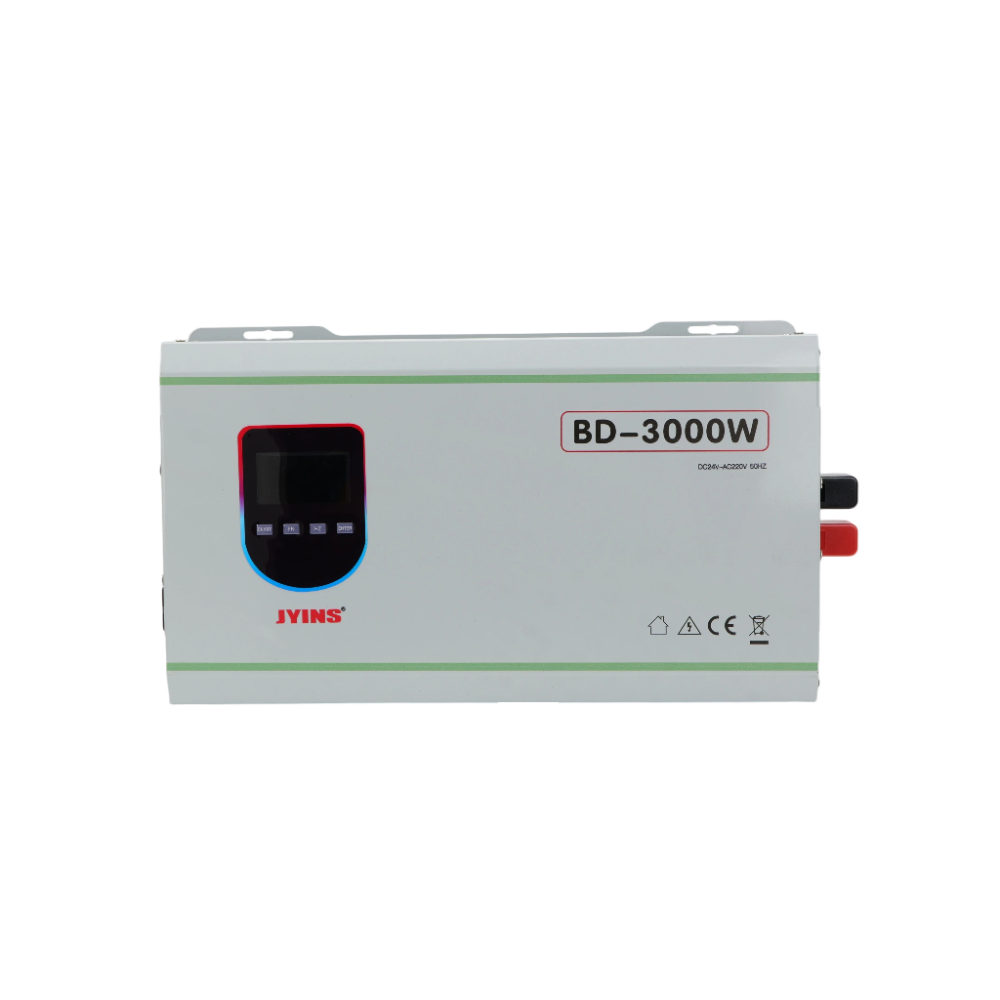
Choosing the right  lead acid battery charger is crucial for businesses that  rely on  these batteries  for power storage, especially in  off-grid  solar applications. Understanding the specifications,  compatibility,  and  quality  assurance processes involved in  sourcing these  chargers can significantly impact operational  efficiency  and cost. This article  will guide you  through essential  considerations when selecting a lead acid battery charger  for wholesale, helping you  make informed  purchasing decisions. For instance, you may also want to consider integrating a Solar Charge Controller to enhance your solar setup.
Key Specifications for Reliable Lead Acid Battery Chargers in Bulk Orders

Key Specifications for Reliable Lead Acid Battery Chargers in Bulk Orders

Understanding the specifications of lead acid battery chargers is crucial for ensuring reliability  and compatibility. Key  specifications  to  look for include:

Output Voltage: Ensure that the  charger's output voltage corresponds to the battery's nominal voltage. For instance, a 12V lead acid battery requires a  charger that delivers  12V during charging.

Charging Current: The charger  should provide a current that meets the battery's charging requirements. A common rule of thumb is to  charge at a rate of 10-20% of the  battery's amp-hour (Ah) capacity.

Charging Profiles: Reliable chargers  should offer multiple  charging profiles suitable for different types of lead acid  batteries. This feature helps prevent overcharging and enhances  battery  longevity.

Protection Features: Look for chargers equipped with safety features such as over-voltage protection, short-circuit protection, and thermal cutoffs.  These features safeguard both the charger and the  batteries from damage.

Durability and Design: Robust construction is essential, especially if the chargers will be  used in harsh environments. Consider the materials used for the housing  and the cooling mechanisms employed.

When  placing bulk orders, ensure that the manufacturer can provide detailed specifications and performance data for each charger model.
Finding Trusted Manufacturers of Lead Acid Battery Chargers

Finding Trusted Manufacturers of Lead Acid Battery Chargers

Sourcing lead acid battery chargers from a trusted manufacturer is vital for ensuring product  quality  and reliability. Start by researching manufacturers with  a proven track  record in the  industry. Look for certifications, such as  ISO9000, which indicates adherence to international quality management  standards.

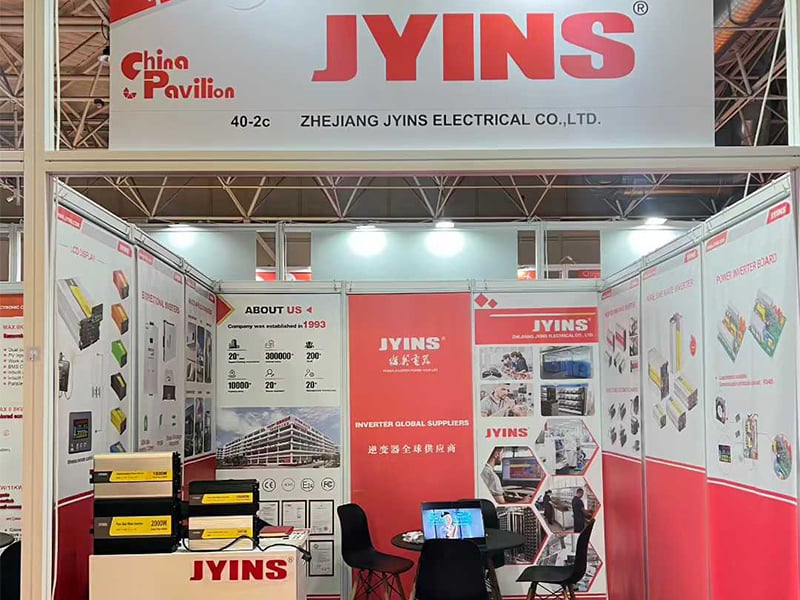
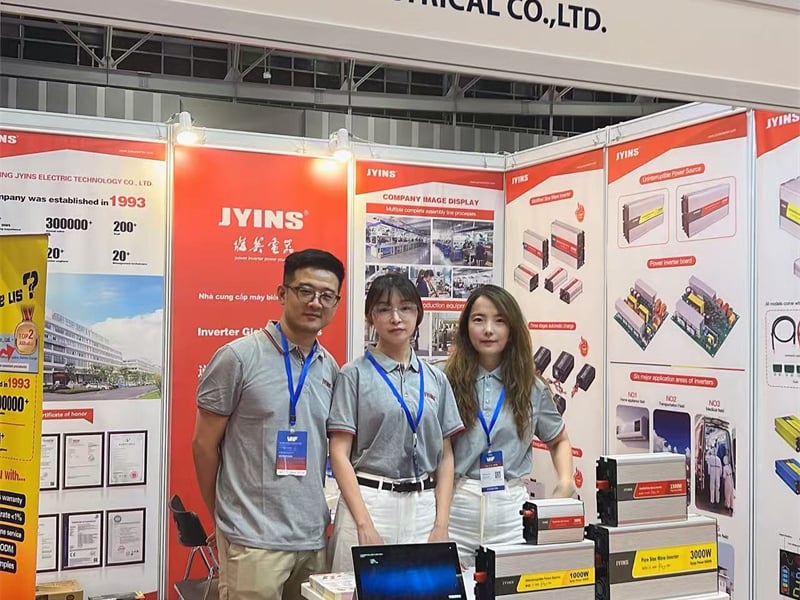
Consider engaging with manufacturers that  have experience in your  specific  application  area. For example, Zhejiang Jyins Electrical Co., LTD has a strong  background in producing  off-grid solar products, making them a suitable partner for businesses focused on renewable energy solutions.

Additionally, request samples  before  committing to  a bulk order. Evaluating the product in real-world conditions  will help you  ensure that the  charger meets your performance expectations. Engage in direct communication with potential suppliers to discuss your specific needs, such as  customization options and production capacities.

Cost Factors to Consider When Purchasing Lead Acid Battery Chargers Wholesale

Cost Factors to Consider When Purchasing Lead Acid Battery Chargers Wholesale

The total cost of  lead acid battery chargers involves several components beyond the unit price. When evaluating pricing, consider the following factors:

Minimum  Order Quantity (MOQ): Many manufacturers set a  MOQ for wholesale orders. Understand these requirements and factor  them into your overall  budget.

Shipping and  Handling: Shipping  costs can vary significantly based on the volume and weight of your order, as well as the shipping method  chosen. Assess these costs early in the procurement process.

Customization Fees: If you require specific modifications to the chargers, such as branding or unique  features, inquire about any additional costs associated with customization.

Payment Terms:  Different suppliers may offer varying payment terms  that can impact your cash flow. Clarify these  terms upfront to avoid any surprises.

Warranty and Support: Ensure that the manufacturer  provides a warranty for their  products.  A  longer warranty can indicate confidence in the product's reliability, and good after-sales support can save costs  in the long run.

By considering these factors, you can  better evaluate  the  overall cost-effectiveness of your lead acid battery charger purchase.

Common Problems with Lead Acid Battery Chargers and Their Solutions

Despite their reliability, lead acid battery chargers can encounter several common problems. Understanding these issues  and their solutions  can help maintain optimal performance:

Overcharging: One of the  most frequent issues is overcharging, which can damage the battery and reduce its lifespan. Ensure that  the charger has built-in protection features to prevent  this. Regularly  check the charging status to avoid prolonged exposure to high voltages.

Inadequate Charging Current: If a  charger does not provide sufficient current, batteries may not reach full  capacity, leading to  performance issues.  Verify the charger's specifications against your battery requirements, and consider chargers with adjustable current settings to suit different  applications.


Connection Issues: Poor or loose connections can lead to erratic charging behavior.  Regularly inspect connections for corrosion or wear and ensure that terminals are properly secured.

Heat  Build-up: Excessive heat can  damage both the charger and the battery. Ensure that the charger  has  adequate ventilation and consider using a fan if necessary to maintain optimal operating temperatures.

Faulty Components: If a charger behaves inconsistently, it  may have defective components. Engage with the manufacturer for troubleshooting support or replacement  options.

By being proactive and aware of these potential issues, you can ensure a smoother operation and longevity of both your chargers and batteries. </p>

By following these guidelines, you can make informed decisions when sourcing lead acid battery chargers for wholesale, ensuring that you select the best options to meet your business&nbsp; needs.

What to Consider When Choosing a Lead Acid Battery Charger for Wholesale

When&nbsp; selecting a&nbsp; lead acid battery charger for wholesale,&nbsp; several factors must be considered to&nbsp; ensure that the charger meets your operational needs. First, assess the charger’s compatibility with the specific lead acid batteries you intend&nbsp; to use. Different battery types,&nbsp; such as flooded, AGM, or gel batteries, may require specific charging protocols to optimize&nbsp; performance and lifespan.


Next,&nbsp; consider the charger's&nbsp; voltage and current ratings. The charger must match the battery's specifications to prevent damage and&nbsp; ensure&nbsp; efficient charging.&nbsp; It's also essential to look for features such as&nbsp; multiple charging modes (e.g., bulk,&nbsp; absorption, and float) that cater to&nbsp; different charging phases,&nbsp; allowing for greater flexibility&nbsp; and longer battery life. Additionally, consider investing in a Pure Sine Wave Inverter which can provide clean power for your devices.

Lastly, evaluate the manufacturer's reputation and compliance with international standards, such&nbsp; as ISO9000, which underscores their&nbsp; commitment to quality assurance. A trusted manufacturer like Zhejiang Jyins Electrical Co., LTD, with deep experience in producing high-quality off-grid solar products, can provide the reliability you need.

Frequently Asked Questions

What types of lead acid battery chargers do you offer?

We offer off-grid lead acid battery chargers designed for solar systems, including multi-stage chargers compatible with sealed, gel, and flooded lead acid batteries.
Yes. Our chargers are designed to integrate with off-grid solar inverters and systems produced by our company for seamless operation.
Our chargers are manufactured under ISO9000-based quality management and tested by experienced engineers to ensure reliability and safety.
We offer technical support from our engineering team and provide a warranty. Details depend on model and purchase; contact sales for specific terms.
Select by battery type (sealed/gel/flooded), voltage, and capacity (Ah). Contact our technical staff with battery specs for a recommended model.

Our Blog Posts

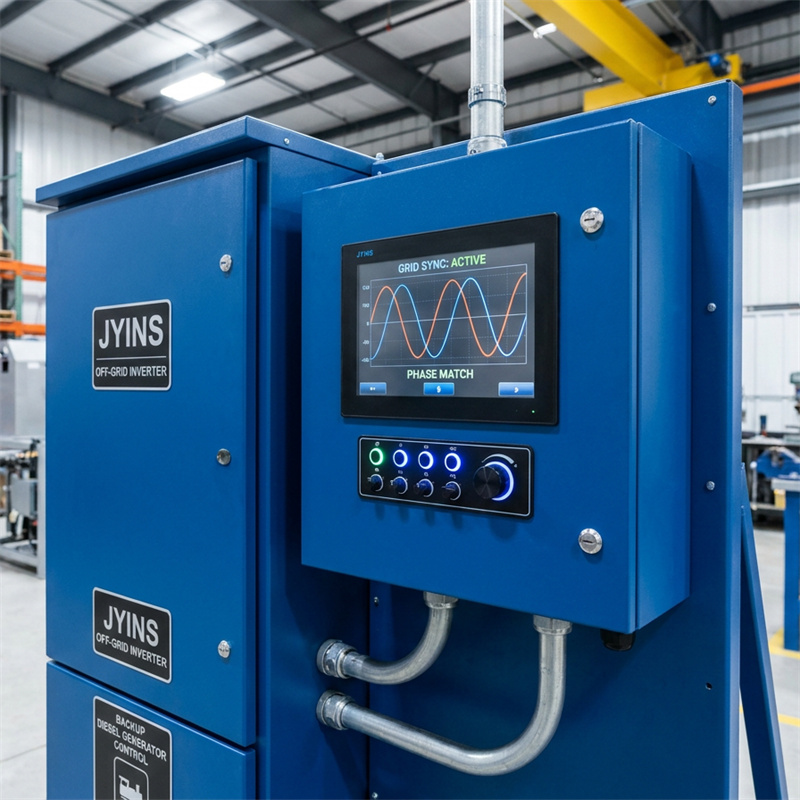
How to synchronize an Off-Grid Inverter with a Backup Diesel Generator for seamless industrial power?

25

Jun

How to synchronize an Off-Grid Inverter with a Backup Diesel Generator for seamless industrial power?

Introduction to Off-Grid Industrial Microgrids Industrial and B2B facilities operating in off-grid environments require highly reliable power systems. Relying solely on solar photovoltaic (PV) arrays and battery storage can pose risks during extended...
View More
Inverter requirements for Mobile Satellite Communication Units: Minimizing EMI/RFI noise.

25

Jun

Inverter requirements for Mobile Satellite Communication Units: Minimizing EMI/RFI noise.

Q: Inverter requirements for Mobile Satellite Communication Units: Minimizing EMI/RFI noise. Introduction: The Critical Challenge of Powering Mobile SatCom Units Mobile Satellite Communication Units, including emergency command vehicles, outside broa...
View More
Selecting Power Conversion for Cold Chain Logistics: Ensuring reliability at -20°C.

25

Jun

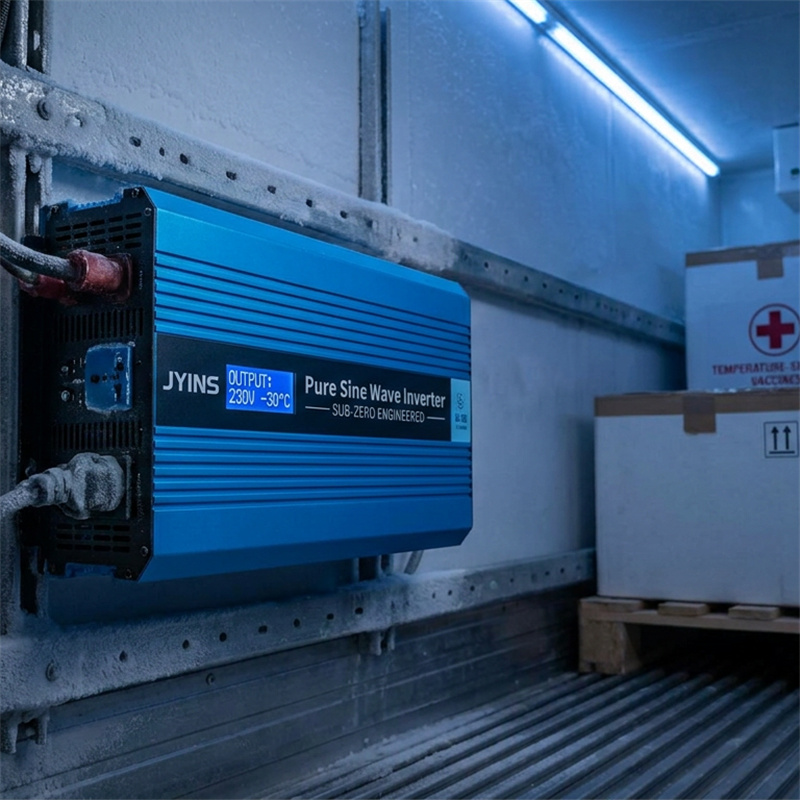
Selecting Power Conversion for Cold Chain Logistics: Ensuring reliability at -20°C.

Q: Selecting Power Conversion for Cold Chain Logistics: Ensuring reliability at -20°C. Introduction: The Critical Nature of Cold Chain Integrity Cold chain logistics is a highly specialized sector of the transport and supply chain industry. It is...
View More
Selecting Inverters for High-Vibration Marine Transport Environments: Key Points for Auditing Internal Solder Joints and Component Support Standards

10

Sep

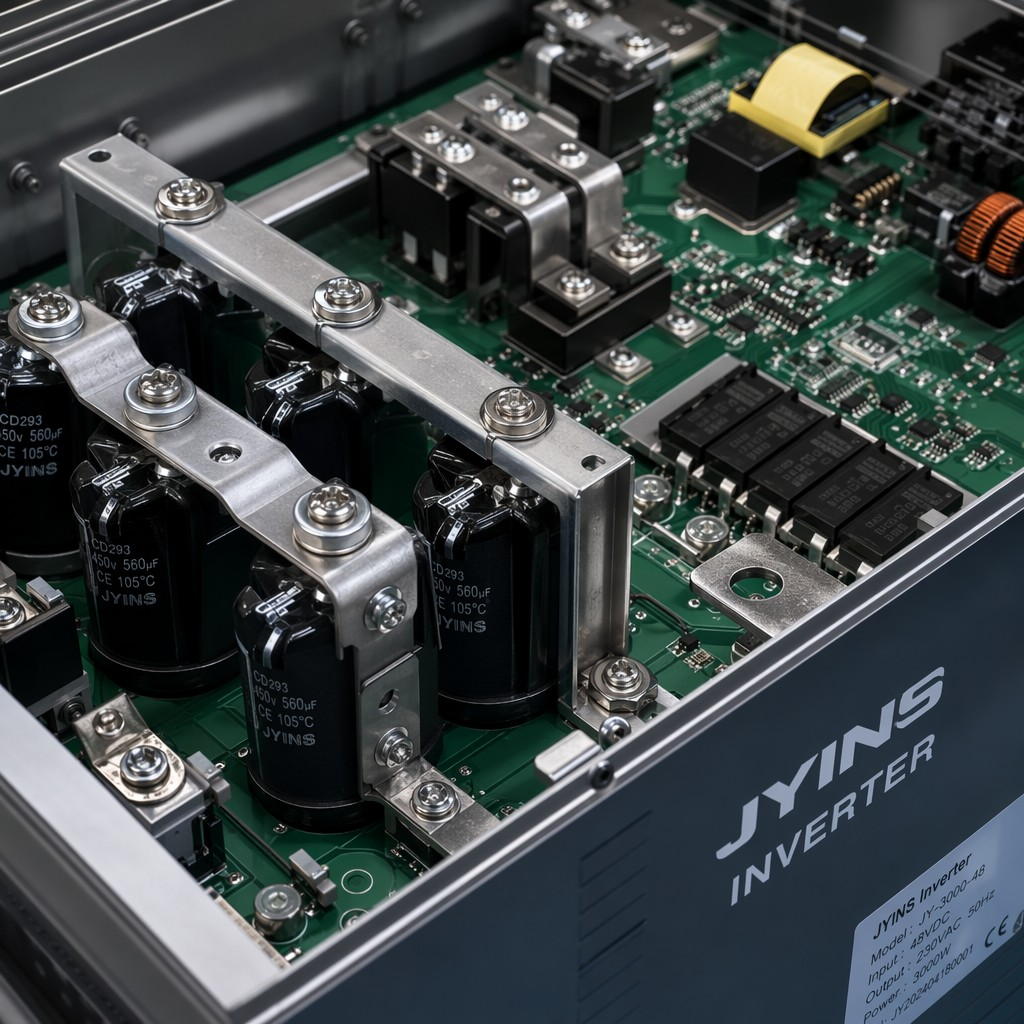
Selecting Inverters for High-Vibration Marine Transport Environments: Key Points for Auditing Internal Solder Joints and Component Support Standards

Q: What are the key points to review when selecting an inverter for high-vibration marine transport environments, specifically regarding internal solder joints and component support standards? A: Marine transport and shipboard power systems challenge...
View More

Get a Free Quote

Our representative will contact you soon.
Email
Mobile
Name
Company Name
Products of Interest
Message
0/1000
Choosing the Right Lead Acid Battery Charger for Wholesale

Get a Free Quote

Our representative will contact you soon.
Email
Mobile
Name
Company Name
Products of Interest
Message
0/1000