EN


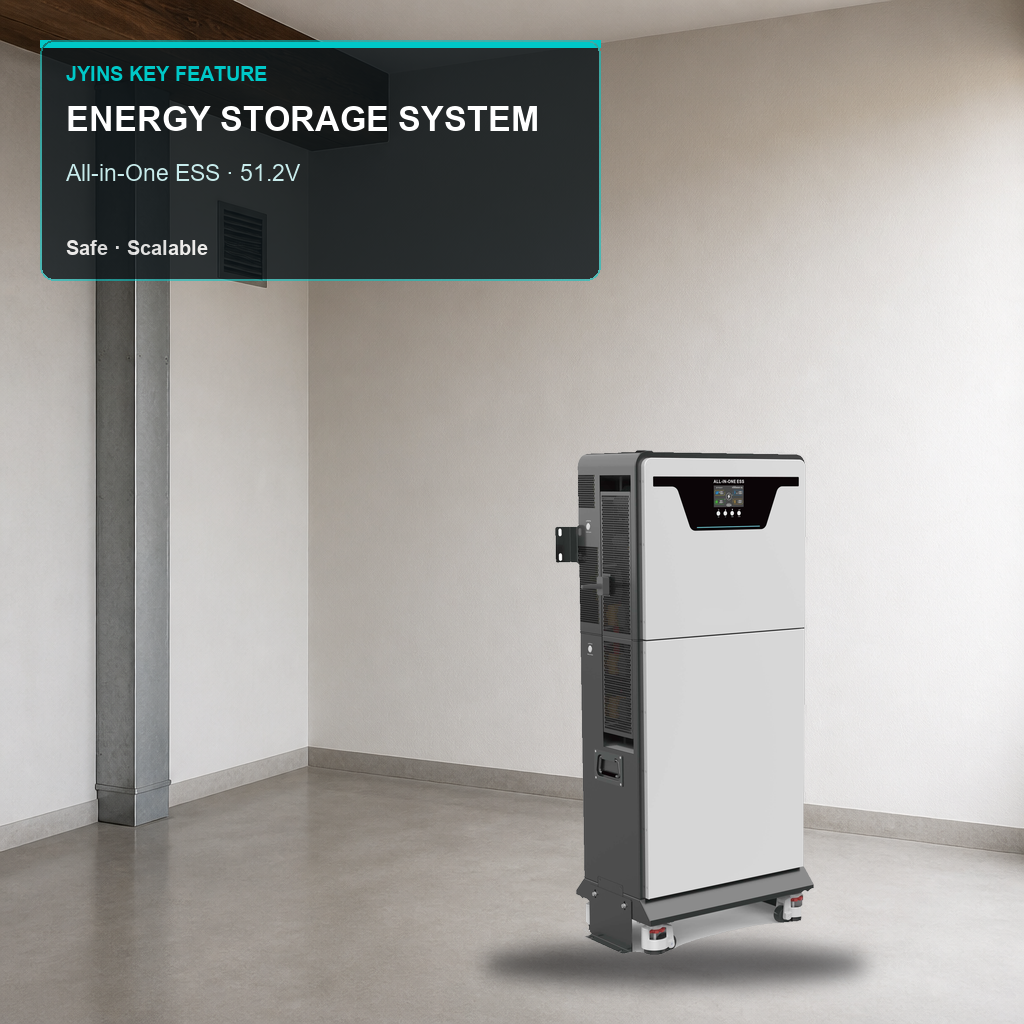
Energy storage systems (ESS) are critical components in modern energy management, particularly in off-grid solar applications. As businesses increasingly seek sustainable energy solutions, the demand for high-quality energy storage systems has surged. Buyers, including purchasing managers and engineers, often face concerns regarding product reliability, compatibility with existing systems, and long-term performance. This article will explore key considerations for sourcing energy storage systems, common challenges, material advantages, reliable supplier identification, and diverse applications across industries.
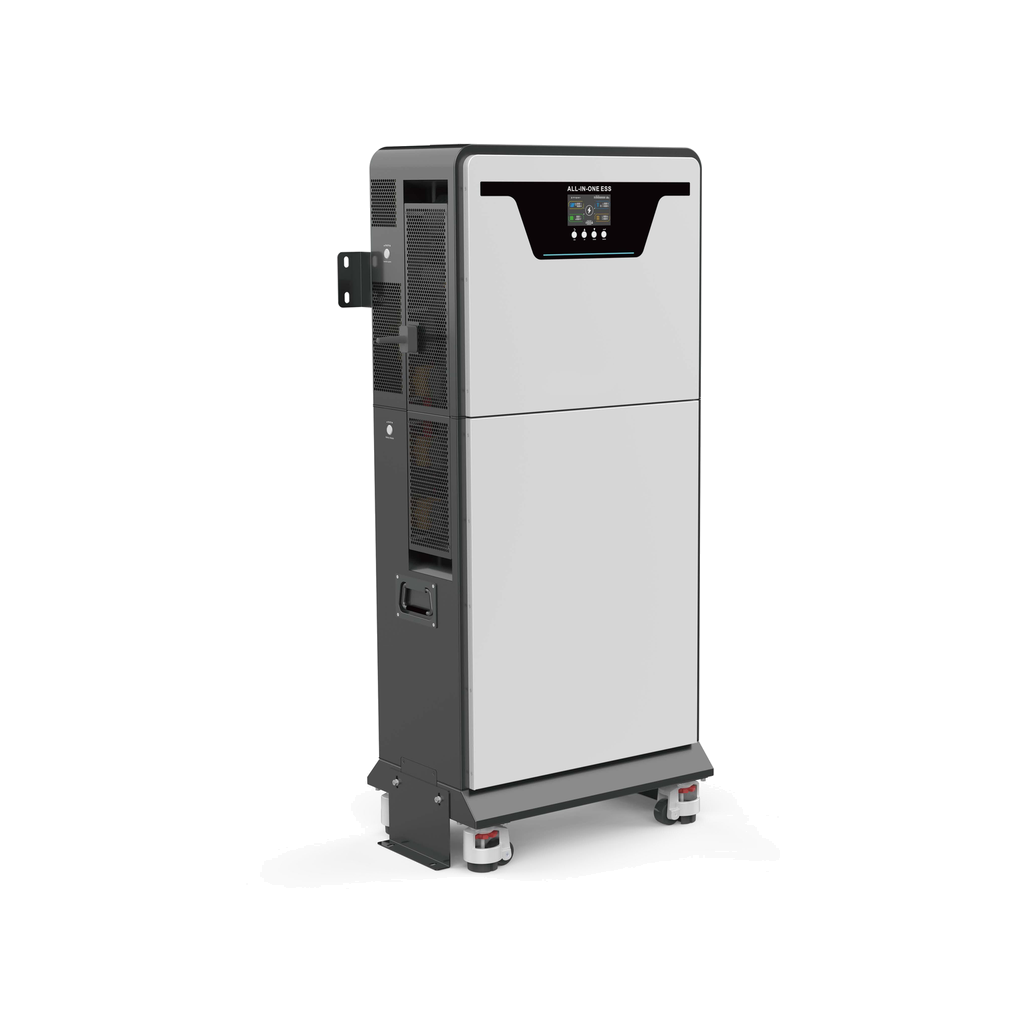
Key Specifications to Consider for Energy Storage Systems
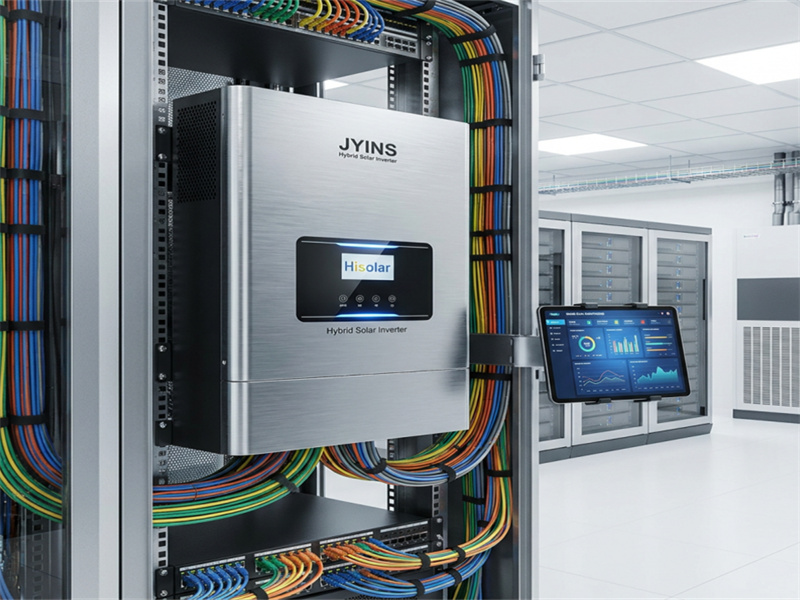
Various problems can arise with energy storage systems, impacting performance and reliability. One common issue is battery degradation over time, which can lead to reduced capacity and efficiency. To mitigate this, buyers should select systems with advanced battery management technologies that monitor performance and extend battery life. For instance, a Solar Inverter can work in conjunction with these technologies to optimize energy usage.
Another prevalent challenge is thermal management. Energy storage systems can generate significant heat during operation, which can affect performance. Effective solutions include employing phase change materials or designing systems with efficient heat dissipation mechanisms. Buyers should verify that the chosen system incorporates such features to ensure optimal operation under varying environmental conditions.
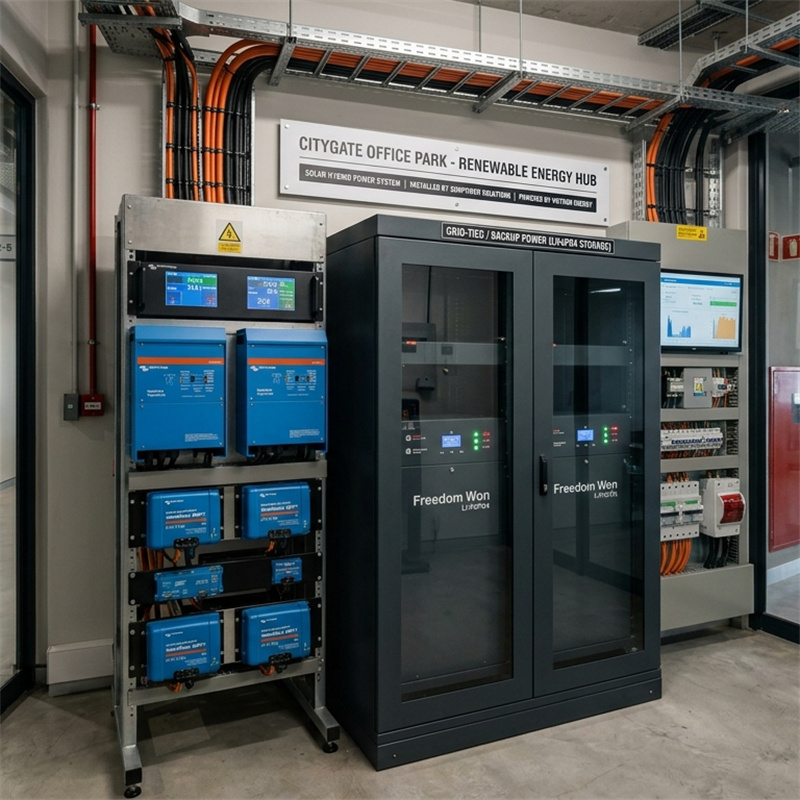
Lastly, compatibility with existing energy infrastructure can pose challenges. Before procurement, it is crucial to assess the specifications of the energy storage system and ensure they align with current solar inverters and other components. Collaborating with suppliers who offer comprehensive technical support can facilitate smoother integration and troubleshooting.