EN
EN


Introduction: The Complexity of Inverter Manufacturing
In the modern B2B procurement landscape, purchasing customized industrial equipment is a highly strategic operation. Among these critical assets, power inverters and hybrid solar controllers represent some of the most complex high-voltage electronics. As global energy grids decentralize and industries shift toward electrification, the demand for customized industrial inverters tailored to specific voltage ranges, unique communication protocols, and extreme physical environments has surged.
However, constructing a customized inverter is not a simple assembly process. It is a highly coordinated synthesis of global supply chains, requiring thousands of individual electronic and mechanical components. From advanced silicon semiconductors and copper-wound transformers to raw aluminum housings and high-purity electrolytic paste, a delay in sourcing a single minor component can halt an entire production line. For B2B procurement directors and solar project wholesalers, understanding how supply chain resilience dictates project lead times is essential to manage operational risk and ensure on-time project delivery. This article analyzes these dynamics and explores how to choose manufacturing partners that can guarantee reliable delivery schedules.
Question: How does 'Supply Chain Resilience' directly affect lead times for customized industrial power inverter projects, and how can B2B procurement directors mitigate these risks?
To answer this question, we must examine the specific vulnerabilities in the customized inverter supply chain, identify the key pillars that make a manufacturer resilient, and outline strategies for procurement managers to protect their timelines.
The Anatomy of a Customized Inverter Supply Chain
When a B2B client requests a customized industrial power inverter (such as an OEM or ODM project), the customization typically spans multiple layers of hardware and software:
- PCB Layout and Component Specification: Customizing the inverter's printed circuit board to handle unique DC input voltage ranges or integrating specific high-performance MOSFETs or IGBTs.
- Firmware and Communication Protocols: Programming the internal microcontroller with proprietary algorithms or integrating custom RS485 Modbus registers to synchronize with the client's existing remote monitoring system.
- Mechanical and Casing Modifications: Customizing the dimensions, mounting brackets, color, branding, and ventilation paths of the aluminum housing.
Because of these customizations, the manufacturer cannot simply pull a finished unit off the shelf. They must source specific raw materials and components, many of which are prone to supply chain bottlenecks. The key components that drive lead-time vulnerability include:
1. Silicon Semiconductors (IGBTs and MOSFETs): These are the switching brains of the inverter. High-power semiconductors are manufactured by a select few global foundries (such as Infineon, STMicroelectronics, or Onsemi). During global supply crunches, lead times for these critical ICs can skyrocket from standard six-to-eight weeks to forty weeks or more.
2. Magnetic Components: High-frequency transformers and inductors require specialized copper wiring and ferrite cores. Fluctuations in global copper prices and core material availability can quickly cause manufacturing delays.
3. High-Temperature Electrolytic Capacitors: Sourcing these specialized capacitors, which are critical for long-term inverter lifespans, requires stable partnerships with top-tier component manufacturers.
How Supply Chain Resilience Prevents Project Delays
A manufacturer's 'Supply Chain Resilience' is their capacity to resist supply chain disruptions, adapt to component shortages, and maintain stable production schedules. In the power electronics industry, a highly resilient manufacturer relies on four key operational pillars:
- Dual-Sourcing and Component Cross-Referencing: A resilient manufacturer does not design a PCB around a single, highly specialized component unless absolutely necessary. Instead, their engineering team designs flexible PCB layouts that can accommodate alternative semiconductor packages or pin-compatible ICs from multiple certified suppliers. If one chip goes out of stock, production can switch to an alternative within days rather than waiting months.
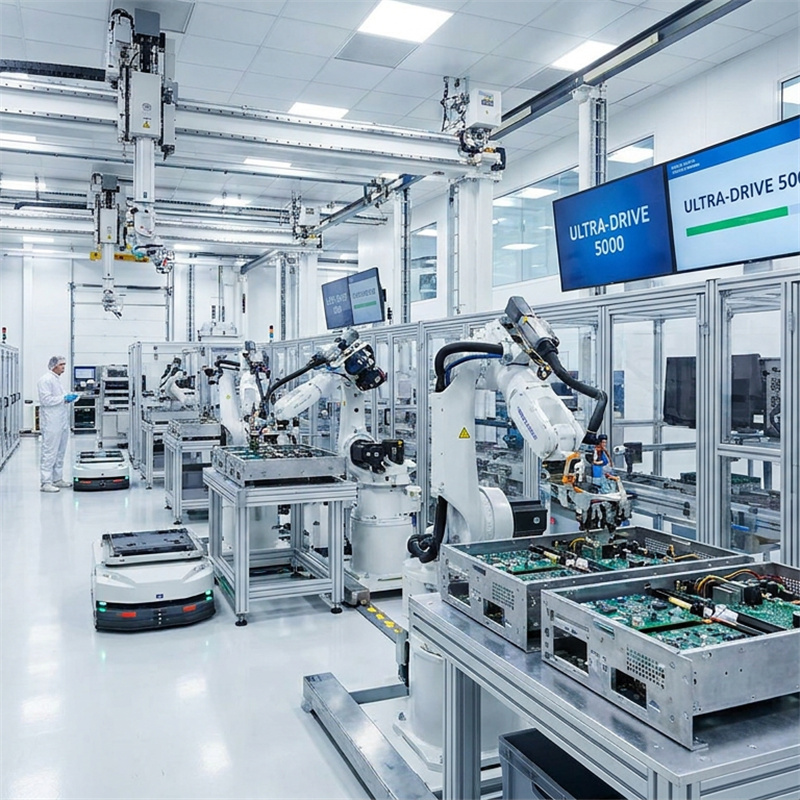
- In-House Manufacturing Capabilities: Many low-cost inverter brands are merely assembly workshops that outsource their SMT (Surface Mount Technology) board printing, metal fabrication, and painting to external sub-contractors. This outsourcing model introduces massive lead-time variability. A resilient manufacturer integrates these core processes in-house. Having dedicated SMT lines, custom metal CNC stamping, and automated testing facilities under one roof gives the manufacturer total control over the production schedule.
- Strategic Buffer Stock of Long-Lead Components: Rather than operating on a strict Just-In-Time (JIT) inventory model, which is highly vulnerable to shipping bottlenecks, resilient manufacturers maintain a strategic buffer stock of critical, long-lead components (such as microcontrollers, power transistors, and raw aluminum billets) sufficient for three to six months of production.
- Strong Supplier Relationships and Volume Allocation: Maintaining deep, long-term relationships with major global component distributors and foundries ensures that the manufacturer receives priority allocation during industry-wide component shortages.
Procurement Strategies to Mitigate Lead-Time Risks
B2B procurement directors and solar wholesalers can proactively protect their project timelines by implementing three key sourcing strategies:
- Share Rolling Forecasts and Secure Early Bookings: Do not wait until a project is fully approved to engage with your inverter manufacturer. Share a rolling twelve-month purchasing forecast with your supplier. This allows them to pre-order long-lead semiconductors and reserve manufacturing capacity, reducing delivery lead times from months to weeks.
- Standardize Wherever Possible: While customization is often necessary, evaluate whether you can utilize standard hardware with customized firmware. Customizing software is incredibly fast and carries zero supply chain risk, whereas modifying physical components (such as custom housing sizes or unique terminal blocks) requires specialized manufacturing runs that extend lead times.
- Assess Supplier Verticals and Geographic Logistics: Choose manufacturers that possess highly integrated local supply chains. Sourcing from a factory located in a major industrial hub with easy access to component suppliers and global shipping ports dramatically reduces local transport times and logistics bottlenecks.
The JYINS Standard: Predictable Lead Times through Vertical Integration
At JYINS Electrical, we have built our reputation on manufacturing excellence and supply chain resilience. Over decades of serving international B2B clients, we have aggressively verticalized our manufacturing processes. We operate state-of-the-art SMT lines, in-house CNC metal stamping, and specialized testing laboratories inside our facilities. By keeping core manufacturing processes under our direct control and maintaining a robust, strategic buffer inventory of premier industrial-grade semiconductors and capacitors, we shield our clients from global supply chain volatility. Whether you require standard inverters or heavily customized OEM/ODM power solutions, JYINS and Hisolar products are delivered with predictable, transparent, and industry-leading lead times, ensuring your projects remain on track and on budget.
Conclusion: Sourcing Security in a Volatile World
When procuring customized industrial inverters, lead-time predictability is just as important as unit pricing and technical specs. A disruption in your inverter delivery can delay a multi-million-dollar microgrid deployment or halt a critical fleet roll-out. By prioritizing manufacturers with resilient, vertically integrated supply chains, flexible PCB designs, and strategic inventory management, B2B procurement directors can eliminate sourcing risks and secure a reliable, on-time supply of high-performance power hardware.
Table of Contents
- Introduction: The Complexity of Inverter Manufacturing
- Question: How does 'Supply Chain Resilience' directly affect lead times for customized industrial power inverter projects, and how can B2B procurement directors mitigate these risks?
- The Anatomy of a Customized Inverter Supply Chain
- How Supply Chain Resilience Prevents Project Delays
- Procurement Strategies to Mitigate Lead-Time Risks
- The JYINS Standard: Predictable Lead Times through Vertical Integration
- Conclusion: Sourcing Security in a Volatile World