Electric Tricycle Battery Charge: Key Supplier Insights

Get a Free Quote

Our representative will contact you soon.
Email
Mobile
Name
Company Name
Products of Interest
Message
0/1000

Electric tricycle battery charge

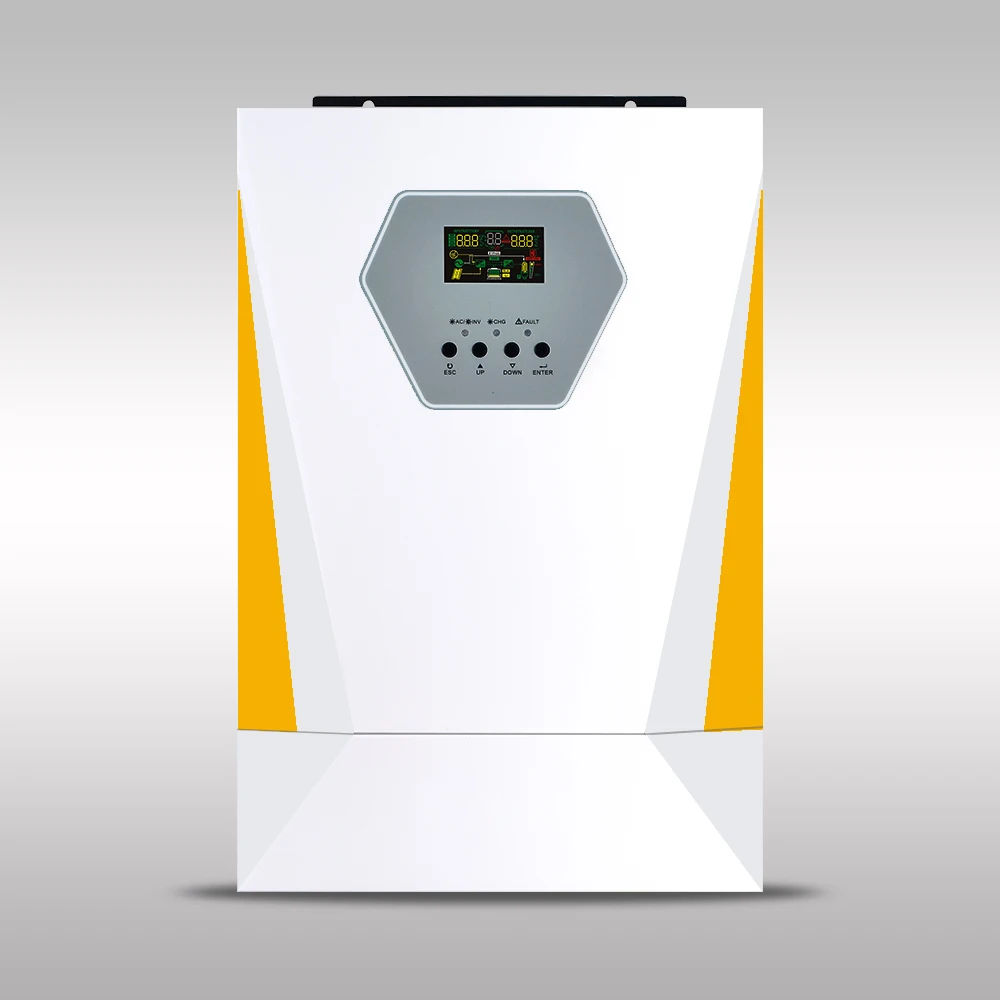
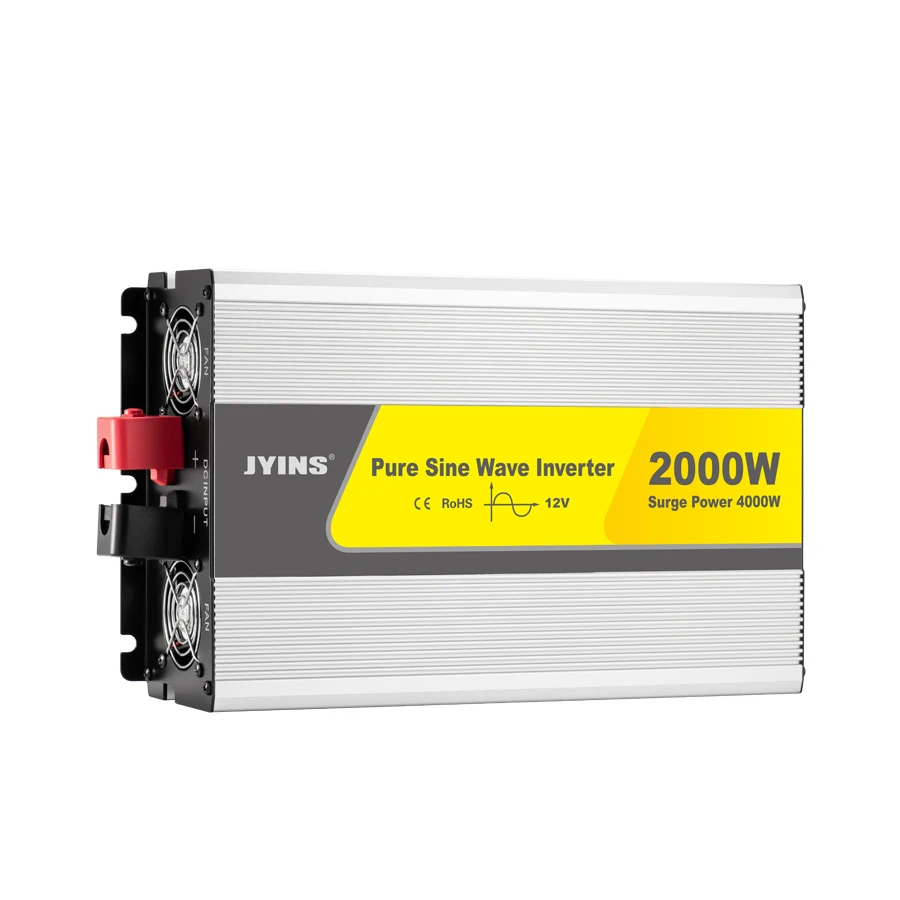
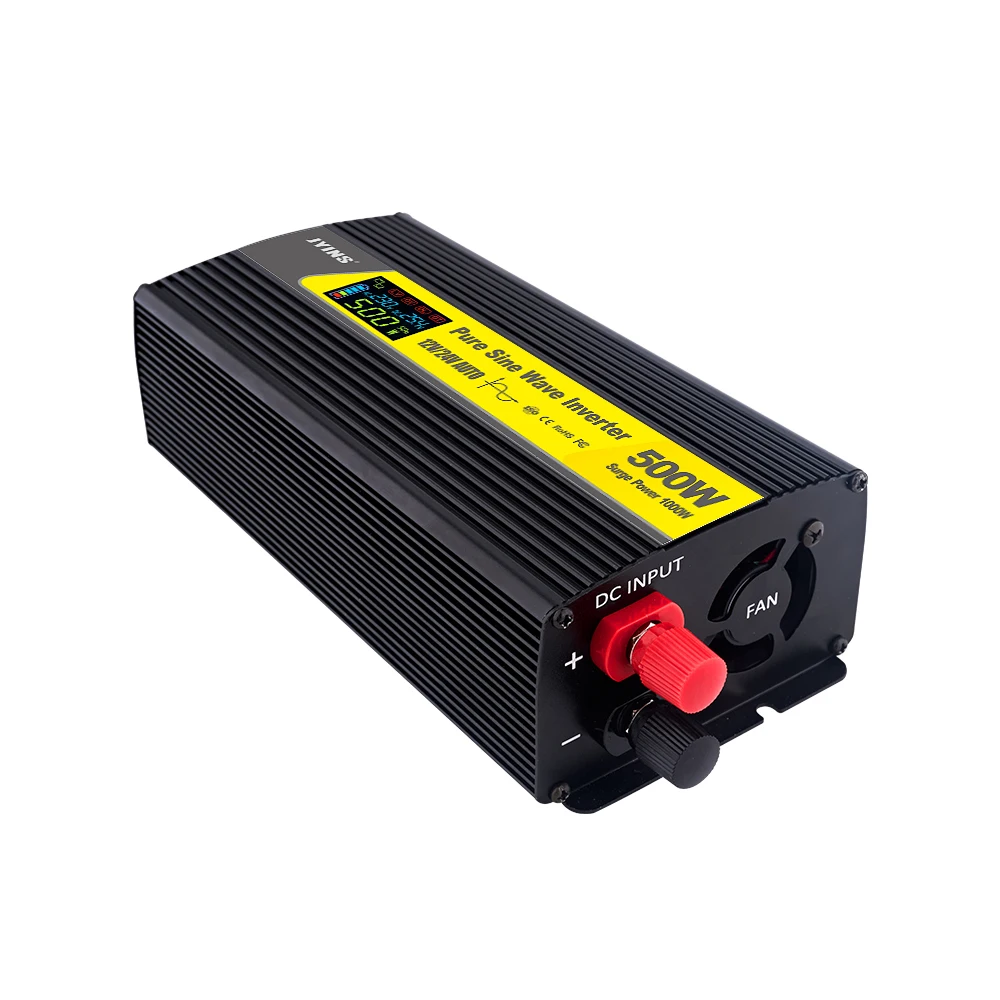
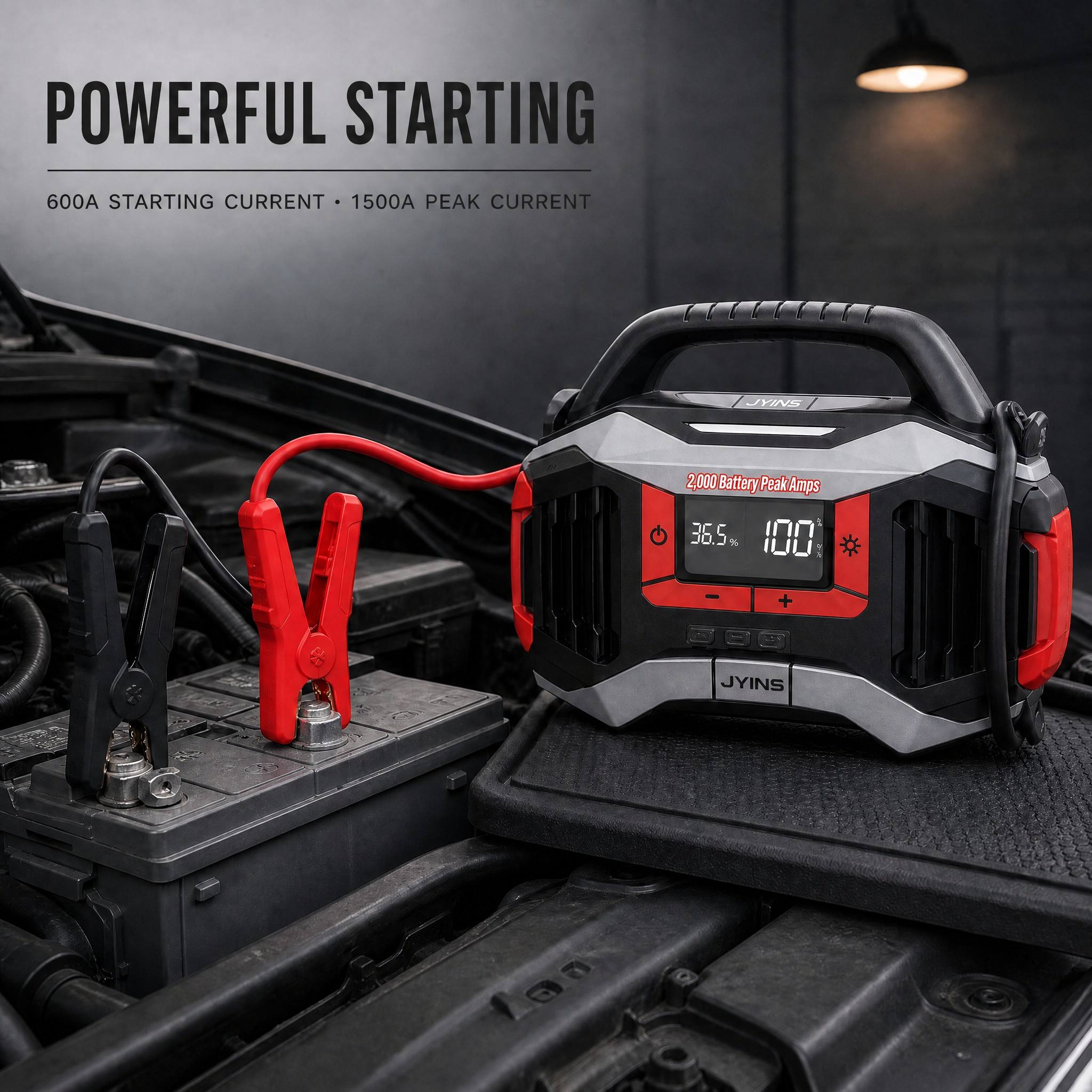
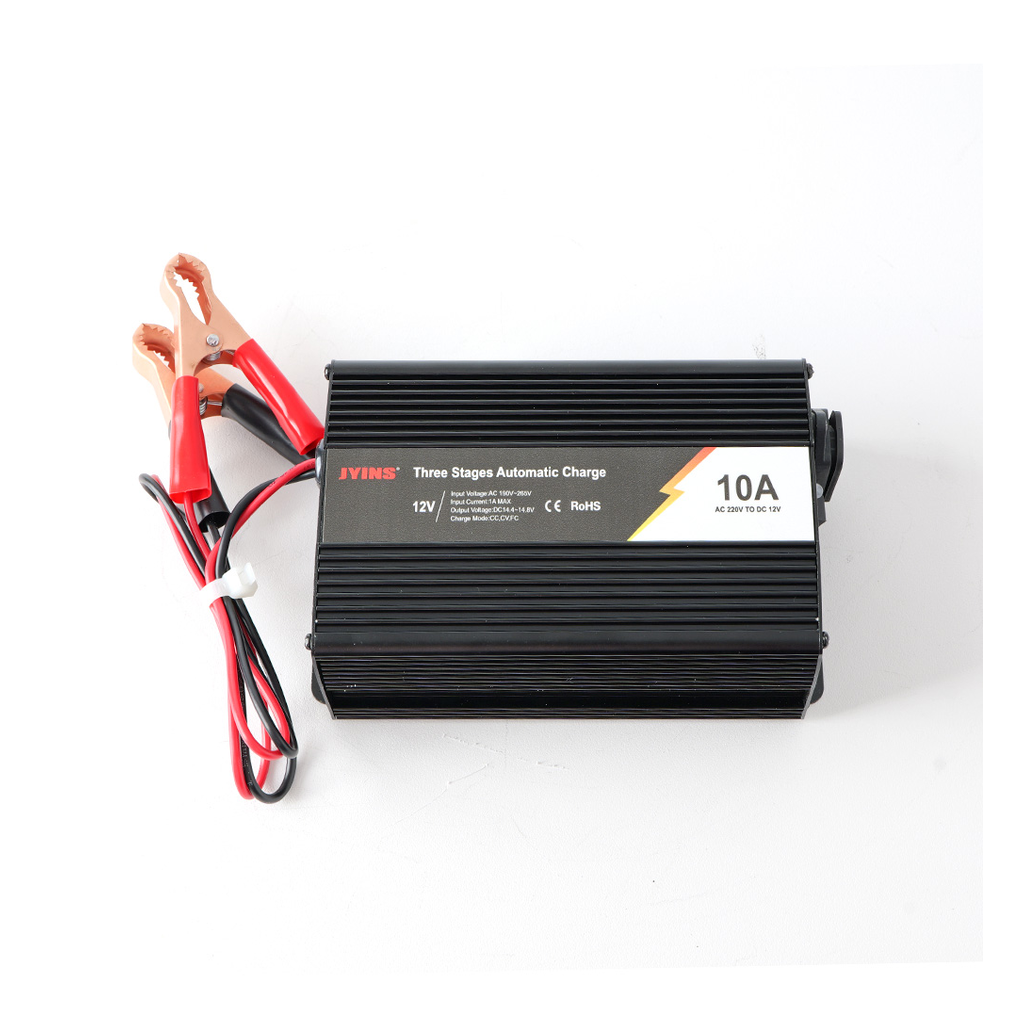
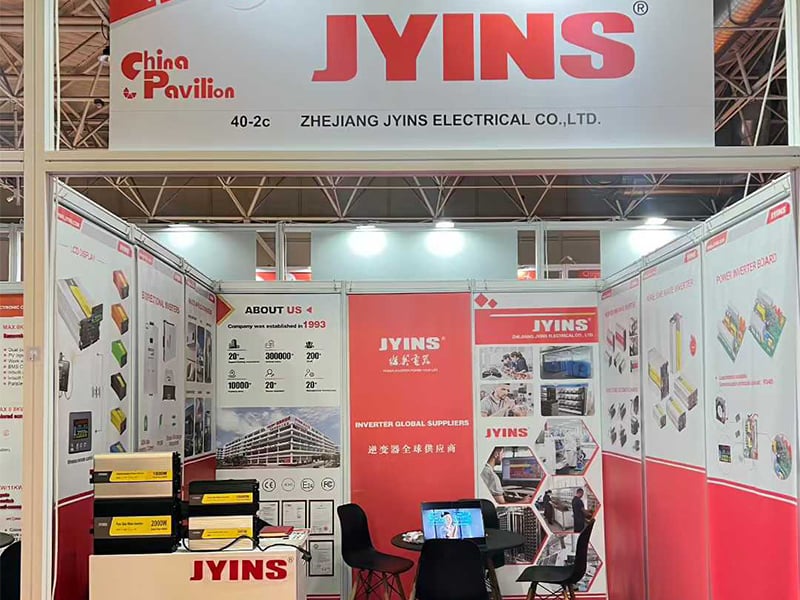
Electric tricycle batteries are essential components that power these eco-friendly vehicles, offering a clean alternative for transportation. As a purchasing manager or engineer, understanding the intricacies of electric tricycle battery charging is crucial for ensuring optimal performance and longevity. This article will explore key considerations when evaluating suppliers, installation guidance, common issues and their solutions, cost factors, and where to find reliable suppliers, all of which are vital for making an informed purchasing decision. Jyins, a brand associated with Zhejiang JYINS Electric Co., Ltd., has experience in energy-related products and electrical equipment. The company was established in 1993 and has more than 150 employees, including management, technicians, and senior engineers. Its operations include research and development, manufacturing, quality control, and customized services for different customer requirements. Jyins also emphasizes quality assurance and after-sales support, with a dedicated quality department that checks products before delivery. The company has a 12-person R&D team, professional technicians, and extensive manufacturing resources, allowing it to develop customized solutions based on specific customer needs. For buyers evaluating electric tricycle battery charger suppliers, these capabilities can be useful factors to consider alongside battery specifications, charging requirements, compatibility, warranty terms, and overall supplier support.
Our Products

Installation Guidance for Electric Tricycle Battery Systems

Installation Guidance for Electric Tricycle Battery Systems

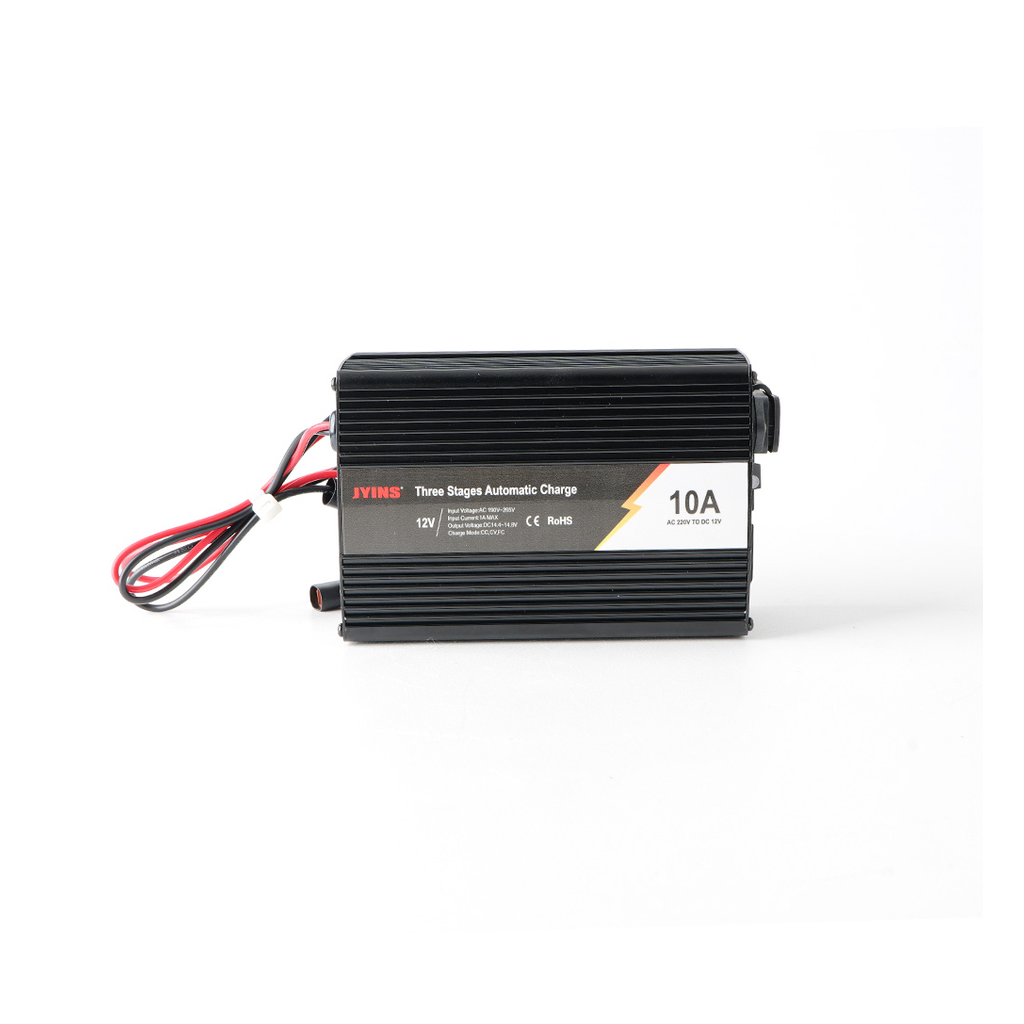
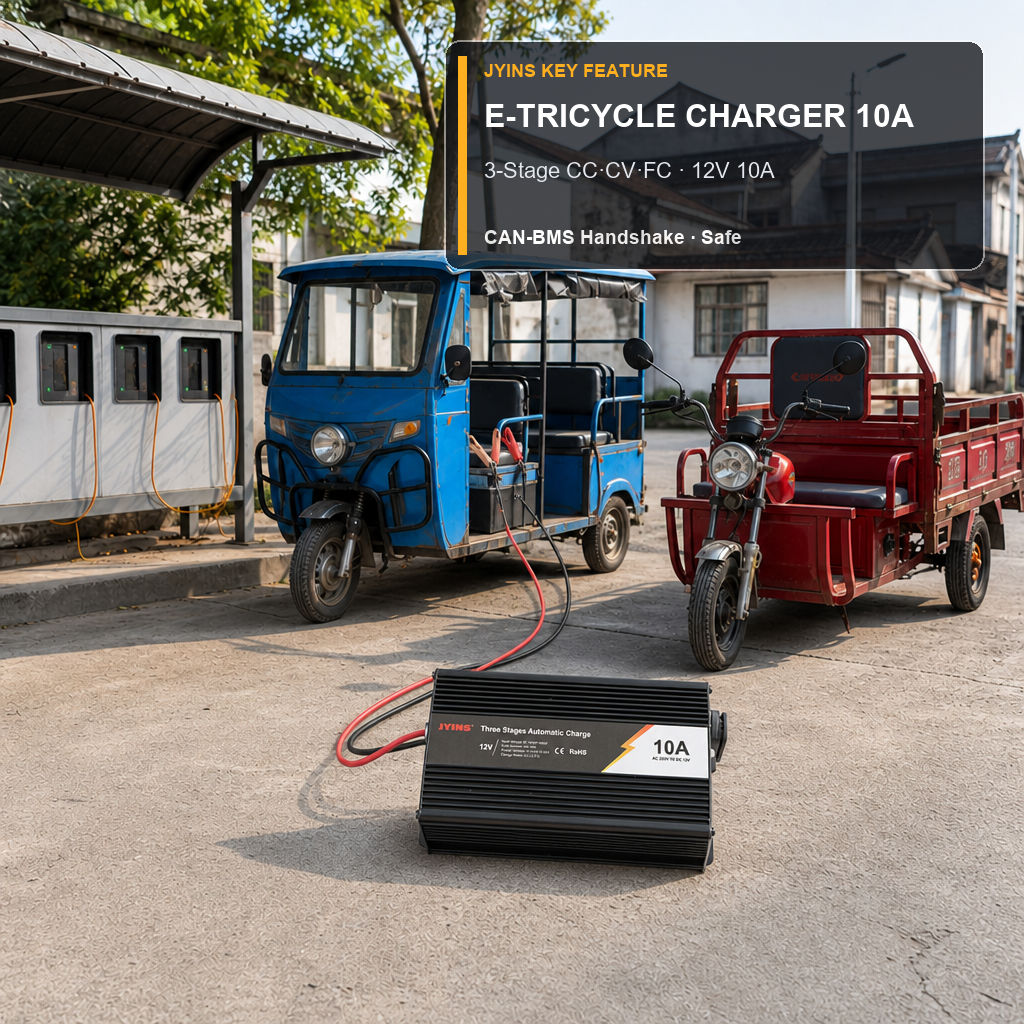
Proper Installation Guidance is important because incorrect installation can affect battery performance and vehicle safety. Before installing Electric Tricycle Batteries, review the manufacturer’s instructions carefully.  Following proper Installation Guidance also helps ensure that the battery management system, or BMS, works correctly. A BMS can monitor important battery conditions and provide protection against problems such as overcharging or excessive discharge. When installing Electric Tricycle Batteries, verify that the BMS is compatible with the battery specifications and vehicle system. Battery placement should be considered carefully. Electric Tricycle Batteries should be securely mounted to reduce unnecessary movement caused by vibration or uneven roads. Proper Installation Guidance can help reduce the risk of excessive heat and other installation-related problems. Electrical connections must also be checked carefully. Follow the recommended polarity and connection sequence, and make sure terminals are secure and properly insulated. These points should be included in the supplier’s Installation Guidance for Electric Tricycle Batteries. Buyers should confirm charger voltage, current, connector type, and charging specifications before installation. Clear Installation Guidance from the supplier can make this process easier for technicians and fleet operators. Following complete Installation Guidance helps reduce preventable installation problems and supports consistent operation of Electric Tricycle Batteries.
Common Problems with Electric Tricycle Batteries and Solutions

Common Problems with Electric Tricycle Batteries and Solutions

Electric tricycle batteries can encounter several common issues, primarily related to charging and performance. One frequent problem is insufficient charging, often caused by faulty chargers or improper connections. To address this, ensure that the Battery Charger is compatible with the battery type and that all connections are clean and secure. Regularly inspect charging equipment for wear or damage. Another issue is battery degradation over time, which can result from exposure to extreme temperatures or over-discharging. To counteract this, implement a routine maintenance schedule that includes monitoring battery health and ensuring it operates within the recommended temperature range. Incorporating a smart BMS can provide real-time data on battery performance, alerting users to potential problems before they escalate. In the event of performance issues, conducting a thorough diagnostic check can help identify faults. Engage suppliers or manufacturers for technical support, as they can provide insights based on their extensive knowledge of the product.

Understanding the Cost Factors of Electric Tricycle Batteries

Understanding the Cost Factors of Electric Tricycle Batteries

Several Cost Factors can influence the price of Electric Tricycle Batteries. Battery chemistry, capacity, voltage, dimensions, production volume, customization, packaging, shipping, and warranty conditions can all affect the final purchasing cost. The expected operating period, maintenance requirements, charging characteristics, and replacement frequency are important Cost Factors when evaluating Electric Tricycle Batteries. Capacity is another major Cost Factor. A battery with a higher capacity may have a higher purchase price, but it may also meet the requirements of applications that need longer operating periods. Clear specifications can help suppliers calculate the Cost Factors more accurately. Buyers should compare the unit price together with shipping, packaging, testing, and other related Cost Factors. Warranty terms should also be included in the purchasing evaluation. A lower purchase price may not represent the lowest overall expense if the battery requires frequent replacement or has limited support. Evaluating the total cost of ownership provides a broader view of the Cost Factors associated with Electric Tricycle Batteries. 
Where to Find Reliable Suppliers of Electric Tricycle Batteries

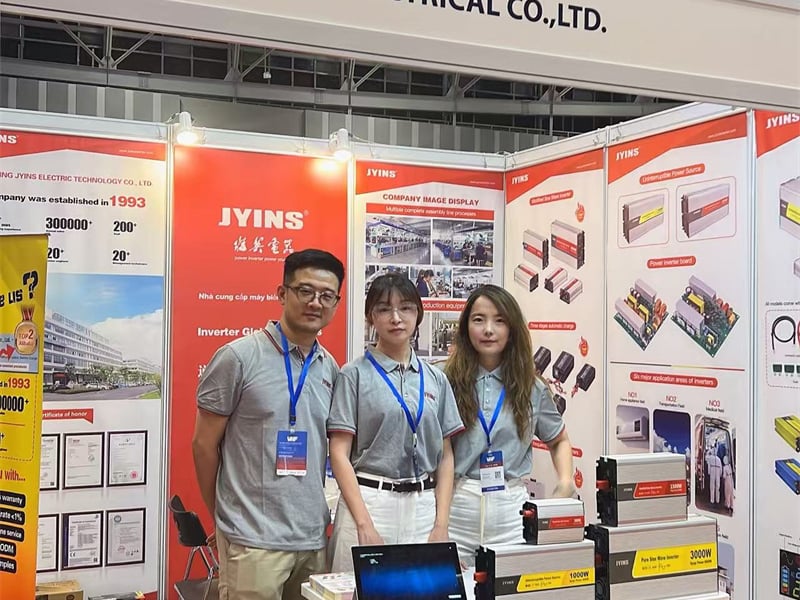
Finding reliable suppliers of electric tricycle batteries involves a strategic approach. Start by researching manufacturers with established reputations in the industry, particularly those known for producing high-quality solar products and vehicle battery charger systems, such as Zhejiang Jyins Electrical Co., LTD. Industry trade shows and exhibitions can also serve as valuable platforms for connecting with potential suppliers, allowing for direct engagement and product demonstrations. Online marketplaces and business directories can provide lists of manufacturers, but it’s essential to vet these suppliers thoroughly. Look for customer reviews, case studies, and any documented experience with similar products. Engaging with industry forums can also yield recommendations from peers who have navigated similar purchasing processes. Consider reaching out to suppliers to discuss your specific requirements and gauge their responsiveness and willingness to collaborate. Establishing a relationship with a supplier willing to offer technical support and ongoing communication can significantly enhance your purchasing experience.

Evaluating the Quality of Electric Tricycle Battery Suppliers

When choosing Electric Tricycle Batteries, buyers should first examine the supplier’s Quality Assurance practices. A reliable supplier should have clear procedures for material inspection, production control, battery testing, and final inspection. Quality Assurance can help buyers determine whether Electric Tricycle Batteries are manufactured consistently and meet the required specifications. Look for manufacturers that follow recognized quality management systems, such as ISO9000. Certifications and documented testing procedures can provide useful information about a supplier’s approach to Quality Assurance.  When comparing Electric Tricycle Batteries, purchasing teams should identify the required voltage and capacity before requesting quotations. Supplier production capabilities are another important part of Quality Assurance. Advanced equipment can support consistent production, while documented inspection procedures can help identify defects before Electric Tricycle Batteries are shipped. Request relevant certifications, technical specifications, test reports, and product documentation. Buyers can also request samples of Electric Tricycle Batteries before placing a bulk order. Testing samples under expected operating conditions can reveal potential performance issues and provide additional information about Quality Assurance. Its quality department conducts checks before delivery, which supports its stated Quality Assurance approach. For buyers comparing Electric Tricycle Batteries, supplier experience, testing procedures, technical support, and after-sales service should all be reviewed together.

Frequently Asked Questions

What batteries suit an electric tricycle charge system?

Our off-grid batteries for electric tricycle charging are deep-cycle, maintenance-free types optimized for cycle life, capacity and safety meeting ISO9000-based quality controls.
Charge time depends on battery capacity and charger power; typical deep-cycle 48V packs charge in 4–8 hours with our compatible chargers and recommended settings.
Yes. We design off-grid solar-compatible systems and inverters to charge tricycle batteries directly or via storage, ensuring safe charge control and power regulation.
Our systems include overcharge, over-discharge, short-circuit and temperature protection, plus high-quality cells and manufacturing under ISO9000-aligned processes.
Maintain moderate state-of-charge, avoid deep discharges, keep terminals clean, store at recommended temperatures, and use our compatible chargers and periodic inspections.

Our Blog Posts

The Future of Hybrid inverters in Grid-connected Energy storage systems

14

May

The Future of Hybrid inverters in Grid-connected Energy storage systems

Hybrid inverters are very important for future of energy storage systems connect to the grid. They help store energy from sources like solar panels and wind turbines, making easier to use that energy when needed. With world move towards greener energ...
View More
The Impact of Waveform Quality in Power frequency inverters

14

May

The Impact of Waveform Quality in Power frequency inverters

Waveform quality in power frequency inverters are important topic for anyone who into how electricity get made and used. Inverters change DC to AC, and this need because most appliances run on AC power. The waveform they make can affect devices alot,...
View More
Why is 'Parallel Communication' mapping critical for unbalanced phase loads in 3-phase systems?

25

Jun

Why is 'Parallel Communication' mapping critical for unbalanced phase loads in 3-phase systems?

Introduction to Three-Phase Inverter Architectures In heavy industrial workshops, commercial facilities, and remote mining sites, three-phase electrical power (380V, 400V, or 480V) is the standard for operating large electric motors, CNC machines, an...
View More
Selecting Inverters for Underground Mining: Tackling vibration, humidity, and safety venting.

25

Jun

Selecting Inverters for Underground Mining: Tackling vibration, humidity, and safety venting.

Q: Selecting Inverters for Underground Mining: Tackling vibration, humidity, and safety venting. Introduction: The Most Demanding Environment on Earth Underground mining is arguably the most hostile operating environment for electrical power electron...
View More

Get a Free Quote

Our representative will contact you soon.
Email
Mobile
Name
Company Name
Products of Interest
Message
0/1000

Related product categories

Electric Tricycle Battery Charge: Key Supplier Insights

Get a Free Quote

Our representative will contact you soon.
Email
Mobile
Name
Company Name
Products of Interest
Message
0/1000