EN


Car power inverters with USB compatibility are essential devices for individuals and businesses needing reliable power sources for their electronics while on the go. As a B2B buyer, understanding the nuances of these products is critical to making informed purchasing decisions. This article will guide you through the key considerations for selecting the right car power inverter USB, including specifications, cost factors, common problems, and the advantages of high-quality products.
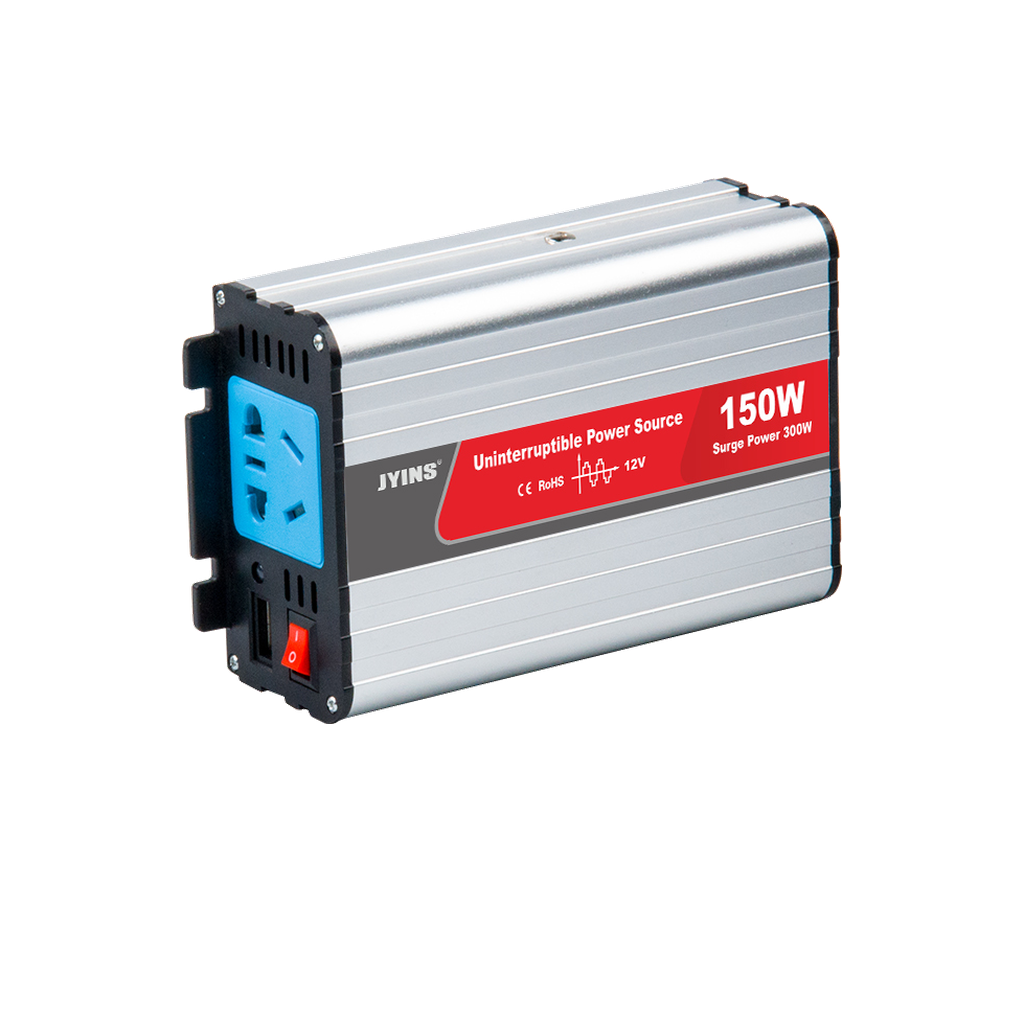
Key Specifications to Compare in Car Power Inverter USB Models
When comparing different car power inverter USB models, focus on these key specifications:
Power Output: This is usually measured in watts and indicates the maximum load the inverter can handle. Ensure the auto power inverter can support the total wattage of the devices you intend to use.
Input Voltage: Most car power inverters operate on 12V systems, but it’s crucial to verify compatibility with the specific vehicles in your inventory.
USB Output: The amperage output of the USB ports is vital, as it determines how quickly devices can charge. Higher amperage (like 2.1A or 2.4A) is preferable for faster charging.
Size and Weight: These factors can affect portability and ease of installation. Compact models often provide better convenience for users who need a space-efficient solution.
Efficiency Rating: Higher efficiency ratings indicate less energy loss during conversion, which can be particularly important for battery preservation in off-grid applications.
Understanding these specifications allows you to make informed comparisons and select products that best meet the needs of your clients.