Quality Automatic Battery Chargers for Cars

Get a Free Quote

Our representative will contact you soon.
Email
Mobile
Name
Company Name
Products of Interest
Message
0/1000

automatic battery charger for car

An automatic  battery  charger for cars  is an  essential device that  ensures your vehicle's  battery remains charged and ready  for use.  For businesses in the  automotive industry, sourcing high-quality battery chargers  can significantly impact  operational efficiency  and customer satisfaction. This  article will  address key considerations  for purchasing automatic battery chargers,  including quality evaluation, sourcing strategies, essential specifications, industry applications,  and installation guidance. By  understanding  these  facets, B2B buyers can make informed decisions that align with their operational requirements and quality standards.

Where to Source Reliable Automatic Battery Chargers for Your Business

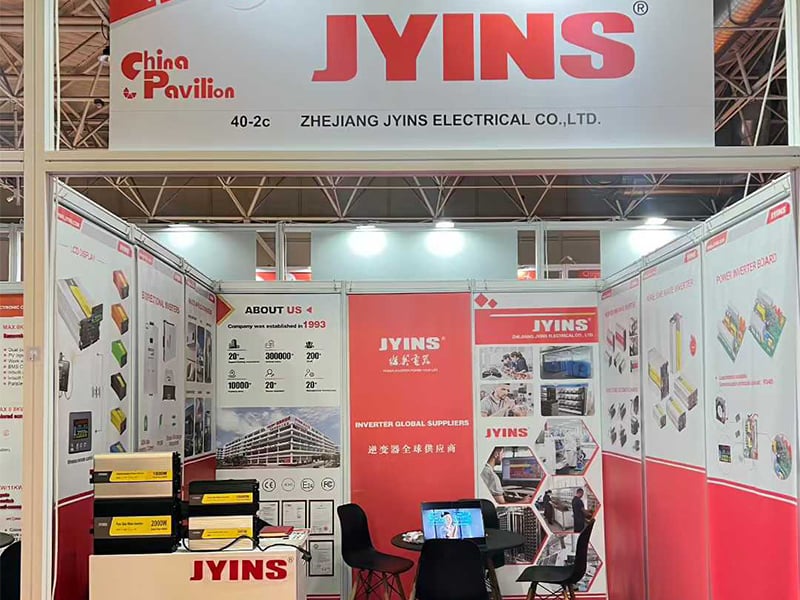
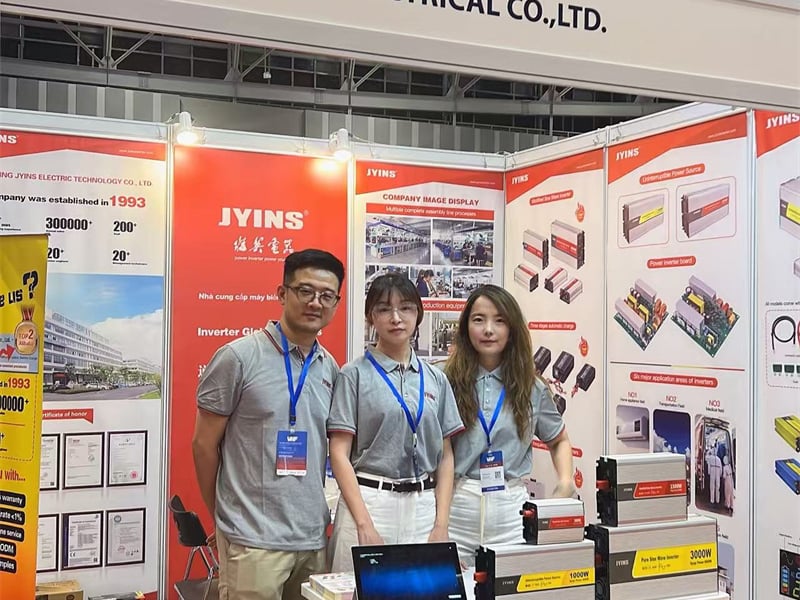
Sourcing  reliable  automatic battery  chargers  requires a  strategic approach. Start by identifying manufacturers with a proven track record in  the industry, such as those with ISO certifications and experience in the  automotive  sector. Engage  in trade shows and industry expos, where manufacturers showcase their products and innovations. This  provides an opportunity to interact  directly with suppliers and assess their offerings.


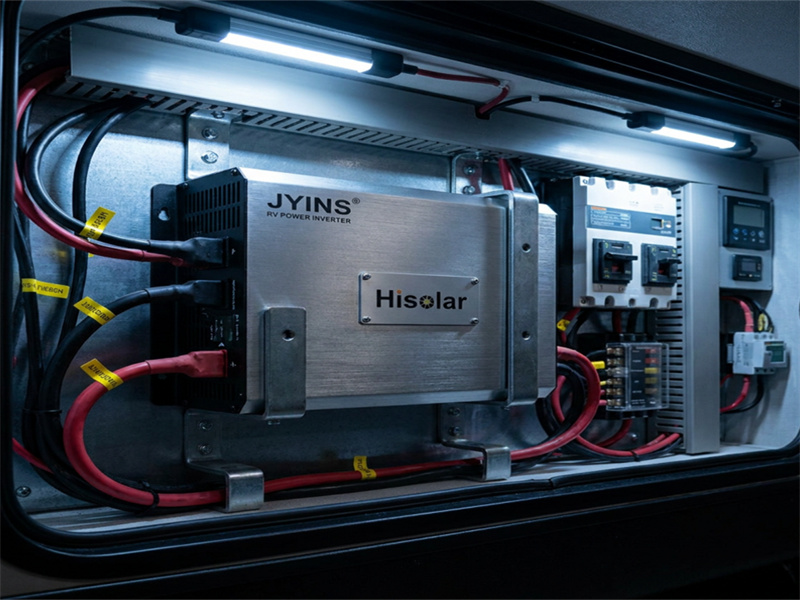
Additionally, utilize B2B platforms that specialize in connecting buyers with manufacturers. Websites like Alibaba or Global Sources can be useful to find potential suppliers,  but it's essential to conduct due diligence. Check supplier reviews, request  samples,  and evaluate their communication responsiveness.  Establishing a relationship with a manufacturer that has a  solid reputation can lead to better pricing and support. One such manufacturer is Hisolar, known for its high-quality products.

Lastly, consider local suppliers who  may offer quicker lead times  and  reduced shipping costs. This can be particularly advantageous for businesses needing immediate stock replenishment.
Key Specifications for High-Performance Automatic Battery Chargers

Understanding key specifications is crucial for selecting high-performance automatic battery chargers. Here are  some  critical factors  to consider:

Voltage  and Amperage Ratings: Ensure that  the charger is compatible with the vehicle's battery specifications.  Most car batteries operate  on 12V systems, but it’s vital to verify the amperage output to ensure it meets the charging requirements without causing damage.

Charging Technology: Look for chargers  that utilize smart charging technology, which automatically adjusts the charging rate based on the battery's condition. This  feature prevents overcharging and extends battery life.

Size and Weight: The  physical  dimensions and weight  of the charger can  impact portability  and ease of use, especially for mobile applications. Ensure the size aligns with your  operational needs.

Indicators and Displays: A quality charger will feature clear  indicators or displays that  provide real-time feedback on battery status, charging progress, and potential fault alerts.

Durability Features: Assess the  protection ratings, such as IP ratings for dust and moisture resistance, which are essential  for chargers used in varied environments, including workshops and outdoor settings. 


Applications of Automatic Battery Chargers in Various Industries

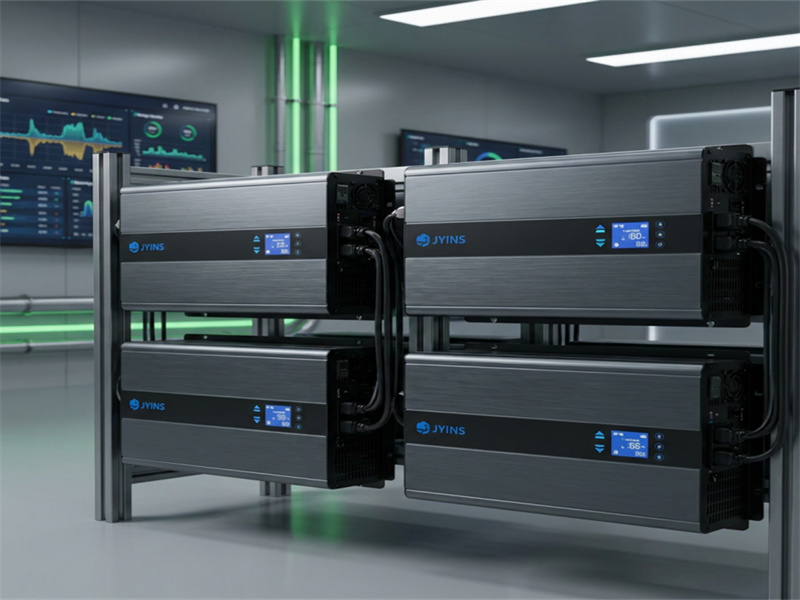
Automatic battery chargers  find applications  across multiple industries beyond automotive. In the telecommunications sector, they  are used  to maintain backup batteries for critical  systems, ensuring  uninterrupted service. In the renewable energy sector, particularly  in solar applications, these chargers can help  maintain battery banks that store solar energy, providing a reliable power source. For instance, solar inverters play a crucial role in this process.

Additionally, in the  marine industry, automatic battery chargers ensure that boat batteries remain  charged during periods of  inactivity.  They  are also critical in the  construction  industry,  where equipment and machinery  rely on  fully charged batteries for operational efficiency. Understanding these  applications can help  B2B buyers identify the specific features required for their industry needs.

Installation Guidance for Automatic Battery Chargers in Automotive Settings

Proper installation of automatic battery chargers  is vital for optimal performance and safety. Begin by reviewing the manufacturer's  installation manual, as it  will provide specific instructions tailored to that model. 

Location: Install chargers  in a dry, well-ventilated  area to avoid moisture exposure, which can affect performance and  safety. Ensure the charger is located near a power source  to minimize extension cord usage.

Connection: When connecting the charger, always follow the correct polarity—positive to positive and negative to negative. This prevents short circuits and&nbsp; potential damage to the vehicle's electrical system. </p>

Settings: Configure the charger settings based on the battery type and capacity.&nbsp; Many modern chargers&nbsp; have automatic detection features, but it's advisable to verify these settings manually to ensure compatibility.

Safety Precautions: Always wear protective gear&nbsp; when handling batteries, as they contain corrosive substances and&nbsp; can&nbsp; release&nbsp; gases. Additionally, ensure that the charger is unplugged during connection and disconnection.

Selecting an automatic&nbsp; battery charger for cars involves careful evaluation of quality, sourcing strategies, understanding&nbsp; specifications,&nbsp; and knowledge of applications. By following these guidelines, B2B buyers can make informed decisions that enhance their operations and meet&nbsp; their customers' needs&nbsp; effectively.

How to Evaluate the Quality of Car Battery Chargers for Wholesale

When&nbsp; assessing the quality of automatic battery chargers for&nbsp; wholesale, several factors must be considered. First, check the charger’s&nbsp; compliance with international standards, such as ISO9000, which indicates a commitment to quality management.&nbsp; A reputable manufacturer, like&nbsp; Zhejiang Jyins Electrical Co., LTD, adheres to these standards, which can be a strong indicator&nbsp; of&nbsp; product reliability.

Next, examine the materials used in construction. Look for chargers made from durable,&nbsp; heat-resistant materials that can withstand&nbsp; operational demands. Additionally, the&nbsp; charger&nbsp; should feature protective mechanisms against over-voltage, over-current, and short circuits. These features&nbsp; not&nbsp; only extend the lifespan of the charger but also enhance safety during&nbsp; operation.

Moreover, consider the&nbsp; manufacturer's quality control processes.&nbsp; Understanding how they test&nbsp; and inspect their products can provide&nbsp; insights into&nbsp; the potential performance and longevity of the chargers. Regular testing for functionality and&nbsp; safety ensures that the products meet the required standards before reaching the market.

Our Blog Posts

The RV Manufacturer’s Engineering Guide: Optimizing Power Conversion Systems for High-Vibration Environments

15

May

The RV Manufacturer’s Engineering Guide: Optimizing Power Conversion Systems for High-Vibration Environments

The RV Manufacturer’s Engineering Guide: Optimizing Power Conversion Systems for High-Vibration Environments For Recreational Vehicle (RV) manufacturers, the challenge of electrical system design is fundamentally different from residential or i...
View More
Scaling Off-Grid Energy: A Technical Analysis of Parallel Bidirectional Inverters in Sustainable Microgrids

15

May

Scaling Off-Grid Energy: A Technical Analysis of Parallel Bidirectional Inverters in Sustainable Microgrids

Introduction: The Evolution of Off-Grid Power As the global transition toward renewable energy accelerates, the demand for resilient and scalable off-grid solutions has never been higher. Sustainable microgrids—localized energy systems that can...
View More
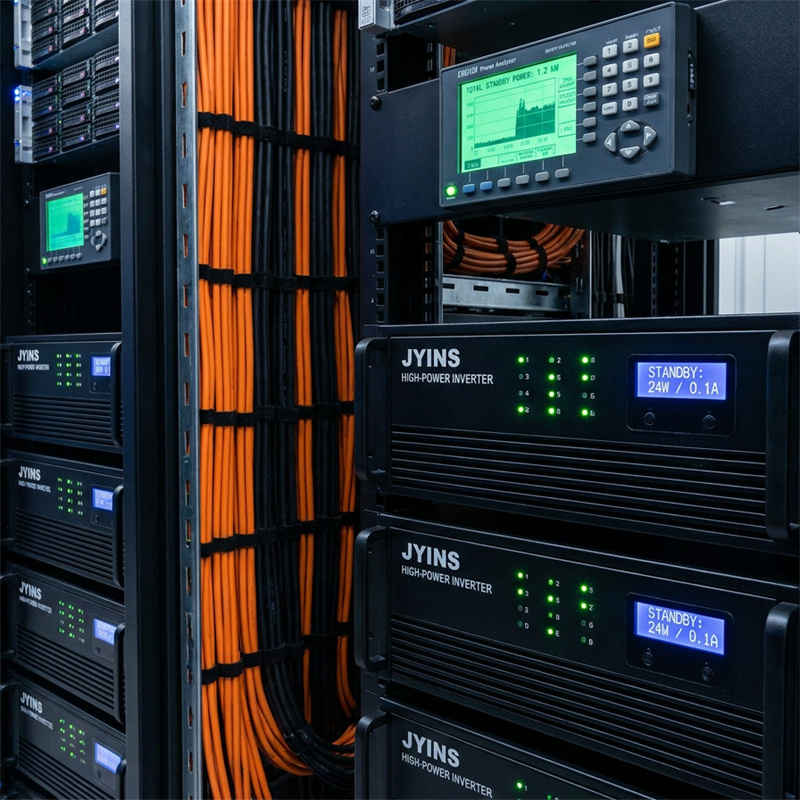
Resolving 'Ghost Power Consumption' in standby mode for large-scale B2B inverter installations.

25

Jun

Resolving 'Ghost Power Consumption' in standby mode for large-scale B2B inverter installations.

Introduction to Inverter Standby Losses In large-scale commercial, industrial, and utility-scale battery energy storage systems (BESS), efficiency is calculated to the tenth of a percent. While a lot of attention is focused on the conversion efficien...
View More
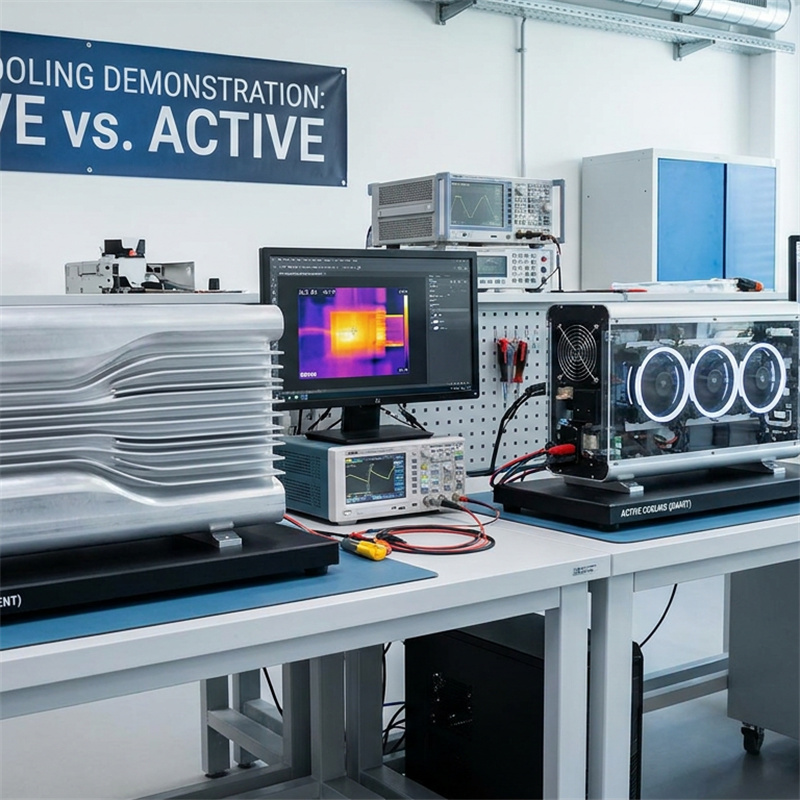
Understanding the role of 'Passive Cooling' vs. 'Active Cooling' in long-term inverter reliability

25

Jun

Understanding the role of 'Passive Cooling' vs. 'Active Cooling' in long-term inverter reliability

Introduction: The Core Thermal Trade-Off In the world of B2B electrical engineering and solar procurement, thermal management is a primary focus when evaluating power inverters. Because inverters handle high levels of electrical power, they inevitabl...
View More

Get a Free Quote

Our representative will contact you soon.
Email
Mobile
Name
Company Name
Products of Interest
Message
0/1000
Quality Automatic Battery Chargers for Cars

Get a Free Quote

Our representative will contact you soon.
Email
Mobile
Name
Company Name
Products of Interest
Message
0/1000