EN
EN


Introduction: The Evolution of Off-Grid Power
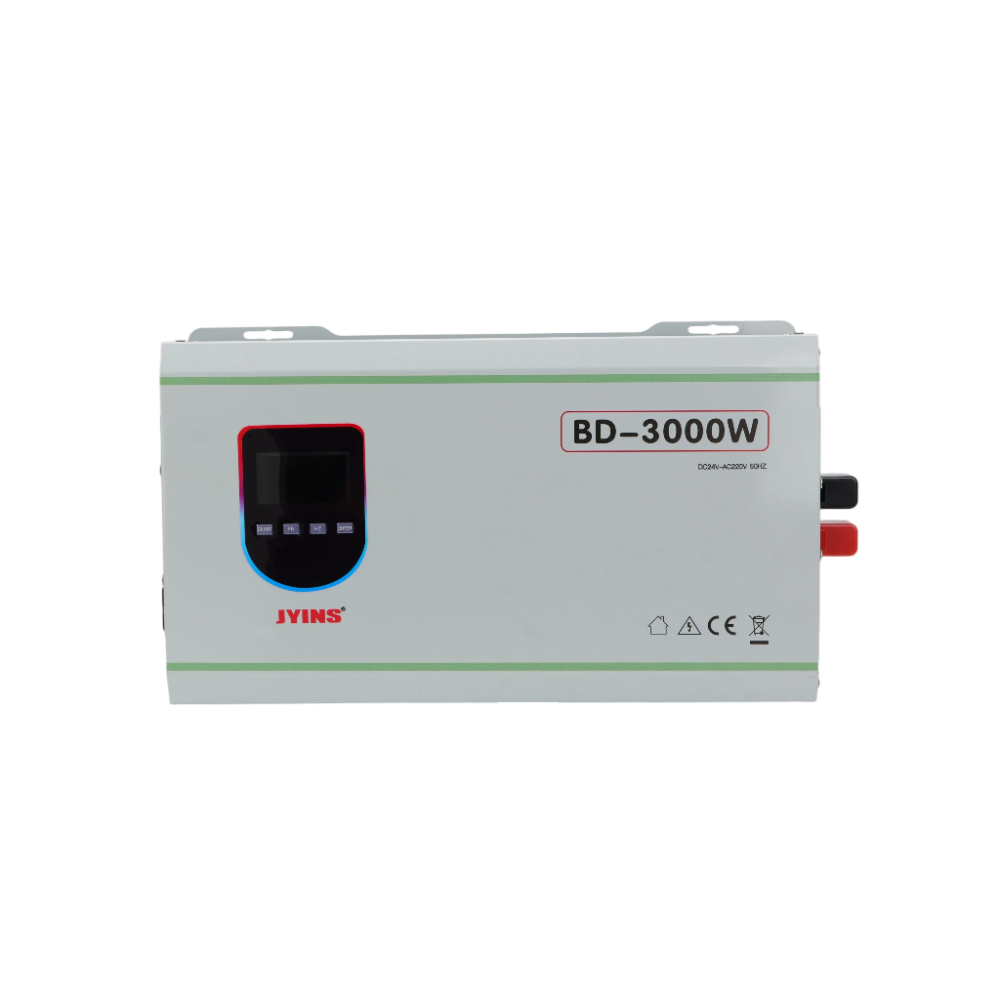
As the global transition toward renewable energy accelerates, the demand for resilient and scalable off-grid solutions has never been higher. Sustainable microgrids—localized energy systems that can operate independently of the main grid—are at the forefront of this shift. However, as these systems grow from residential setups to industrial-scale operations, a significant technical hurdle emerges: how to scale power capacity without compromising efficiency or reliability. This is where parallel bidirectional inverters, such as those engineered by JYINS Electrical, become the cornerstone of modern microgrid architecture.
The Core Functionality: Why Bidirectional?
In a traditional solar setup, separate units often handle DC-to-AC conversion (inverters) and AC-to-DC charging (chargers). A bidirectional inverter integrates these functions into a single, high-efficiency unit. It manages the flow of electricity between renewable sources (like solar PV arrays), battery storage systems, and the AC loads of the microgrid. During peak production hours, the unit rectifies excess AC power to charge the battery bank. During peak demand or low production, it inverts stored DC energy back into high-quality AC power.
For microgrid developers, the bidirectional nature simplifies system design, reduces the number of failure points, and optimizes energy management. But the real power of this technology is unlocked through parallelization.
The Technical Challenges of Parallel Configuration
Paralleling inverters isn't as simple as connecting two units in a row. It requires sophisticated control logic to ensure that multiple units act as a single, cohesive power source. There are three primary technical challenges:
1. Synchronization: Inverters must be perfectly synced in frequency and phase. Even a micro-second difference can lead to circulating currents that can damage the hardware.
2. Load Sharing: The system must ensure that the total load is distributed evenly across all units. If one inverter takes on more than its share, it risks overheating and premature failure.
3. Communication Latency: High-speed communication buses are required to share real-time data between units to adjust parameters instantaneously as loads fluctuate.
JYINS has addressed these challenges through advanced DSP (Digital Signal Processing) and robust communication protocols, ensuring that up to several units can operate in parallel with near-zero latency and high precision.
Scalability and Redundancy: The B2B Advantage
For industrial procurement and microgrid developers, the primary advantage of parallel bidirectional inverters is modularity.
Modular Growth
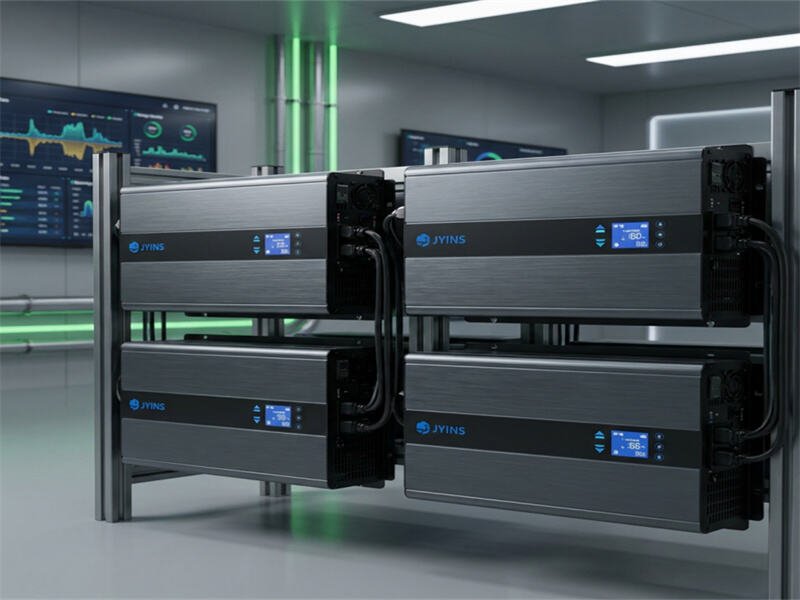
Instead of investing in a massive, single-point-of-failure 50kW inverter, developers can start with three 15kW JYINS units in parallel. As the microgrid's energy needs grow—perhaps due to a factory expansion or an increased load from EV charging stations—additional units can be added to the array. This 'pay-as-you-grow' model significantly reduces initial CAPEX while future-proofing the installation.
N+1 Redundancy
In critical applications, such as remote telecommunications or medical facilities, power failure is not an option. A parallel system provides inherent redundancy. If one unit requires maintenance or fails, the remaining inverters can continue to power the load (assuming they are sized for the critical load). This 'N+1' strategy is a standard requirement for high-availability sustainable microgrids.
JYINS Engineering: EMC Class B and Advanced Protection
One of the defining features of JYINS bidirectional inverters is their compliance with EMC Class B standards. In a microgrid environment filled with sensitive monitoring equipment and communication devices, electromagnetic interference (EMI) can cause data corruption or system instability. JYINS units are designed to minimize EMI, ensuring they can operate stably even in complex electromagnetic environments.
Furthermore, the safety of the system is paramount. Industrial-scale parallel setups involve high voltages and currents. JYINS integrates multi-layer protection protocols:
- Over/Under-Voltage Protection: Safeguards the battery bank and AC loads from surges.
- Short-Circuit and Overload Protection: Prevents damage during system faults.
- Overtemperature Logic: Dynamic thermal management ensures the system stays within safe operating temperatures, even under heavy parallel load.
- Reverse Polarity Protection: Crucial during the installation and maintenance phases.
Efficiency in Modern Microgrids
Efficiency is the metric that determines the ROI of any sustainable project. Parallel bidirectional inverters optimize conversion efficiency at both low and high loads. In many systems, a single large inverter might operate at low efficiency when the load is minimal. In a parallel JYINS setup, the system logic can selectively 'sleep' certain units during low demand and wake them when the load increases, ensuring the active units are always operating at their peak efficiency curve.
Conclusion: The Path Forward
Scaling off-grid energy requires more than just more solar panels and bigger batteries; it requires a sophisticated power electronics backbone. Parallel bidirectional inverters provide the flexibility, redundancy, and efficiency needed for the next generation of sustainable microgrids. By choosing JYINS technology, developers are not just buying an inverter; they are investing in a scalable energy future that is safe, reliable, and EMC-compliant. As we move toward a decentralized energy landscape, the ability to scale seamlessly will be the differentiator for successful microgrid projects worldwide.
Table of Contents
- Introduction: The Evolution of Off-Grid Power
- The Core Functionality: Why Bidirectional?
- The Technical Challenges of Parallel Configuration
- Scalability and Redundancy: The B2B Advantage
- JYINS Engineering: EMC Class B and Advanced Protection
- Efficiency in Modern Microgrids
- Conclusion: The Path Forward