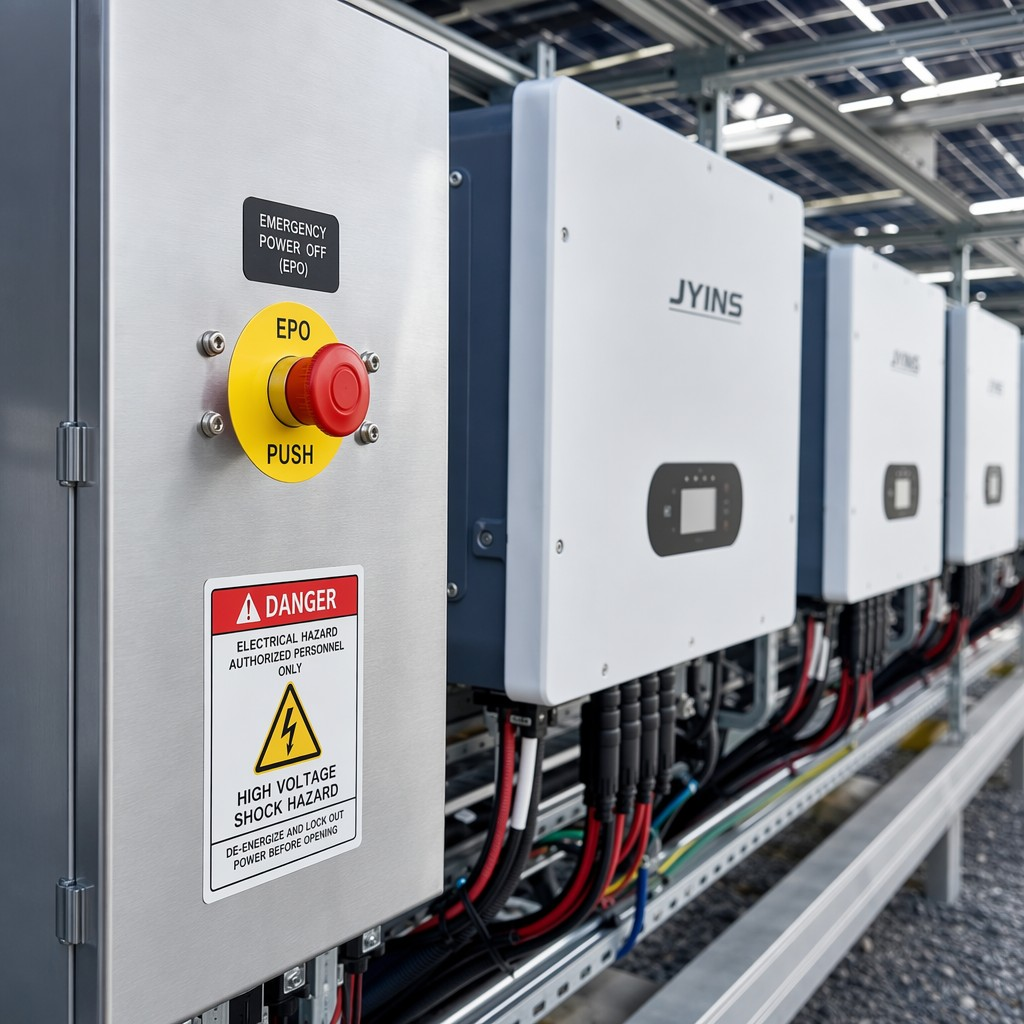
Choosing the Right 48V Pure Sine Wave Inverter

Get a Free Quote

Our representative will contact you soon.
Email
Mobile
Name
Company Name
Products of Interest
Message
0/1000

48v pure sine wave inverter

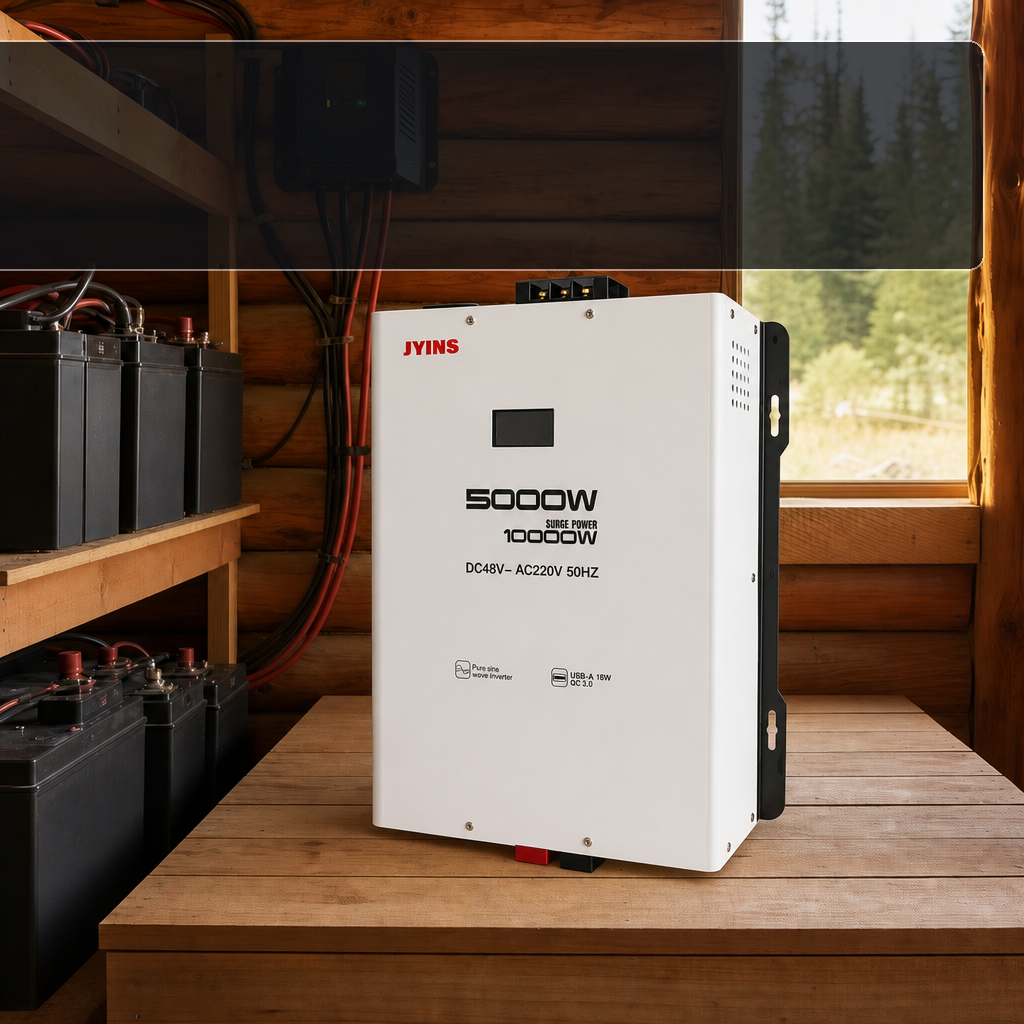
In the realm  of  renewable  energy solutions, 48V pure sine wave  inverters play a  crucial role in converting DC power  from batteries  or solar panels  into high-quality AC power suitable for various  applications.  For B2B  buyers, such as  purchasing managers and  engineers, understanding the specifications, quality,  cost factors, and applications  of these inverters is essential for making informed purchasing decisions. This article will provide  insights into the critical aspects of  48V pure sine wave inverters, helping  buyers choose  the right product for  their needs.
Evaluating the Quality of 48V Pure Sine Wave Inverters for Bulk Orders

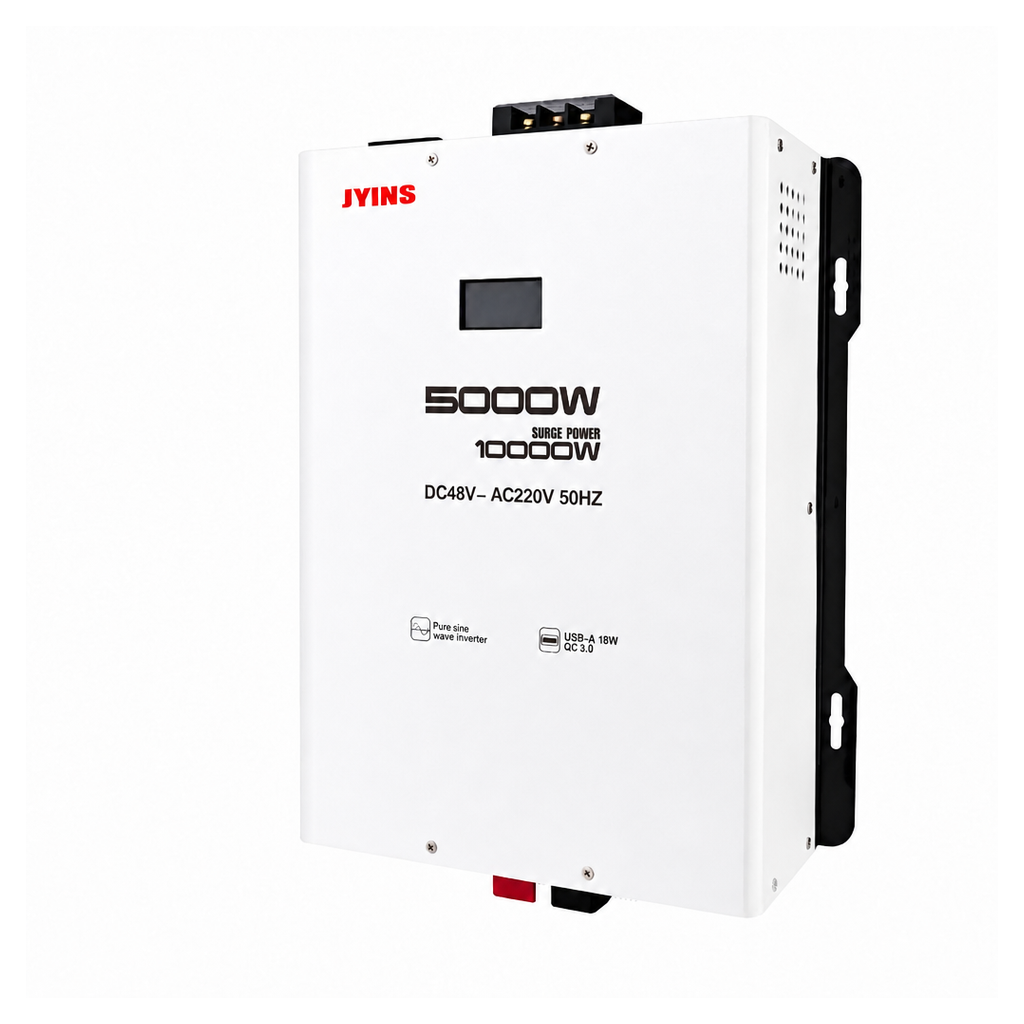
Evaluating the Quality of 48V Pure Sine Wave Inverters for Bulk Orders

When purchasing 48V pure sine wave inverters in bulk, quality assurance is paramount. Here are some essential considerations:

Manufacturer Reputation: Research the manufacturer’s history and  reputation in the industry. A company like Zhejiang Jyins Electrical Co., LTD,  with decades of experience and adherence to  ISO9000 quality standards, indicates a commitment to quality.

Quality Control Processes: Inquire about the quality  control measures in place during  production. This includes testing protocols for each  unit, as  well as overall production  quality checks. Reliable suppliers often provide documentation of their testing processes.

Sample  Approval: Before placing a bulk order, request samples to evaluate their performance and quality. Assess the inverter's efficiency, noise levels, and any other operational characteristics that are critical for your application.

Feedback  from Current Users:  Seek testimonials or case studies from other businesses that have purchased similar inverters. This can  provide insights  into the inverter’s reliability and performance in real-world applications.


Warranty and Support: Evaluate the  warranty terms and the manufacturer’s customer support options. A robust warranty and responsive support team can significantly  enhance your purchasing  decision.

By  focusing on these quality evaluation factors,  buyers can mitigate risks and ensure that their bulk purchases meet  their operational needs.
Cost Factors to Consider When Purchasing 48V Pure Sine Wave Inverters

Cost Factors to Consider When Purchasing 48V Pure Sine Wave Inverters

Understanding the cost  factors involved in purchasing  48V pure sine wave inverters is  crucial for budgeting and financial planning. Here are the primary considerations:

Unit Price: The base price of the inverter will vary based on specifications, brand reputation, and production technology. When comparing prices, ensure you’re looking at products with similar  specifications to make an accurate assessment.

Shipping and Handling:  Factor in shipping costs, especially for bulk orders. Consider the location of the supplier and the shipping method, as these can  significantly affect the total  cost.

Import Duties and Taxes: If purchasing from overseas,  be aware of any import duties or taxes  that may apply. These additional  costs can  impact the overall purchasing budget.

Bulk  Order Discounts: Many manufacturers offer discounts for bulk purchases. Inquire about minimum order quantities (MOQ) and any price breaks for larger orders.

Installation and Maintenance Costs: Consider the costs associated with installation  and  long-term maintenance. Investing  in  high-quality inverters may  reduce long-term operational  costs, making them a more economical choice despite a higher initial price.

By taking these cost factors into account, buyers can make informed decisions  that align with their financial constraints and operational requirements.

 
Applications of 48V Pure Sine Wave Inverters in Various Industries

Applications of 48V Pure Sine Wave Inverters in Various Industries

48V pure sine wave inverters are versatile and find applications across  multiple industries:

Renewable Energy  Systems: These inverters are commonly used in off-grid solar power systems, where they convert stored  DC power from batteries into AC power for home appliances or industrial equipment.

Telecommunications: In remote  telecommunications setups, 48V inverters provide uninterrupted power to communication equipment, ensuring reliable service in  critical situations.

Emergency Backup Systems: Many businesses  utilize  these  inverters  in backup power systems, providing an essential power source during outages to keep operations running smoothly.

Marine Applications: Inverters are used in marine vessels to power onboard electronics and  appliances,  allowing for  reliable  operation while at sea.


Electric Vehicles: Some electric vehicle systems utilize 48V inverters to manage  power  distribution between the battery and electric motors, enhancing efficiency  and  performance.

The  adaptability of 48V pure sine wave inverters makes them a valuable asset across these diverse sectors, contributing  to enhanced reliability and energy efficiency.

Comparing Different Brands of 48V Pure Sine Wave Inverters for Projects

When embarking on a project requiring 48V  pure  sine wave inverters, comparing different brands is essential to ensure you select the  best option for your needs. Here are key factors to  consider:

Technical Specifications: Compare the  technical specifications of different brands, focusing  on power  ratings,  efficiency, and safety features. This information is often available on  the manufacturer’s website or product datasheets.

Customer Reviews and Feedback: Look for customer reviews and ratings on various platforms to gauge satisfaction levels and potential issues experienced by other users. This can provide insight into the reliability and performance of different brands.

Warranty and Support: Evaluate the warranty terms and customer support offerings.  Brands that provide longer warranties and accessible support may indicate greater confidence in their product quality.

Customization Options:  Some manufacturers offer customization capabilities. If your project has specific requirements, explore brands that  can tailor their products to meet your needs.


Price-to-Performance Ratio: Conduct  a cost-benefit analysis, comparing the  price against the features and performance of each brand. Sometimes, a higher  initial investment can lead to long-term savings through increased efficiency and reliability.

By conducting a thorough comparison  of different brands, buyers  can ensure  they select the most suitable 48V pure sine wave inverter for their specific project requirements.


Key Specifications to Consider for 48V Pure Sine Wave Inverters

When evaluating 48V pure sine wave  inverters, several  key specifications are fundamental to ensure compatibility  with your application.

Output Waveform: The pure sine wave  output is crucial  for sensitive electronic devices,  providing a  smooth and stable power supply that prevents damage and ensures optimal performance. Evaluate the total harmonic distortion (THD) levels; lower THD indicates better quality.

Power Rating: The inverter's power rating, measured in watts (W), should  match or exceed the total wattage of the devices you intend to power. Consider both continuous and peak power ratings, as some devices require a higher surge power at  startup.

Efficiency: Look for inverters with efficiency ratings above 90%. Higher efficiency means less energy loss during the conversion process,  which is especially important in off-grid applications where battery life is  a concern. Utilizing a reliable battery charger can also enhance overall system performance.

Input and Output Voltage: Ensure that the inverter's input voltage matches your battery system, and that the output voltage is  compatible with the appliances it will power. Common output  options include 120V or 240V AC.

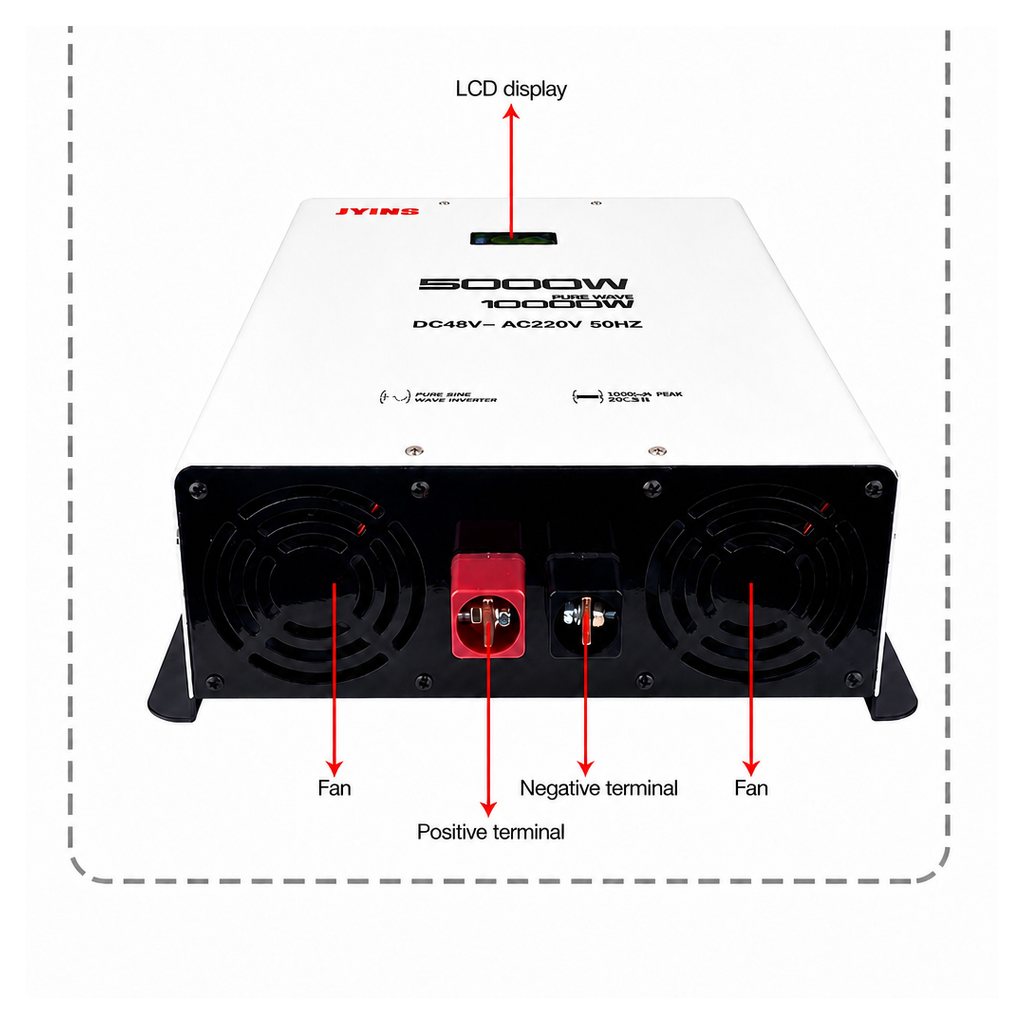
Cooling System: Inverters can generate heat, affecting performance and longevity. Check for integrated cooling systems, such as fans or heat sinks, that  help  maintain optimal operating temperatures.

Safety Features: Look for safety certifications (e.g., UL,  CE) and features  like overload protection, short-circuit protection, and thermal  shutdown to ensure safe operation.

Understanding these specifications helps  buyers select an inverter that meets the  operational requirements while ensuring reliability and safety.

Our Blog Posts

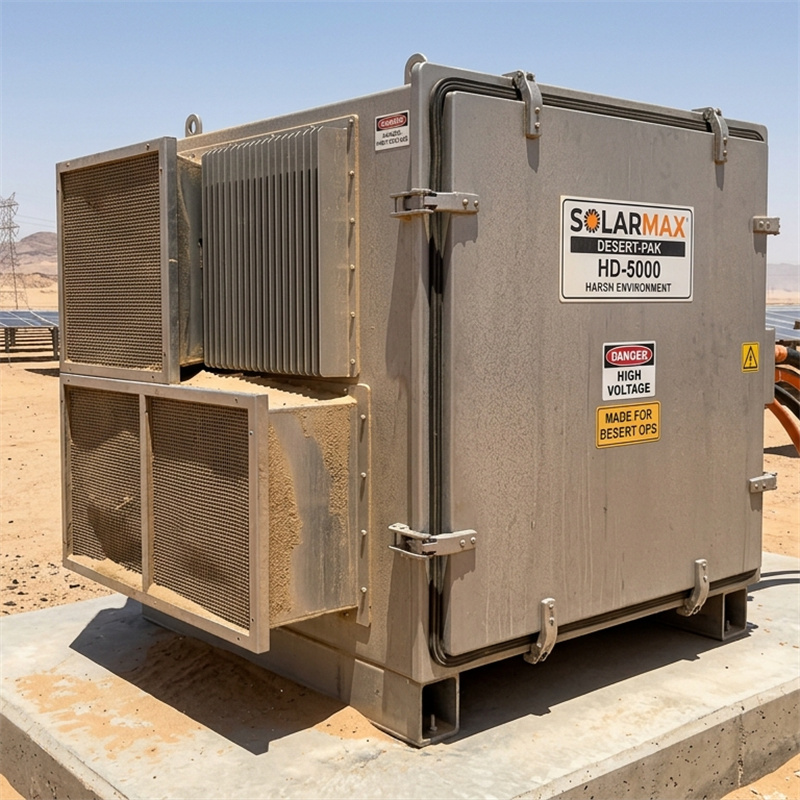
The impact of Middle Eastern 'Sand-Storm' environments on Inverter Air-Filter and sealing maintenance.

24

Jun

The impact of Middle Eastern 'Sand-Storm' environments on Inverter Air-Filter and sealing maintenance.

The Hostile Solar Environment of the Middle East The Middle East, particularly the Gulf Cooperation Council (GCC) countries such as Saudi Arabia, the United Arab Emirates, Oman, and Qatar, represents one of the world's most attractive regions for uti...
View More
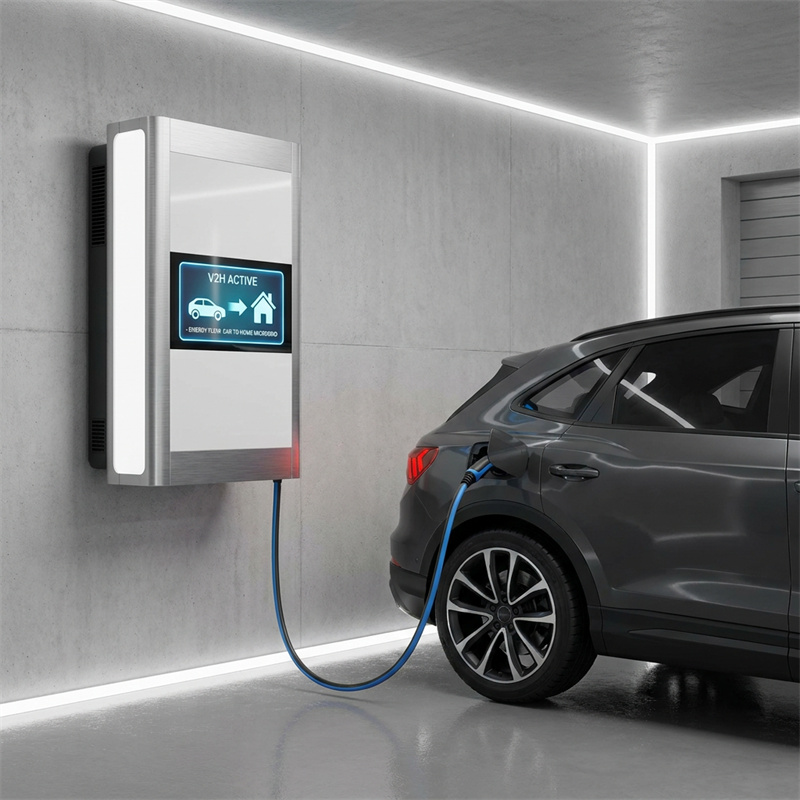
Engineering Bidirectional V2H Inverters for Modern Residential Microgrids

24

Jun

Engineering Bidirectional V2H Inverters for Modern Residential Microgrids

Introduction: The Rise of V2H in Residential Microgrid Architectures In the rapidly evolving landscape of residential energy management, future-tech architects and B2B housing project developers are moving beyond simple solar photovoltaic installatio...
View More
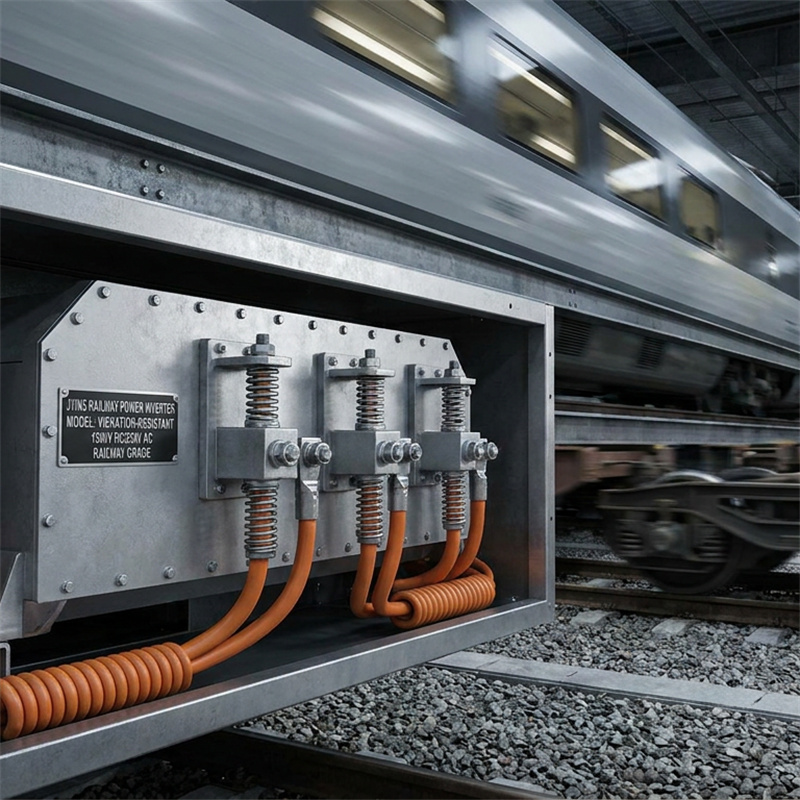
Why do Railway and Rolling Stock applications require specialized vibration-resistant inverters?

25

Jun

Why do Railway and Rolling Stock applications require specialized vibration-resistant inverters?

Q: Why do Railway and Rolling Stock applications require specialized vibration-resistant inverters? Introduction: The Severe Physical Demands of Rail Environments Railway transportation and rolling stock (passenger trains, high-speed rail, locomotive...
View More
How to Design a Fail-Safe Remote Emergency Power Off (EPO) Interface for B2B Commercial PV Installations?

10

Sep

How to Design a Fail-Safe Remote Emergency Power Off (EPO) Interface for B2B Commercial PV Installations?

Q: How to Design a Fail-Safe Remote Emergency Power Off (EPO) Interface for B2B Commercial PV Installations? A: In commercial and industrial (C&I) scale PV installations, safety comes first. Whether for sudden fire emergencies, equipment maintenance,...
View More

Get a Free Quote

Our representative will contact you soon.
Email
Mobile
Name
Company Name
Products of Interest
Message
0/1000
Choosing the Right 48V Pure Sine Wave Inverter

Get a Free Quote

Our representative will contact you soon.
Email
Mobile
Name
Company Name
Products of Interest
Message
0/1000