EN


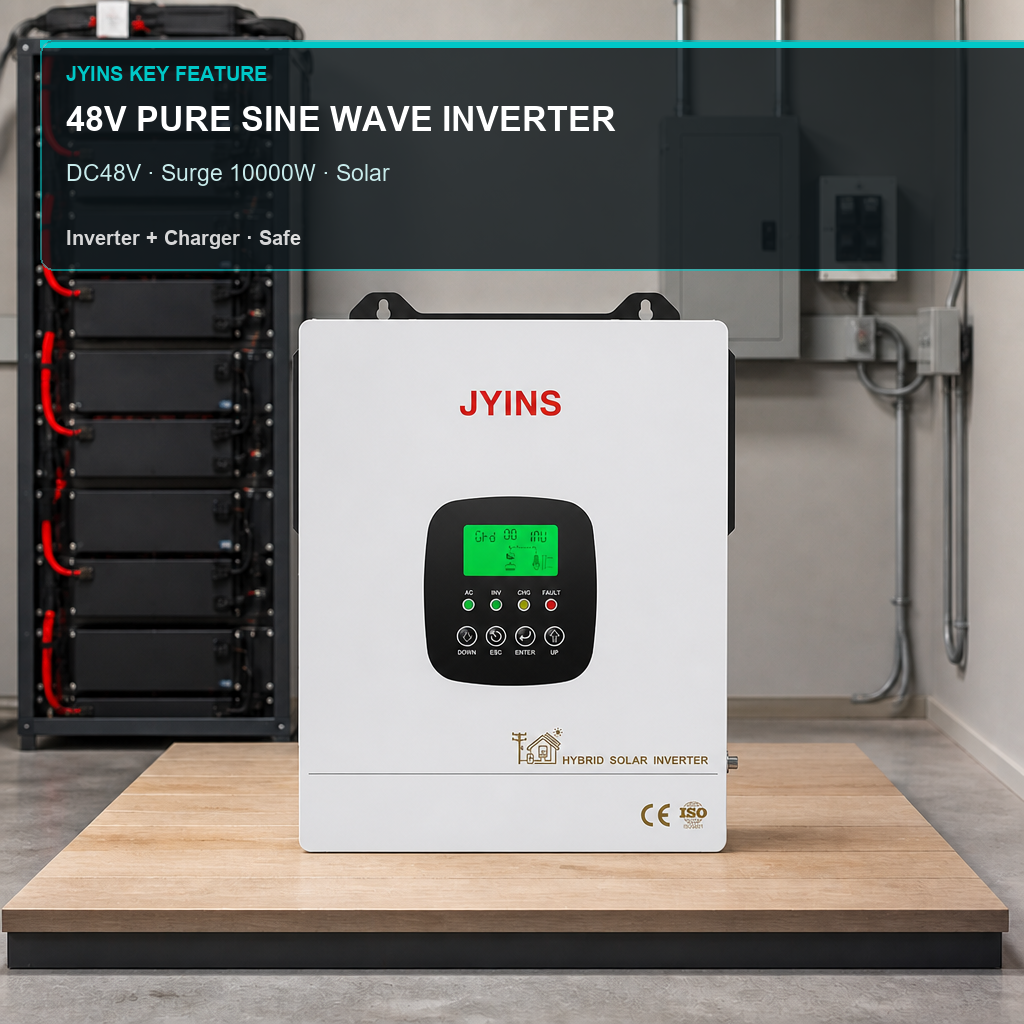
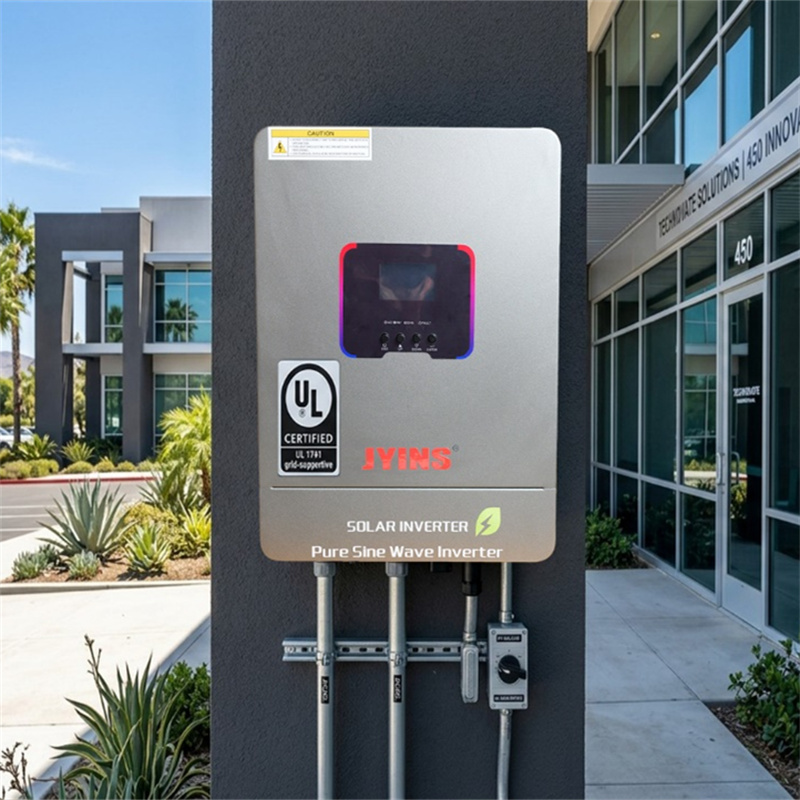
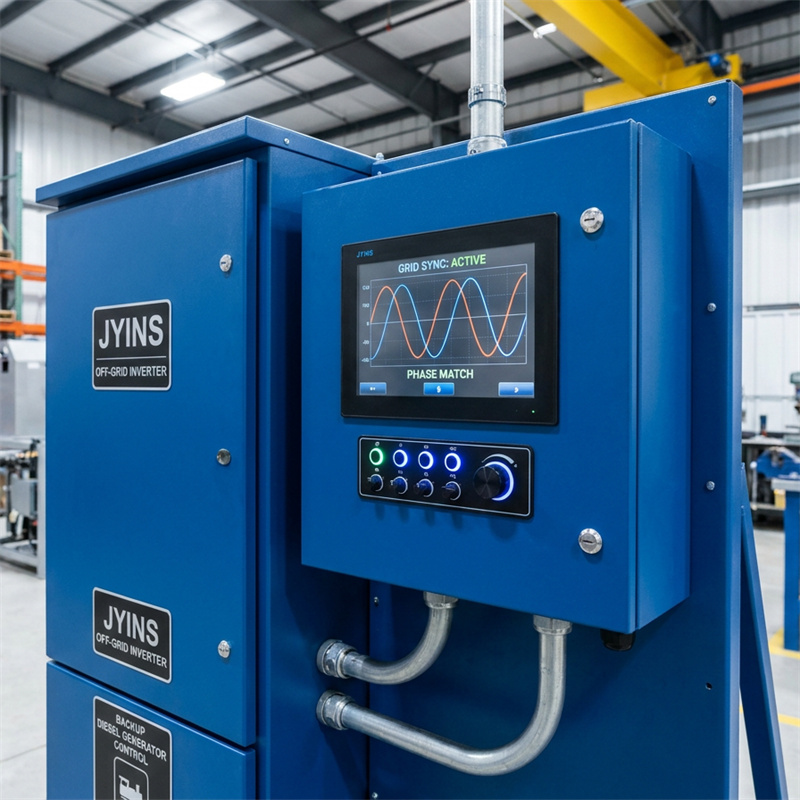
48 volt pure sine wave inverters are critical components for off-grid solar systems, providing clean and stable power for various applications. As B2B buyers, purchasing managers, and engineers assess their options, key concerns typically revolve around reliability, efficiency, installation, and cost-effectiveness. This article aims to guide you through the essential aspects of sourcing, evaluating, and implementing 48 volt pure sine wave inverters, ensuring you make informed decisions for your projects.
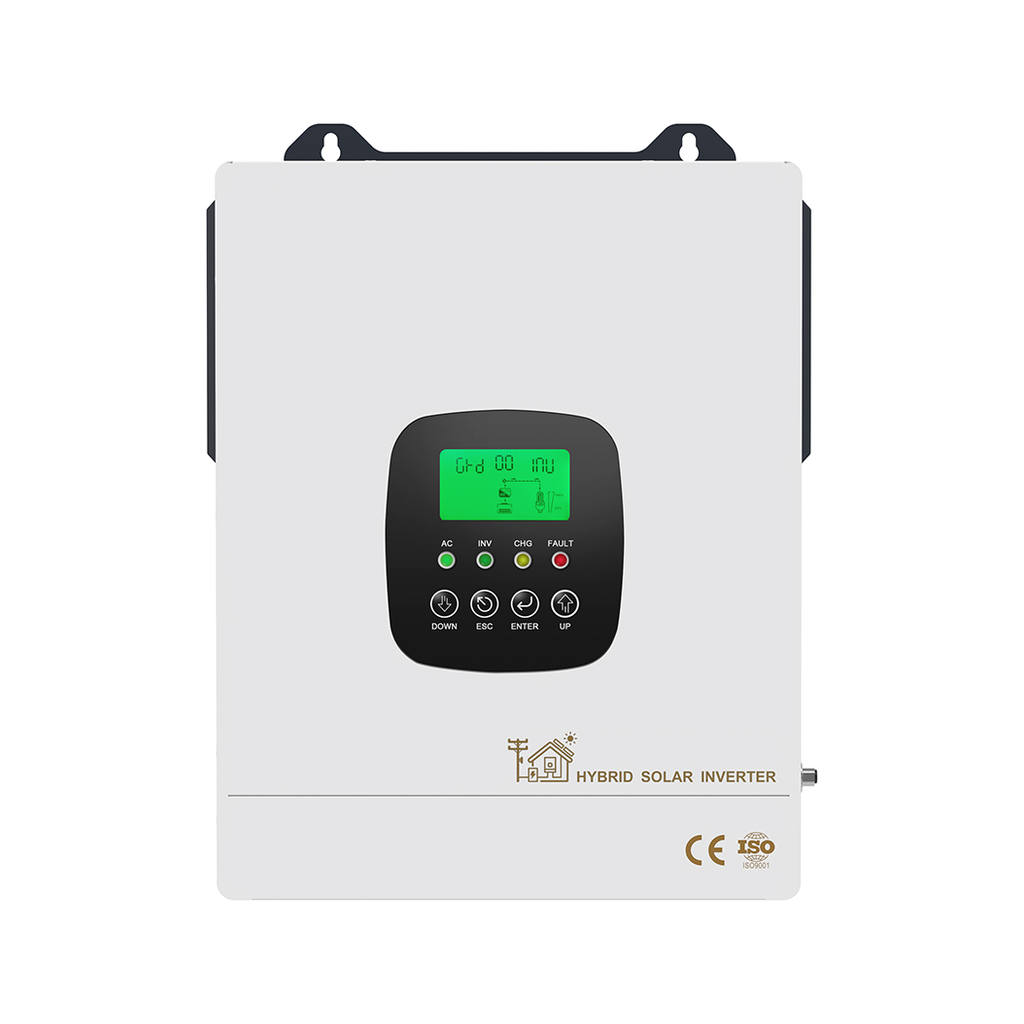
What to Look for in 48 Volt Pure Sine Wave Inverters
When evaluating 48 volt pure sine wave inverters, focus on the following specifications:
Output Waveform: Pure sine wave inverters provide clean power similar to grid electricity, which is crucial for sensitive electronics. Ensure the inverter can handle the load requirements of your application.
Efficiency Ratings: Look for inverters with high efficiency ratings (typically 90% or above), as this will reduce energy losses and operational costs over time. For instance, you can explore options like the Battery Charger to complement your energy solutions.
Peak and Continuous Power Ratings: Understand both the peak (surge) and continuous power output of the inverter. This ensures it can handle short-term loads without failure and maintain steady output for prolonged periods.
Thermal Management: Inverters with effective cooling systems (such as fans or heat sinks) can operate longer and more reliably.
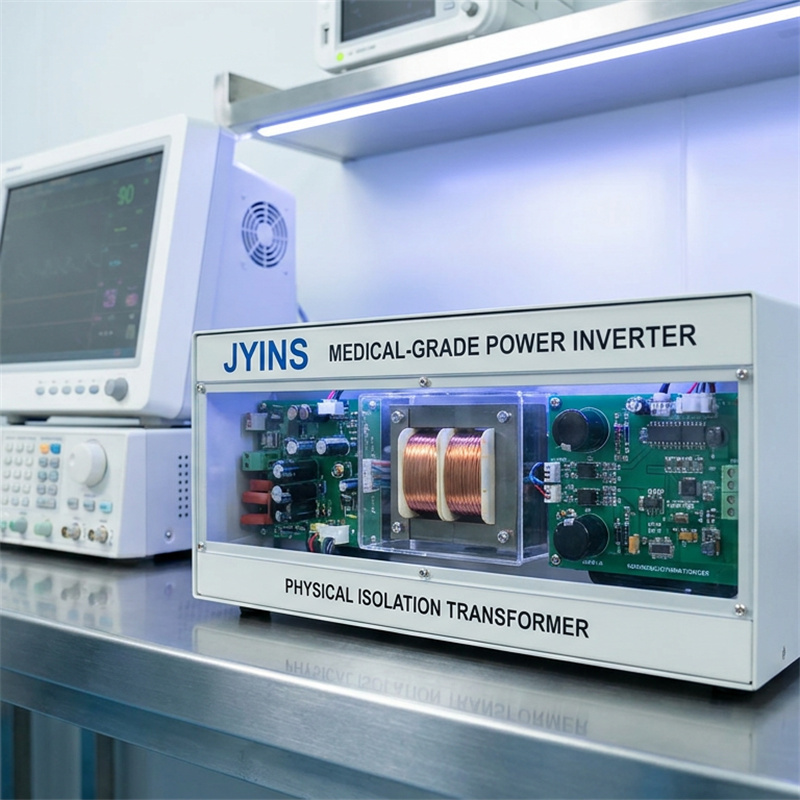
Protection Features: Ensure the inverter includes features such as overload protection, short circuit protection, and thermal shutdown to enhance safety and longevity.
Buyers should verify these specifications against their specific application requirements to ensure compatibility and performance.