EN


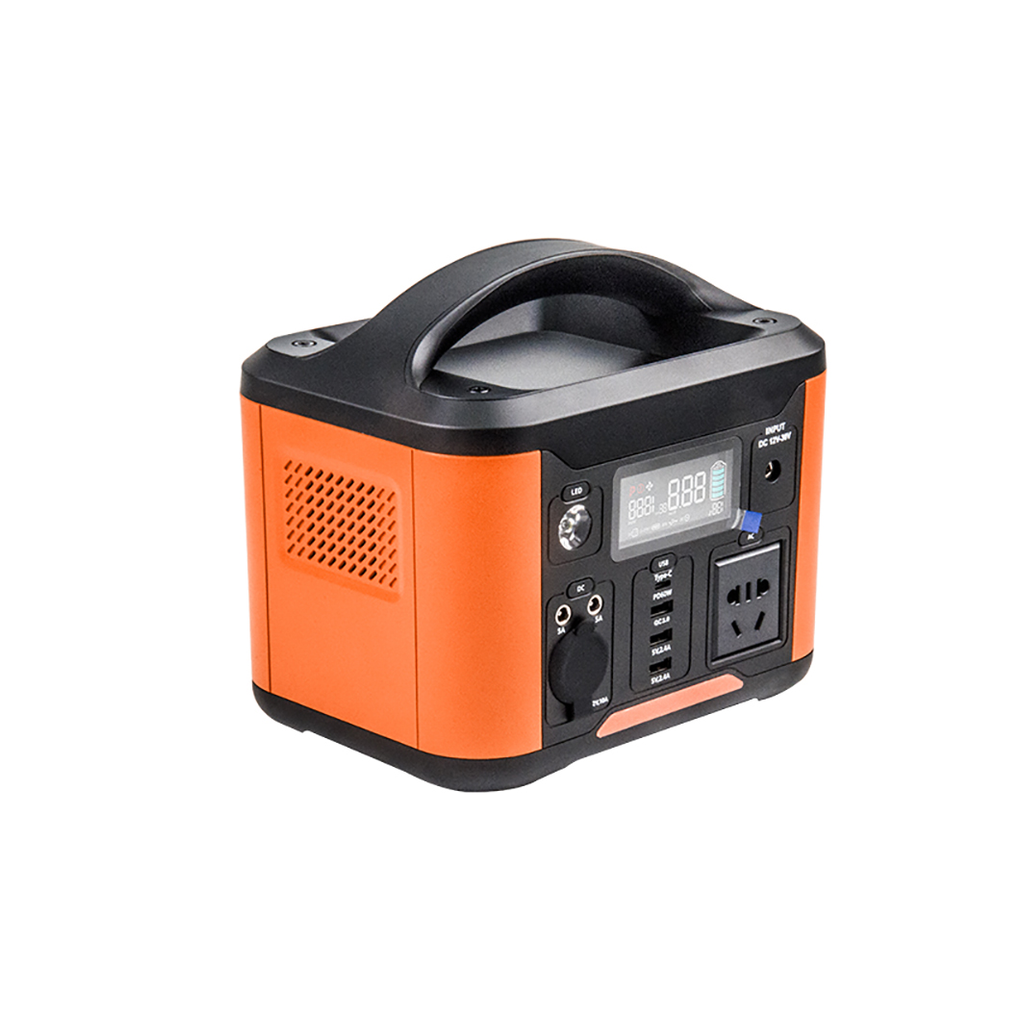
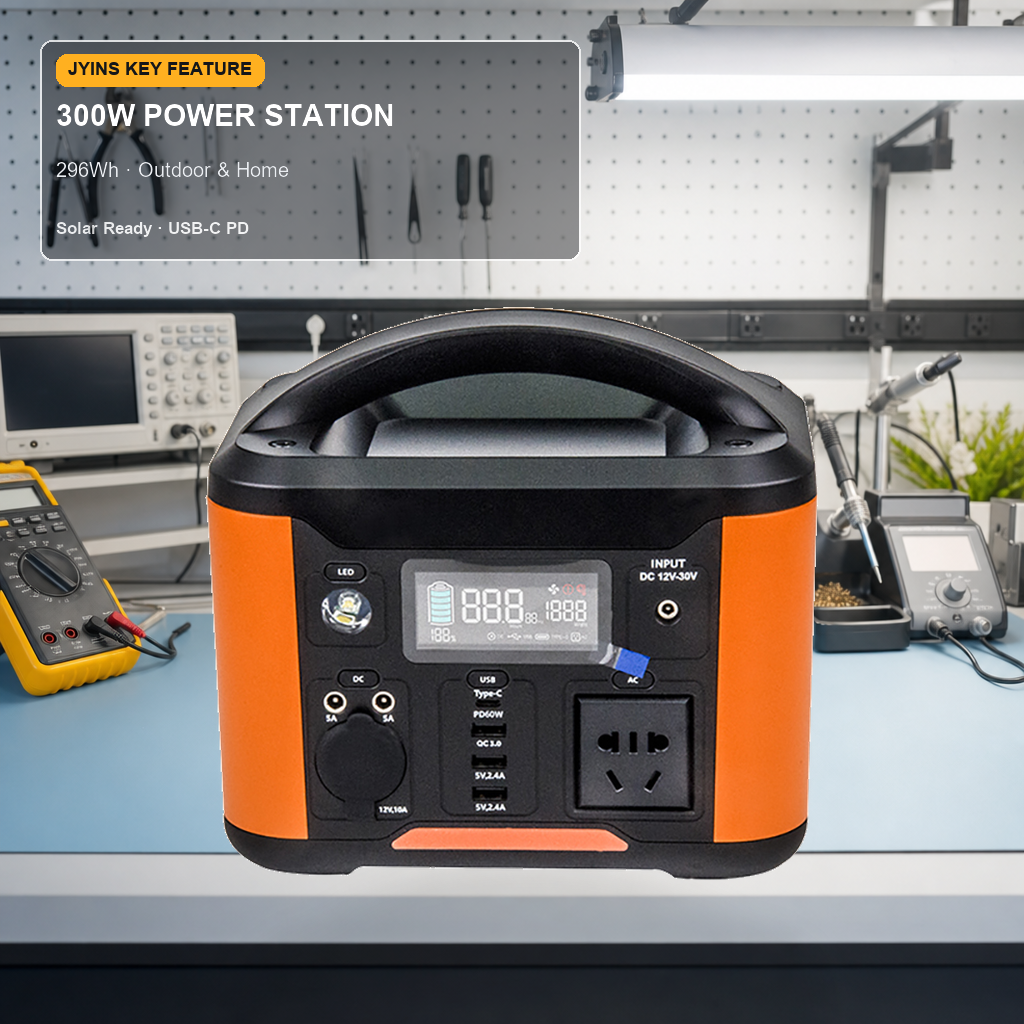
The 3.2V single cell power station is an essential component in off-grid solar applications, providing reliable energy storage for various devices and systems. As a B2B buyer, you may have concerns about product quality, specifications, and supplier reliability. This article will guide you through the key considerations for selecting the right 3.2V single cell solar portable power station, ensuring you make informed purchasing decisions that meet your project's needs.
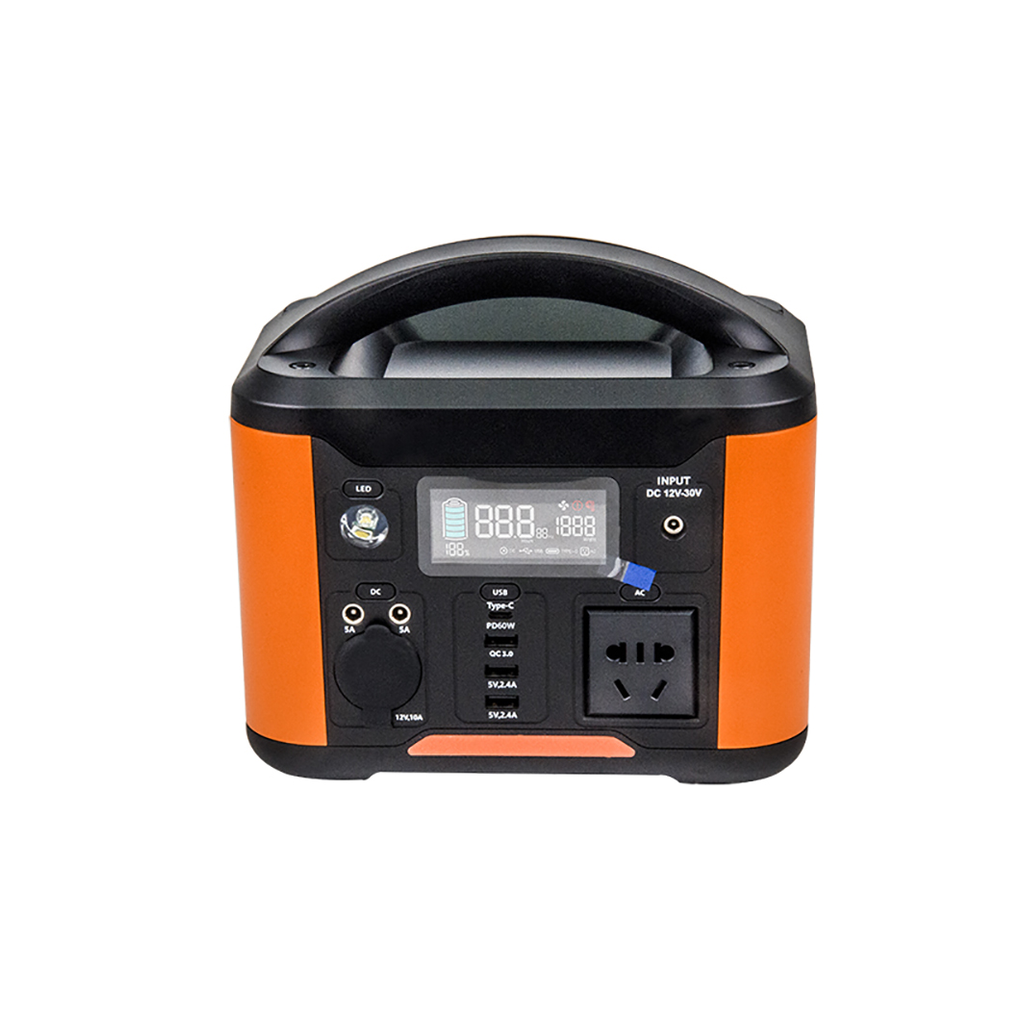
Quality Control Measures in Manufacturing 3.2V Single Cell Power Stations
Quality control is critical in the manufacturing of 3.2V single cell power reliable power stations to guarantee safety and performance. At Zhejiang Jyins, several key quality control measures are implemented throughout the production process.
Firstly, raw materials undergo stringent quality inspections to ensure they meet the required specifications. This includes verifying the purity and composition of the lithium compounds used in the cells. Next, during production, each cell is monitored for consistency in size, weight, and internal resistance, which can affect performance.
Furthermore, testing plays a vital role in quality assurance. Each power station should undergo rigorous testing, including charge and discharge cycles, thermal stability assessments, and safety checks to prevent risks such as thermal runaway. It’s advisable for buyers to request documentation of these tests to ensure the product's reliability.
Lastly, a final inspection should be conducted before packaging to catch any potential defects that could affect performance, ensuring that only products meeting strict standards reach the customer.