Common Problems with Solar Portable Power Stations

Get a Free Quote

Our representative will contact you soon.
Email
Mobile
Name
Company Name
Products of Interest
Message
0/1000

Solar portable power station

Solar portable power stations are increasingly gaining traction across various industries for their ability to provide reliable, off-grid power solutions. These versatile devices can be used in diverse applications, from powering tools at remote job sites to providing electricity for outdoor events. However, B2B buyers face several concerns, including quality assurance, cost-effectiveness, and suitability for specific applications. This article will delve into common problems, cost factors, industry applications, material advantages, and key specifications to help buyers make informed decisions regarding solar portable power stations.
Comparing Cost Factors for Wholesale Solar Portable Power Stations

Comparing Cost Factors for Wholesale Solar Portable Power Stations

When evaluating wholesale solar portable power stations, several cost factors come into play. The initial purchase price is crucial, but buyers should also consider long-term operational costs. These can include maintenance, battery replacement, and potential energy savings from using solar power

Material quality significantly impacts pricing. Higher-quality materials may lead to a higher upfront cost, but they often result in better durability and efficiency. Buyers should weigh the cost against the expected lifespan and performance of the unit

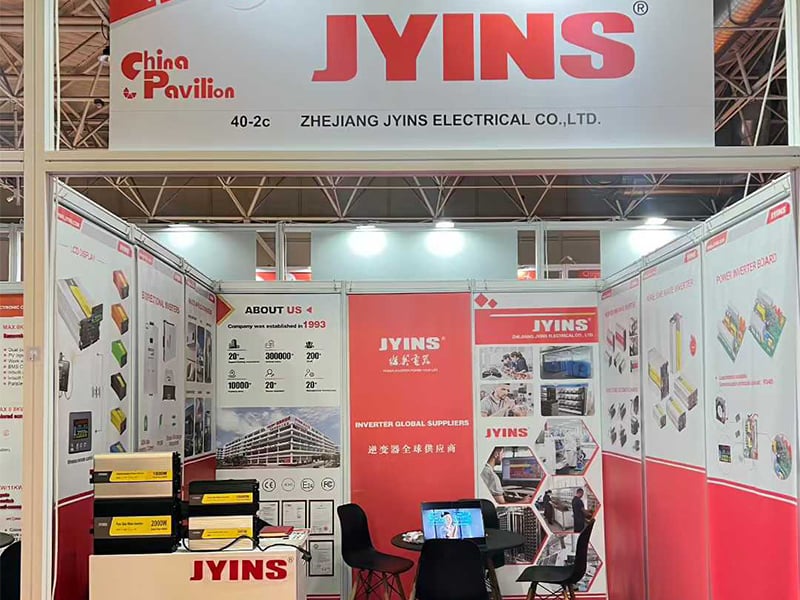
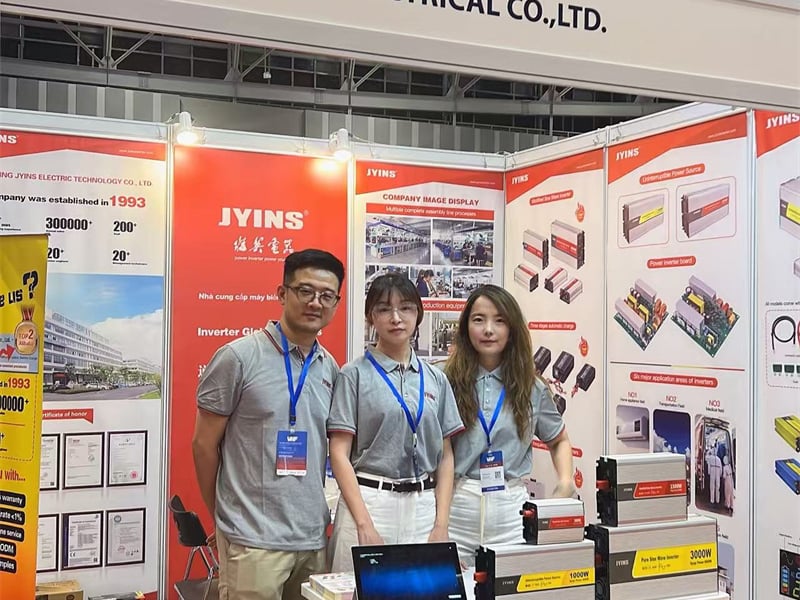
Additionally, customization options can affect pricing. Manufacturers like Zhejiang Jyins Electrical Co., LTD may offer tailored solutions that align with specific industry needs, but these customizations can influence the overall cost. Understanding Minimum Order Quantities (MOQ) is also essential; larger orders may qualify for bulk discounts that can help reduce per-unit costs

Finally, shipping and logistics costs should not be overlooked. Buyers should consider the total landed cost, including shipping fees and potential tariffs for importing solar portable power stations
Exploring Applications of Solar Portable Power Stations in the Industry

Exploring Applications of Solar Portable Power Stations in the Industry

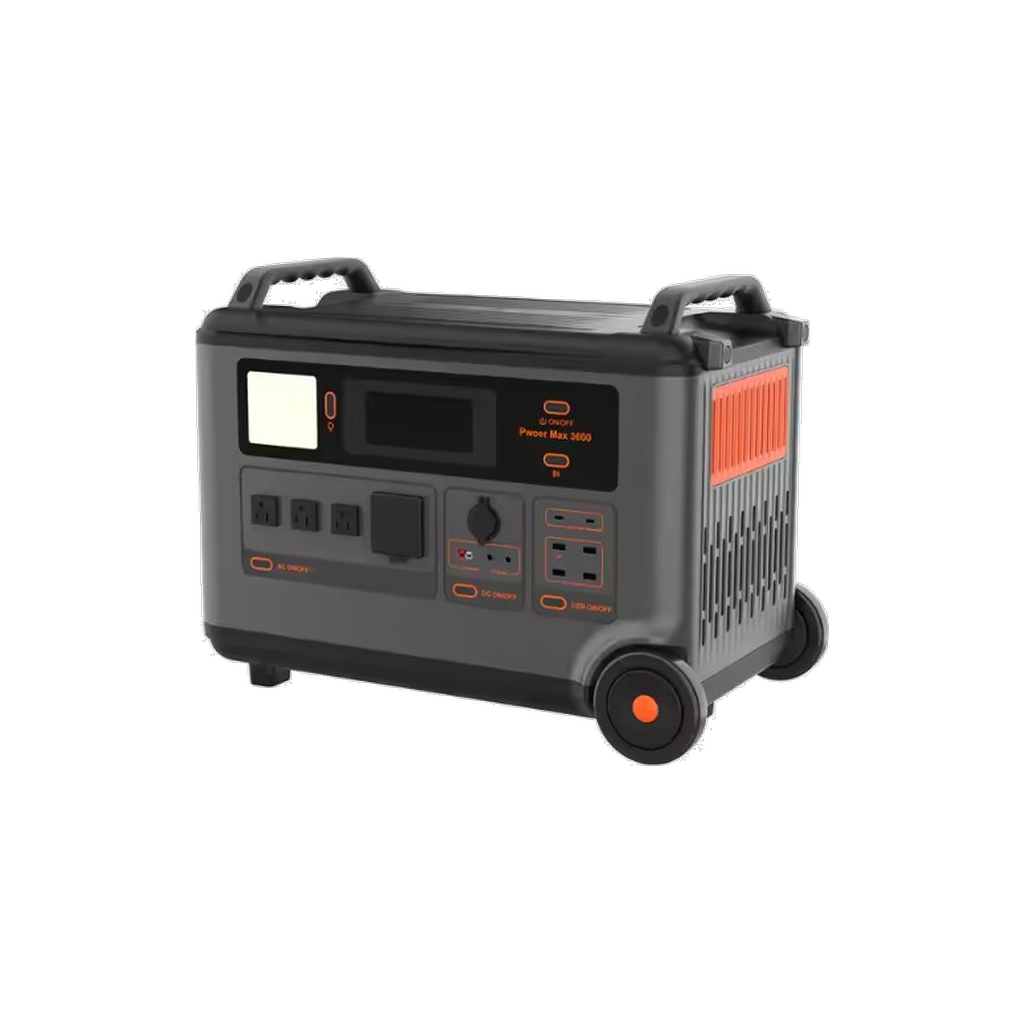
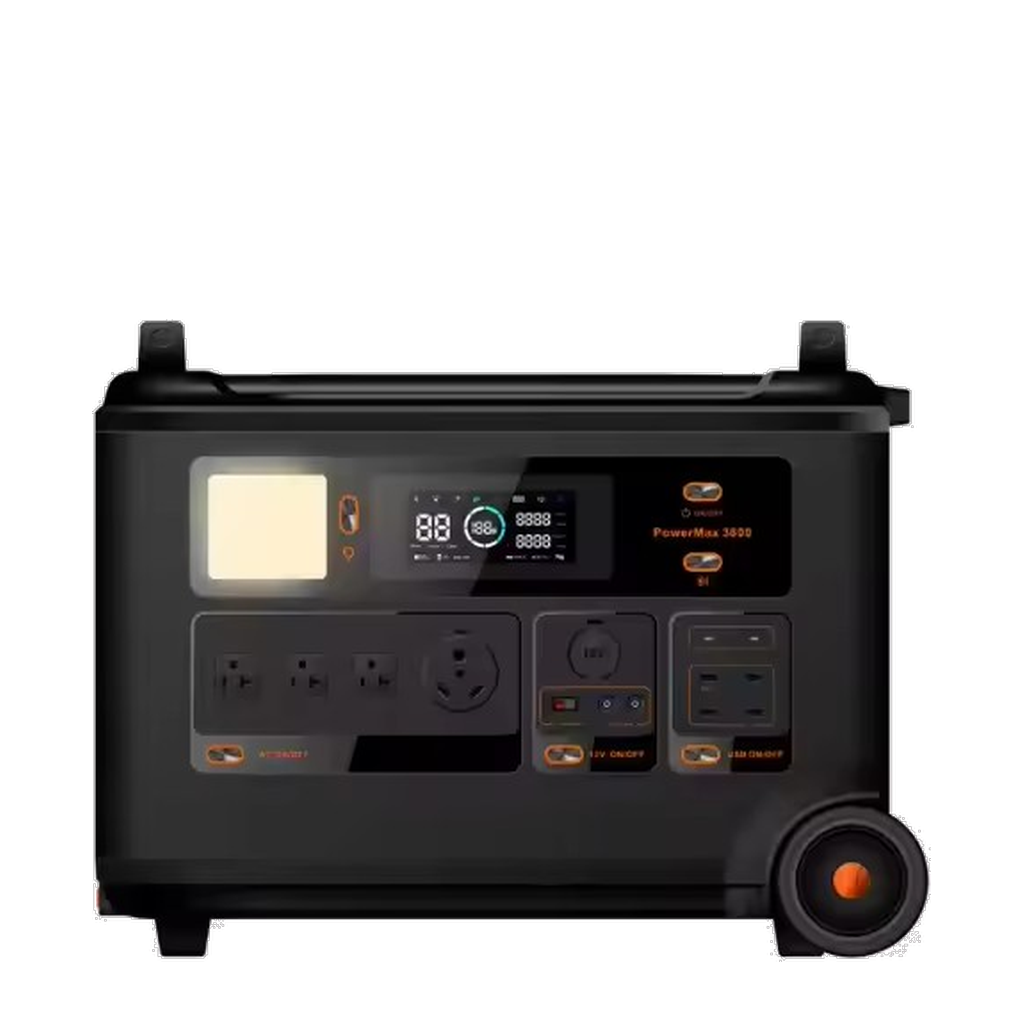
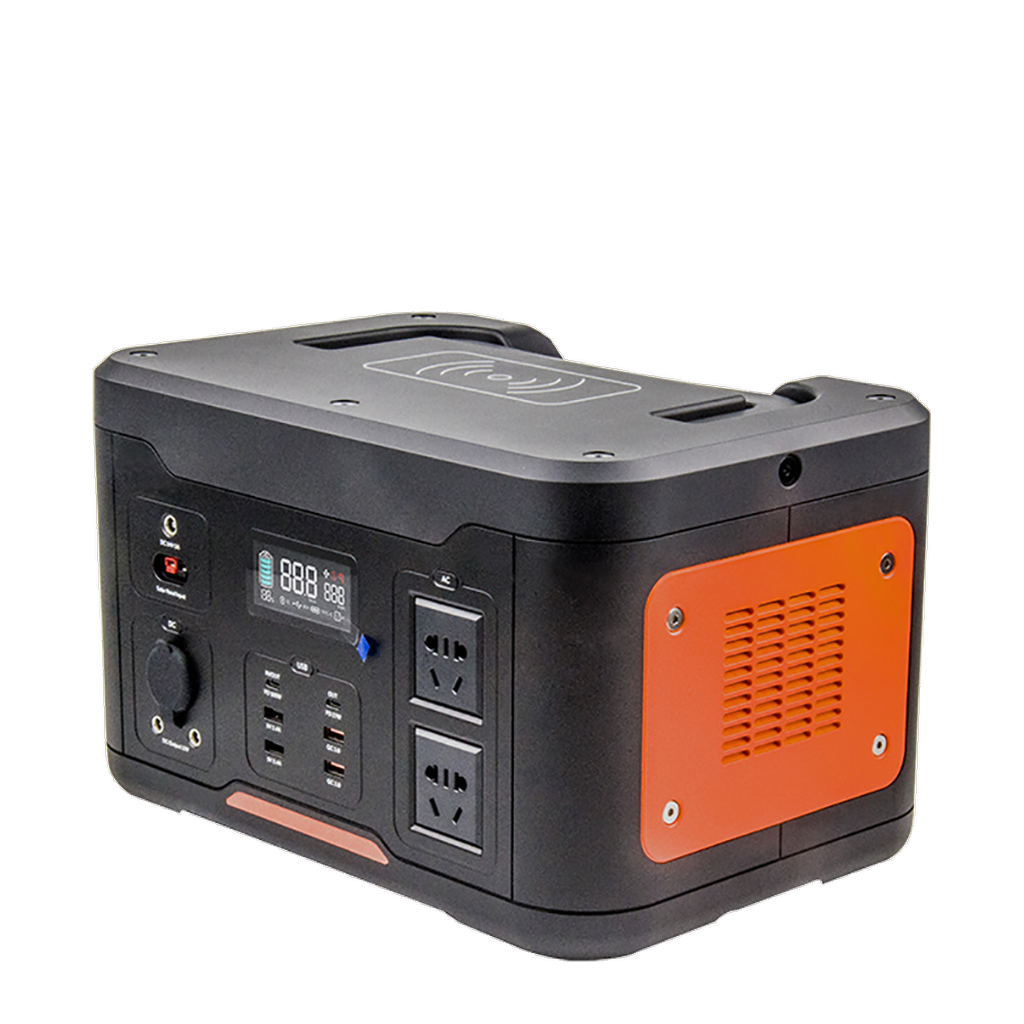
Solar 1000w portable power stations are versatile and find applications across various industries. In the construction sector, they are used to power tools and equipment at remote job sites where traditional power sources are unavailable. Their portability allows contractors to easily transport power solutions to different locations as projects evolve

In the event sector, these power stations provide essential electricity for lighting, sound systems, and other equipment, facilitating seamless outdoor gatherings or festivals. The renewable energy aspect also appeals to event organizers looking to enhance their sustainability credentials

Moreover, in the agricultural sector, solar portable power stations can power irrigation systems and sensors, enhancing operational efficiency in rural areas. With the increasing focus on sustainable energy solutions, industries are increasingly integrating solar portable power stations to reduce their carbon footprint
Material Advantages of Solar Portable Power Stations for Contractors

Material Advantages of Solar Portable Power Stations for Contractors

The materials used in solar portable power stations can significantly affect their performance and suitability for different environments. High-quality solar panels made from monocrystalline or polycrystalline silicon provide better efficiency and longer lifespans compared to lower-grade alternatives. Contractors should prioritize models that utilize durable, weather-resistant materials to ensure longevity in outdoor conditions

Additionally, the casing material is crucial; robust materials can protect internal components from environmental stressors. For instance, ABS plastic or aluminum casings enhance durability and portability, making the power stations easier to transport without compromising protection

Weight is another consideration, especially for contractors who need to move equipment frequently. Lightweight materials can facilitate easier handling, but buyers must ensure that weight reduction does not come at the expense of structural integrity

What to Look for in Solar Portable Power Station Technical Specifications

When reviewing technical specifications for solar portable power stations, buyers should focus on several key parameters. First, the power output is critical; understanding both peak and continuous wattage ratings helps determine compatibility with intended applications. Buyers should also consider the total capacity of the battery, typically measured in watt-hours (Wh), which indicates how long the power station can run devices before needing to be recharged

The charging time is another important specification. Consider how long it takes to recharge the station using solar panels versus AC outlets. This can influence operational planning, especially in time-sensitive situations

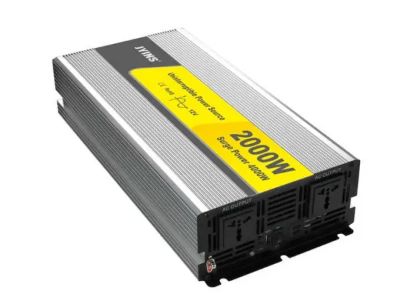
Additionally, the number of output ports and types (USB, AC, DC) is essential for ensuring that the power station can accommodate multiple devices simultaneously. Buyers should also check for safety features like overload protection and short-circuit prevention to enhance operational reliability

Lastly, warranty and support information can provide peace of mind. Understanding the terms of service, including warranty duration and coverage, can be critical in evaluating the overall value of the product

By focusing on these specifications and understanding the nuances of solar portable power stations, buyers can make informed decisions that align with their operational needs and sustainability goals

Common Problems with Solar Portable Power Stations and Their Solutions

One of the most prevalent issues with portable power station with solar panel is insufficient power output for demanding applications. Buyers should ensure that the selected model meets the power requirements of the devices they intend to use. A common mistake is underestimating the cumulative wattage of devices, which can lead to performance issues. To mitigate this, buyers should assess their power needs, considering peak and continuous power requirements

Another concern is battery longevity. Many portable power stations use lithium-ion batteries, which can degrade over time if not maintained properly. Buyers should inquire about the battery management system in place, which can prolong battery life through effective charging cycles and temperature regulation. Additionally, solar panel compatibility is vital; ensure that the power station can effectively charge using the intended solar panels

Lastly, durability and weather resistance are critical factors, especially for outdoor applications. Buyers should look for ratings on waterproofing and shock resistance, particularly if the power station will be exposed to harsh conditions

Frequently Asked Questions

What is the solar portable power station used for?

Our solar portable power station provides off-grid power for camping, RVs, emergency backup, outdoor work sites, and small appliances using solar panels or AC charging.
Models offer varied capacities and multiple outputs including AC outlets, DC ports, and USB. Specific specs depend on model—contact us for detailed options and recommendations.
Charge via solar panels, AC wall charger, or car port. Charging time varies by method and model; typical AC charge is several hours, solar depends on panel wattage and sunlight.
Manufactured under ISO9000 quality practices with rigorous testing. Units include safety features like overcharge, short-circuit, overcurrent, and temperature protection.
Yes. We provide warranty and technical support backed by experienced engineers and technicians. Contact our support team for warranty terms and troubleshooting assistance.

Our Blog Posts

Technical Comparison - Power frequency inverters vs high-frequency inverters

08

Apr

Technical Comparison - Power frequency inverters vs high-frequency inverters

Inverters is important device that change DC to AC. This need in home and factory's. Two main types: power frequency inverters and high-frequency ones. Both got their own plus and minus. Know these diff can help pick which one fit best for needs. Jyi...
View More
The Strategic Value of UPS Backup in Automated Manufacturing

14

May

The Strategic Value of UPS Backup in Automated Manufacturing

In todays world, manufacturing change fast. Many factories uses machines that run automatic. This great because it make things faster and sometime cheaper. But what happen if power go out? Factory lose power, it can stops working. This where UPS back...
View More
Engineering Bidirectional V2H Inverters for Modern Residential Microgrids

24

Jun

Engineering Bidirectional V2H Inverters for Modern Residential Microgrids

Introduction: The Rise of V2H in Residential Microgrid Architectures In the rapidly evolving landscape of residential energy management, future-tech architects and B2B housing project developers are moving beyond simple solar photovoltaic installatio...
View More
How to conduct a 'Stress Test' on sample inverters before placing high-volume OEM orders?

25

Jun

How to conduct a 'Stress Test' on sample inverters before placing high-volume OEM orders?

Introduction: The Capital Risk of High-Volume OEM Procurement For B2B procurement directors, electrical wholesalers, and solar system developers, placing a high-volume OEM (Original Equipment Manufacturer) order for power inverters represents a signi...
View More

Get a Free Quote

Our representative will contact you soon.
Email
Mobile
Name
Company Name
Products of Interest
Message
0/1000
Common Problems with Solar Portable Power Stations

Get a Free Quote

Our representative will contact you soon.
Email
Mobile
Name
Company Name
Products of Interest
Message
0/1000