EN


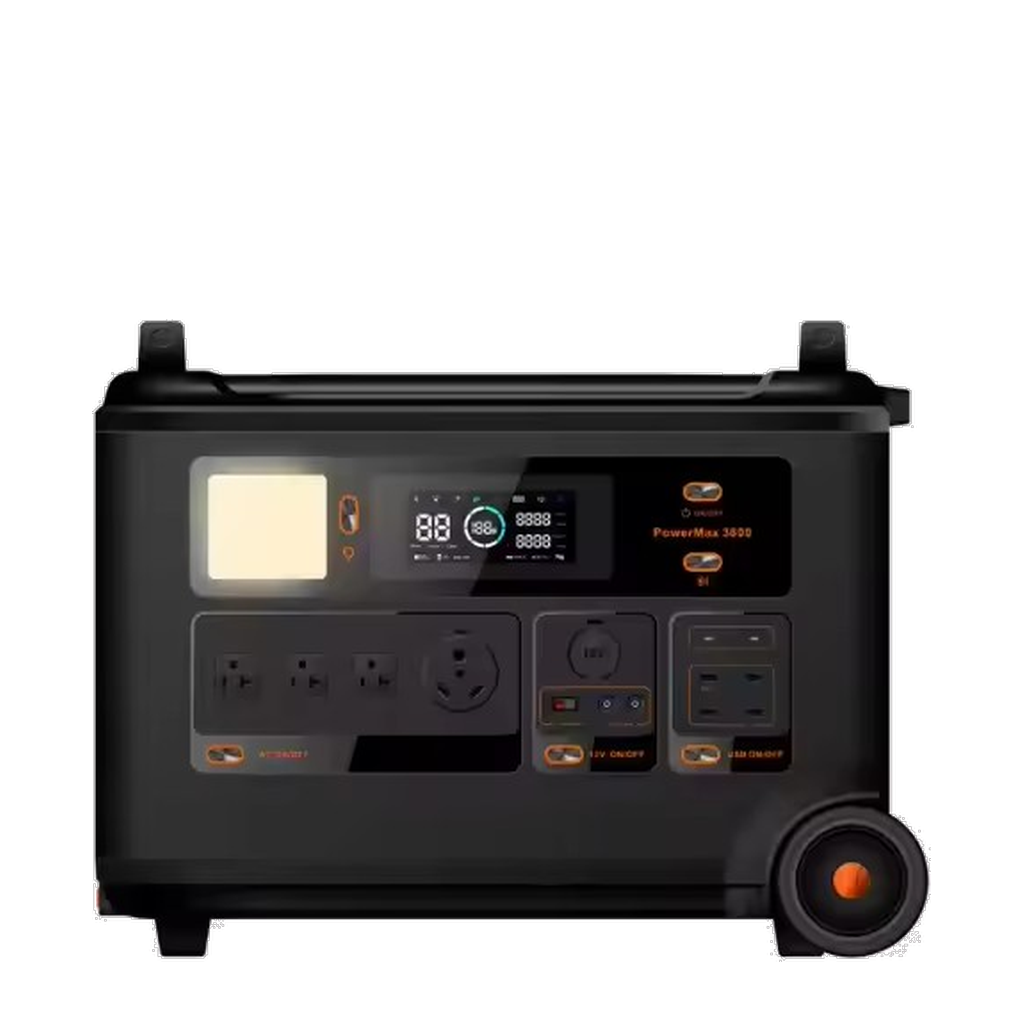
Portable lithium power stations are essential tools for various industries, providing efficient and reliable off-grid energy solutions. As B2B buyers, understanding the specifications, quality factors, and sourcing options for these power stations is crucial to making informed purchasing decisions. This article will guide purchasing managers, engineers, and product managers through the critical aspects of portable power station 1000w, ensuring they can procure products that meet their operational needs effectively.
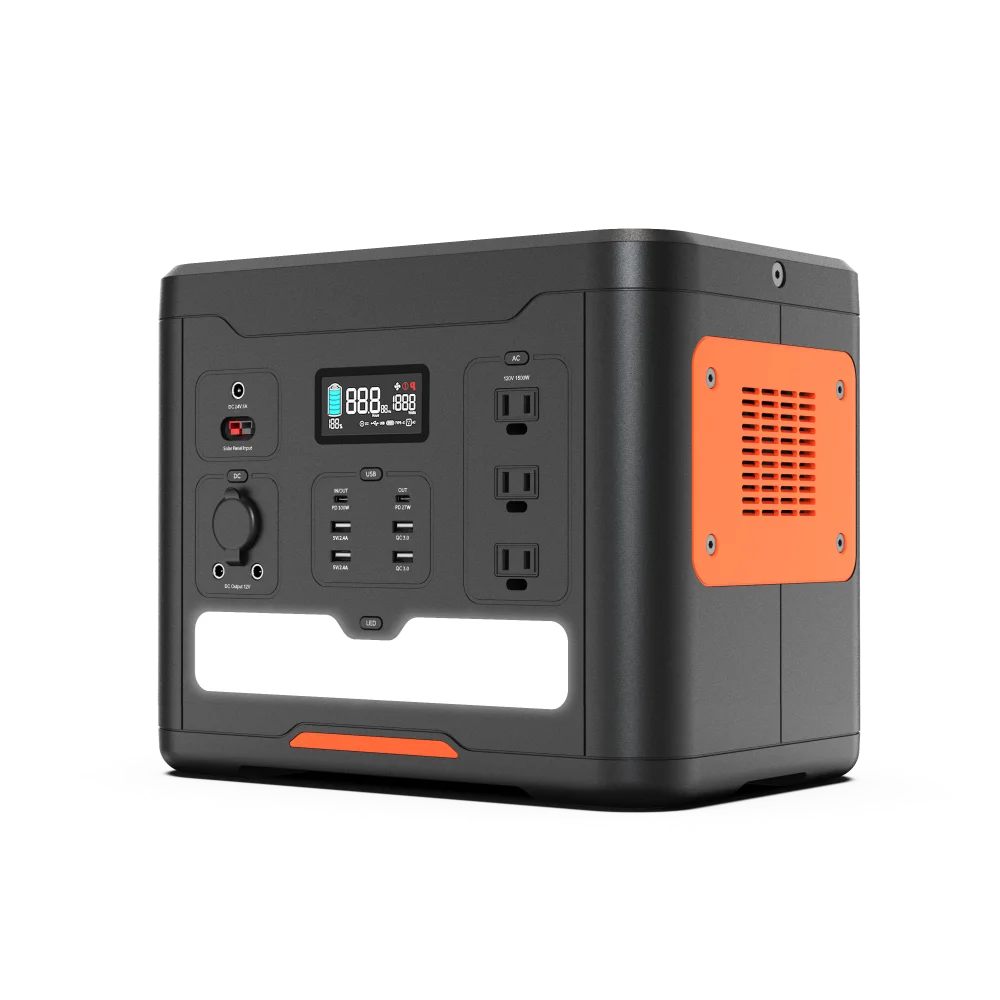

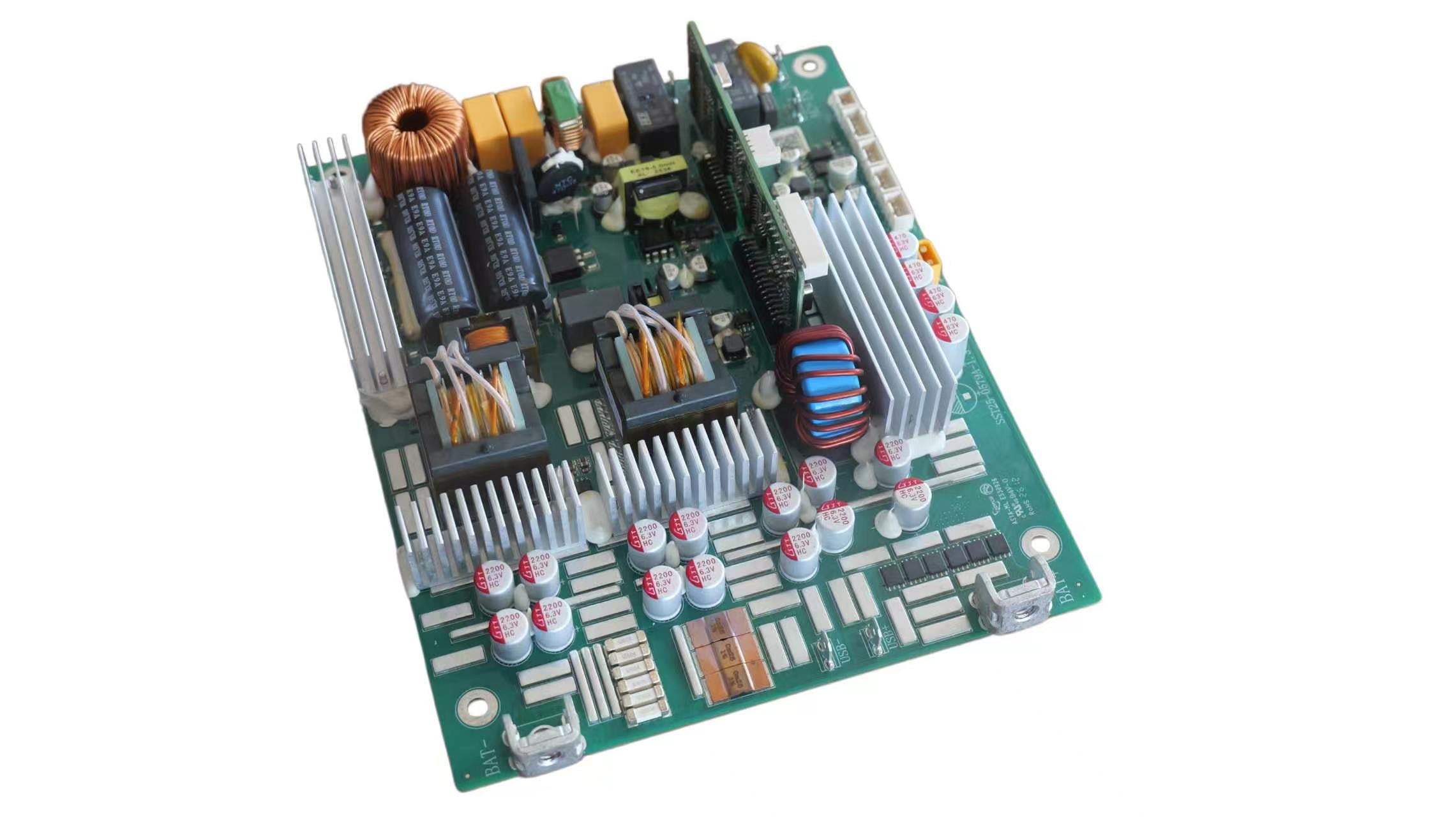
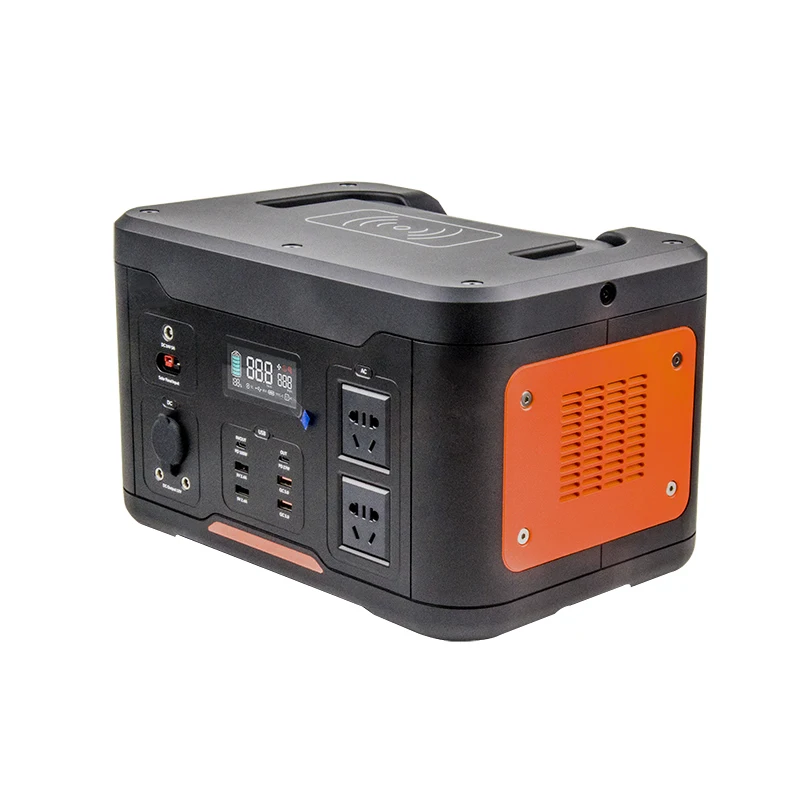

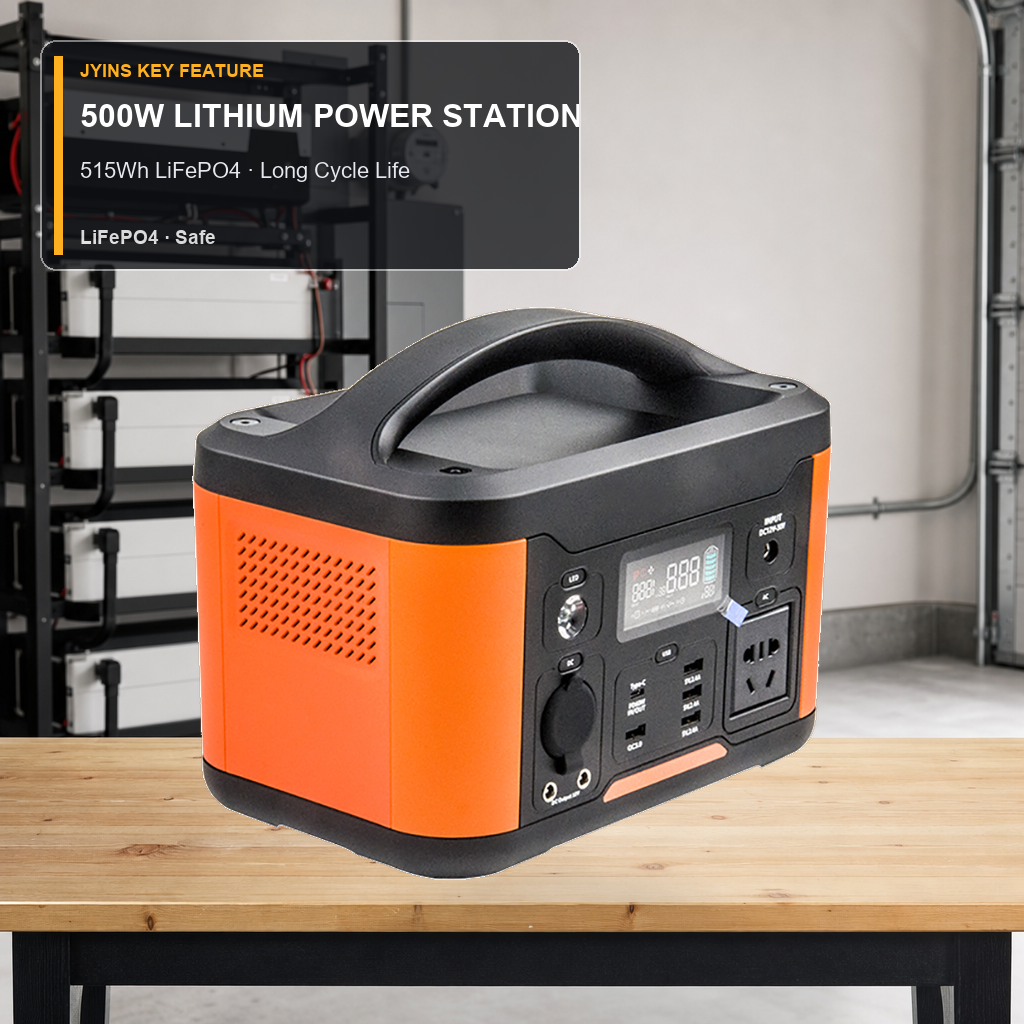
Key Quality Factors to Evaluate in Portable Lithium Power Stations
Quality assurance is paramount when selecting portable lithium power stations. Here are key factors that contribute to product quality:
Battery Chemistry: Lithium iron phosphate (LiFePO4) batteries are known for their safety and longevity compared to lithium-ion alternatives. They provide better thermal stability, reducing the risk of overheating.
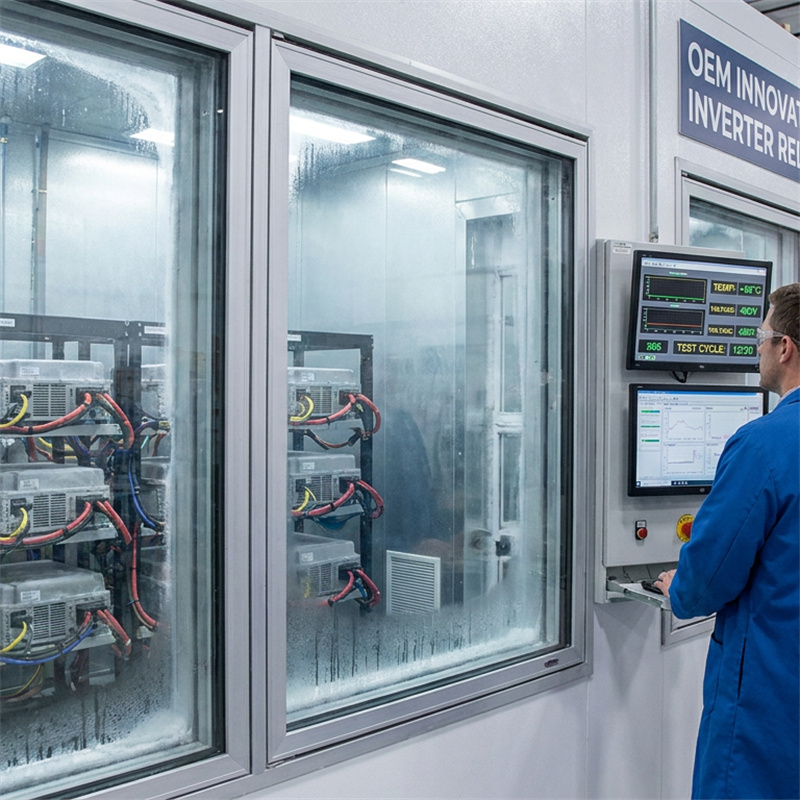
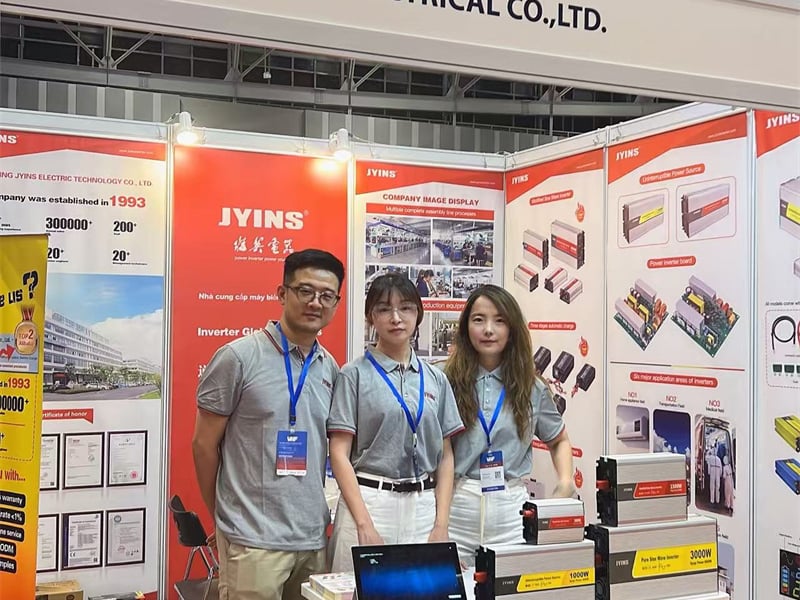
Manufacturing Standards: Ensure that the manufacturer like Jyins adheres to international quality standards, such as ISO9000. This indicates a commitment to consistent quality control processes throughout production.
Safety Features: Look for built-in safety features such as overcharge protection, short circuit protection, and temperature control. These features enhance the reliability of the power stations during operation.
Certifications: Check for product certifications such as CE, RoHS, and UL. These certifications demonstrate compliance with safety and environmental regulations, providing additional assurance of product quality.
Warranty and After-Sales Support: A robust warranty and reliable customer support are essential. They not only reflect the manufacturer’s confidence in their product but also ensure that buyers have recourse in case of defects or issues.
Evaluating these quality factors can help buyers avoid common pitfalls and select a portable power station for home that reliably meets their needs.