Choosing the Right Portable Battery Power Station

Get a Free Quote

Our representative will contact you soon.
Email
Mobile
Name
Company Name
Products of Interest
Message
0/1000

Portable battery power station

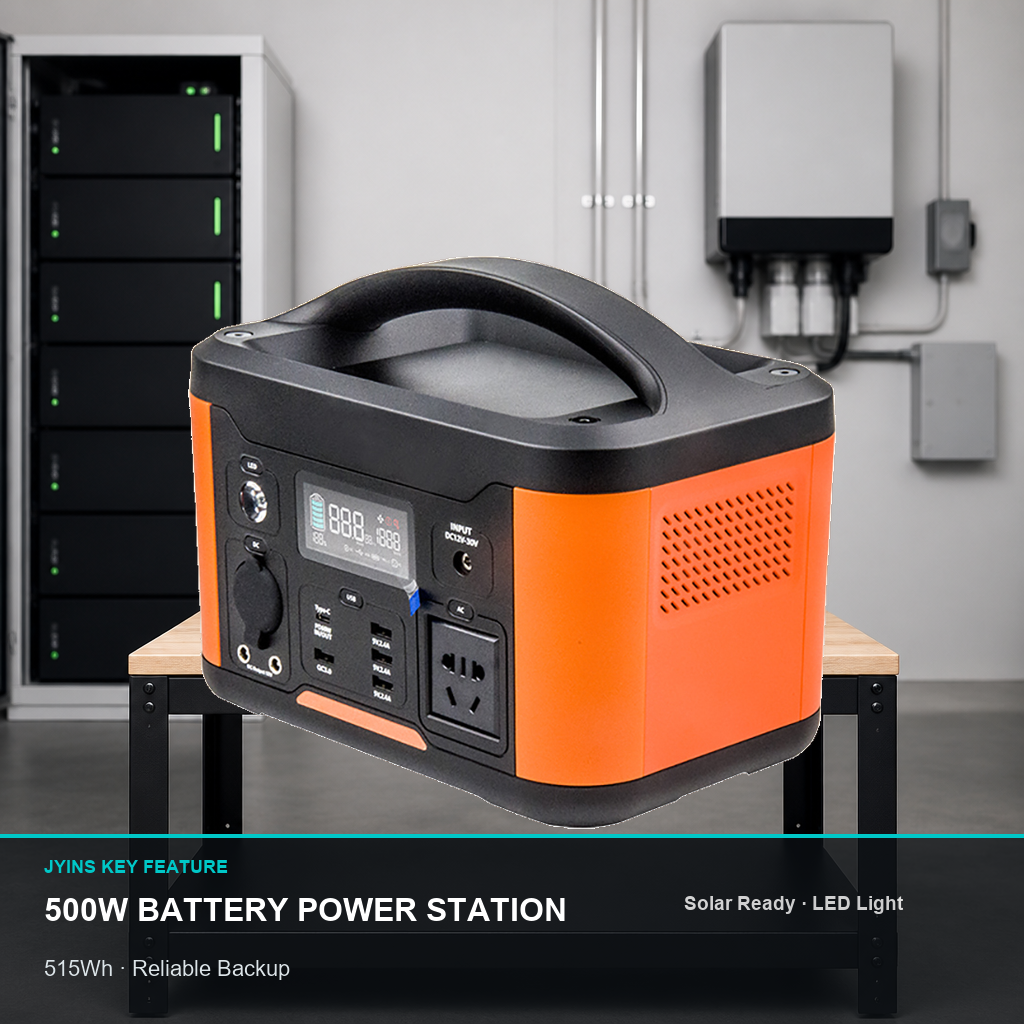
Portable battery power stations are increasingly popular tools for providing reliable energy in off-grid situations. As a B2B buyer, understanding their specifications, application suitability, and sourcing options is crucial. This article will explore key considerations for selecting the right portable battery portable power station 1000w, addressing common problems and their solutions, and providing insights into materials and design. This information will help you make informed purchasing decisions for your business needs. 
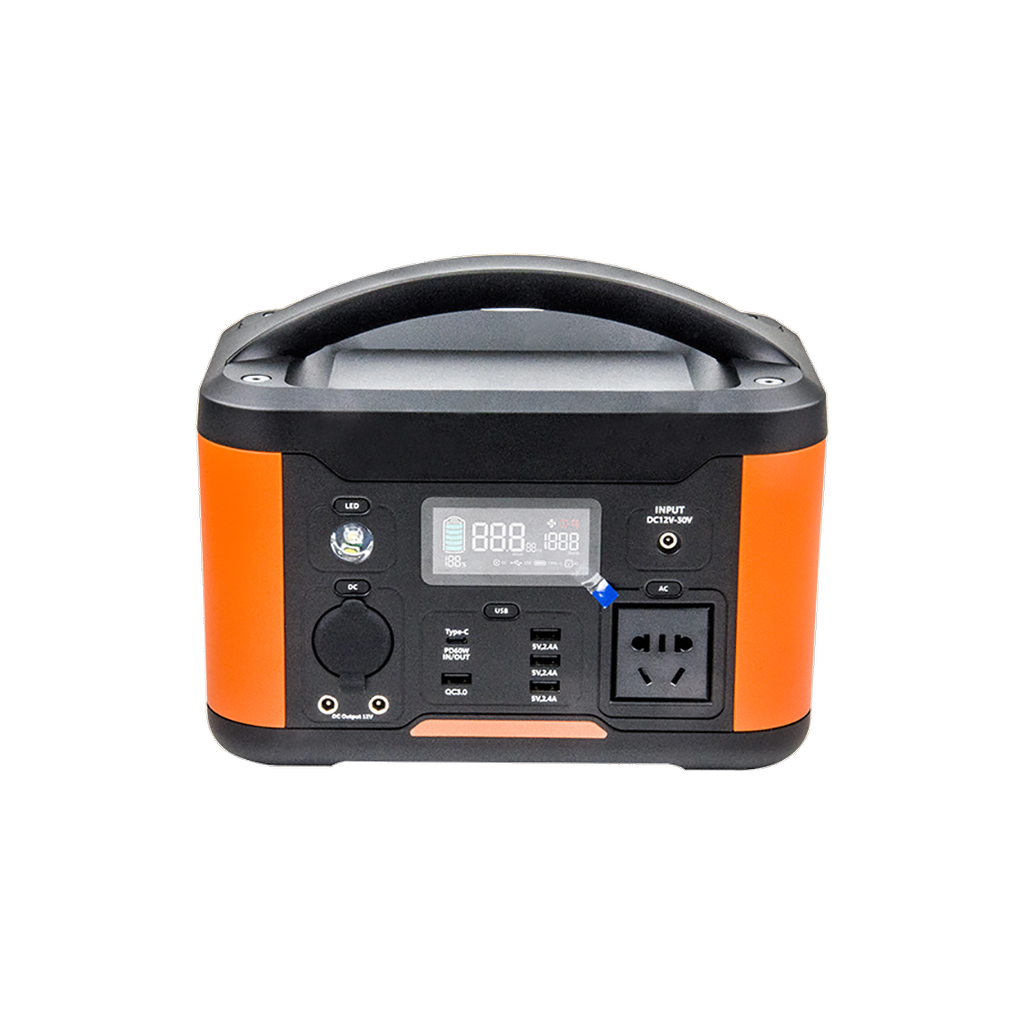
How to Choose the Right Portable Battery Power Station for Your Needs

How to Choose the Right Portable Battery Power Station for Your Needs

Selecting the right portable battery power station begins with understanding your specific needs. Identify the devices you plan to power and their respective wattage. For instance, if you intend to run a laptop (around 60-100 W) and a small refrigerator (around 50-80 W), a unit with at least 500 Wh of capacity is advisable to cover both without strain. 

Next, consider the charging methods that suit your environment. If your operations are primarily off-grid, a model that supports solar charging will enhance your sustainability efforts. Also, think about the number and types of output ports required. A mix of AC, USB, and DC outputs is often beneficial for diverse applications. 

In terms of quality assurance, ensure that the manufacturer adheres to international standards, such as ISO9000, which guarantees a consistent level of quality in production. Since Zhejiang Jyins Electrical Co., LTD has a robust quality assurance process, their portable battery power stations are a reliable choice for businesses seeking dependable energy solutions. 
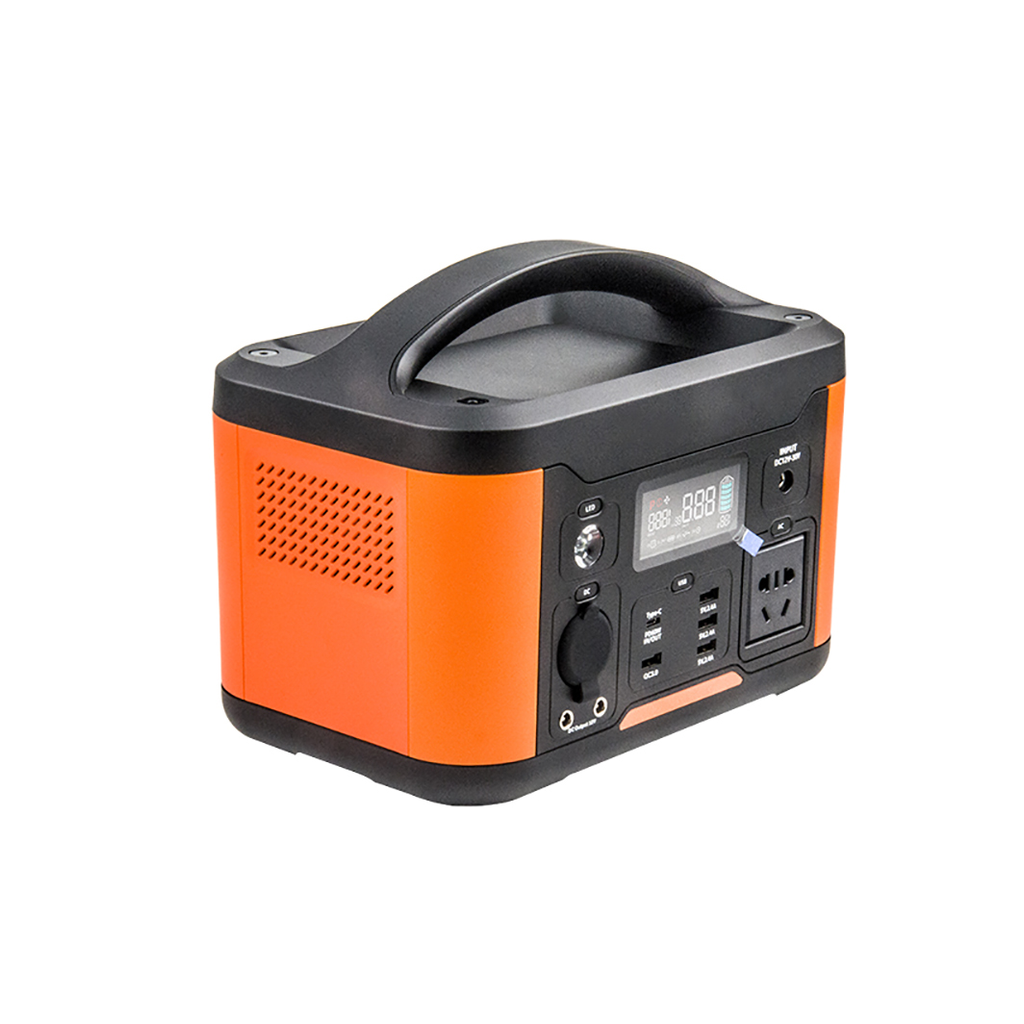
Common Problems with Portable Battery Power Stations and Their Solutions

Common Problems with Portable Battery Power Stations and Their Solutions

Despite their advantages, portable battery power stations can face several common issues. One prevalent problem is battery degradation over time, often exacerbated by extreme temperatures. To mitigate this, ensure the unit is stored within recommended temperature ranges and avoid prolonged exposure to high heat or freezing conditions. 

Another issue may arise from inadequate power output, which can happen if the total wattage of connected devices exceeds the station's capacity. To prevent this, always calculate the cumulative wattage before connecting devices. If you find that your power needs regularly exceed the station's capabilities, it may be wise to invest in a higher-capacity unit or consider multiple stations for larger operations. 

Finally, some users report difficulties with the charging process. This is often due to incompatible chargers or cables. Always use the small portable power station manufacturer's recommended charging accessories to ensure proper functionality. Regular maintenance checks can also help identify potential issues before they escalate. 

Where to Source Reliable Portable Battery Power Stations for Your Business

Where to Source Reliable Portable Battery Power Stations for Your Business

When sourcing portable battery power stations, reliability is paramount. Look for manufacturers with a proven track record in the industry, such as Zhejiang Jyins Electrical Co., LTD, known for its commitment to quality and adherence to international standards. 

Evaluate suppliers based on their manufacturing capabilities, quality control processes, and customer service responsiveness. Request information about their certifications, production equipment, and quality systems to ensure they meet your business's needs. Additionally, inquire about customization options, as many manufacturers, including Jyins, offer tailored solutions to suit specific applications. 

Before finalizing a supplier, consider their export capabilities and experience in your target market, as this can influence lead times and shipping costs. Engaging in direct communication can also help establish a trustworthy relationship with your supplier. 

Technical Insights on Portable Battery Power Station Materials and Design

The materials used in portable battery power stations play a significant role in their performance and durability. Most units feature lithium-ion batteries, which provide a high energy density and longer life compared to traditional lead-acid batteries. This choice of material is advantageous for businesses looking for lightweight and efficient power solutions. 

The design of the power station is equally important. Look for features such as robust casing to withstand environmental challenges, as well as integrated safety mechanisms like overcharge and short-circuit protection. A well-designed unit will also have efficient heat dissipation to prevent overheating during use. 

Manufacturers like Zhejiang Jyins Electrical Co., LTD utilize advanced manufacturing techniques to ensure that their products not only meet performance standards but also comply with safety regulations. When assessing a power station with solar panel, consider its build quality and the manufacturer’s commitment to rigorous testing and quality assurance processes to guarantee reliable performance in various applications. 

By understanding the specifications, application suitability, and sourcing options for portable battery power stations, you can make informed purchasing decisions that align with your business needs. 

Understanding Portable Battery Power Station Specifications for Buyers

When evaluating portable battery power stations, several specifications are critical. These include battery capacity (measured in watt-hours, Wh), output power (in watts), and the types of outputs available (USB, AC, DC). Battery capacity indicates how much energy is stored and how long devices can run on a single charge. For example, a station with a 500 Wh capacity can power a 100 W device for approximately five hours. 

Output power is equally important; it determines how many devices can be charged simultaneously and the load that can be supported. Portable battery power stations may also vary in terms of charging options, some can be charged via solar panels, AC outlets, or car chargers, which enhances their versatility. 

Additionally, consider the weight and portability of the unit, especially if it needs to be transported frequently. Buyers should also verify the expected lifecycle of the battery, typically measured in charge cycles, which indicates how many times the battery can be fully discharged and recharged before its capacity diminishes significantly. 

Frequently Asked Questions

What is the portable battery power station used for?

It provides reliable off-grid power for camping, RVs, outdoor work, emergency backup, and small appliances, using integrated battery and inverter technology optimized by our off-grid solar expertise.
Our stations use high-quality lithium battery chemistry with multiple capacity options to suit light to heavy use; specific models and capacities are listed in product specs for selection.
Run time depends on device power draw and battery capacity; typical consumer loads like phones run hours, small appliances run tens of minutes to hours. See model-specific runtime estimates in product details.
Yes, designed for solar charging and compatible with our off-grid solar products. Solar input and recommended panel specs vary by model; consult the product manual for optimal configuration.
Manufactured under ISO9000-aligned processes with experienced engineers, featuring built-in protections (overcharge, over-discharge, short circuit, thermal) to ensure safe, reliable operation.

Our Blog Posts

The Role of Bidirectional inverter PCB boards in EV Charging Stations

14

May

The Role of Bidirectional inverter PCB boards in EV Charging Stations

Bidirectonal inverter PCB boards plays a big role in electric vehicle (EV) charging stations. They handle how energy move between the station and EV. This mean they send power to EV when charging, and they can send power back to grid from EV too. Thi...
View More
How to resolve 'Voltage Sag' ride-through issues in unstable rural grids across Southeast Asia?

24

Jun

How to resolve 'Voltage Sag' ride-through issues in unstable rural grids across Southeast Asia?

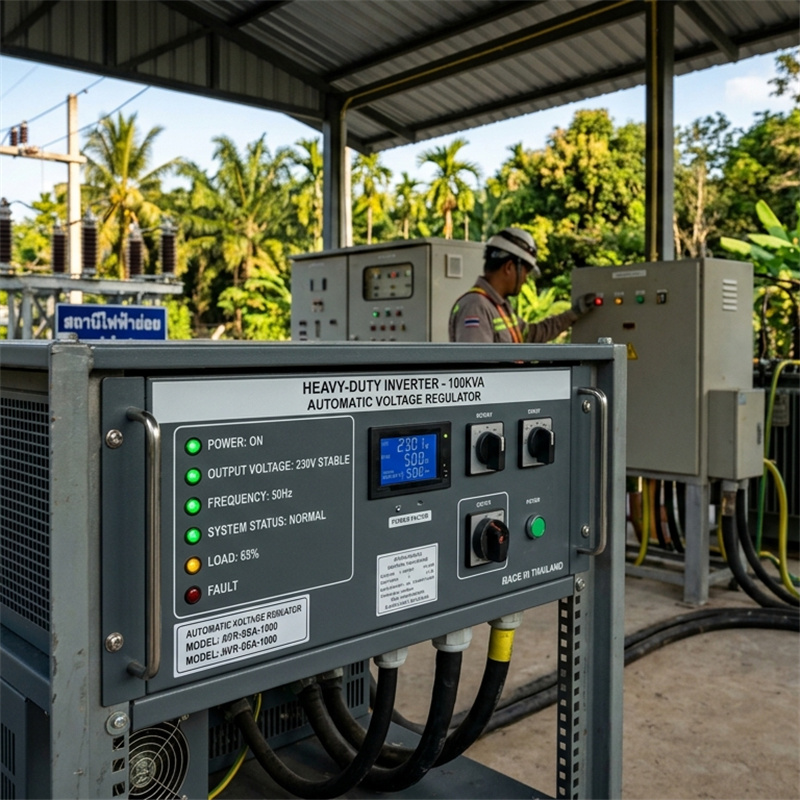
The Challenge of Weak Rural Grids in Southeast Asia Southeast Asian countries, including Vietnam, Indonesia, the Philippines, Thailand, and Cambodia, have seen a massive expansion of distributed solar power in rural and agricultural regions. These ar...
View More
Selecting Power Conversion for Cold Chain Logistics: Ensuring reliability at -20°C.

25

Jun

Selecting Power Conversion for Cold Chain Logistics: Ensuring reliability at -20°C.

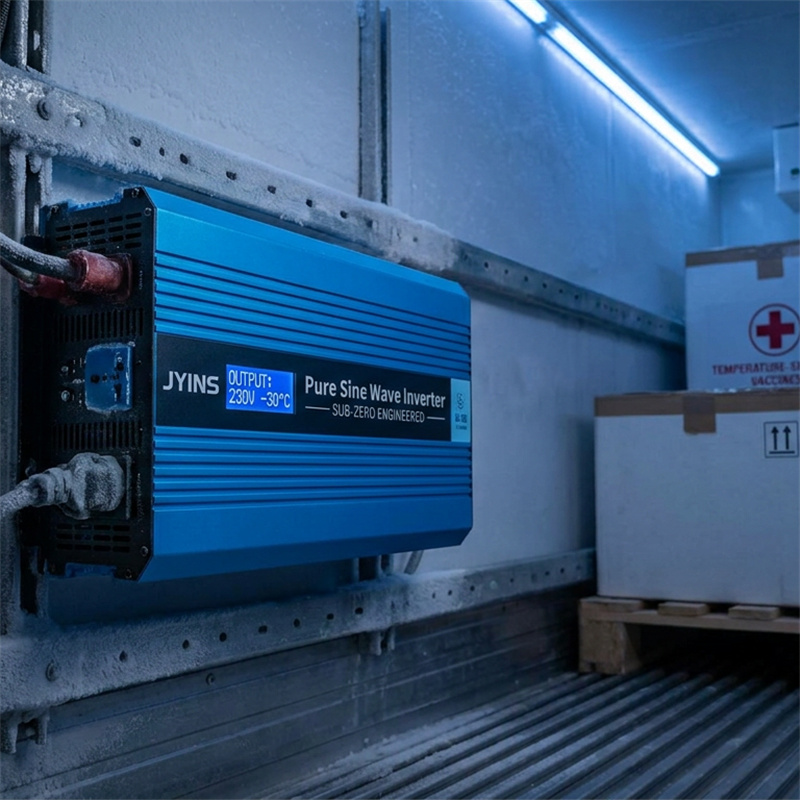
Q: Selecting Power Conversion for Cold Chain Logistics: Ensuring reliability at -20°C. Introduction: The Critical Nature of Cold Chain Integrity Cold chain logistics is a highly specialized sector of the transport and supply chain industry. It is...
View More
How to Design a Fail-Safe Remote Emergency Power Off (EPO) Interface for B2B Commercial PV Installations?

10

Sep

How to Design a Fail-Safe Remote Emergency Power Off (EPO) Interface for B2B Commercial PV Installations?

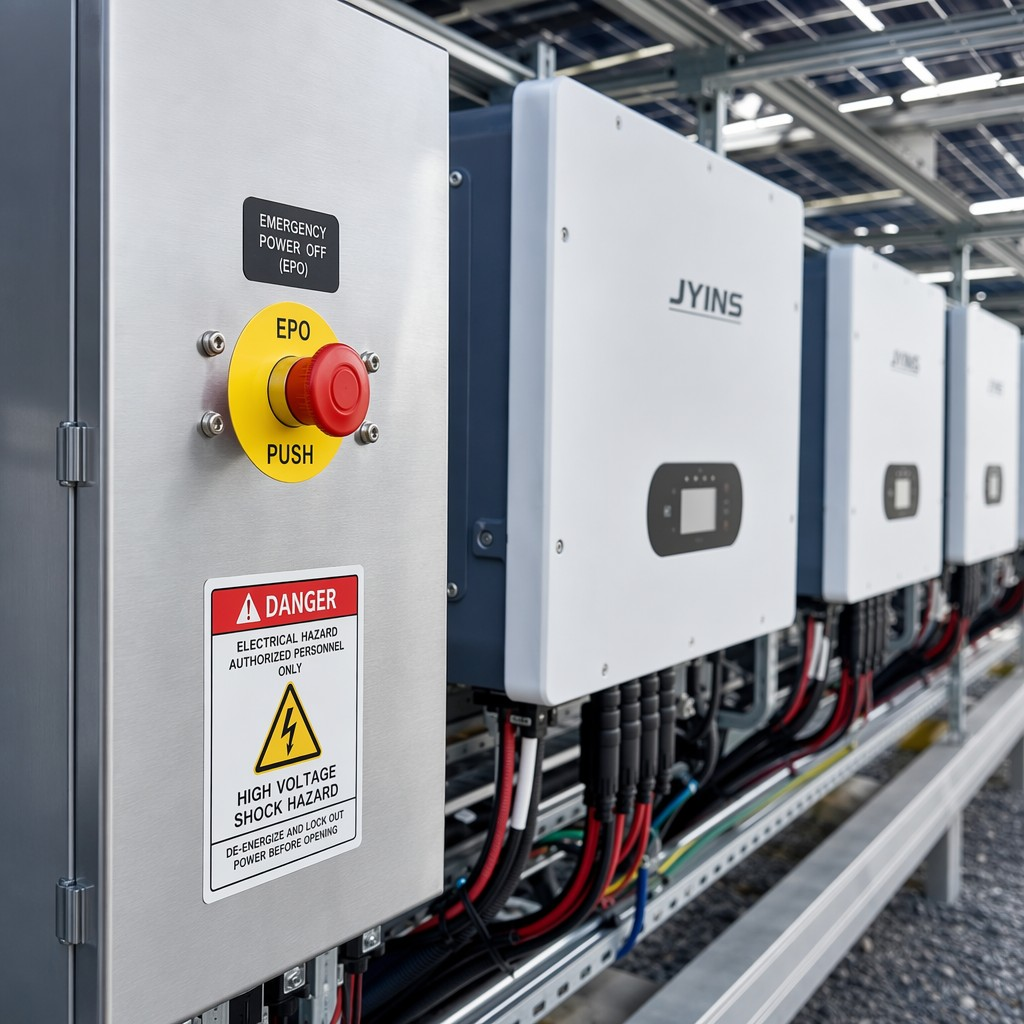
Q: How to Design a Fail-Safe Remote Emergency Power Off (EPO) Interface for B2B Commercial PV Installations? A: In commercial and industrial (C&I) scale PV installations, safety comes first. Whether for sudden fire emergencies, equipment maintenance,...
View More

Get a Free Quote

Our representative will contact you soon.
Email
Mobile
Name
Company Name
Products of Interest
Message
0/1000
Choosing the Right Portable Battery Power Station

Get a Free Quote

Our representative will contact you soon.
Email
Mobile
Name
Company Name
Products of Interest
Message
0/1000