30A MPPT Regulator for Off-Grid Solar Systems

Get a Free Quote

Our representative will contact you soon.
Email
Mobile
Name
Company Name
Products of Interest
Message
0/1000

mppt regulator 30a

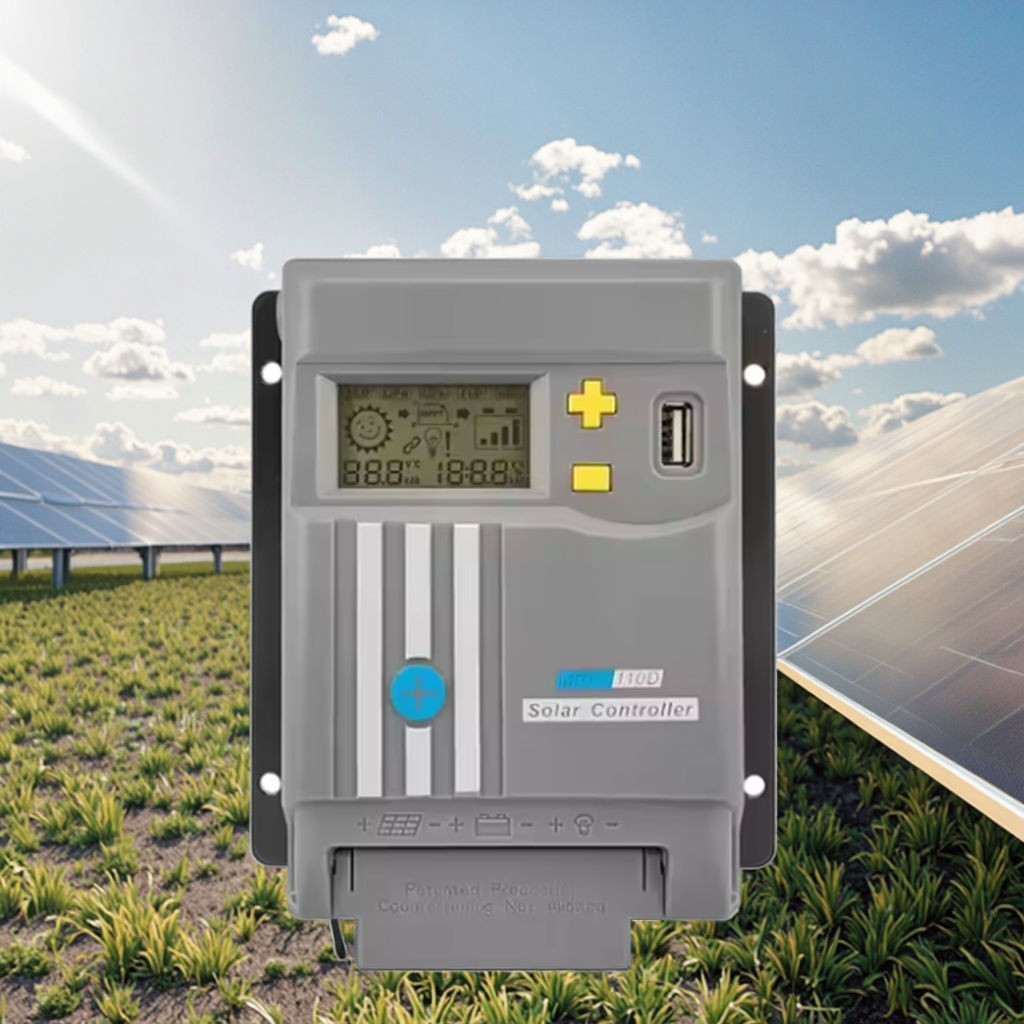
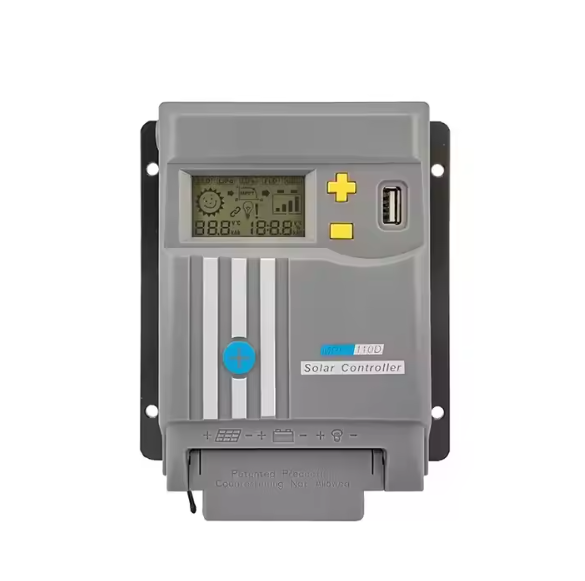
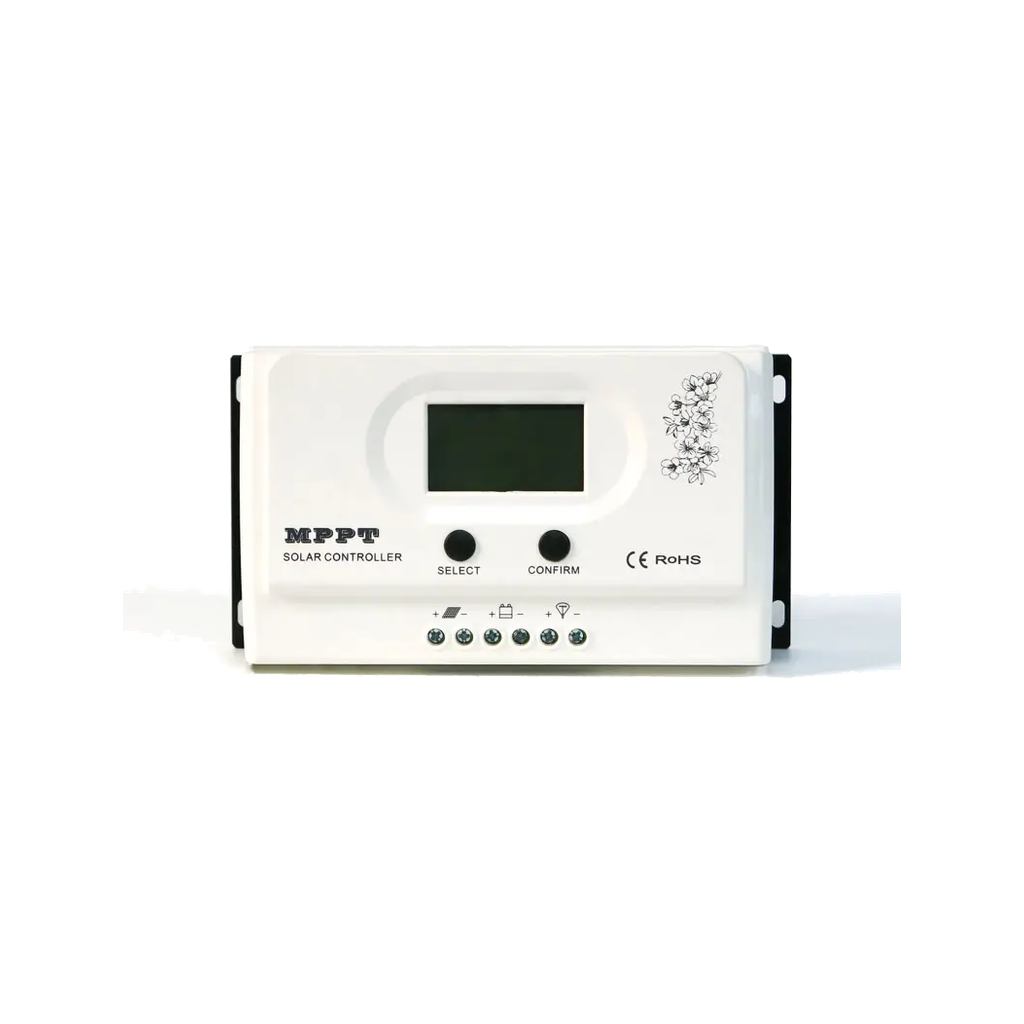
The 30A MPPT  regulator  is an essential component in  off-grid  solar  systems,  optimizing energy  conversion from solar panels to  batteries. Buyers typically seek  to  understand its specifications,  application suitability, and potential  challenges. This article will  explore  the key features  of our 30A MPPT  regulator, guide you in  selecting the right model for your project, and  provide insights into wholesale purchasing  and common issues  associated with these regulators.
How to Choose the Right 30A MPPT Regulator for Your Projec

How to Choose the Right 30A MPPT Regulator for Your Projec

When selecting a 30A  MPPT regulator, consider the following factors:

System  Voltage: Ensure that the  regulator's input voltage range matches your solar panel configuration. A mismatch can lead to inefficiencies or equipment damage.

Environmental Conditions:  Evaluate where the regulator will be installed. If it's in a location with high temperatures or humidity, select a model  that  can operate reliably within those conditions.

Load Requirements: Assess the total current requirements  of your connected devices.  If your system  demands peak currents near the  30A limit, consider a regulator with  a higher rating to avoid overloading.

Manufacturer Reputation:  Choose a regulator  from a reputable manufacturer like Zhejiang Jyins Electrical Co., LTD,  which adheres to international ISO9000  standards. This ensures  quality manufacturing processes and reliability.


Customization Options: If your  project has specific needs (e.g., remote monitoring features), inquire about customization capabilities. A manufacturer with strong R&D expertise can often accommodate unique requirements.

By carefully  considering these factors, buyers can ensure they  select a regulator that meets their project's demands effectively. Additionally, utilizing a Battery Charger can further enhance your energy management.
Wholesale Purchasing Options for 30A MPPT Regulators

Wholesale Purchasing Options for 30A MPPT Regulators

For  businesses looking to purchase 30A MPPT regulators in bulk,  several options are available:

Direct  Manufacturer Orders: Engaging directly with  manufacturers  like Zhejiang Jyins Electrical Co., LTD can provide the  best pricing and customization options. This often includes the  potential for bulk discounts and tailored solutions for specific applications.

Distributors: Working with authorized distributors  can offer additional support services,  such as  inventory management and faster shipping options.  Distributors often have established relationships with manufacturers, ensuring  a reliable  supply of products.


Online Marketplaces: While convenient, purchasing through online marketplaces  may not always guarantee the same level of quality  assurance. Ensure that the seller  has a good reputation and offers clear return policies.


When negotiating wholesale purchases, consider factors like minimum order quantities (MOQs), lead times,  and  payment terms. This helps in planning inventory efficiently and managing cash flow effectively.

Best Practices

Best Practices

To maximize the performance and longevity of your  30A MPPT  regulator, adhere  to these best practices:


Proper  Installation:  Follow the manufacturer’s installation guidelines carefully. Ensure that connections are secure and that the regulator is mounted  in  a location that  allows for adequate ventilation.

Regular Monitoring: Implement a monitoring system to  track  the regulator's performance over time. This can help identify potential issues before they lead to system  failures.

Routine Maintenance: Periodically check connections, clean terminals, and inspect for any signs of wear or damage. Regular  maintenance ensures optimal operation and extends the lifespan of the regulator.


Sample Testing: Before mass  production  or large orders, request samples to  verify that the product meets your specifications.  Testing the sample under actual operating conditions can help confirm its performance.

By following these best practices, buyers can ensure that  their 30A  MPPT regulators operate efficiently and reliably throughout their service life.

Common Problems with 30A MPPT Regulators and Their Solutions

Despite  their efficiency, 30A MPPT regulators may encounter common issues. Understanding these can help buyers  address problems proactively:

Overheating: If a regulator frequently overheats, it could  be due to excessive current draw or insufficient ventilation. Ensure that  the load does not exceed the regulator's rating  and consider improving airflow around the unit.

Voltage Fluctuations: Sudden drops in voltage can affect performance. This may be caused by poor connections or inadequate wiring. Regularly  inspect connections and  use appropriate wire  sizes to minimize resistance.

Failure to Charge Batteries: If the regulator does not charge the batteries, it could be due to incorrect voltage settings or a  malfunctioning unit. Verify that  the regulator is set correctly for the battery type and check for any error codes or  indicators on the unit.

Communication Errors: In systems with  monitoring capabilities, communication failures can  occur. Ensure that  all connections to monitoring devices are secure and that the  software is up to date.

Identifying these potential issues early can prevent more significant problems down the line, ensuring a more  stable and effective solar power  system.

By understanding  the key specifications, selecting the right model, considering  wholesale options, implementing best practices, and being aware of common problems, buyers can make informed decisions regarding 30A MPPT regulators that  will enhance the performance and reliability of their solar energy systems.

Understanding the Key Specifications of Our 30A MPPT Regulator

A 30A  MPPT  (Maximum Power Point Tracking) regulator is designed to manage the power output from solar panels efficiently. Key specifications include:

Input Voltage Range: This parameter indicates the range of voltages the regulator can accept from solar panels. A typical range might be 12V to 48V.  Choosing a regulator with  a suitable input  range is crucial for  compatibility with your solar system.

Output Current: As the  name  suggests, a 30A regulator can handle a maximum continuous output  current of 30 amps. Exceeding this limit can lead to overheating and  potential failure, so it's essential to consider your system's total current demand.

Efficiency Rating: The efficiency of  an MPPT regulator can often reach 95% or higher, meaning that it effectively converts  most of  the input power to usable output. Higher efficiency reduces energy loss and improves overall system performance.


Temperature Range: This specification indicates the operating temperature limits for  the regulator. Understanding the environmental  conditions where the regulator will be  installed helps ensure reliable operation.

Protection Features: Look for features  such as short circuit protection, over-voltage protection, and reverse polarity protection.  These features enhance the longevity  and reliability of the regulator.

Understanding these specifications helps buyers align the regulator's capabilities with their specific application needs, ensuring optimal performance in their solar energy systems. For those interested in enhancing their systems further, consider integrating a Solar Panel for better energy capture.

Our Blog Posts

Comparison of Commercial UPS Performance - Lead-acid versus Lithium-ion

01

Apr

Comparison of Commercial UPS Performance - Lead-acid versus Lithium-ion

Choosing the right uninterruptible power supply (UPS) is really important for businesses. It keep machines going when power cut out. There is two popular battery types for UPS: lead-acid and lithium-ion. Each one got its good points and bad points. A...
View More
Sourcing Inverters for the USA Market: Understanding UL 1741 SA/SB Smart Inverter requirements.

24

Jun

Sourcing Inverters for the USA Market: Understanding UL 1741 SA/SB Smart Inverter requirements.

The Shift to Smart Inverters in the United States The solar energy landscape in the United States is highly lucrative, but it is also governed by some of the most stringent and rapidly evolving technical standards in the world. As the capacity of gri...
View More
Why is 'Double-Isolated' circuit design critical for high-voltage commercial battery chargers?

24

Jun

Why is 'Double-Isolated' circuit design critical for high-voltage commercial battery chargers?

The Rise of High-Voltage Commercial Battery Charging Systems The global shift toward electrification has driven the rapid adoption of high-voltage battery systems in B2B sectors. Commercial electric vehicle (EV) fleets, heavy-duty material handling e...
View More
Troubleshooting Inverter Surge Capacity failures in high-torque industrial motor startups.

25

Jun

Troubleshooting Inverter Surge Capacity failures in high-torque industrial motor startups.

The Core Problem of High-Torque Motor Startups In B2B industrial systems, off-grid workshops, and marine installations, engineers frequently encounter a persistent issue: high-quality power inverters tripping on overload when attempting to start elec...
View More

Get a Free Quote

Our representative will contact you soon.
Email
Mobile
Name
Company Name
Products of Interest
Message
0/1000

Related product categories

30A MPPT Regulator for Off-Grid Solar Systems

Get a Free Quote

Our representative will contact you soon.
Email
Mobile
Name
Company Name
Products of Interest
Message
0/1000