EN


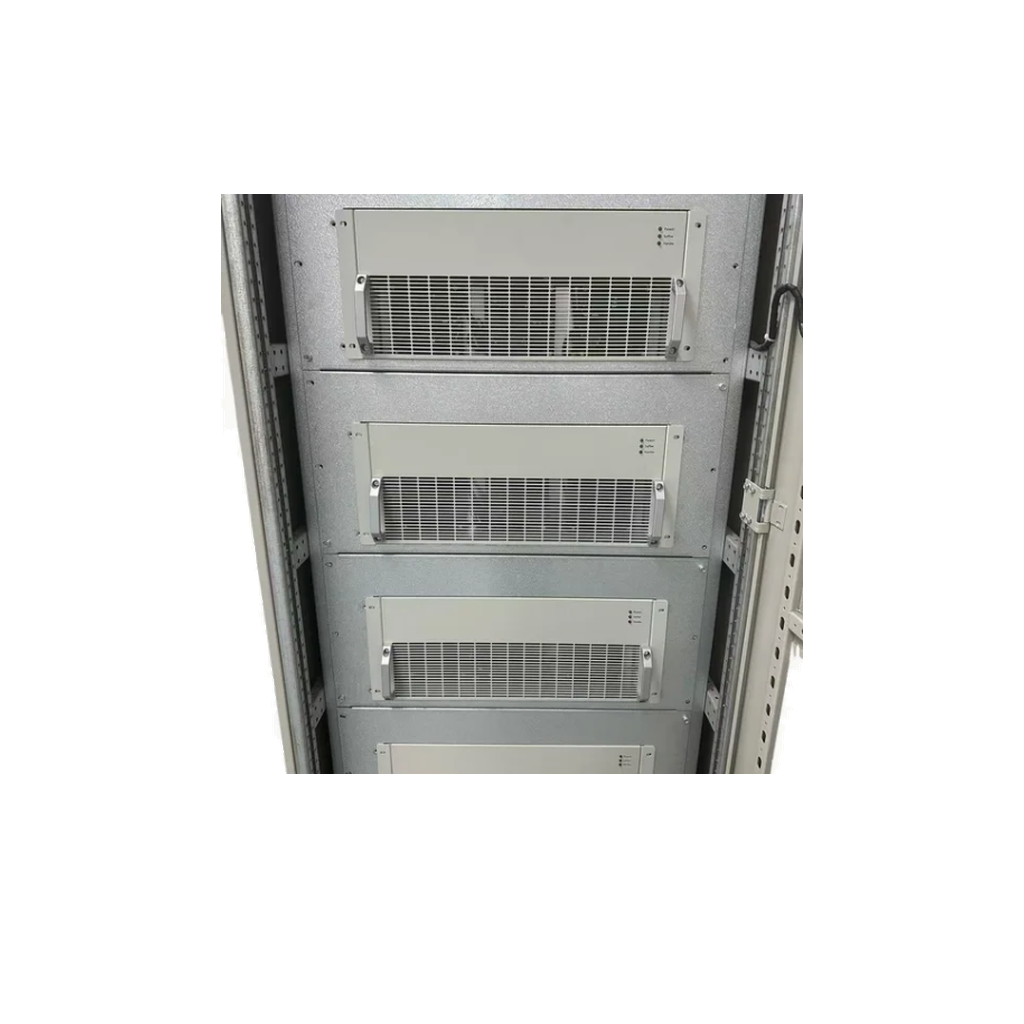
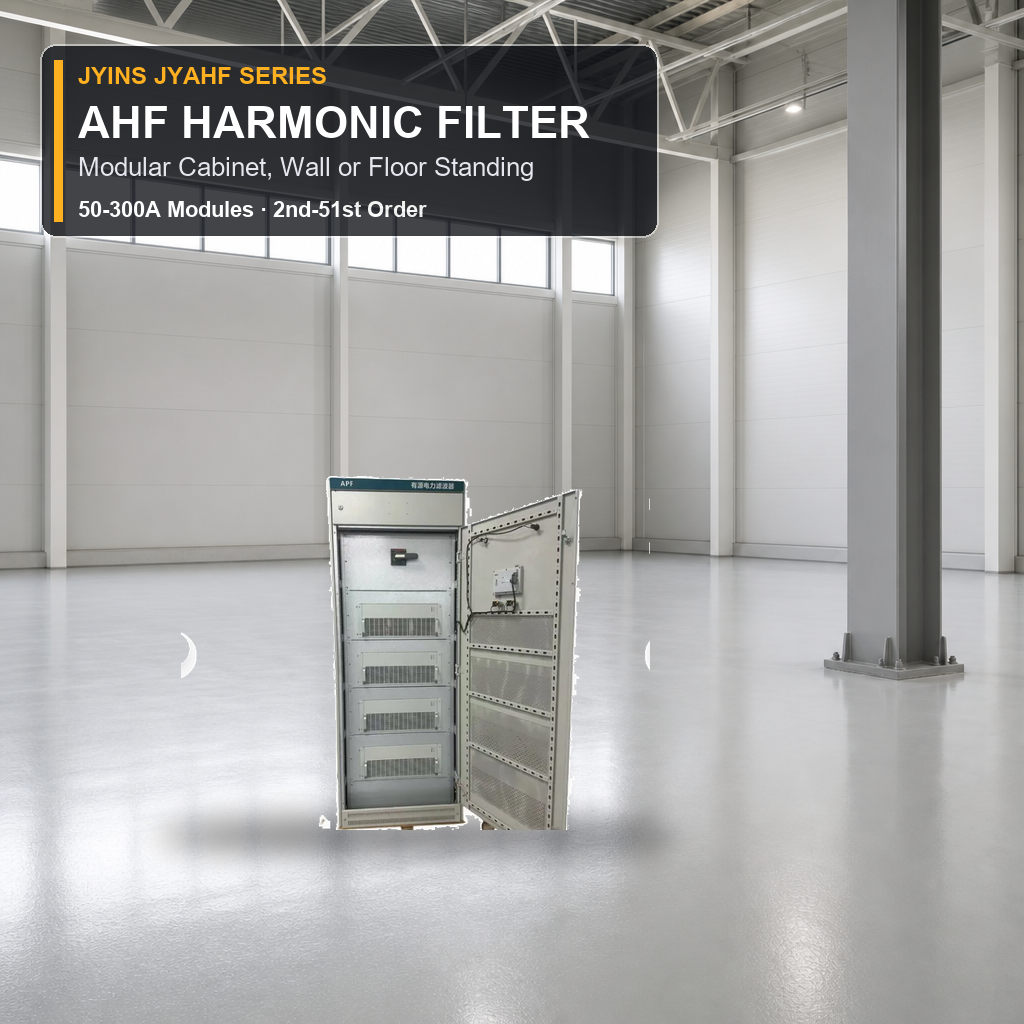
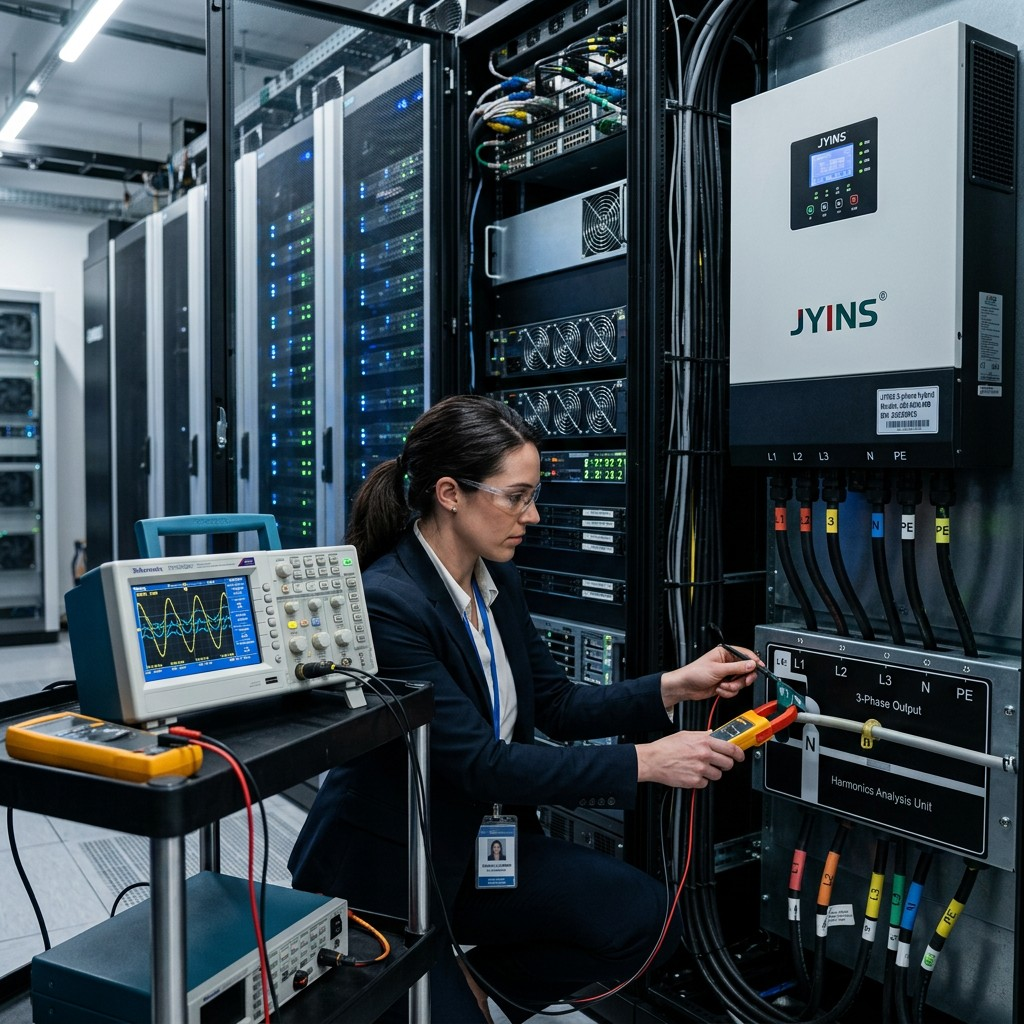
AHF harmonic filters are essential devices designed to reduce harmonic distortion in electrical systems, improving overall power quality. For B2B buyers, such as purchasing managers and engineers, the primary concerns often include product specifications, performance reliability, installation requirements, and compatibility with existing systems. This article will provide insights into key specifications, common problems with harmonic distortion, installation guidance, quality and performance aspects, and the technical advantages of AHF harmonic filters for industrial applications.
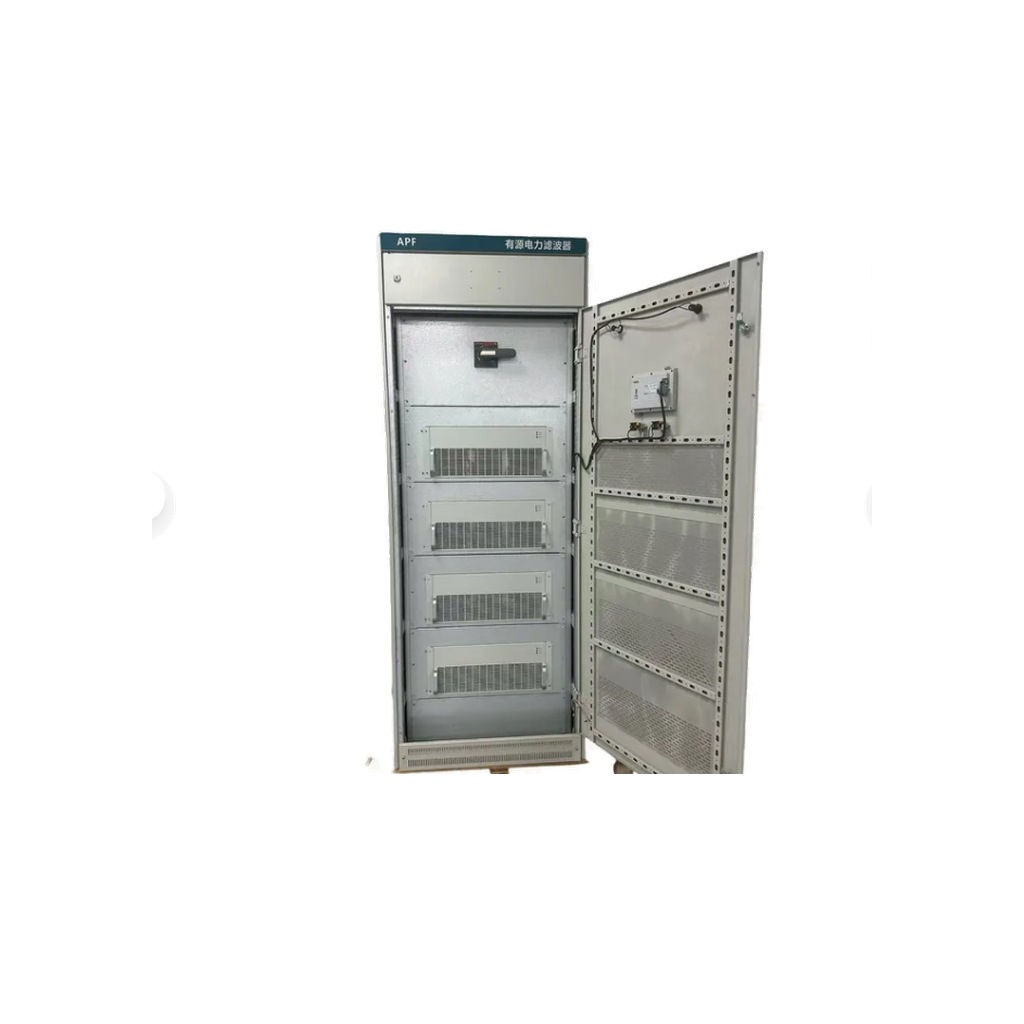
Common Problems with Harmonic Distortion and AHF Filter Solutions
Harmonic distortion is a frequent issue in industrial electrical systems, often leading to reduced equipment performance and increased operational costs. Common problems associated with harmonic distortion include:
Overheating of Equipment: Excessive harmonics can cause motors and transformers to overheat, leading to premature failure. AHF harmonic filters help mitigate this by reducing harmonic currents, improving equipment longevity.
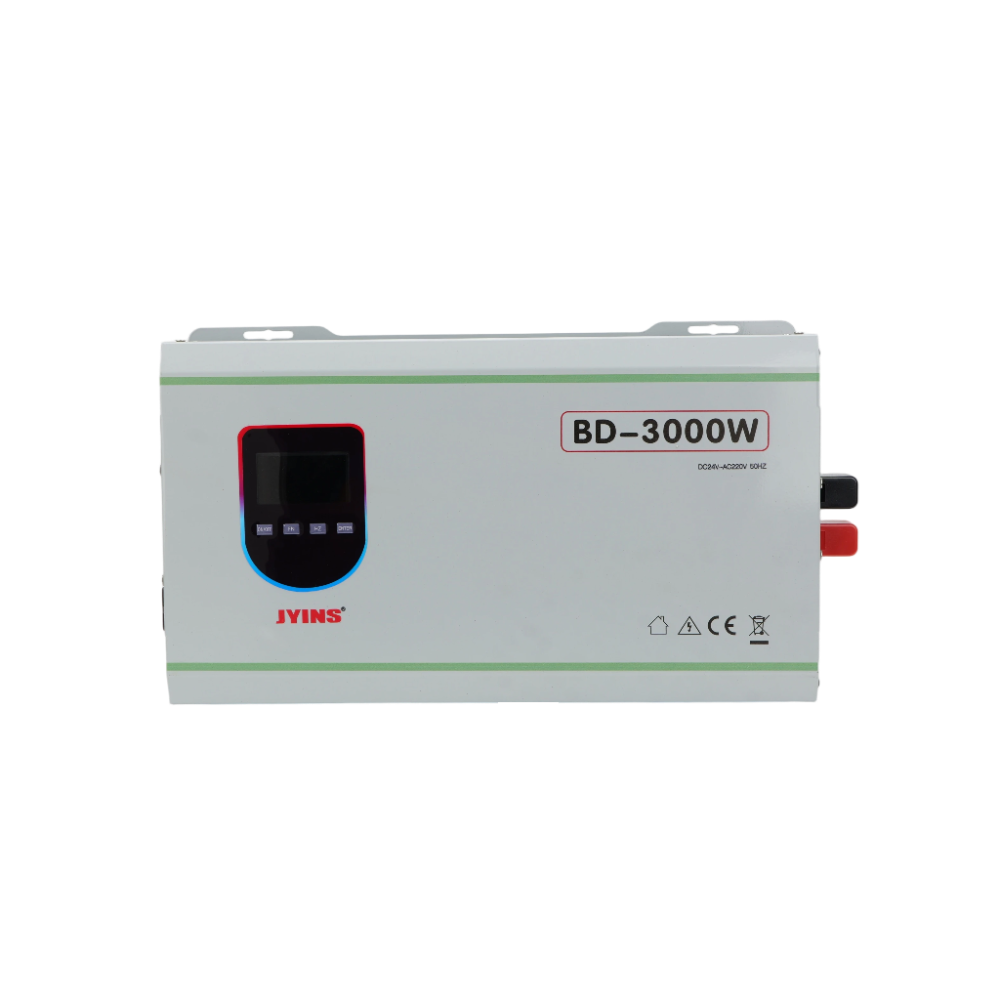
Increased Energy Costs: Distorted waveforms result in higher reactive power consumption, increasing energy bills. By deploying AHF filters, businesses can improve power factor and reduce overall energy costs. Utilizing devices like Power Inverter can also contribute to energy savings.
Interference with Sensitive Equipment: Harmonics can disrupt the operation of sensitive electronic devices, causing malfunctions or inaccuracies. AHF filters effectively clean the electrical supply, ensuring stable operation of all connected equipment.
Decreased System Efficiency: Overall system efficiency suffers due to harmonics, leading to reduced output and higher operational costs. AHF harmonic filters enhance efficiency by providing a cleaner power supply.
By addressing these common problems with AHF harmonic filters, companies can enhance operational efficiency and ensure the reliability of their electrical systems.