EN


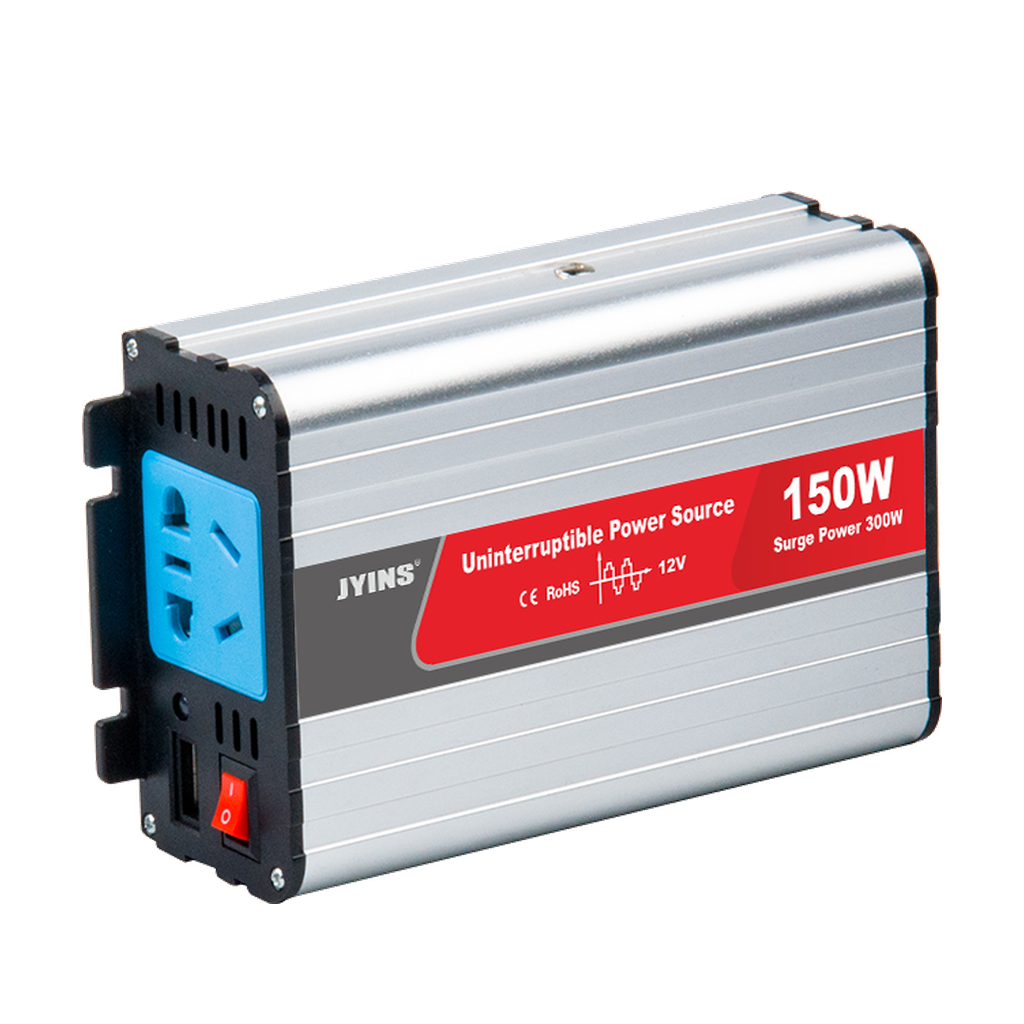
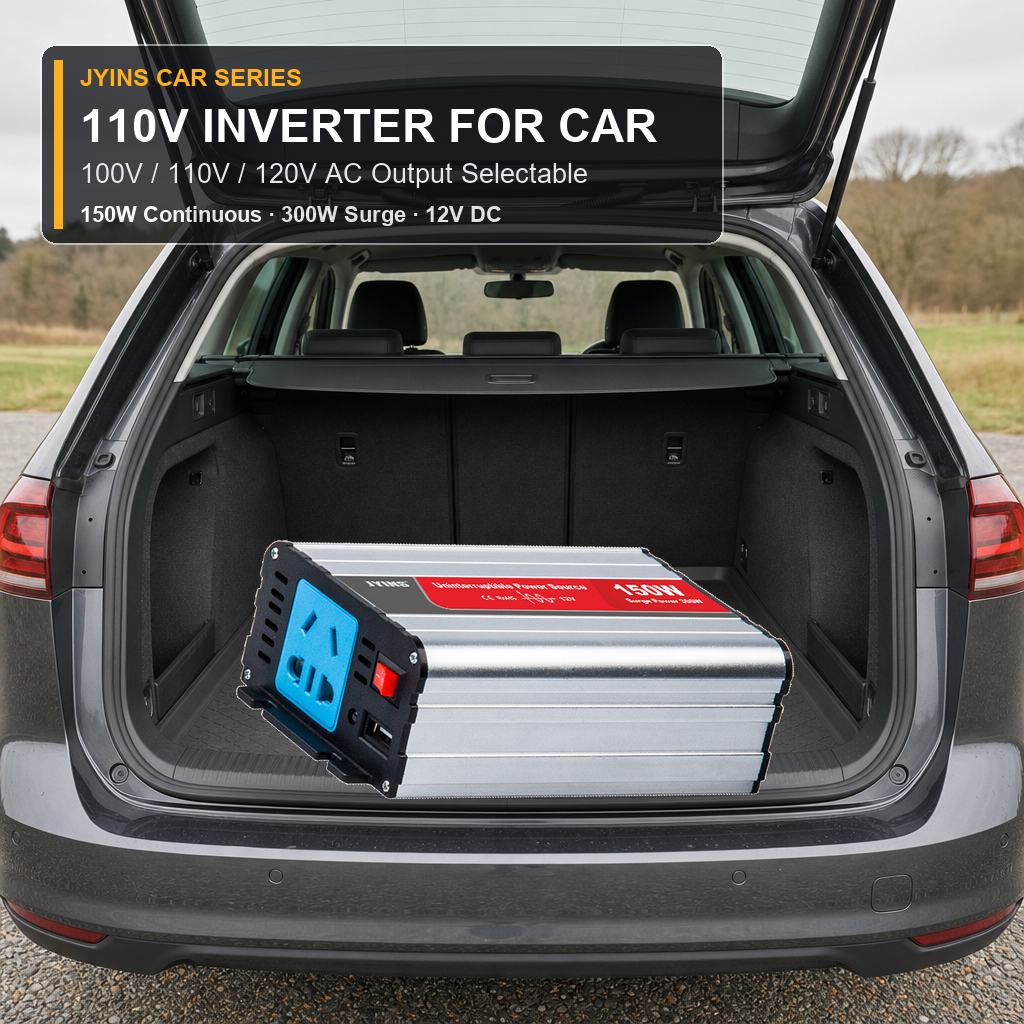
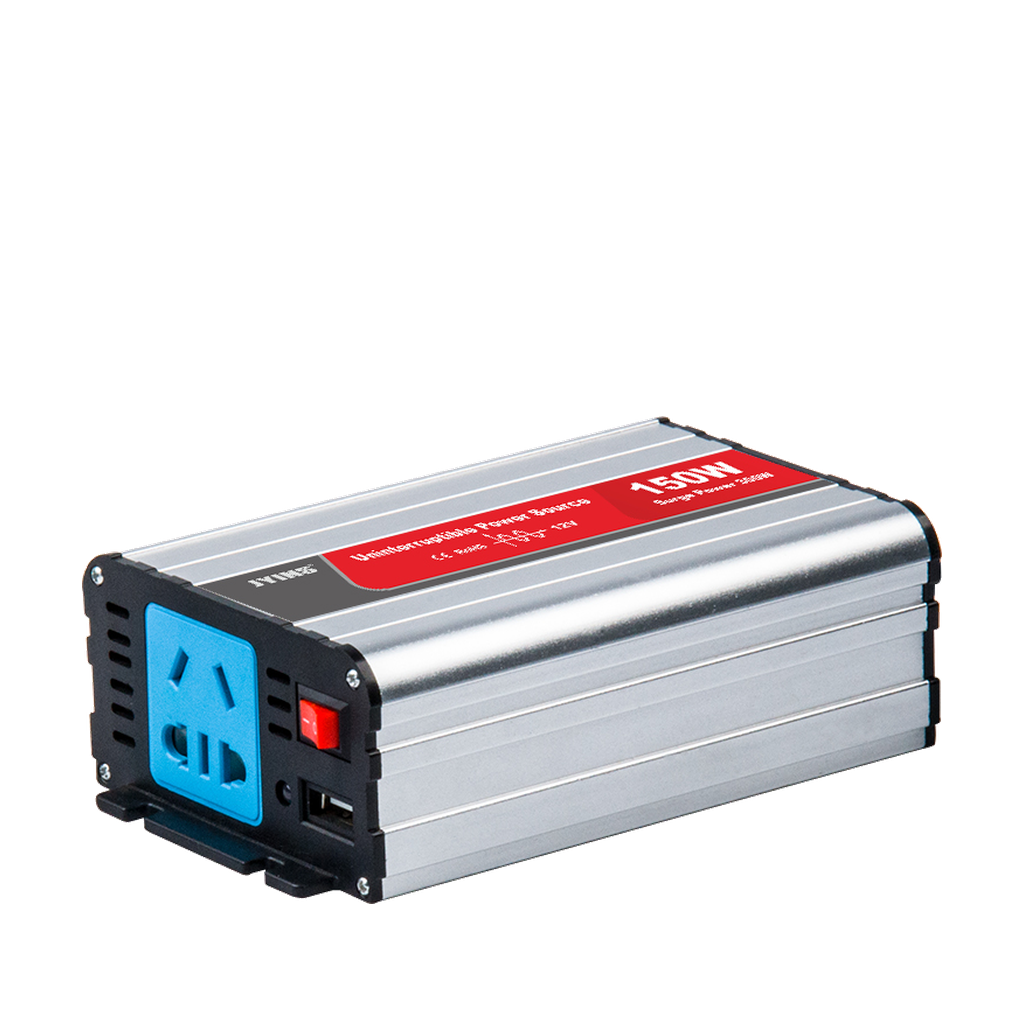
A 110V inverter for car use is a crucial device that converts DC power from your vehicle’s battery into AC power, allowing you to run various electronic devices while on the road. For B2B buyers, understanding the intricacies of these inverters is essential to ensure compatibility, performance, and quality. This article aims to address essential aspects such as cost, quality, applications, sourcing, and installation processes to help you make informed purchasing decisions.
Top Applications for 110V Inverters in Automotive Settings
A 110V inverter can serve various applications in automotive settings, making it an invaluable tool for many professionals. Common uses include powering laptops, charging tools, running small kitchen appliances, and even supporting medical devices during travel.
Field Operations: Engineers and technicians working in remote locations can rely on inverters to power laptops and diagnostic tools, ensuring they can work efficiently without needing access to a conventional power source.
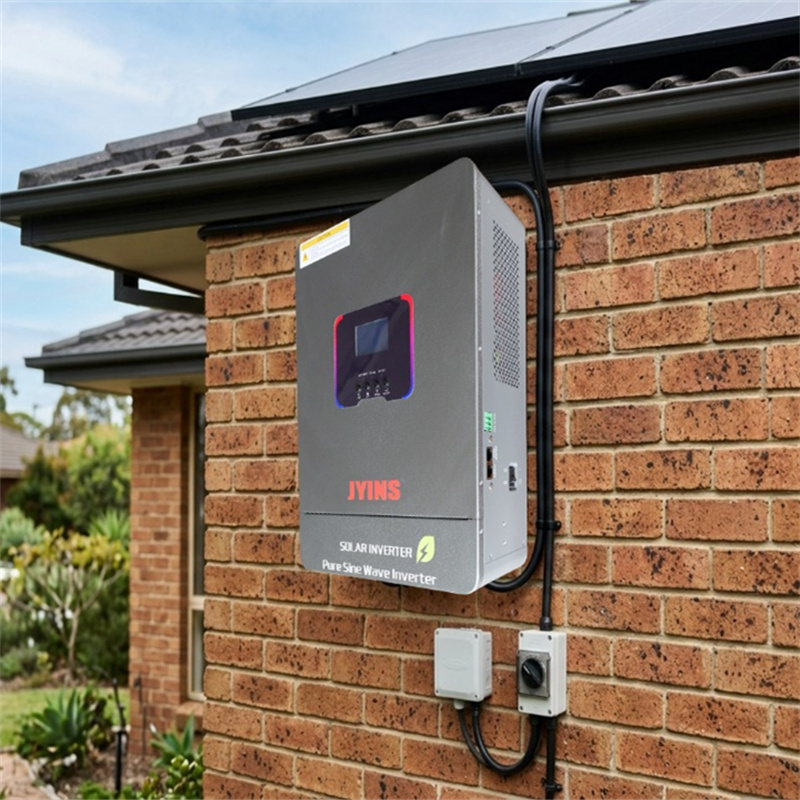
Camping and Recreational Use: For outdoor enthusiasts, a 110V inverter allows for the operation of portable refrigerators, lighting, and entertainment devices, enhancing the overall experience. Additionally, incorporating a Solar Panel can further enhance the efficiency of power usage while camping.
Emergency Power Supply: Inverters can provide backup power for critical medical devices during emergencies or power outages, making them essential for healthcare professionals who travel or operate in remote areas.
Understanding these applications helps buyers assess their specific needs and choose the right inverter based on wattage and additional features.