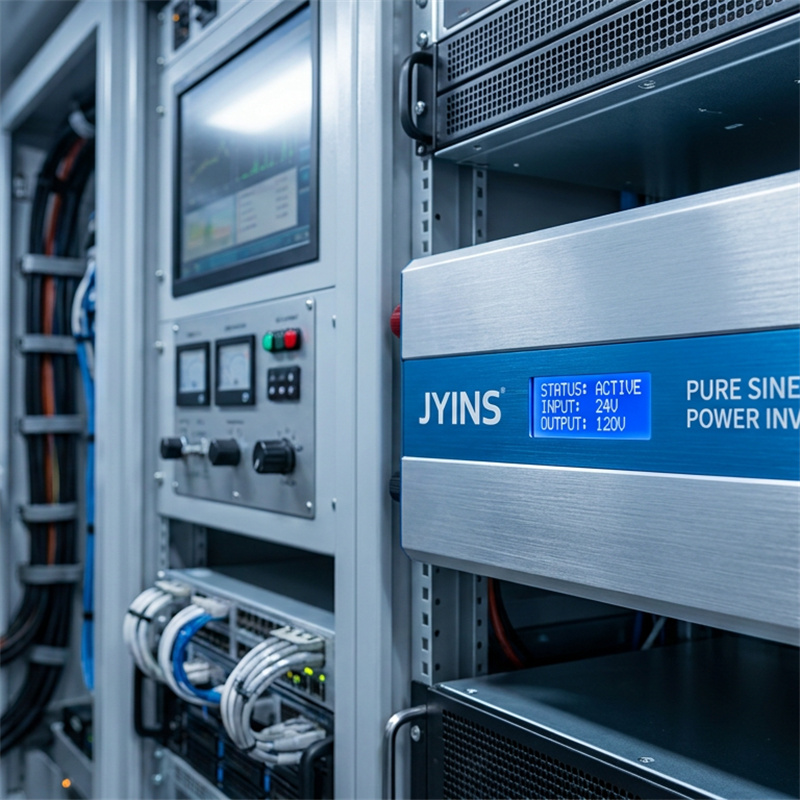
Wholesale Power Inverter Charger 3000W Solutions

Get a Free Quote

Our representative will contact you soon.
Email
Mobile
Name
Company Name
Products of Interest
Message
0/1000

power inverter charger 3000w

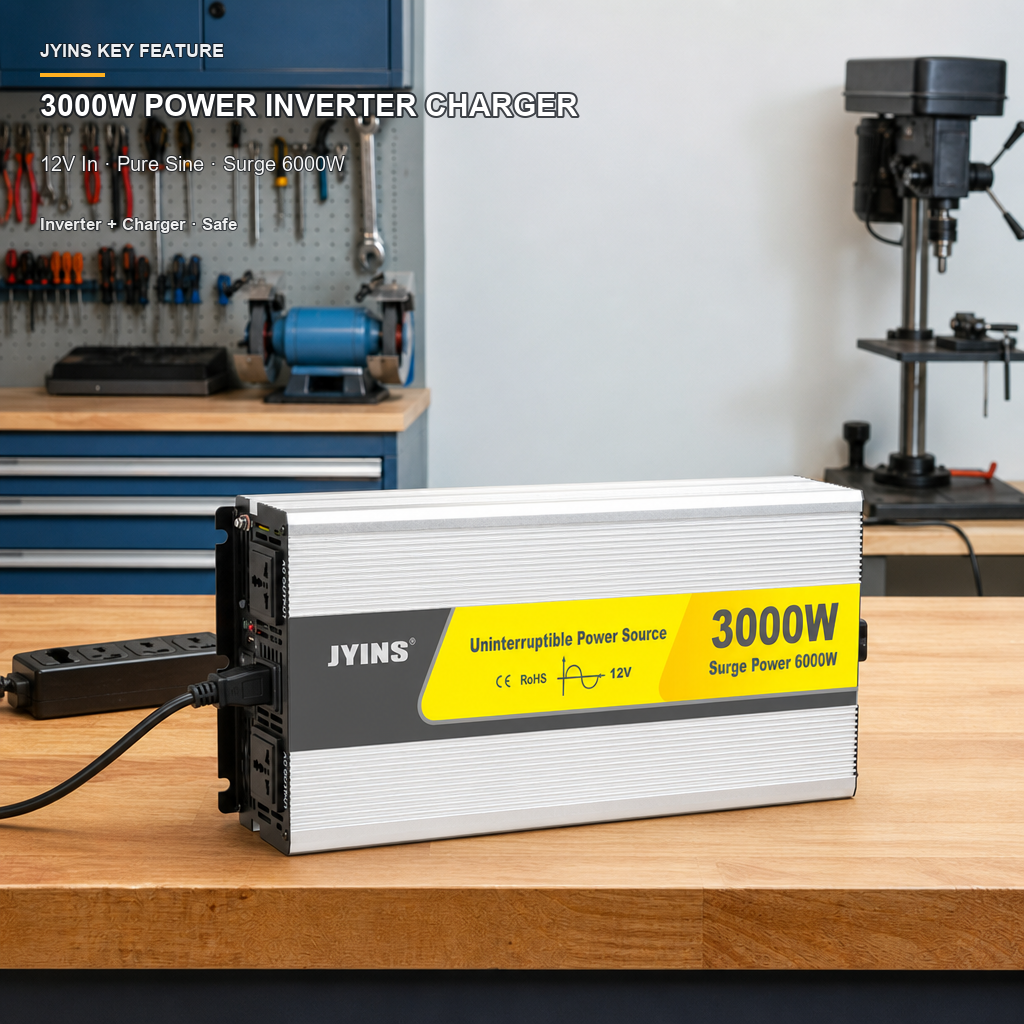
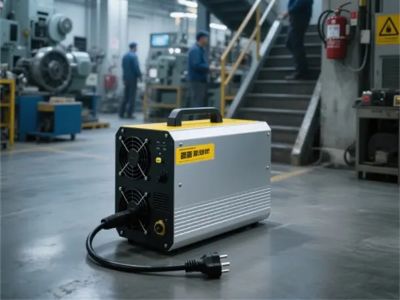
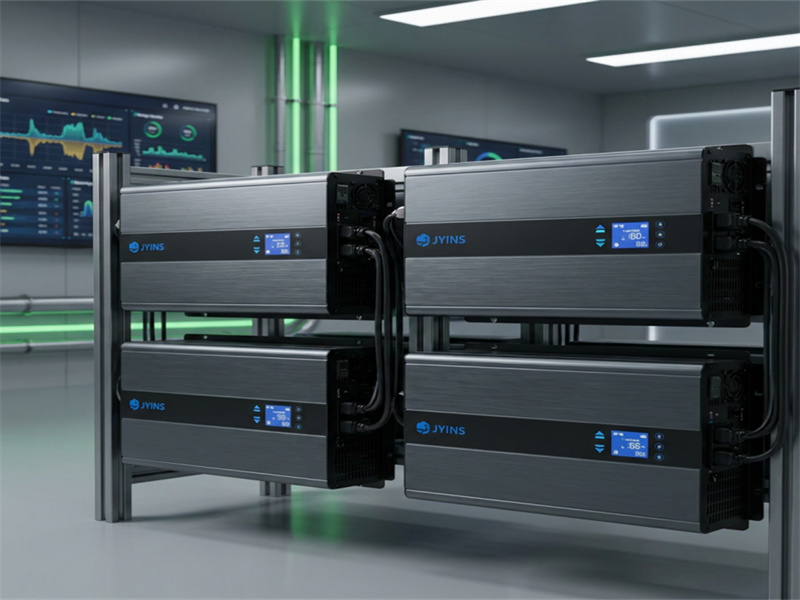
Power inverter  chargers are essential devices for converting DC power to AC power, providing a  reliable energy  source for  a variety  of applications. The 3000W power inverter charger is  particularly useful  for off-grid solar systems, backup power solutions, and  recreational vehicles. When considering  purchasing  a power inverter charger, B2B buyers—such as purchasing  managers, distributors, and engineers—often have specific  concerns regarding performance,  installation challenges, and long-term reliability.  This article aims to  clarify the  key specifications,  common installation challenges, solutions to frequent  problems, cost factors, and effective supplier  comparison methods for 3000W power inverter  chargers.
Installation Guidelines for Power Inverter Charger 3000W Systems

Installation Guidelines for Power Inverter Charger 3000W Systems

Installing a 3000W power inverter  charger can present several challenges,  particularly in non-standard applications:

Space Constraints: Many installations occur in confined  spaces,  making it difficult to find adequate room for the inverter and its associated wiring. Proper planning and layout design are essential.

Wiring Compatibility: Ensuring that the wiring  gauge is appropriate for the inverter’s output  current is critical. Undersized  wiring can lead to overheating and increased voltage drop, affecting performance.

Ventilation Needs: Inverters generate heat during operation. Inadequate ventilation can cause overheating, which  may trigger safety features or damage  the unit. Always plan  for proper  airflow.

Battery Compatibility: Different battery types (lead-acid, lithium-ion,  etc.) have specific  charging requirements. Ensuring compatibility between the inverter and the battery system is crucial for optimal  performance. Consider using a Battery Charger to ensure effective charging.

Grounding Requirements: Proper grounding is necessary to prevent  electrical hazards. Ensure that the installation complies with local electrical codes  and standards.


Addressing these challenges during the planning and installation phases can significantly enhance the reliability  and longevity of the  power inverter charger.
Common Problems with Power Inverter Charger 3000W and Solutions

Common Problems with Power Inverter Charger 3000W and Solutions

Buyers  often encounter common  problems when using 3000W power inverter chargers. Here  are  some practical  solutions:

Overheating: If the inverter frequently overheats, check for proper ventilation and ensure the cooling system is functioning effectively.  Consider using a larger inverter if the load exceeds the rated capacity.

Battery Charging Issues: If the inverter fails to charge the battery adequately,  verify that the input voltage and connections are secure. It's also advisable to check the battery's health, as degraded batteries may not  charge properly.

Noise  Levels: Some inverters generate noise due to fans or internal components. If noise is a concern, consider models designed for quieter operation or  install the inverter in a sound-insulated enclosure.


Inconsistent Output: Inconsistent power output can be a result of poor connections or cable  quality. Inspect all connections and replace any substandard  cables to ensure optimal performance.

Fault  Codes: Many modern inverters  display fault codes to indicate issues. Consult  the user  manual for troubleshooting steps based on the specific code displayed.

By proactively addressing these common issues, users can ensure smoother operation  and longer-lasting performance from their  power inverter chargers.

 
Applications of Power Inverter Charger 3000W in Various Industries

Applications of Power Inverter Charger 3000W in Various Industries

When  evaluating the cost of  3000W power inverter chargers, several factors must be considered:

Initial  Purchase Price: Compare the base prices of  different models. While lower-priced options may be tempting, ensure  they  meet  the required specifications and quality standards.

Installation Costs: Factor in the costs associated with installation, including labor, materials, and any additional equipment needed for proper setup.

Operating Costs: Consider the efficiency of the inverter, as higher efficiency  can lead to lower  energy costs over  time. Review user experiences regarding long-term performance and  reliability.

Warranty and Support: Products with longer warranties and strong customer support can provide better value. Ensure the supplier has a  responsive support system for troubleshooting and warranty claims.

Customization Options: If  unique  specifications are required, customization may incur additional costs. Discuss these options upfront to  avoid  surprises down the line.

By understanding these cost factors, buyers  can make more  informed decisions  that align with their budget and operational needs.


Technical Expertise Behind Our Power Inverter Charger 3000W Products

When selecting a supplier for  3000W power inverter chargers, a systematic comparison  approach is essential:

Product Quality and Certifications:  Investigate whether the supplier adheres  to industry standards, such as ISO9000 certifications. Quality assurance processes are vital  for reliable product  performance.

Supplier Reputation: Research the supplier's track record in the industry. Look for reviews, testimonials, and case studies that reflect their reliability  and customer service.

Customization Capabilities: If specific features or configurations  are needed, ensure the supplier can accommodate these requests.  Discuss their design and production capabilities upfront.

Lead Times and Availability: Inquire about production times and stock availability. Suppliers who can meet tight deadlines are  often more  favorable for urgent  projects.

Post-Sale Support: Assess the level of customer support provided  after purchase. Reliable support can be crucial  for  troubleshooting and maintenance over the product's  lifecycle.

By taking a structured approach to  supplier comparison,  buyers can enhance their chances of selecting  a vendor that meets their specific needs while ensuring a  smooth purchasing process.

Wholesale Purchasing Options for Power Inverter Charger 3000W

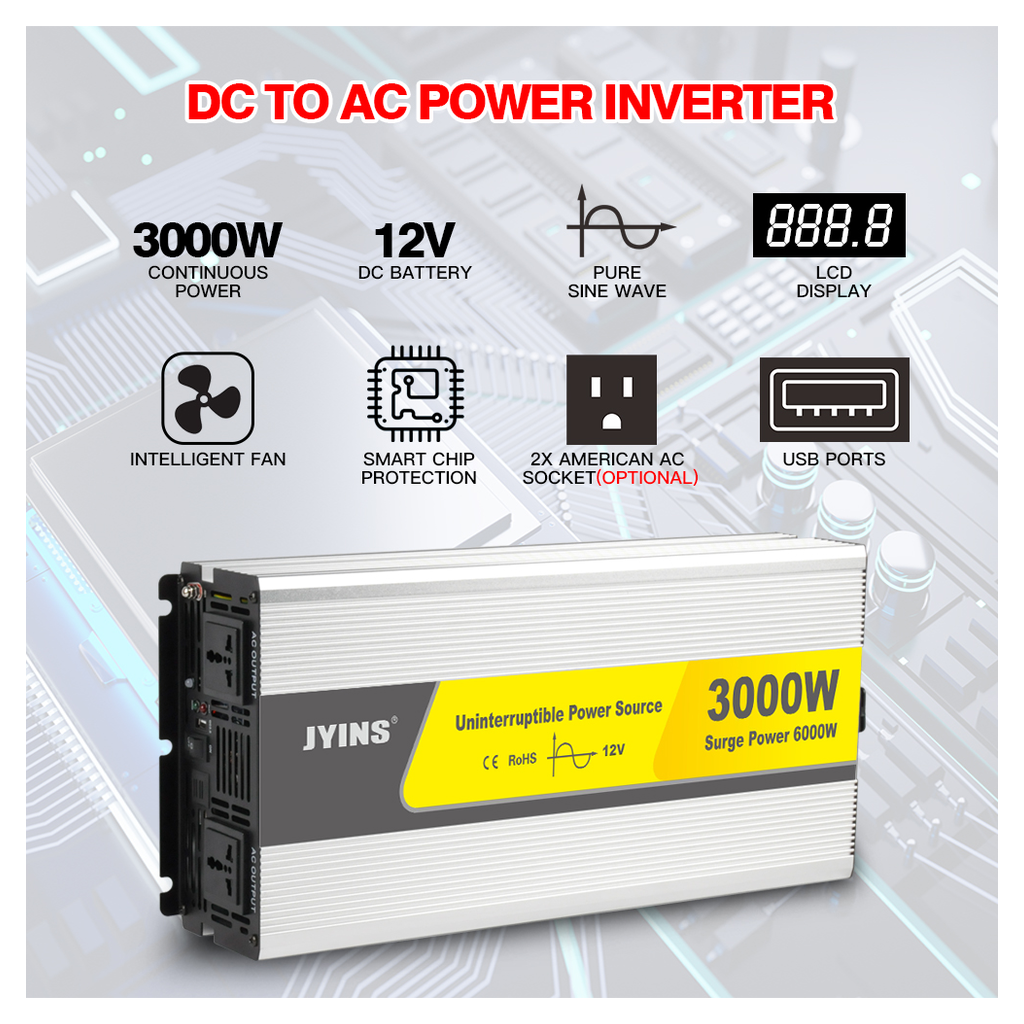
When selecting a 3000W power inverter charger, several key specifications should be evaluated:

Input Voltage Range: Typically, these chargers accept a range of DC voltages, often between  12V and 48V. It's crucial to ensure compatibility with your battery system to avoid performance issues.

Output Waveform: The output waveform can  be  pure sine wave,  modified sine  wave, or square wave. Pure sine wave inverters are preferred for sensitive electronics, as they provide cleaner  power and reduce the  risk of damage. For optimal performance, consider using a Pure Sine Wave Inverter.

Efficiency Rating: Look for inverters with high efficiency, typically  above 85%. Higher  efficiency translates to less wasted energy and lower operating costs.


Cooling  Mechanism: Effective cooling mechanisms, such as fans or heatsinks, are essential  for maintaining performance under load. Insufficient cooling  can lead to overheating and  reduced lifespan.

Safety Features: Ensure the inverter includes essential safety features such as short circuit protection,  over-temperature protection, and overload protection. These features help prevent damage  to both the inverter and connected  devices.

Dimensions and Weight: Consider the space available for installation and the weight for transportation. Compact and lightweight designs can be advantageous  for portable applications.

These specifications directly impact the inverter's performance and  suitability for specific applications, so thorough evaluation is essential to meet operational  requirements.

Our Blog Posts

How to Verify the Actual Output of an Inverter Power Rating

14

May

How to Verify the Actual Output of an Inverter Power Rating

If you are purchasing an inverter, you will want to be informed about what the actual output is. Often, this does not match what is written on the packaging and is very problematic for those that require an inverter to operate critical equipment such...
View More
Scaling Off-Grid Energy: A Technical Analysis of Parallel Bidirectional Inverters in Sustainable Microgrids

15

May

Scaling Off-Grid Energy: A Technical Analysis of Parallel Bidirectional Inverters in Sustainable Microgrids

Introduction: The Evolution of Off-Grid Power As the global transition toward renewable energy accelerates, the demand for resilient and scalable off-grid solutions has never been higher. Sustainable microgrids—localized energy systems that can...
View More
How to implement 'Soft-Start' logic for massive capacitive loads in off-grid telecom shelters?

24

Jun

How to implement 'Soft-Start' logic for massive capacitive loads in off-grid telecom shelters?

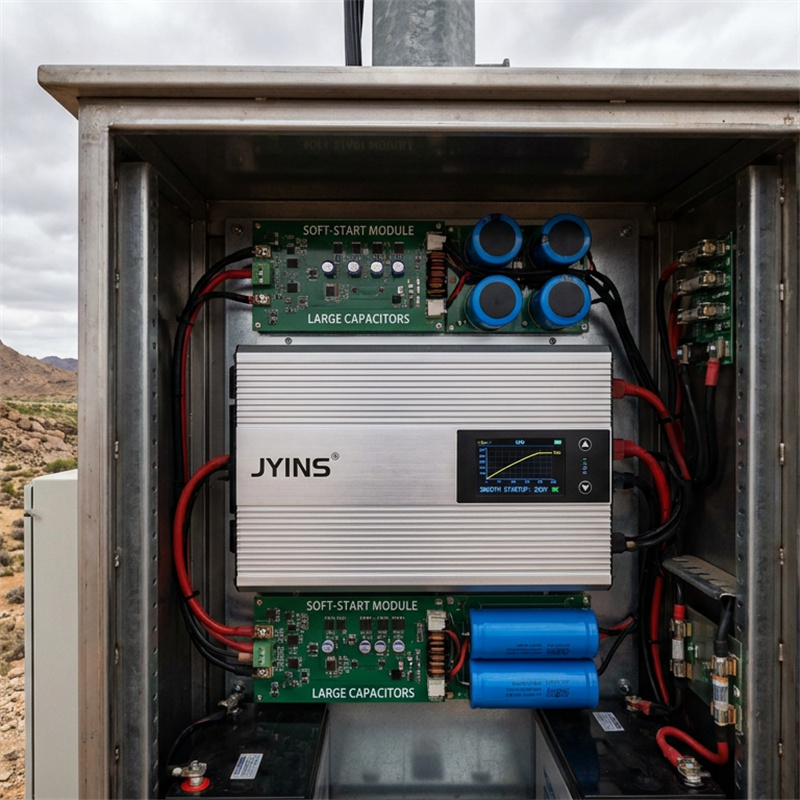
The Capacitive Load Dilemma in Remote Telecom Infrastructure Off-grid telecommunication shelters are the backbone of global connectivity, housing transmission equipment, microwave links, and cellular transceivers in remote, unattended locations. To e...
View More
Inverter requirements for Mobile Satellite Communication Units: Minimizing EMI/RFI noise.

25

Jun

Inverter requirements for Mobile Satellite Communication Units: Minimizing EMI/RFI noise.

Q: Inverter requirements for Mobile Satellite Communication Units: Minimizing EMI/RFI noise. Introduction: The Critical Challenge of Powering Mobile SatCom Units Mobile Satellite Communication Units, including emergency command vehicles, outside broa...
View More

Get a Free Quote

Our representative will contact you soon.
Email
Mobile
Name
Company Name
Products of Interest
Message
0/1000
Wholesale Power Inverter Charger 3000W Solutions

Get a Free Quote

Our representative will contact you soon.
Email
Mobile
Name
Company Name
Products of Interest
Message
0/1000