Reliable Battery Storage Systems for B2B Buyers

Get a Free Quote

Our representative will contact you soon.
Email
Mobile
Name
Company Name
Products of Interest
Message
0/1000

battery storage system

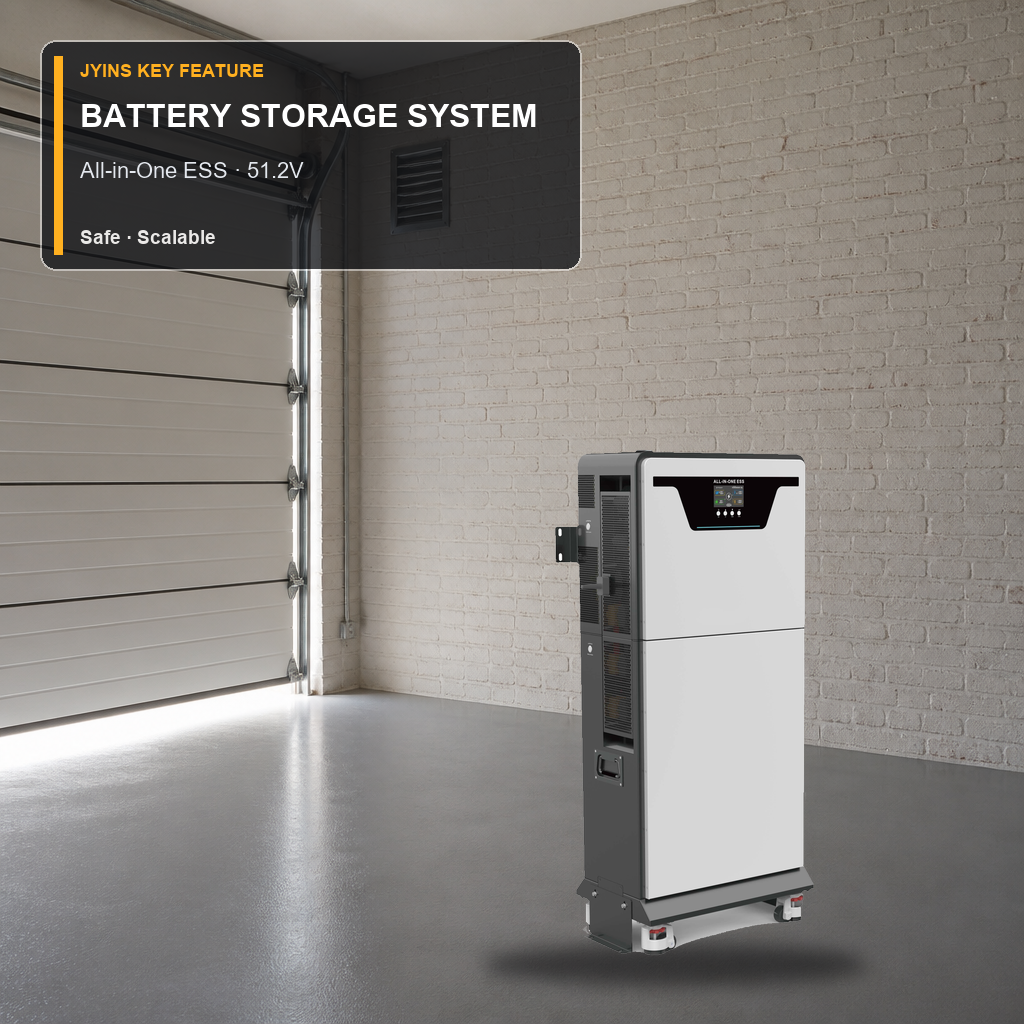
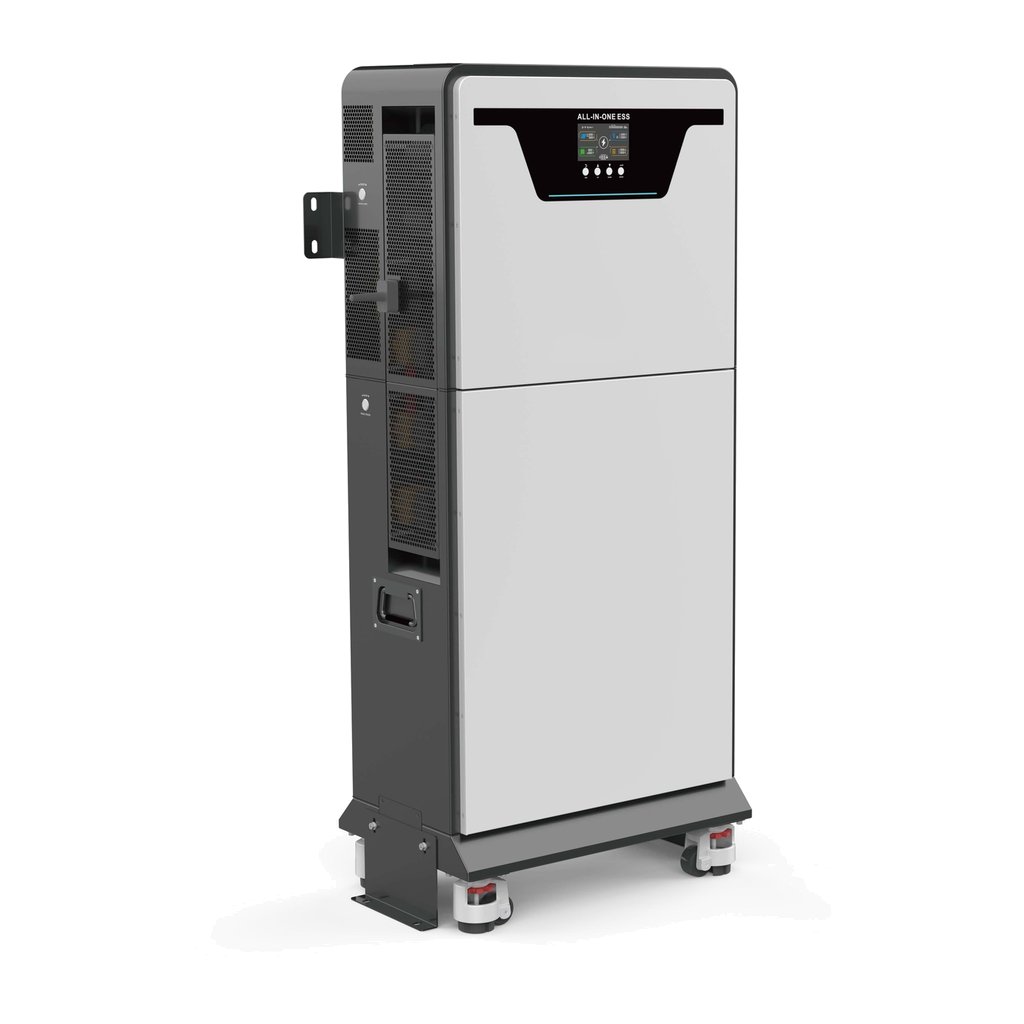
Battery  storage systems are  integral components  in the energy landscape, enabling  efficient energy management and storage  for various  applications.  These systems  are  designed to  store energy  generated  from renewable sources,  such as  solar power, allowing for its use during periods of  low generation or high demand. As a  B2B buyer, understanding the features, costs, and installation considerations of battery storage systems is essential for making informed purchasing decisions.  This  article delves into sourcing  reliable battery storage  systems, understanding cost factors, installation guidance, the advantages of quality materials, and their applications across industries.
Understanding the Cost Factors of Battery Storage Systems

Understanding the Cost Factors of Battery Storage Systems

The cost of battery storage systems can vary widely based  on several factors.  Key considerations  include the type  of battery technology  (e.g., lithium-ion, lead-acid), storage capacity, and power output specifications. Battery systems designed  for high-performance applications may come at a premium  but can offer better efficiency and longevity.

Other cost factors include installation expenses, which can fluctuate based on site conditions and the complexity of the installation process. It’s  also important  to consider ongoing maintenance  costs, which  may vary  depending on the technology used. When evaluating pricing, provide potential  suppliers with detailed specifications, including the  intended application and performance  requirements, to receive accurate quotes. Don't forget to consider the benefits of using a Solar Charge Controller for optimizing the performance of your battery systems.

Lastly, be aware of market trends, such as  fluctuations in material prices and  advancements in technology,  as these can  influence the overall cost of battery storage systems. Engage with multiple suppliers to compare quotes and ensure you receive the best value for  your investment.
Installation Guidance for Efficient Battery Storage Systems

Installation Guidance for Efficient Battery Storage Systems

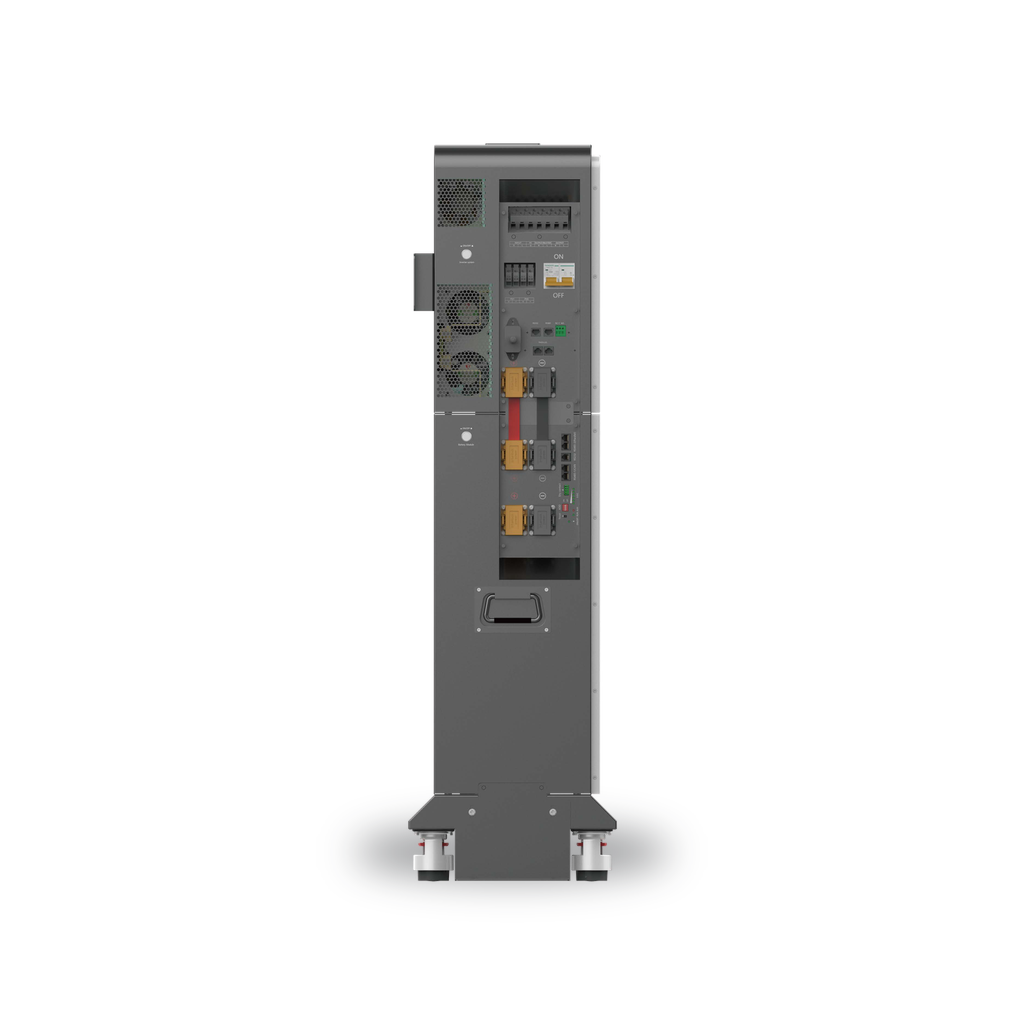
Proper  installation is vital to the performance and  longevity of battery  storage systems. Begin by assessing the  installation site to ensure  it meets the necessary environmental conditions, such as temperature and  humidity levels.  For instance, lithium-ion batteries typically require temperature control to maintain optimal performance.

Engage qualified technicians who  are familiar with local regulations and safety standards to ensure compliance  during installation. They should also  be  knowledgeable  about  integrating the  battery system with existing power infrastructure, including solar panels  and inverters.


Before installation, confirm  that all components, including the battery management system, wiring, and safety devices, are compatible. Conduct thorough testing post-installation to  ensure the system operates as  intended. This includes verifying charge and discharge cycles and monitoring the system’s efficiency under  various load conditions.

The Advantages of Quality Materials in Battery Storage Systems

The Advantages of Quality Materials in Battery Storage Systems

The materials used in battery storage  systems significantly influence  their performance, durability, and safety. High-quality materials can enhance energy density, cycle life, and overall efficiency. For example, lithium-ion batteries, known for  their lightweight and high energy  density, are often preferred for applications requiring compact design and higher performance.

When selecting a battery storage system, consider  the certifications and testing that the materials  have undergone, as these reflect  their reliability and  safety. Quality  assurance processes during manufacturing,  such as rigorous testing for thermal stability and electrical performance, can help mitigate risks  associated with  battery failure.

Additionally, investing  in systems built with superior  materials can  lead to lower maintenance costs and longer operational lifespans, providing better value over time. Always  inquire about the specific materials used and  their  respective certifications to ensure  compliance with industry  standards.

Applications of Battery Storage Systems in Various Industries

Battery storage systems have diverse applications across multiple industries, enhancing energy efficiency and reliability. In the renewable energy sector, these systems store excess power generated from solar and wind sources, enabling users to utilize energy during off-peak times. This capability is critical for businesses aiming  to minimize energy costs and reduce reliance on grid power.


In commercial settings, battery storage  systems  can serve as backup power sources, ensuring uninterrupted operations during outages. Industries like telecommunications and healthcare rely heavily on consistent  power supply, making battery systems  essential for maintaining operational continuity.


Moreover, the automotive industry is rapidly adopting battery storage technology for electric vehicles (EVs), where efficient  energy management is crucial  for performance and user satisfaction.  As EV  adoption  increases, the demand for advanced battery storage solutions will continue to  grow.

understanding the nuances of  battery storage systems—from sourcing  and cost factors to installation and applications—enables B2B buyers to make informed decisions that align with their operational needs. Engaging with  experienced manufacturers like  Zhejiang Jyins Electrical Co., LTD can further enhance the purchasing experience, ensuring access to  high-quality  products tailored to  specific requirements.

Where to Source Reliable Battery Storage Systems Wholesale

Finding reliable  suppliers for battery storage systems requires a thorough evaluation of manufacturers' capabilities and product offerings. Start by identifying manufacturers that adhere  to international quality standards, such as ISO9000, which ensure consistent quality assurance throughout the production process. Suppliers  like  Zhejiang Jyins Electrical Co.,  LTD, with experience in producing off-grid solar products since 1993, are examples of manufacturers that  offer a proven track record in  the industry. They may also provide essential products such as Battery Charger that complement battery storage solutions.

When sourcing wholesale, consider factors  such as production capacity, customization options, and the range of  battery models available. Establishing  a relationship with suppliers  who can provide technical support and guidance on product specifications  is also crucial. Requesting  samples for evaluation can help assess the quality and performance  of the systems  before  making bulk purchases. Additionally, inquire about after-sales support and warranty policies, which  can  significantly impact  long-term satisfaction with the product.

Our Blog Posts

The Role of Bidirectional inverter PCB boards in EV Charging Stations

14

May

The Role of Bidirectional inverter PCB boards in EV Charging Stations

Bidirectonal inverter PCB boards plays a big role in electric vehicle (EV) charging stations. They handle how energy move between the station and EV. This mean they send power to EV when charging, and they can send power back to grid from EV too. Thi...
View More
Portable Power for Extreme Job Sites: Vetting Durability and Battery Management Systems (BMS) for Construction Fleets

15

May

Portable Power for Extreme Job Sites: Vetting Durability and Battery Management Systems (BMS) for Construction Fleets

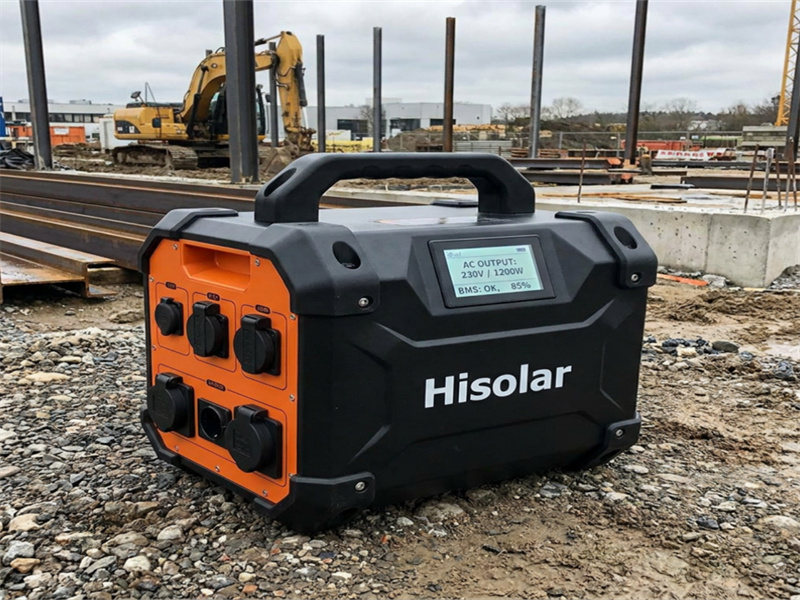
The New Standard for On-Site Power: Beyond Generators For decades, the roar of diesel generators was the soundtrack of the construction industry. However, a quiet revolution is taking place on extreme job sites. As regulations on noise and emissions ...
View More
How to optimize Inverter Efficiency Curves for variable load manufacturing facilities?

25

Jun

How to optimize Inverter Efficiency Curves for variable load manufacturing facilities?

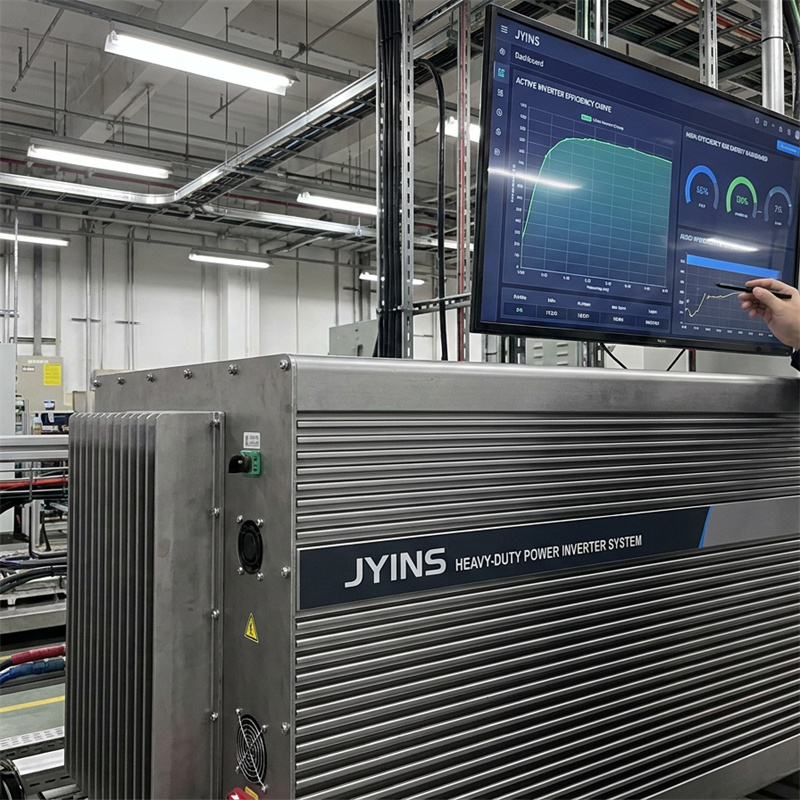
Introduction to Manufacturing Power Dynamics Manufacturing facilities are characterized by highly dynamic and fluctuating electrical loads. Throughout a typical 24-hour cycle, power consumption spikes and sags as production lines start up, CNC machin...
View More
How to Mitigate the Impact of Magnetostriction (Transformer Hum) on the Acoustic Reliability of Inverters in Quiet Zones?

10

Sep

How to Mitigate the Impact of Magnetostriction (Transformer Hum) on the Acoustic Reliability of Inverters in Quiet Zones?

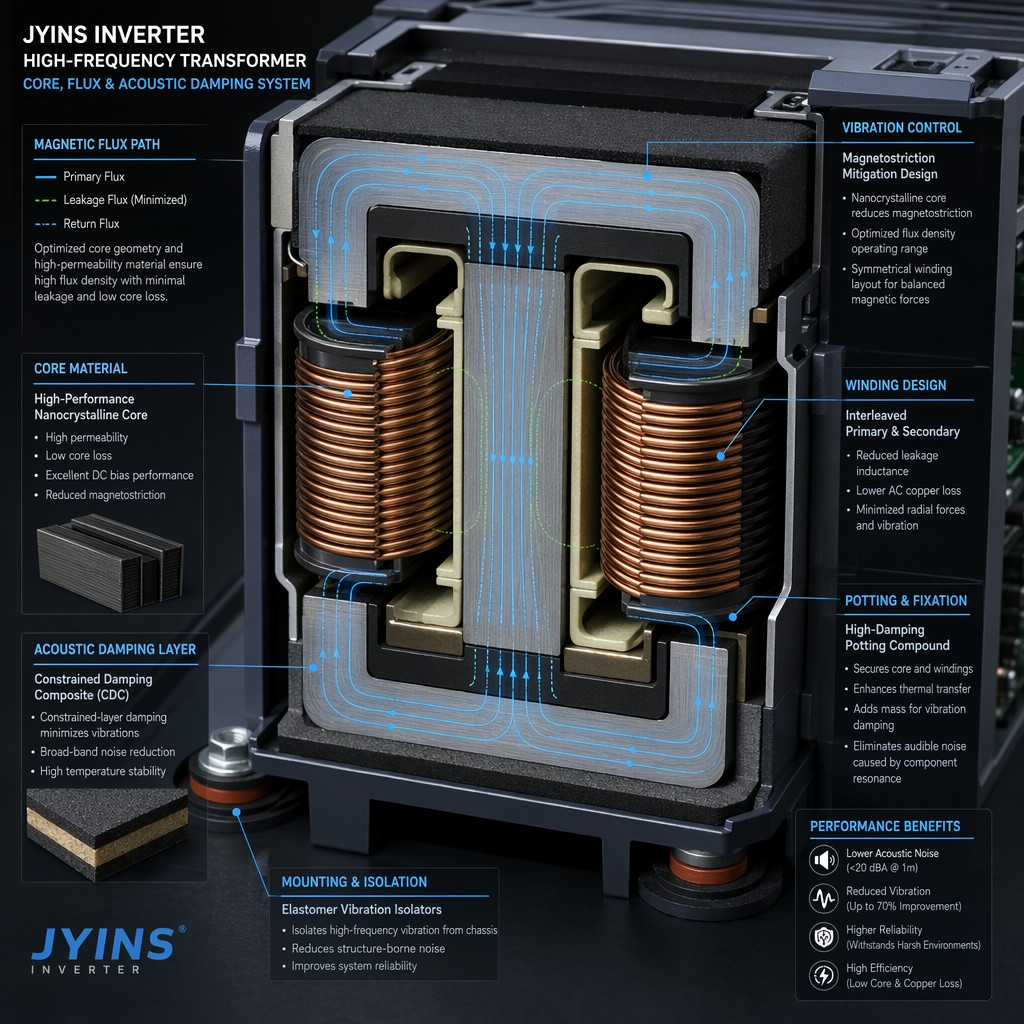
Q: How can you mitigate the impact of magnetostriction (transformer hum) on the acoustic reliability of inverters installed in quiet zones? A: In off-grid power systems serving schools, hospitals, libraries, or high-end residential neighborhoods, inv...
View More

Get a Free Quote

Our representative will contact you soon.
Email
Mobile
Name
Company Name
Products of Interest
Message
0/1000
Reliable Battery Storage Systems for B2B Buyers

Get a Free Quote

Our representative will contact you soon.
Email
Mobile
Name
Company Name
Products of Interest
Message
0/1000