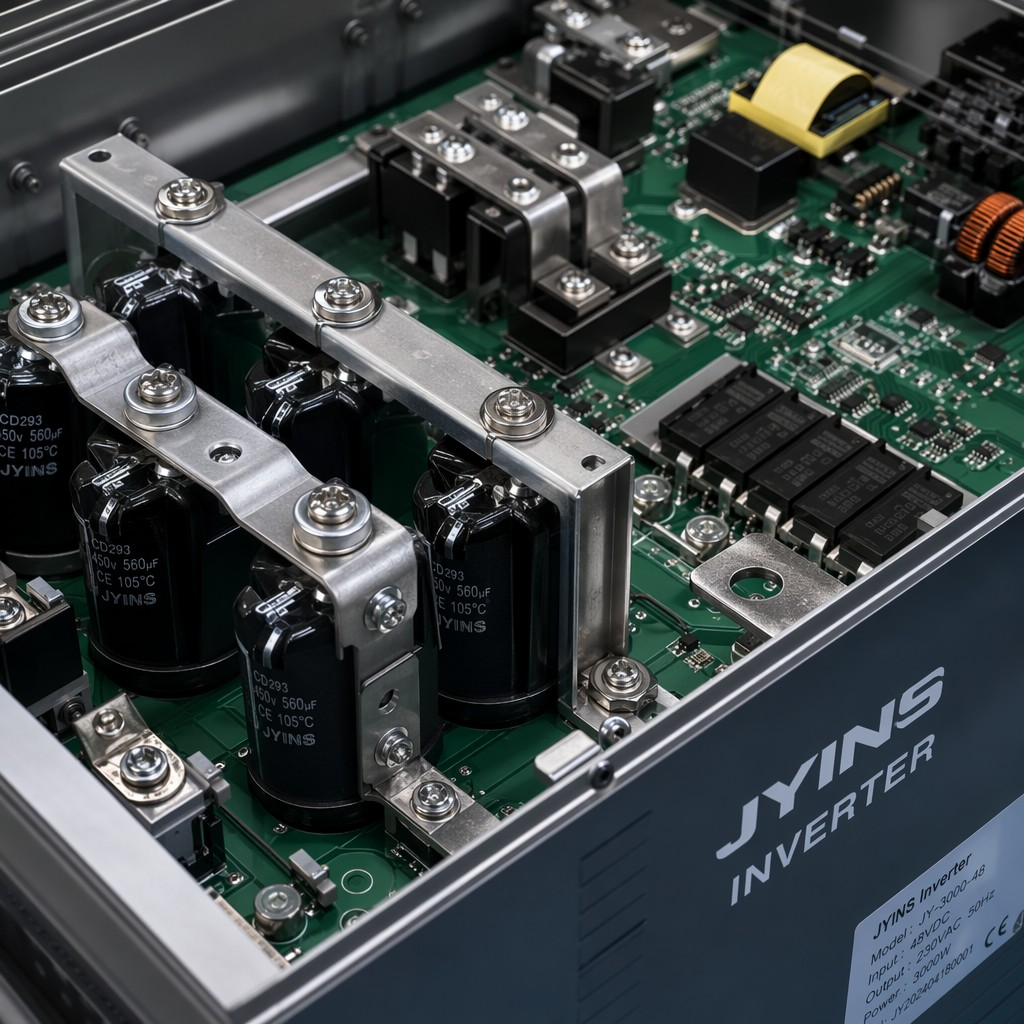
Selecting AHF Harmonic Filters for Industrial Use

Get a Free Quote

Our representative will contact you soon.
Email
Mobile
Name
Company Name
Products of Interest
Message
0/1000

ahf harmonic filter

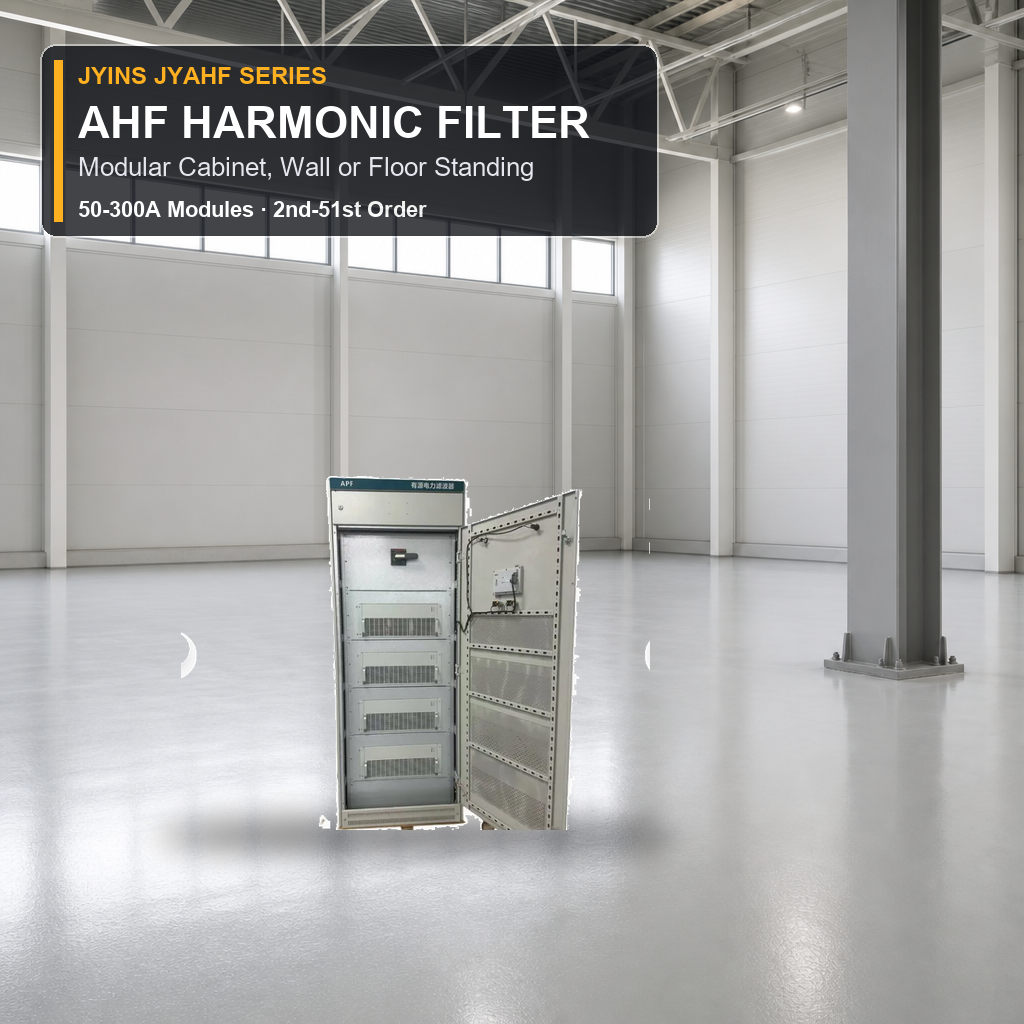
AHF harmonic  filters are essential devices designed to  reduce harmonic distortion in electrical systems, improving overall power quality. For B2B  buyers,  such as  purchasing managers  and engineers, the primary  concerns often  include product  specifications, performance reliability,  installation  requirements, and compatibility  with existing systems. This article will provide insights into key  specifications, common  problems  with harmonic distortion, installation guidance, quality and performance aspects, and the technical advantages  of  AHF  harmonic filters  for industrial  applications.
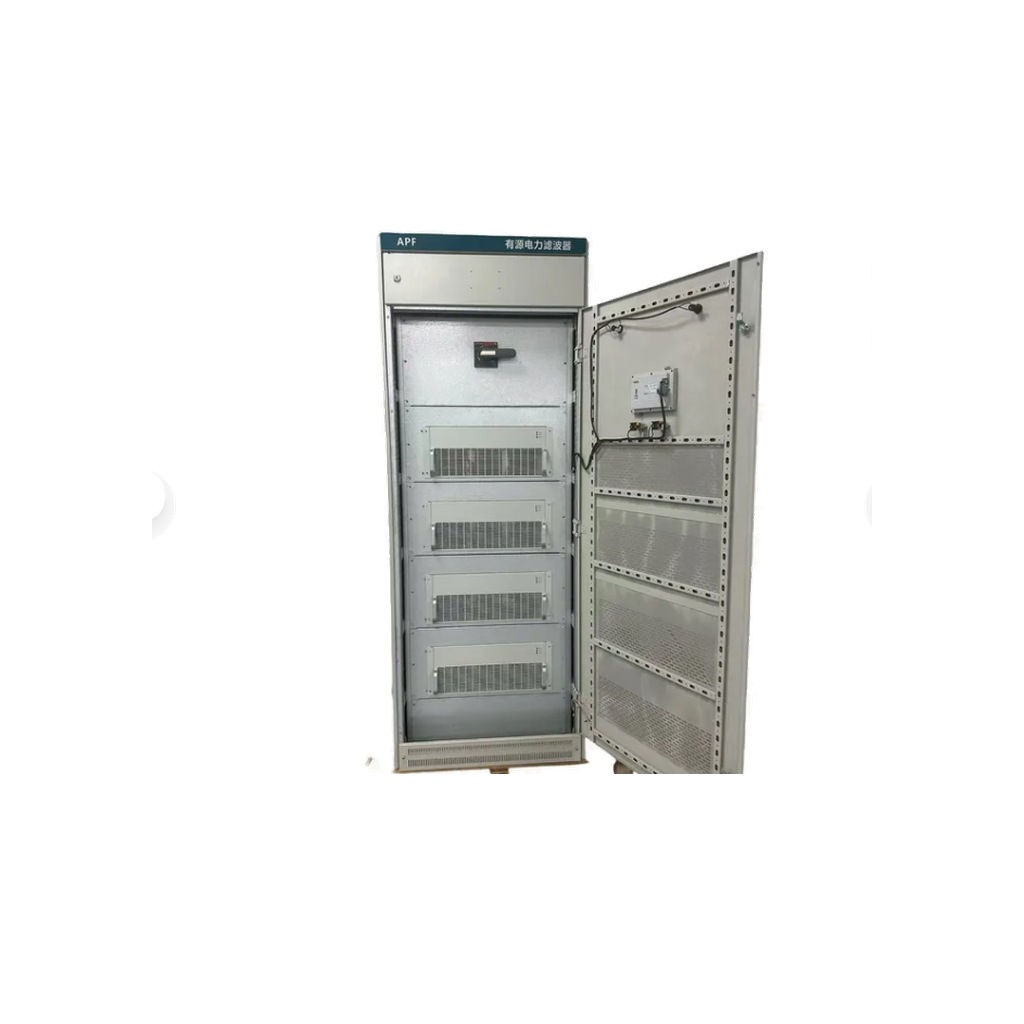
Common Problems with Harmonic Distortion and AHF Filter Solutions

Common Problems with Harmonic Distortion and AHF Filter Solutions

Harmonic distortion is  a frequent issue in industrial electrical systems, often leading to  reduced equipment performance and increased operational costs. Common problems associated with  harmonic distortion include:

Overheating  of Equipment: Excessive harmonics can cause motors and transformers to overheat, leading to premature failure. AHF harmonic  filters help mitigate this by reducing harmonic currents, improving equipment longevity.

Increased  Energy Costs: Distorted waveforms  result in higher reactive power consumption, increasing energy bills. By deploying AHF filters, businesses can improve power factor and reduce overall energy costs. Utilizing devices like Power Inverter can also contribute to energy savings.

Interference with Sensitive Equipment: Harmonics can disrupt the  operation of sensitive  electronic devices, causing malfunctions or inaccuracies. AHF filters  effectively clean the  electrical supply, ensuring stable operation of all connected  equipment.

Decreased  System Efficiency: Overall  system efficiency suffers due to harmonics, leading to reduced output  and higher operational costs. AHF harmonic filters  enhance  efficiency  by providing a cleaner power supply.

By addressing these common  problems with AHF harmonic filters, companies can enhance operational efficiency and ensure  the reliability of their electrical systems.
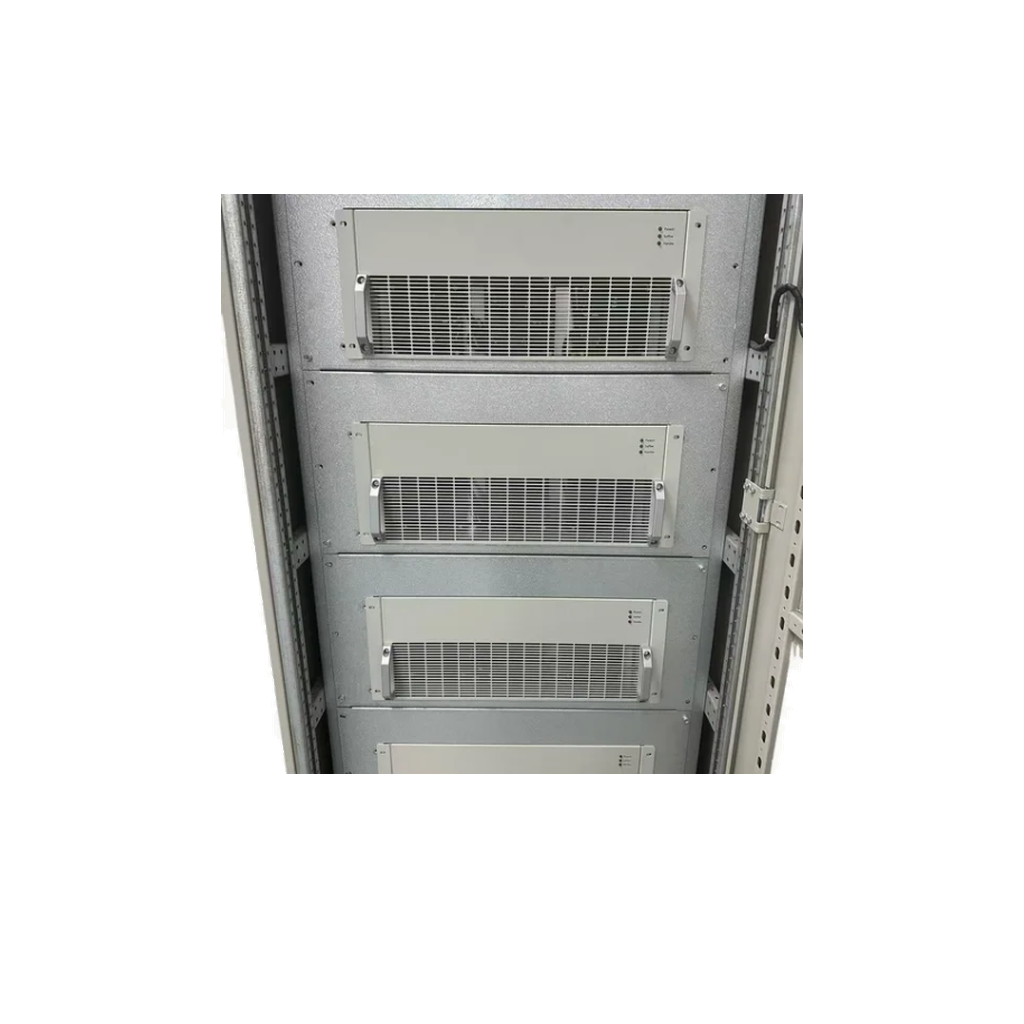
Installation Guidance for AHF Harmonic Filters in Industrial Settings

Installation Guidance for AHF Harmonic Filters in Industrial Settings

Proper installation of AHF harmonic filters is crucial for achieving optimal performance. Here are some key considerations:

Site Assessment: Before installation, conduct a thorough assessment of the installation site. Identify  any potential issues such as space  constraints, environmental factors,  and compatibility with existing electrical systems.

Electrical Connections: Ensure that all electrical connections are made according  to  manufacturer specifications. Proper  wiring is essential for the  filter to  function effectively  and  prevent electrical hazards.

Grounding: Proper grounding of the filter is vital to ensure safety and performance. Follow the manufacturer's guidelines for grounding  procedures to avoid  operational issues.

Testing and Commissioning: After installation, perform testing to validate that the filter operates as intended. This includes checking voltage levels,  current harmonics, and overall system performance  to ensure the filter is effectively reducing harmonics.

Regular Maintenance: Establish a routine  maintenance schedule to inspect the AHF filters. This should include checking connections, verifying performance metrics, and  cleaning components as needed to ensure  long-term reliability.


Following these guidelines will help you successfully install  AHF harmonic filters, maximizing their benefits for your electrical system.

Quality and Performance Insights

Quality and Performance Insights

Quality assurance is paramount  when selecting AHF harmonic filters. Consider the  following factors to ensure  product reliability:

Material Quality: The materials  used in the construction of  the filter, including capacitors and inductors, should  meet industry standards for durability and  performance.  High-quality materials contribute to filter longevity and efficiency.

Manufacturing Standards: Look for filters produced in compliance with international standards such as ISO9000. Adhering to these standards ensures a consistent level of  quality in manufacturing  processes.

Testing Protocols: Reliable manufacturers conduct rigorous testing  on their products to ensure they meet performance  specifications. Inquire  about the testing protocols used to verify performance, including load  testing and harmonic analysis.

Warranty and Support: A robust warranty indicates confidence in product quality. Additionally,  consider the availability of technical  support and service options from the manufacturer,  as this can  be crucial for addressing any  post-installation issues.

By focusing on these quality and performance insights, buyers can make informed decisions when selecting AHF harmonic filters that will effectively serve their industrial  applications.

Technical Advantages of AHF Harmonic Filters for Industrial Applications

AHF harmonic filters offer several technical advantages that  enhance their suitability for industrial settings:

Wide  Range  of Harmonic Mitigation: AHF filters are designed to mitigate  a broad range of harmonic frequencies, making them versatile for various industrial applications. This adaptability ensures that they  can be used across different types of equipment and systems.

Compact Design: Many AHF filters are  engineered with a compact footprint, allowing for easier integration into existing systems without requiring extensive space modifications.  This is  particularly beneficial in facilities with  limited space.


Real-time Monitoring Capabilities: Advanced AHF filters may include monitoring features that provide real-time data on  harmonic levels and system performance. This information  is valuable  for optimizing operations and promptly addressing any emerging issues.

Cost-effectiveness: By improving energy efficiency and reducing equipment wear, AHF harmonic filters can lead  to significant cost savings over time. Their ability to enhance system performance  makes them a worthwhile investment for  industrial  operations.

Customization Options: Many manufacturers, including Zhejiang  Jyins Electrical Co., LTD, offer customization options for  AHF filters. This allows buyers to tailor specifications to meet specific operational needs, ensuring optimal performance in their unique environments.

These technical advantages make AHF harmonic filters a vital component in enhancing the reliability and efficiency of industrial electrical systems.

Key Specifications to Evaluate When Selecting AHF Harmonic Filters

When evaluating AHF harmonic filters, several critical specifications should be considered  to  ensure optimal performance:

Rated Voltage and Current: The rated voltage and current specifications determine compatibility with your existing electrical systems. Ensure that the  filter is rated for the operational voltage levels and  current requirements of your setup.

Harmonic Order: Filters are designed to  target  specific harmonic orders. Understand which harmonics are present in your system and select a filter that effectively mitigates those specific frequencies.

Impedance Characteristics: The impedance of the filter affects its performance in  reducing harmonics.  Evaluate the filter's impedance characteristics to ensure it aligns with your system's requirements, as improper impedance can lead to inefficiencies.

Efficiency Rating: A higher efficiency rating indicates  lower losses in the filtering process. This is crucial for  minimizing energy waste and improving the overall energy efficiency of your system.

Installation  Footprint: The physical  dimensions of the  filter  matter, especially in constrained spaces. Ensure that the  selected filter  fits  within your  installation environment without requiring extensive modifications. You may consider options such as Battery Charger to complement your installation needs.

Consideration of these specifications, along with any customization options, will guide you in selecting the most suitable AHF harmonic filter for your  application.


Our Blog Posts

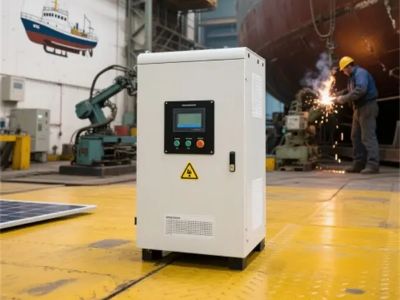
Factors Affecting the Lifecycle of Lead-acid based Energy storage systems

09

Apr

Factors Affecting the Lifecycle of Lead-acid based Energy storage systems

Lead-acid batteries they are really important in our energy setups. They keep electricity stored and help run many things, from cars to home backup power. But how long these batteries actually last depend on few different factors. Knowing this s...
View More
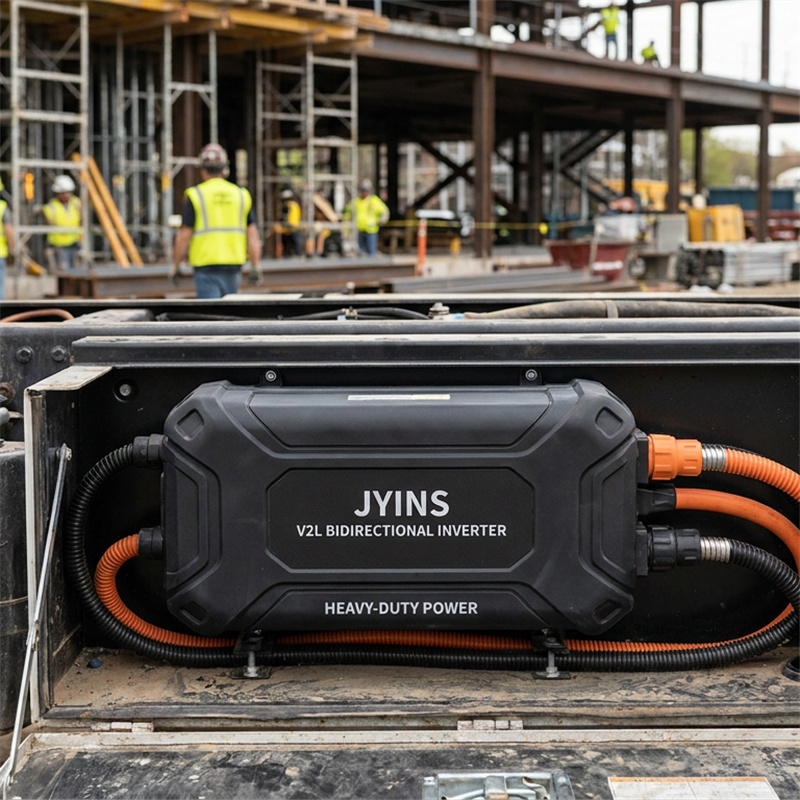
The engineering of 'Bidirectional' V2L (Vehicle to Load) inverters for commercial construction fleets.

25

Jun

The engineering of 'Bidirectional' V2L (Vehicle to Load) inverters for commercial construction fleets.

Q: The engineering of 'Bidirectional' V2L (Vehicle to Load) inverters for commercial construction fleets. Introduction: Redefining Mobile Power on Construction Sites Commercial construction sites are notoriously demanding environments in terms of pow...
View More
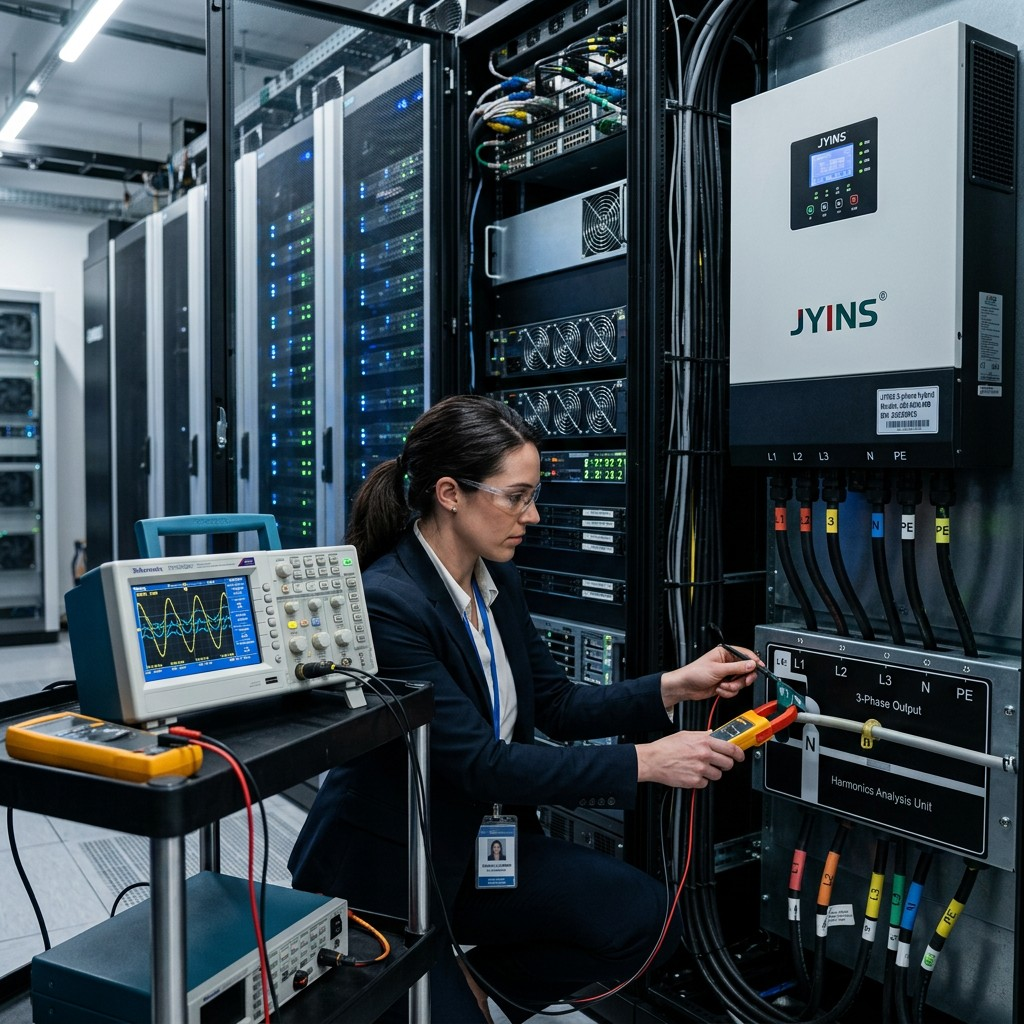
How to Troubleshoot High Neutral Current in 3-Phase Hybrid Inverter Systems Powering Heavy Nonlinear Office Loads?

10

Sep

How to Troubleshoot High Neutral Current in 3-Phase Hybrid Inverter Systems Powering Heavy Nonlinear Office Loads?

Q: How to Troubleshoot High Neutral Current in 3-Phase Hybrid Inverter Systems Powering Heavy Nonlinear Office Loads? A: In modern B2B commercial buildings and large office parks, 3-phase hybrid inverter systems are increasingly widely deployed. Howe...
View More
Selecting Inverters for High-Vibration Marine Transport Environments: Key Points for Auditing Internal Solder Joints and Component Support Standards

10

Sep

Selecting Inverters for High-Vibration Marine Transport Environments: Key Points for Auditing Internal Solder Joints and Component Support Standards

Q: What are the key points to review when selecting an inverter for high-vibration marine transport environments, specifically regarding internal solder joints and component support standards? A: Marine transport and shipboard power systems challenge...
View More

Get a Free Quote

Our representative will contact you soon.
Email
Mobile
Name
Company Name
Products of Interest
Message
0/1000

Related product categories

Selecting AHF Harmonic Filters for Industrial Use

Get a Free Quote

Our representative will contact you soon.
Email
Mobile
Name
Company Name
Products of Interest
Message
0/1000