Electrical Harmonic Filter Specifications and Applications

Get a Free Quote

Our representative will contact you soon.
Email
Mobile
Name
Company Name
Products of Interest
Message
0/1000

electrical harmonic filter

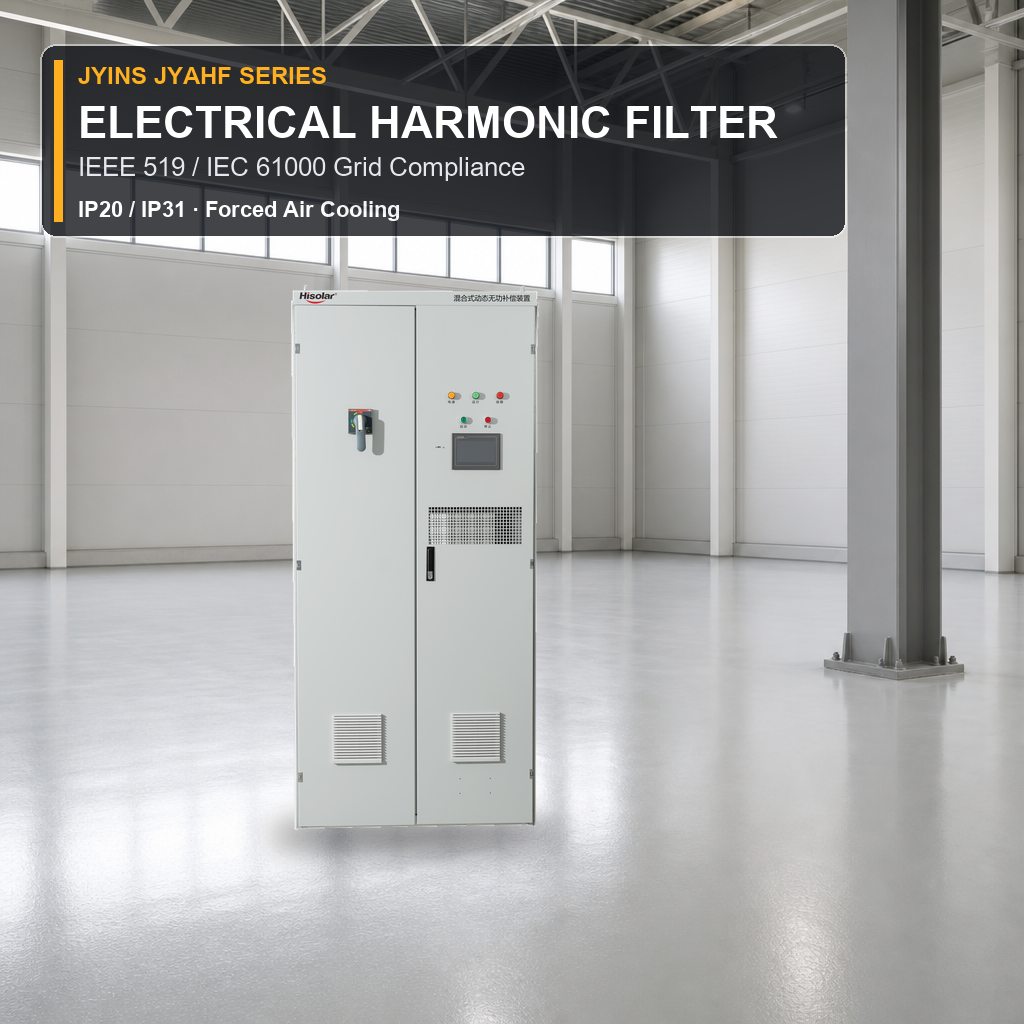
Electrical harmonic  filters  are essential  components  in  modern electrical systems,  designed  to mitigate harmonic distortion  caused by non-linear  loads. For  B2B  buyers, especially  purchasing managers and  engineers, understanding  these filters is crucial for ensuring equipment reliability  and efficiency. This article will delve into  the specifications, applications, and important  considerations for sourcing electrical  harmonic filters,  empowering you to  make informed purchasing decisions.
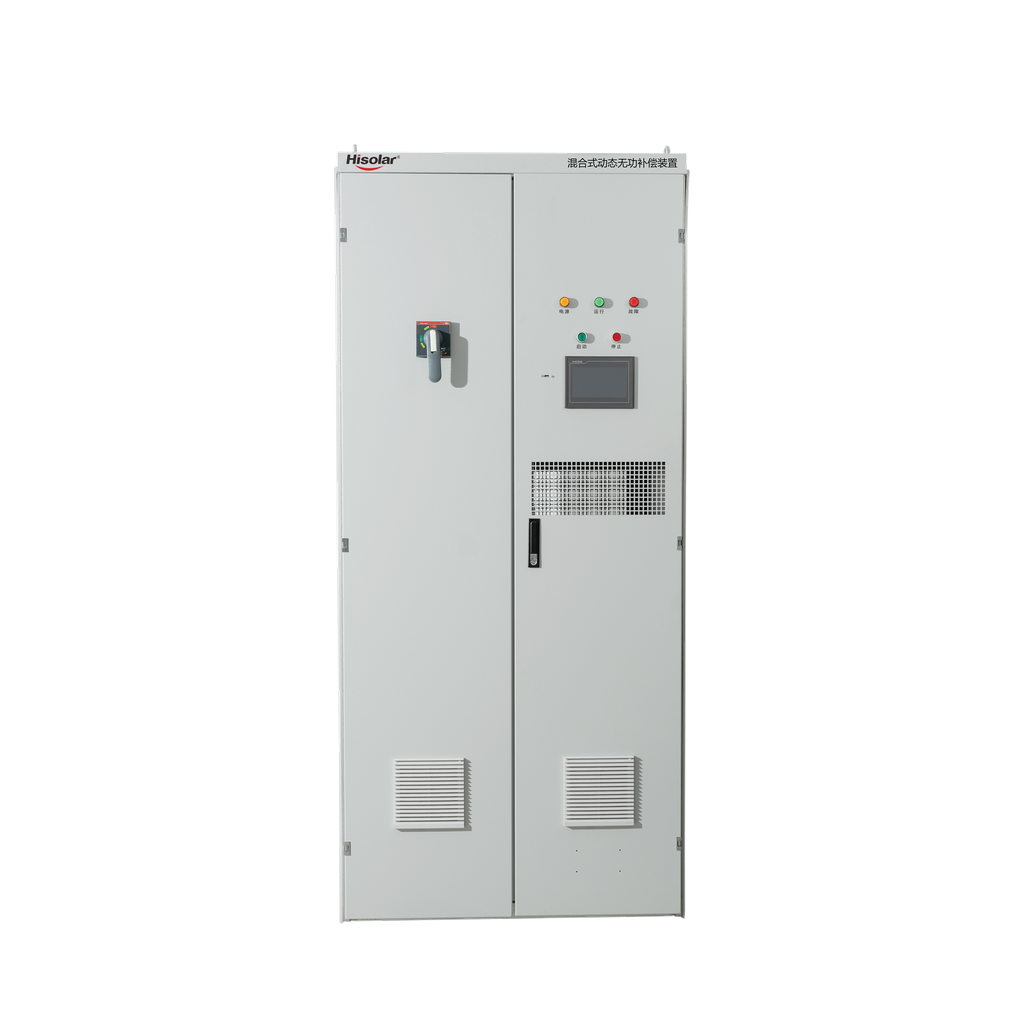
Top Applications for Electrical Harmonic Filters in Industrial Settings

Top Applications for Electrical Harmonic Filters in Industrial Settings

Electrical harmonic filters find extensive use in various industrial applications  where power quality is critical. Some of the top  applications include:

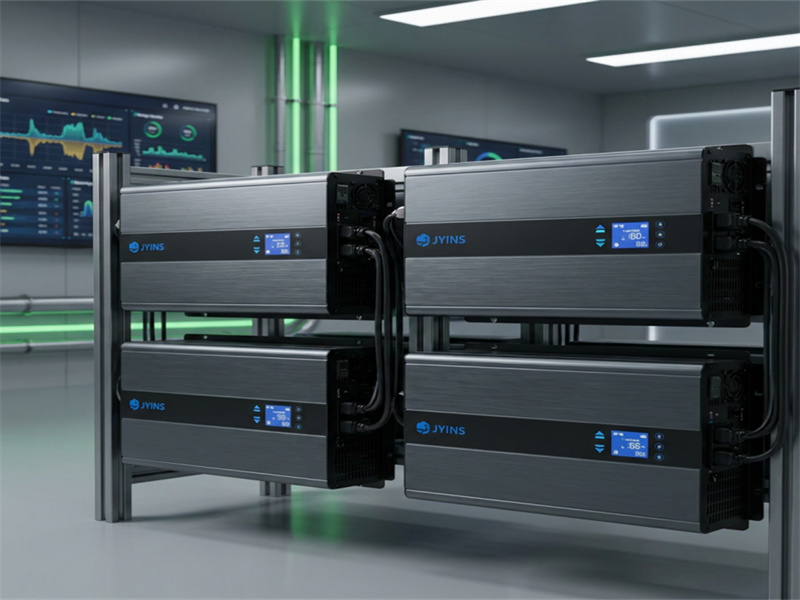
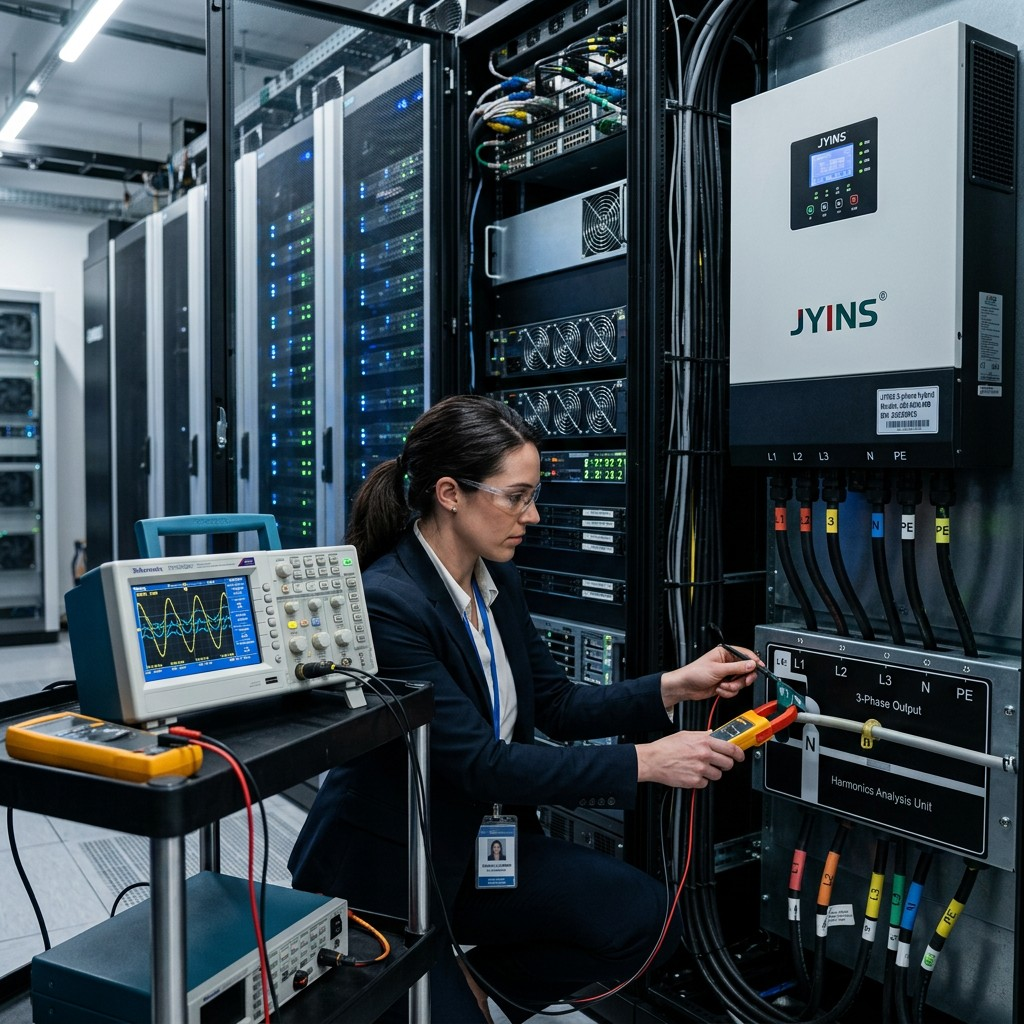
Data Centers: These  facilities are equipped with numerous servers and non-linear loads  that generate significant harmonics. Filters help maintain power quality, ensuring uninterrupted operations and protecting sensitive equipment.

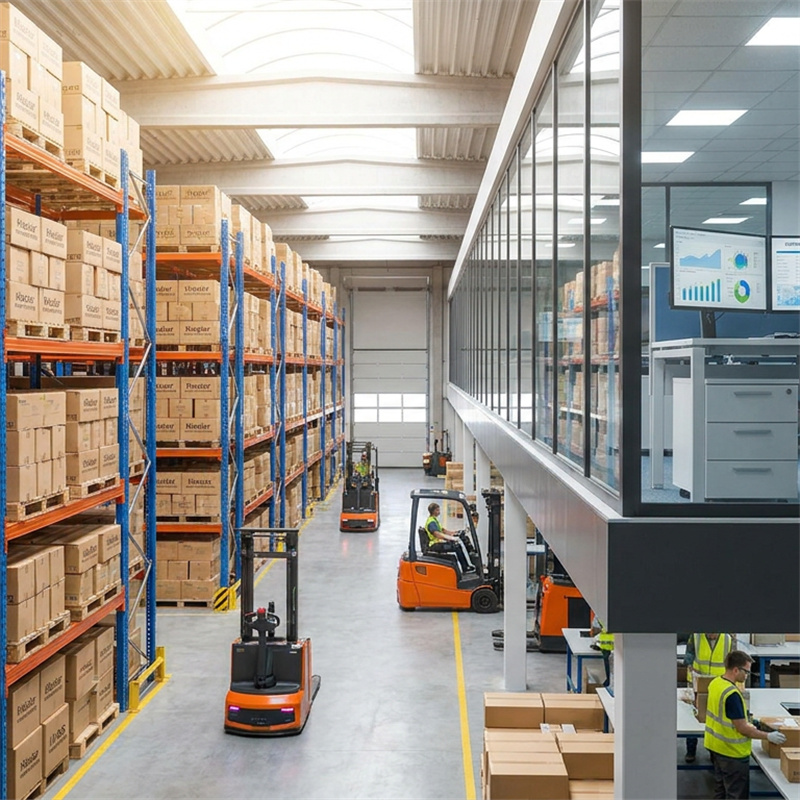
Manufacturing Plants: Machinery  such as variable frequency drives (VFDs)  and induction motors  can introduce harmonics that affect the overall efficiency  of the plant. Harmonic filters reduce distortion, leading to improved  equipment reliability and energy  savings. Implementing a reliable Energy Storage System could further optimize energy management in these environments.

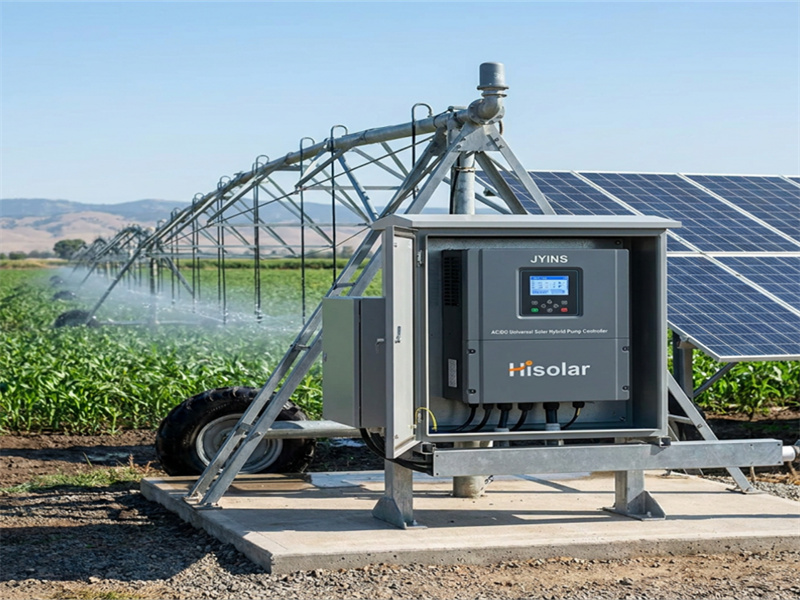
Renewable Energy Systems: Inverters used in solar  and  wind energy  systems often generate  harmonics. Filters help ensure that the energy fed back into the grid meets regulatory standards.

Commercial Buildings: In environments with multiple electronic devices and systems, harmonic distortion can lead to increased energy  costs and equipment failures. Filters enhance  power quality, leading to longer equipment lifespans and lower operational costs.

HVAC Systems: Heating, ventilation, and  air conditioning systems often utilize  motors that can contribute to harmonic distortion. Filters help maintain stable power quality, ensuring efficient system operation.

Understanding these applications helps buyers assess the necessity of harmonic filters  in their specific industries.
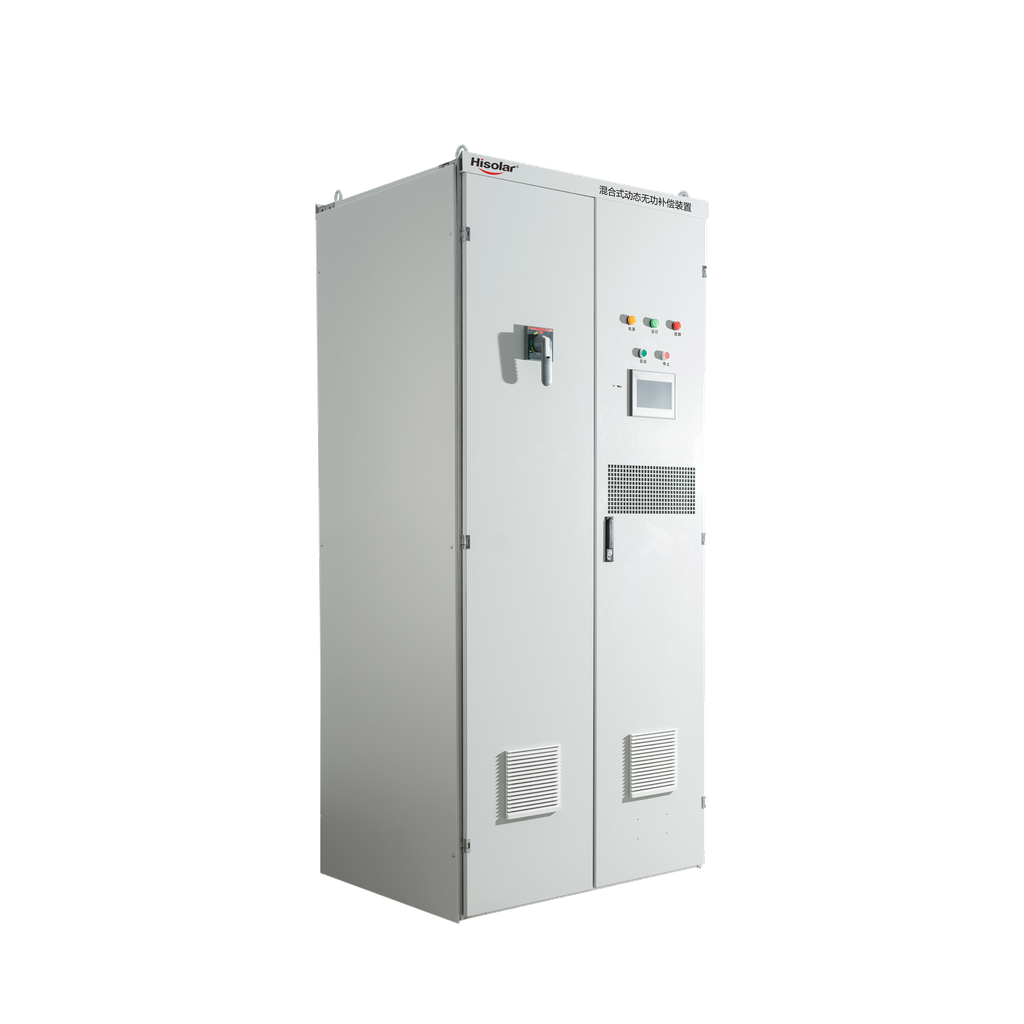
A Buyeru2019s Guide

A Buyeru2019s Guide

When purchasing  electrical harmonic filters, several critical factors should be  considered to ensure a successful acquisition:

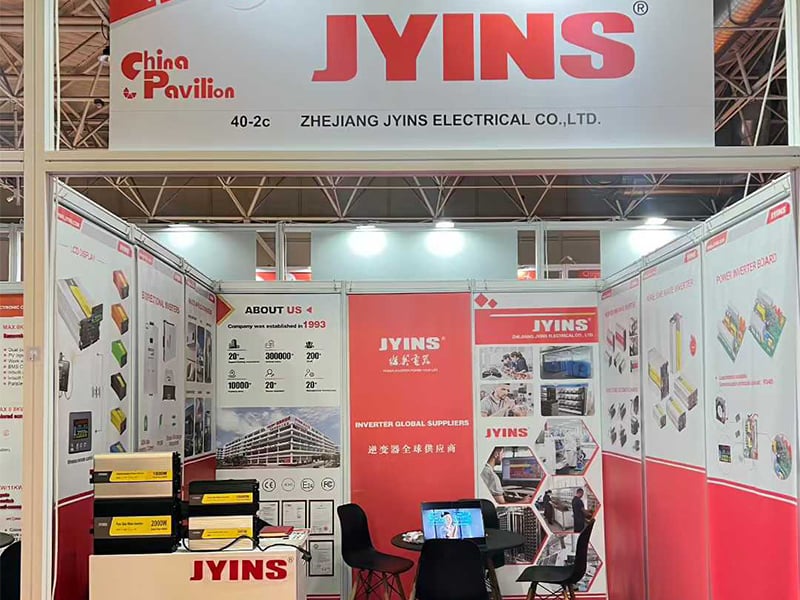
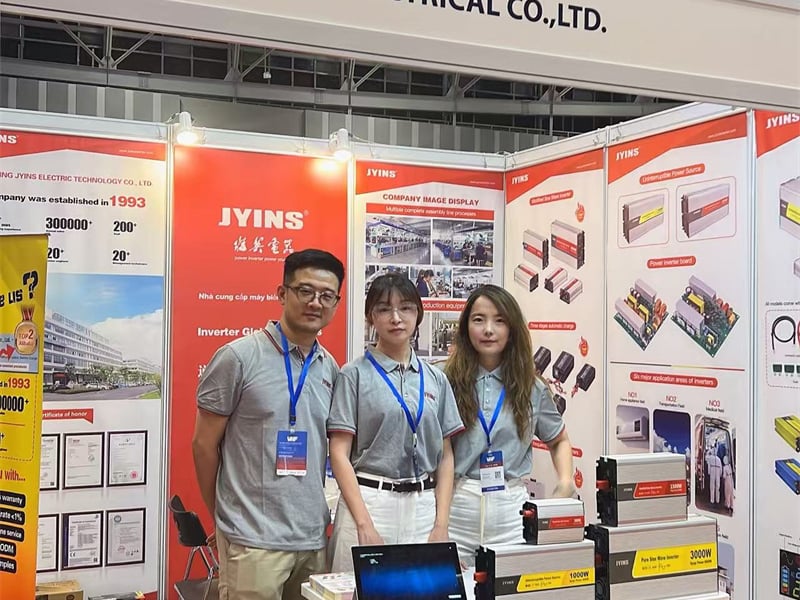
Quality  Assurance: Look for  manufacturers like Zhejiang Jyins Electrical Co., LTD, which adhere to international quality standards such as ISO9000, ensuring that the products meet rigorous quality control processes.

Customization Options: Depending on your application, you may require custom specifications. Inquire about the manufacturer’s ability to customize filters according to your unique needs.

Minimum  Order Quantity (MOQ): Understanding  the MOQ is essential for budgeting and inventory planning. Verify with the supplier to align with your purchasing strategy.

Lead Times: Production and delivery schedules can impact project timelines. Request clear  lead time estimates to ensure timely  availability of products.

Technical Support: A manufacturer that  provides reliable technical support can significantly enhance your purchasing  experience. Ensure that the manufacturer has  knowledgeable  staff available to assist with installation and operation.

Warranty and After-Sales Service: A solid warranty and  after-sales support can provide  peace of mind regarding product  performance and longevity.

By considering these factors, buyers can  ensure they  select a supplier that aligns with  their operational needs and budget.

Key Considerations

Key Considerations

When evaluating potential electrical harmonic  filters, be mindful of the following key considerations:

Compatibility with Existing Systems: Ensure that the filter  is  compatible with  the electrical systems already in place. This includes verifying voltage  ratings, current capacities, and installation requirements.

Performance Specifications: Confirm that the filter meets the necessary performance specifications for your  application, such as  harmonic reduction rates and response times.

Quality Control  Processes: Investigate the manufacturer’s quality control processes. A robust quality assurance system can help mitigate risks associated  with product defects and  failures.

Regulatory Compliance: Verify that the  filters comply with relevant industry standards and regulations, particularly if they will be used in critical applications such as healthcare or data centers.

Cost vs. Value: While cost is always a  consideration, it’s essential to evaluate the overall value. A higher upfront investment  in high-quality filters might lead  to long-term  savings through reduced maintenance and improved energy efficiency.

User Reviews and Recommendations: Research user  experiences and recommendations to  gain insights into the reliability and effectiveness of the filters from different  manufacturers.

These considerations will aid in selecting a filter that not only meets technical specifications but also aligns with broader business goals.

How to Compare Electrical Harmonic Filters for Your Projects

Comparing electrical harmonic filters is essential for making informed purchasing decisions.  Here are steps to effectively evaluate different options:

Create a Comparison Matrix: List key specifications and features of various filters side by side. This visual aid helps identify which filters meet your  requirements best.

Evaluate Manufacturer Reputation: Research the manufacturers' industry standing, years of  experience, and customer feedback. Established companies, such as Zhejiang Jyins Electrical Co., LTD, can provide reliability and expertise.

Assess Performance Metrics: Focus on the harmonic distortion reduction  capabilities and other performance metrics. Filters that offer higher reduction rates may justify a higher price due to long-term savings.

Review Technical Documentation: Examine the technical documentation provided by manufacturers. Detailed specifications, installation  guides, and performance data can provide clarity  on each  product’s capabilities.

Request  Samples:  If  feasible, request  samples for testing. Evaluating a filter in your actual operating conditions  can provide valuable insights into  its performance.

Consult Experts:  Engage with technical experts or consultants who can provide additional insights and recommendations based on their experiences with specific products or manufacturers.

By following these steps, buyers can ensure they  select the most suitable electrical harmonic filters  for  their projects,  leading to  enhanced performance and reliability.

Understanding Electrical Harmonic Filter Specifications for Bulk Orders

When sourcing electrical  harmonic filters, buyers should be  familiar with key specifications that directly impact their  performance and suitability for specific applications. Essential specifications include:

Input  and Output Voltage Ratings: Ensuring the filter  can handle the voltage of your electrical  system is crucial. Mismatches can lead to equipment failure or inefficiencies.

Current Capacity: Rated in Amperes  (A), the current capacity indicates how much load the filter can handle. It's vital to select a filter that can support your system’s maximum expected current.

Harmonic Distortion Reduction Rate: Measured in percentage (%), this indicates how effectively the filter can reduce harmonic  distortion. High-performance filters can achieve reductions of up to 95%  or more.

Operating Temperature Range: Filters must operate effectively within specified temperature limits. Ensure that the  chosen filter can withstand the environmental conditions of your application.

Dimensions and Mounting Options: Space constraints  may dictate the size of the filter. Understanding the dimensions  and  installation requirements is essential for  seamless integration into existing systems. Additionally, considering products like Pure Sine Wave Inverter can enhance your overall system performance.

Material Composition: The materials used  in the filter’s construction can affect durability and performance. Common materials include steel  for the housing and various dielectric materials for capacitors.

Buyers should provide these specifications when requesting quotes to ensure they receive  an appropriate product for their needs.

Our Blog Posts

Scaling Off-Grid Energy: A Technical Analysis of Parallel Bidirectional Inverters in Sustainable Microgrids

15

May

Scaling Off-Grid Energy: A Technical Analysis of Parallel Bidirectional Inverters in Sustainable Microgrids

Introduction: The Evolution of Off-Grid Power As the global transition toward renewable energy accelerates, the demand for resilient and scalable off-grid solutions has never been higher. Sustainable microgrids—localized energy systems that can...
View More
Agricultural Automation: Selecting AC/DC Universal Solar Hybrid Pump Controllers for Large-Scale Irrigation

15

May

Agricultural Automation: Selecting AC/DC Universal Solar Hybrid Pump Controllers for Large-Scale Irrigation

Agricultural Automation: Selecting AC/DC Universal Solar Hybrid Pump Controllers for Large-Scale Irrigation In the modern era of industrial agriculture, water management is the most significant operational challenge and expense. As energy costs fluct...
View More
How to manage 'Warranty Claims' and technical support for international B2B distributors?

25

Jun

How to manage 'Warranty Claims' and technical support for international B2B distributors?

Introduction: The Global Distribution Support Challenge For international B2B power inverter distributors, wholesalers, and importers, selecting a manufacturing partner is not just about comparing product prices and initial specifications. It is abou...
View More
How to Troubleshoot High Neutral Current in 3-Phase Hybrid Inverter Systems Powering Heavy Nonlinear Office Loads?

10

Sep

How to Troubleshoot High Neutral Current in 3-Phase Hybrid Inverter Systems Powering Heavy Nonlinear Office Loads?

Q: How to Troubleshoot High Neutral Current in 3-Phase Hybrid Inverter Systems Powering Heavy Nonlinear Office Loads? A: In modern B2B commercial buildings and large office parks, 3-phase hybrid inverter systems are increasingly widely deployed. Howe...
View More

Get a Free Quote

Our representative will contact you soon.
Email
Mobile
Name
Company Name
Products of Interest
Message
0/1000

Related product categories

Electrical Harmonic Filter Specifications and Applications

Get a Free Quote

Our representative will contact you soon.
Email
Mobile
Name
Company Name
Products of Interest
Message
0/1000