EN


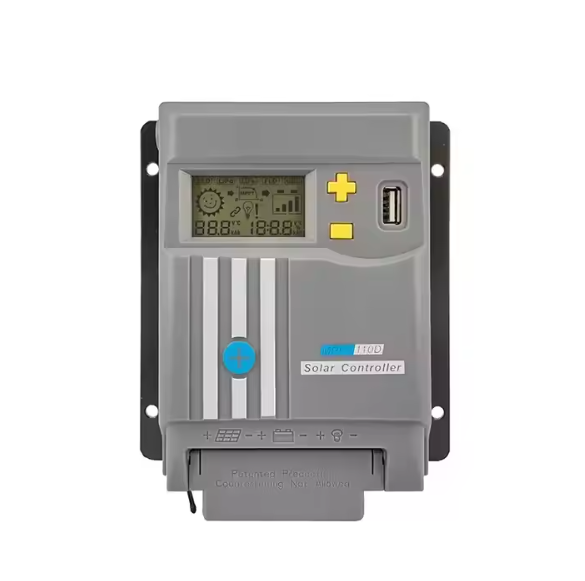
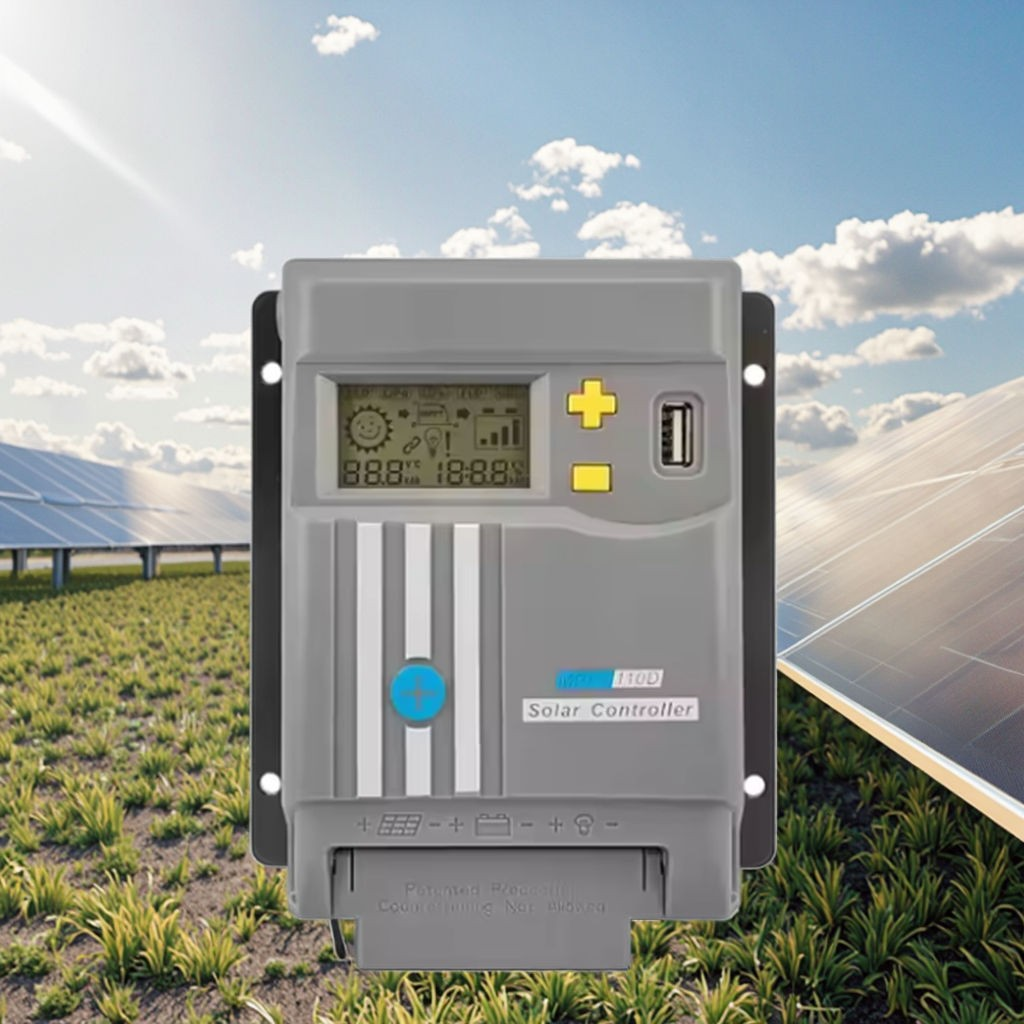
In the realm of renewable energy, a solar panel controller, specifically the MPPT (Maximum Power Point Tracking) type, plays a critical role in optimizing the efficiency of solar energy systems. For B2B buyers such as purchasing managers, engineers, and project managers, understanding how to select and utilize these controllers effectively is essential. This article aims to clarify the key aspects of MPPT solar panel controllers, addressing common buyer concerns regarding selection, features, pricing, installation, and troubleshooting.
Features and Benefits
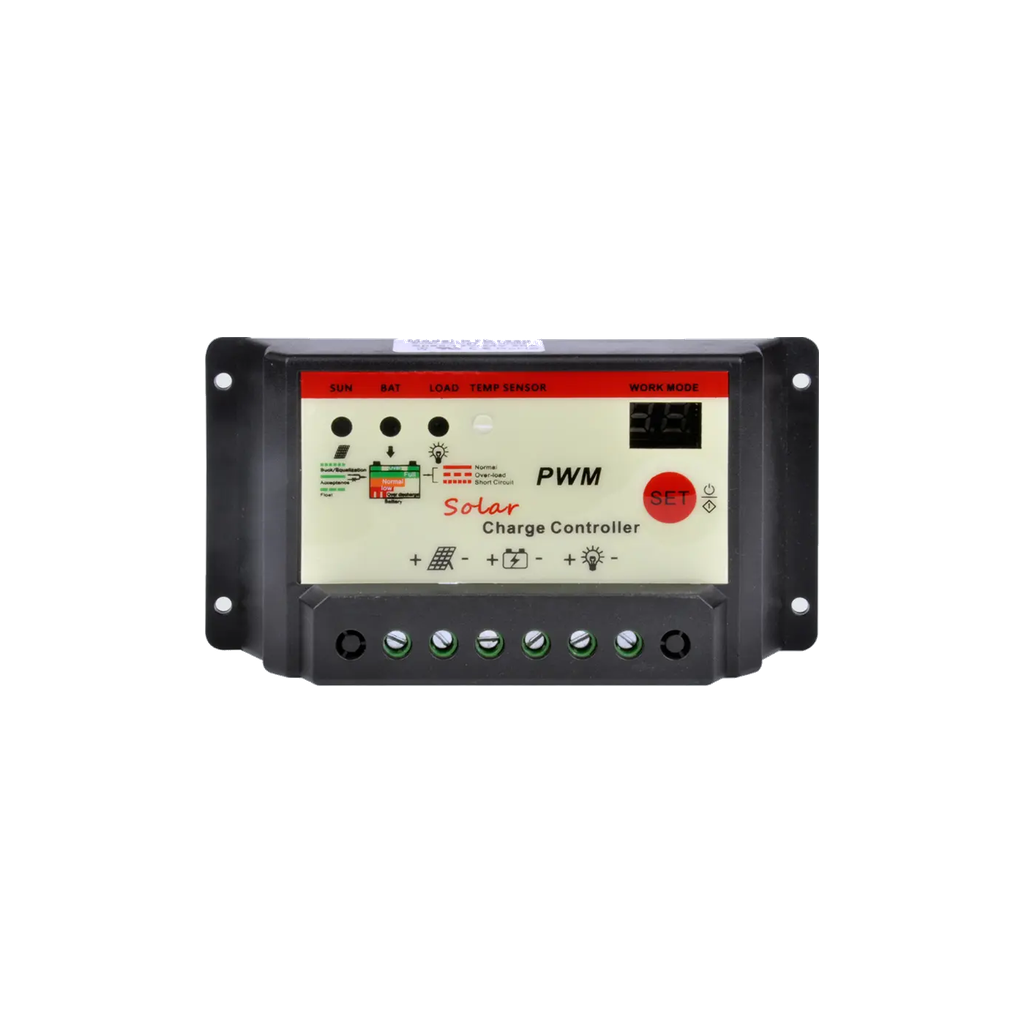
MPPT solar panel controllers boast a variety of features that enhance their functionality and efficiency. One of the primary benefits is their ability to increase energy harvest from solar panels by up to 30% compared to traditional PWM (Pulse Width Modulation) controllers. This is achieved by continuously adjusting the electrical operating point of the modules to ensure they operate at their maximum power point.
Other notable features include:
Advanced Monitoring: Many MPPT controllers offer LCD displays or mobile app connectivity for monitoring system performance in real-time. This feature helps in diagnosing issues quickly and optimizing the system's performance.
Battery Management: These controllers often incorporate advanced battery management systems that help prolong battery life by preventing overcharging and deep discharging. To ensure efficiency, consider using a compatible Battery Charger.
Protection Mechanisms: Built-in safety features such as over-voltage, over-current, and short-circuit protection enhance the durability and reliability of the system.
Ultimately, the right MPPT controller can lead to significant savings on energy costs and improve the overall efficiency of solar energy systems.