Reliable Lithium Battery Energy Storage Solutions

Get a Free Quote

Our representative will contact you soon.
Email
Mobile
Name
Company Name
Products of Interest
Message
0/1000

lithium battery energy storage

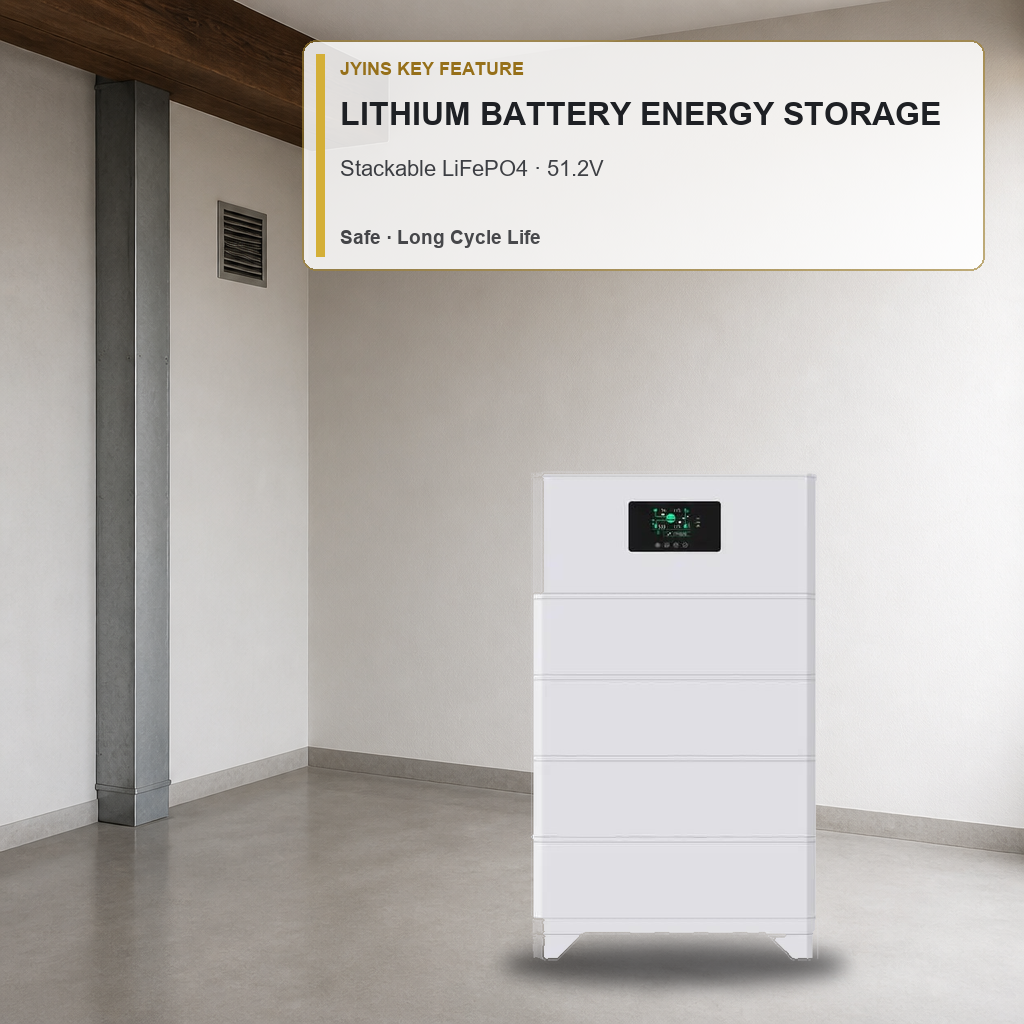
Lithium battery energy  storage systems  have become increasingly vital for businesses seeking  efficient and  sustainable power  solutions. These systems  allow for the storage  of energy generated from renewable sources, such as solar, making them an attractive option for industries aiming  to reduce  their carbon footprint while  ensuring  energy reliability. For B2B buyers, including purchasing  managers  and engineers, understanding the  nuances  of  lithium battery  energy storage is crucial for making  informed purchasing decisions. This article will explore essential  insights into sourcing, specifications, cost evaluation, common  issues, and best practices for installation, helping buyers navigate their options effectively.
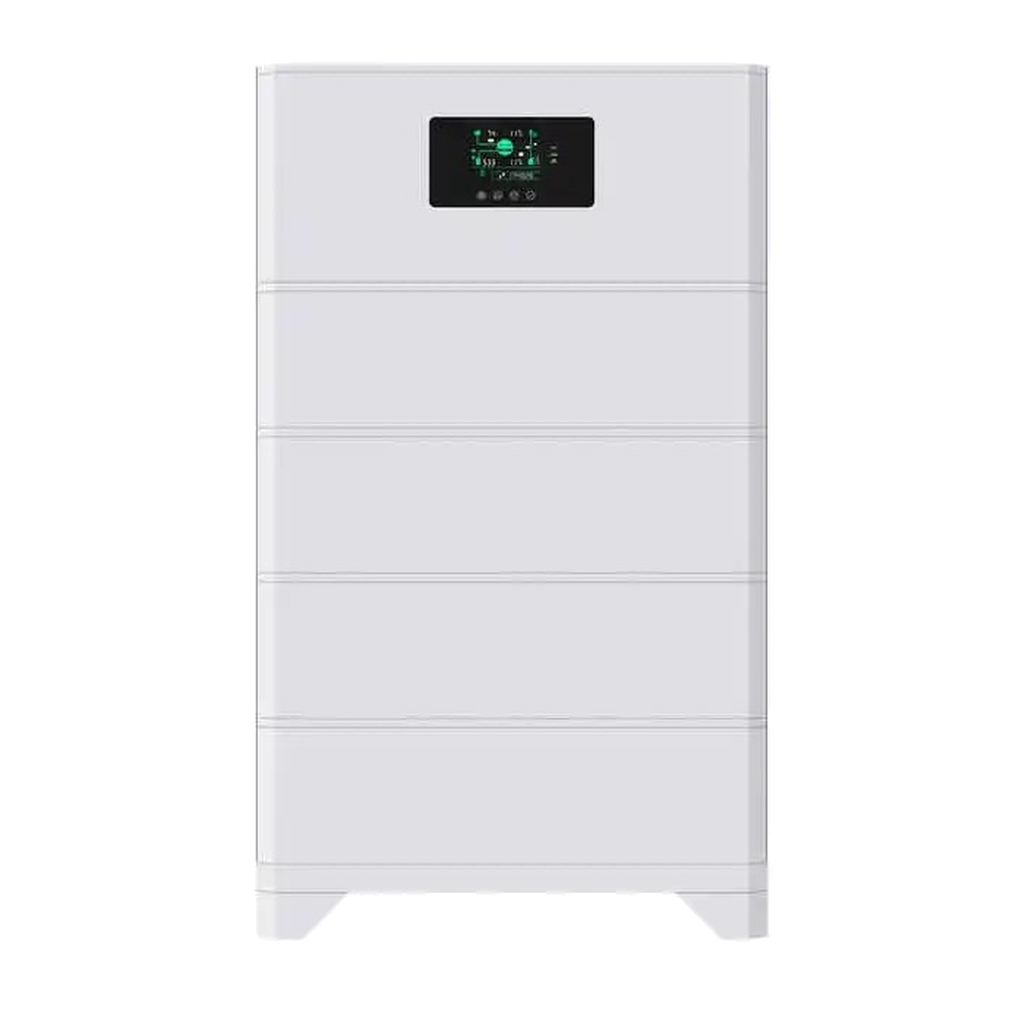
Key Specifications for High-Quality Lithium Battery Energy Storage Systems

Key Specifications for High-Quality Lithium Battery Energy Storage Systems

When evaluating lithium battery energy storage systems,  several key specifications  should be considered to ensure  optimal performance.

Capacity: Measured in kilowatt-hours (kWh),  this specification indicates how much energy  the battery  can  store. A higher capacity allows for more energy to be stored and used when needed, making it essential for businesses with high energy demands.

Cycle Life: This refers to the number of charge and discharge cycles a battery can undergo  before its capacity  significantly diminishes. A longer cycle life reduces  replacement frequency, leading to cost  savings in the long run.

Depth of Discharge (DoD):  This specification indicates the percentage of the battery's capacity that can be used without causing damage. A higher DoD allows for more efficient energy use, which is particularly  important for applications with fluctuating energy demands.

Efficiency: This measures how much of the input energy is converted to output energy. Higher efficiency rates translate into better performance  and lower  operational costs.

Safety Ratings: Look for  batteries with established safety certifications, such as UL or CE  marks, to ensure they meet industry  safety standards. Safety is paramount, especially in commercial applications where large-scale energy storage is involved.

Understanding these specifications will enable buyers to select a lithium battery energy storage system that meets their  specific operational  needs.
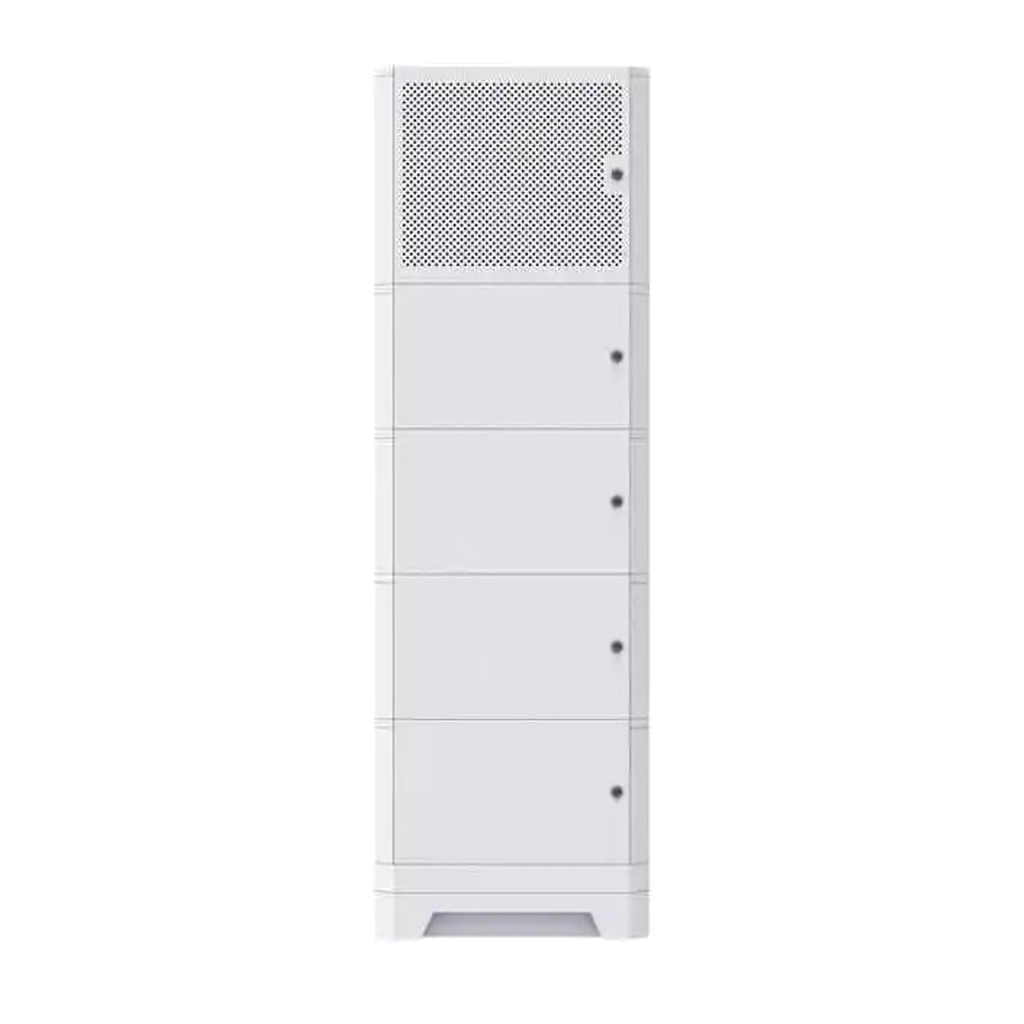
How to Evaluate the Cost of Lithium Battery Energy Storage Solutions

How to Evaluate the Cost of Lithium Battery Energy Storage Solutions

Evaluating the cost of lithium battery energy storage solutions involves more than just the  initial purchase price. Consider the following factors:


Total Cost of Ownership (TCO): This includes not only the upfront cost  of the system but also maintenance, operational  costs, and potential replacement costs over the battery's lifespan. A lower initial price may not always lead to the most cost-effective solution in the long term.

Installation Costs: Factor in the expenses associated with  installation, including  labor, permits, and any necessary infrastructure upgrades. Proper installation is crucial for the system's performance and  longevity.

Incentives and  Rebates: Investigate local, state, or federal incentives for adopting  renewable energy technologies. Many governments offer  financial incentives that can significantly reduce the overall cost of investing in  lithium battery energy storage systems.

Financing Options: Consider financing arrangements that can spread the  cost over time. Many manufacturers or suppliers offer leasing  options  or financing that can make the  investment  more manageable.

Supplier  Terms and Conditions: Analyze the payment terms, warranty, and service agreements provided by the supplier. A robust  warranty can indicate confidence in the product's  quality and performance.

By comprehensively assessing these factors, buyers can make a more informed decision about the total investment required  for lithium battery energy storage systems.

Common Problems with Lithium Battery Energy Storage and Their Solutions

Common Problems with Lithium Battery Energy Storage and Their Solutions

While lithium  battery energy  storage systems offer numerous benefits, they are not without challenges.  Here are  some common issues and their potential solutions:

Temperature Sensitivity: Lithium batteries can be sensitive  to extreme temperatures, which may affect performance  and lifespan. To mitigate this, ensure that the installation site is climate-controlled  or  that the battery system includes thermal management features.

Degradation Over  Time: Batteries can degrade over time, impacting their capacity and efficiency. Implementing regular maintenance checks and using battery management systems can help monitor performance and  prolong lifespan.

Overcharging and Deep Discharging: Both conditions can reduce battery life.  To prevent this, use intelligent charging systems that automatically optimize charging cycles and avoid over-discharging beyond the recommended  DoD.


Compatibility Issues: Sometimes, batteries may  not be compatible with existing systems  or equipment. Before selecting a lithium battery energy storage solution, confirm compatibility with current energy systems and consult with the supplier if custom solutions are necessary.

Supply Chain Disruptions: Global supply chain issues can affect the availability of components for battery systems. Establishing relationships with multiple suppliers  can mitigate risks  and secure necessary parts for  maintenance and upgrades.

By being aware of these common  problems and their solutions, buyers can better prepare for the realities of implementing lithium battery energy storage systems.


Best Practices for Installing Lithium Battery Energy Storage Systems

Proper installation of lithium battery energy storage systems is  crucial for ensuring optimal performance and safety. Here are best practices to consider:

Site Assessment: Conduct a thorough site assessment to determine the best location for the installation. Consider factors such as environmental conditions, accessibility for maintenance, and proximity to energy sources.

Professional  Installation: Engage qualified  professionals for installation. Experienced technicians are  more likely to ensure that all components are installed  correctly and safely, adhering to relevant regulations and standards.

System Configuration: Customize the system based on specific energy needs. This includes  selecting the right battery configuration, integrating with existing energy systems, and ensuring the appropriate  inverter systems are in place.

Testing and Commissioning: Once installed, conduct comprehensive testing  to  ensure  the  system operates as intended. This may include performance assessments under various load conditions and verifying that  all safety mechanisms function correctly.

Training and Documentation: Provide training for  personnel who  will operate or maintain the system. Ensure that comprehensive documentation is  available for reference, detailing  system specifications, maintenance schedules, and emergency procedures.

Following these best practices  helps  maximize the performance and  reliability of lithium battery energy storage systems, ultimately leading to better energy management for  businesses. Additionally, investing in a reliable Solar Inverter can further enhance energy efficiency and sustainability.

Where to Source Reliable Suppliers for Lithium Battery Storage Products

Finding  reliable suppliers for lithium battery energy storage systems is foundational  for businesses looking to invest in this technology. Start by researching manufacturers with a solid reputation  in the  renewable energy sector. Look for companies that  adhere to international standards like ISO9000, which ensures a consistent quality assurance process. Engage with industry-specific trade  shows and exhibitions, as  these venues offer opportunities to connect directly with manufacturers and assess their offerings firsthand.

Utilizing  online  platforms and directories  that specialize in B2B transactions can also be beneficial.  These platforms often provide  ratings and reviews from  other businesses, which  can help gauge a supplier's reliability. When  contacting potential suppliers, request detailed product catalogs and inquire about their customization capabilities, production capacity, and lead times. Making  sure  the supplier has a robust  quality  control process  in place will also help ensure the longevity and performance of the lithium battery systems. For example, exploring options like Battery Charger can enhance the overall energy management.

Our Blog Posts

The Future of Hybrid inverters in Grid-connected Energy storage systems

14

May

The Future of Hybrid inverters in Grid-connected Energy storage systems

Hybrid inverters are very important for future of energy storage systems connect to the grid. They help store energy from sources like solar panels and wind turbines, making easier to use that energy when needed. With world move towards greener energ...
View More
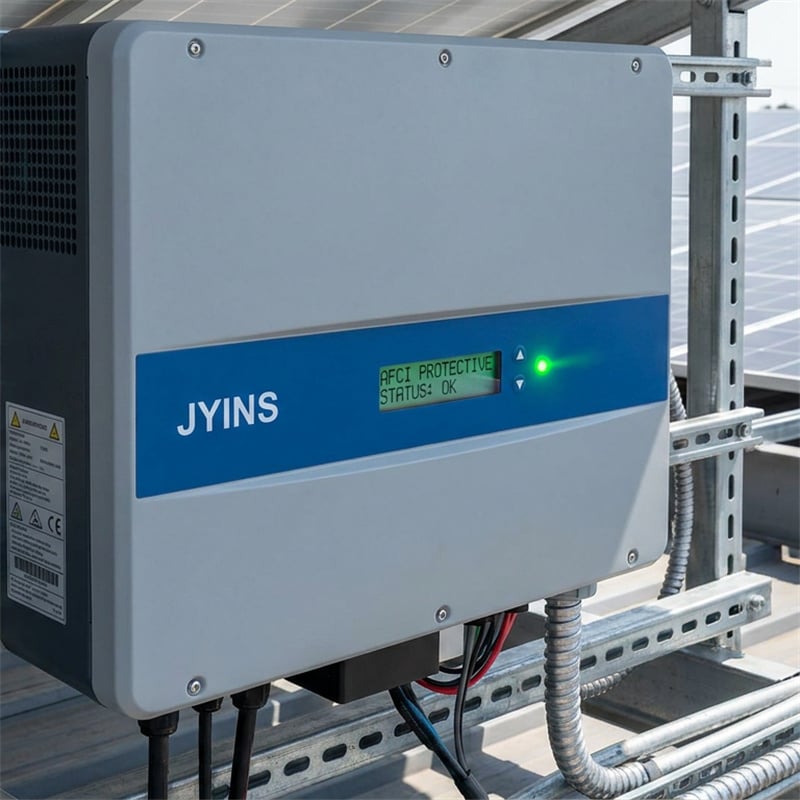
How does DC Arc Fault Circuit Interrupter (AFCI) logic prevent fire risks in rooftop B2B solar arrays?

24

Jun

How does DC Arc Fault Circuit Interrupter (AFCI) logic prevent fire risks in rooftop B2B solar arrays?

The Threat of DC Arc Faults in B2B Rooftop Solar Commercial and industrial rooftop solar arrays are increasingly popular for B2B operations looking to lower carbon emissions and operational costs. However, these large installations bring distinct saf...
View More
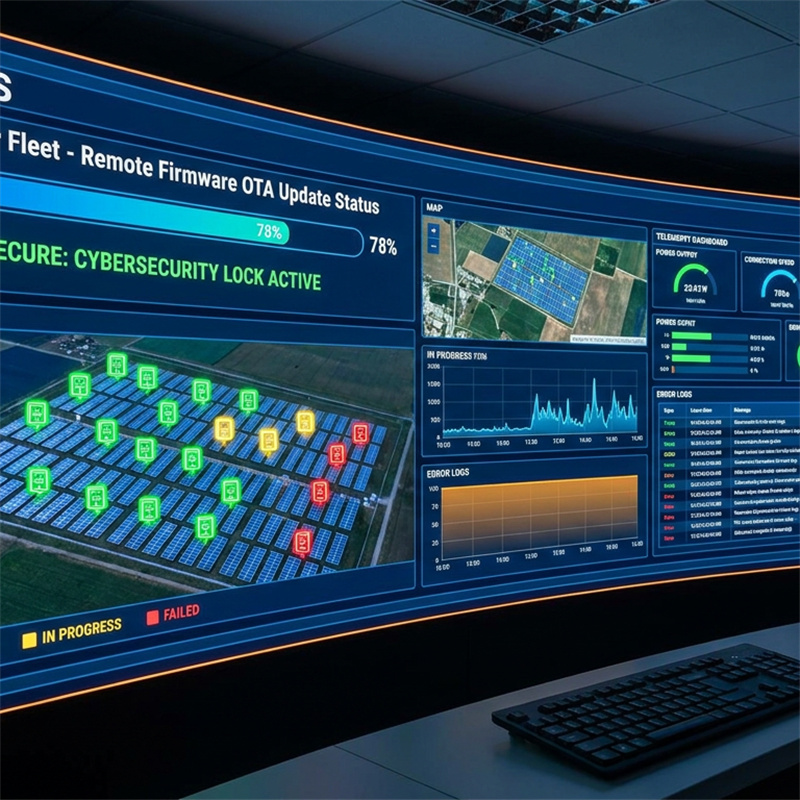
Managing Inverter Firmware Updates in remote B2B sites: Ensuring OTA security and fail-safe recovery.

24

Jun

Managing Inverter Firmware Updates in remote B2B sites: Ensuring OTA security and fail-safe recovery.

The Modern Necessity of Remote Firmware Management for Distributed Arrays As B2B commercial solar and energy storage installations grow in scale and geographic distribution, managing these decentralized assets becomes a major operational challenge. I...
View More
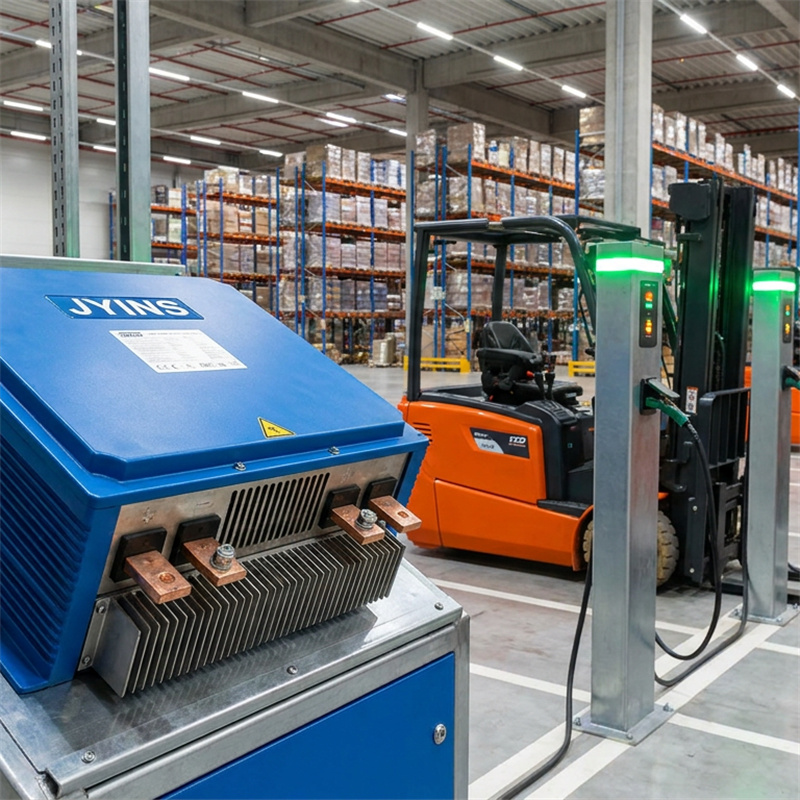
Designing power conversion for Electric Forklift Charging Stations in large distribution centers.

25

Jun

Designing power conversion for Electric Forklift Charging Stations in large distribution centers.

Q: Designing power conversion for Electric Forklift Charging Stations in large distribution centers. Introduction: The Electrification of Logistics Infrastructure In modern supply chain management, large-scale distribution centers and logistics hubs ...
View More

Get a Free Quote

Our representative will contact you soon.
Email
Mobile
Name
Company Name
Products of Interest
Message
0/1000
Reliable Lithium Battery Energy Storage Solutions

Get a Free Quote

Our representative will contact you soon.
Email
Mobile
Name
Company Name
Products of Interest
Message
0/1000