EN
EN


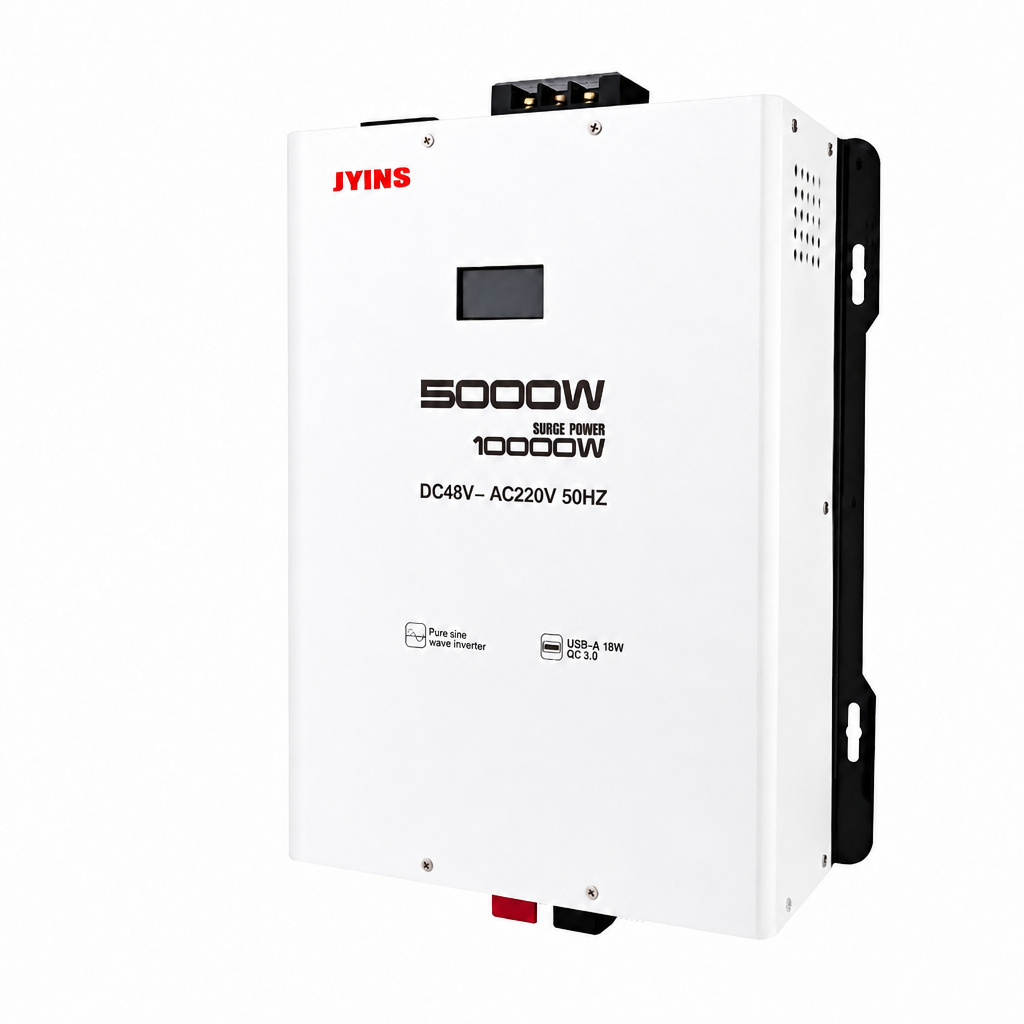
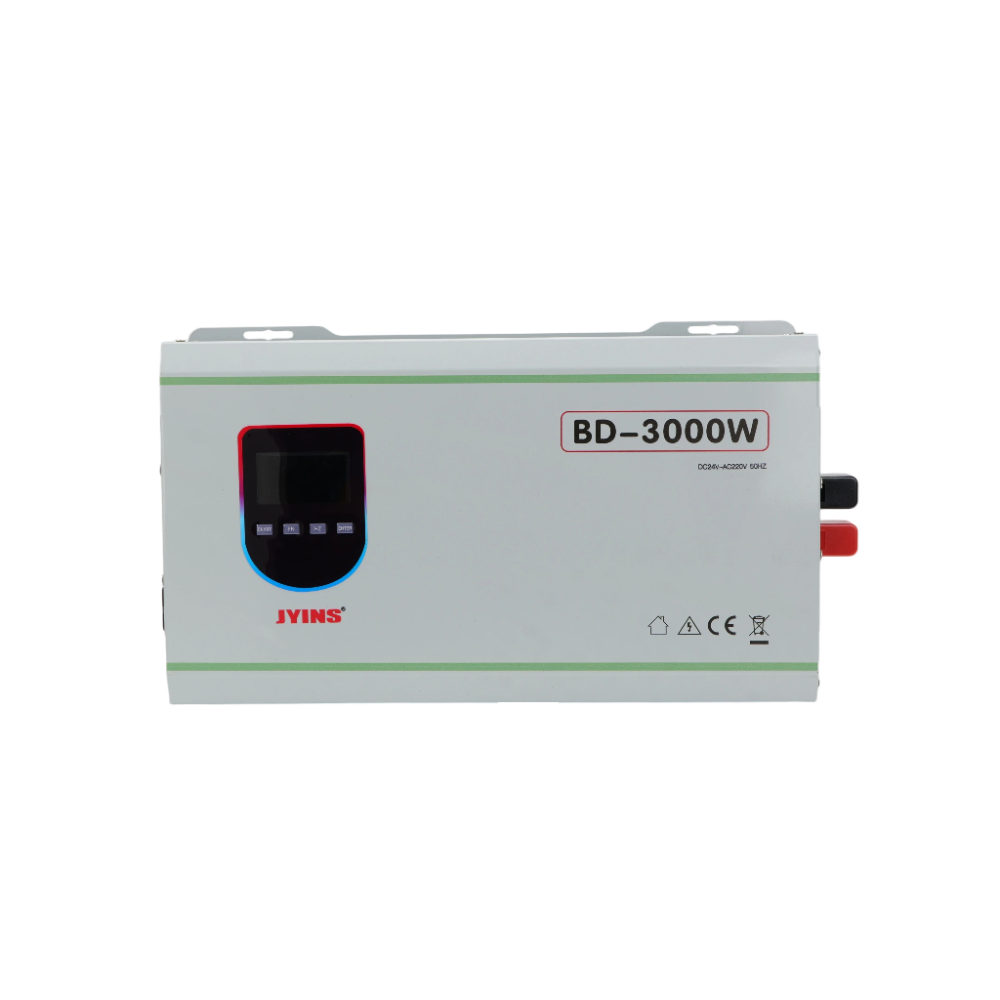
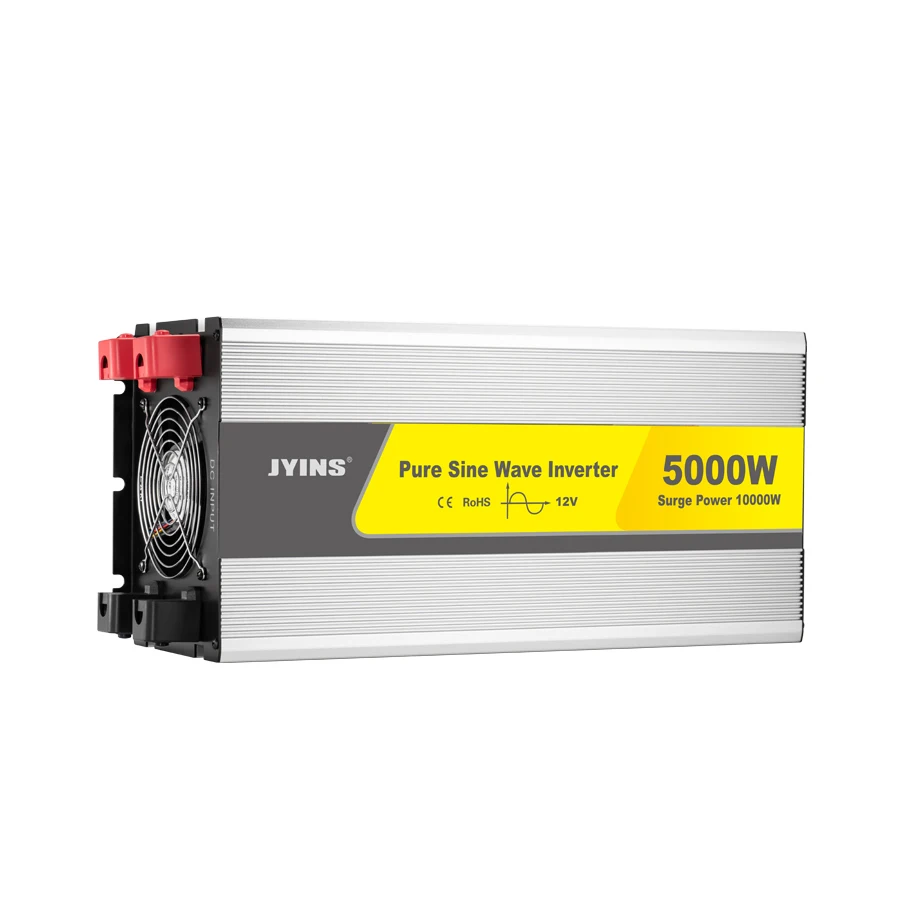
When you think about power for your home or business, a 48V 5000W inverter can be a great choice. This device changes DC (direct current) power into AC (alternating current) power, which is what most appliances use. So, if you want to run things like lights, refrigerators, or tools from batteries, this inverter helps you do that. Jyins creates high-quality inverters that are reliable and efficient. With the right inverter, you can make sure your devices get the energy they need to work well, whether you're using solar panels or batteries as your power source. Choosing the best 48v hybrid inverter really depends on what you need. Some people may want one for their home to run appliances during a power outage. Others might need it for a business or to power tools on a worksite. Jyins offers different models that can meet various needs. For instance, a good inverter should be able to provide a steady stream of power without overheating. This is important because devices need constant power to work properly.
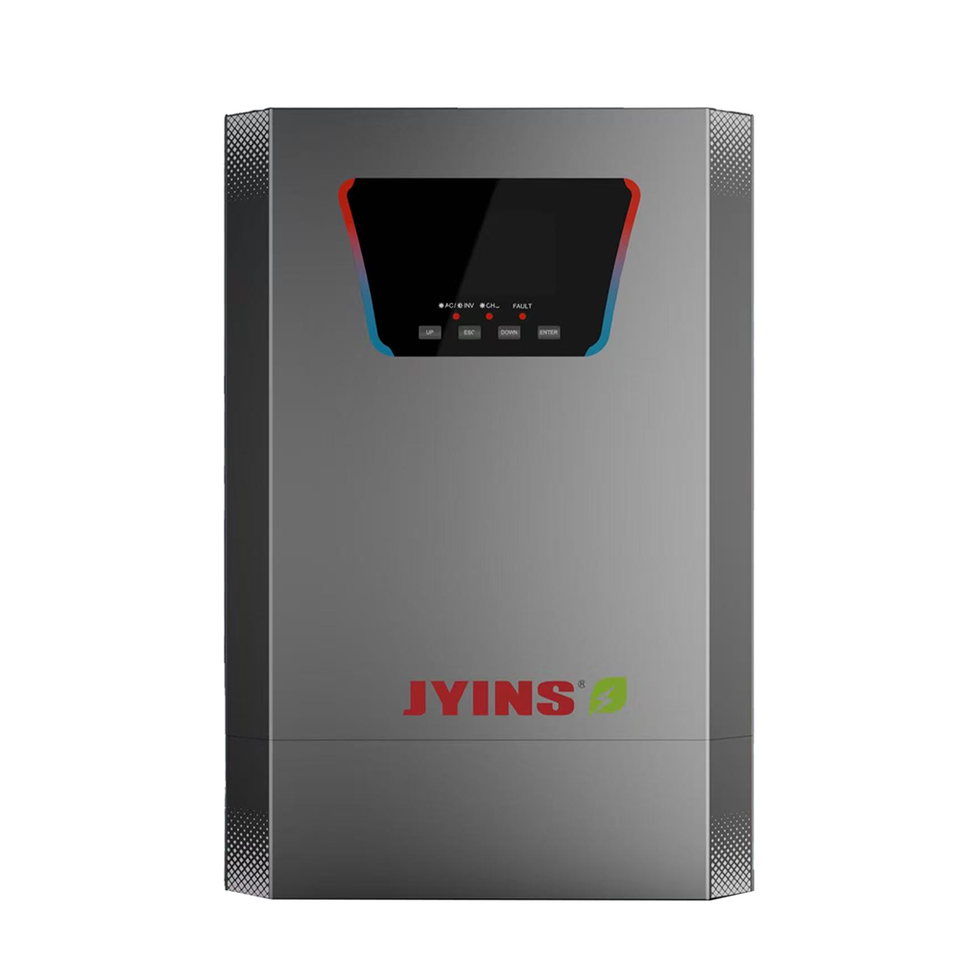
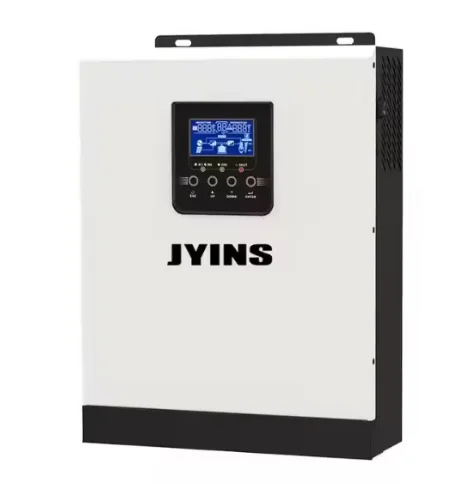
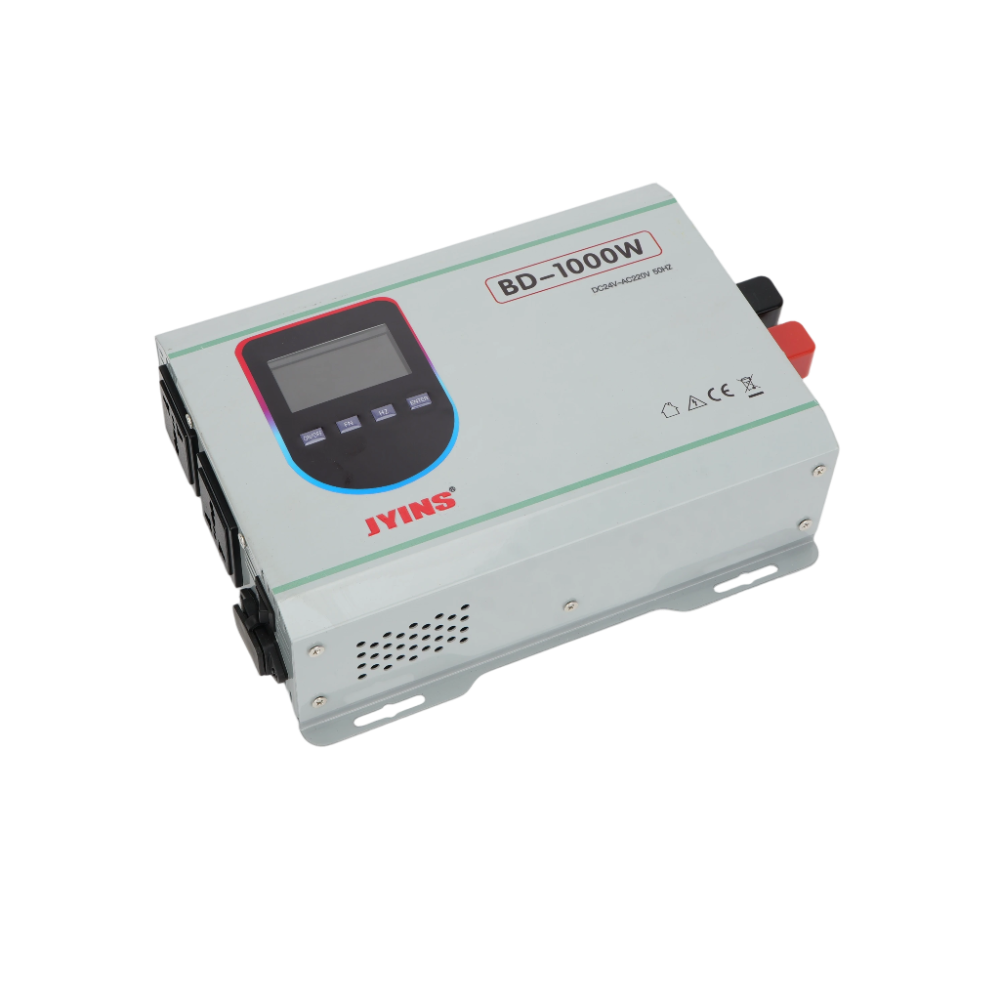
Common Usage Issues with 48V 5000W Inverters and How to Fix Them
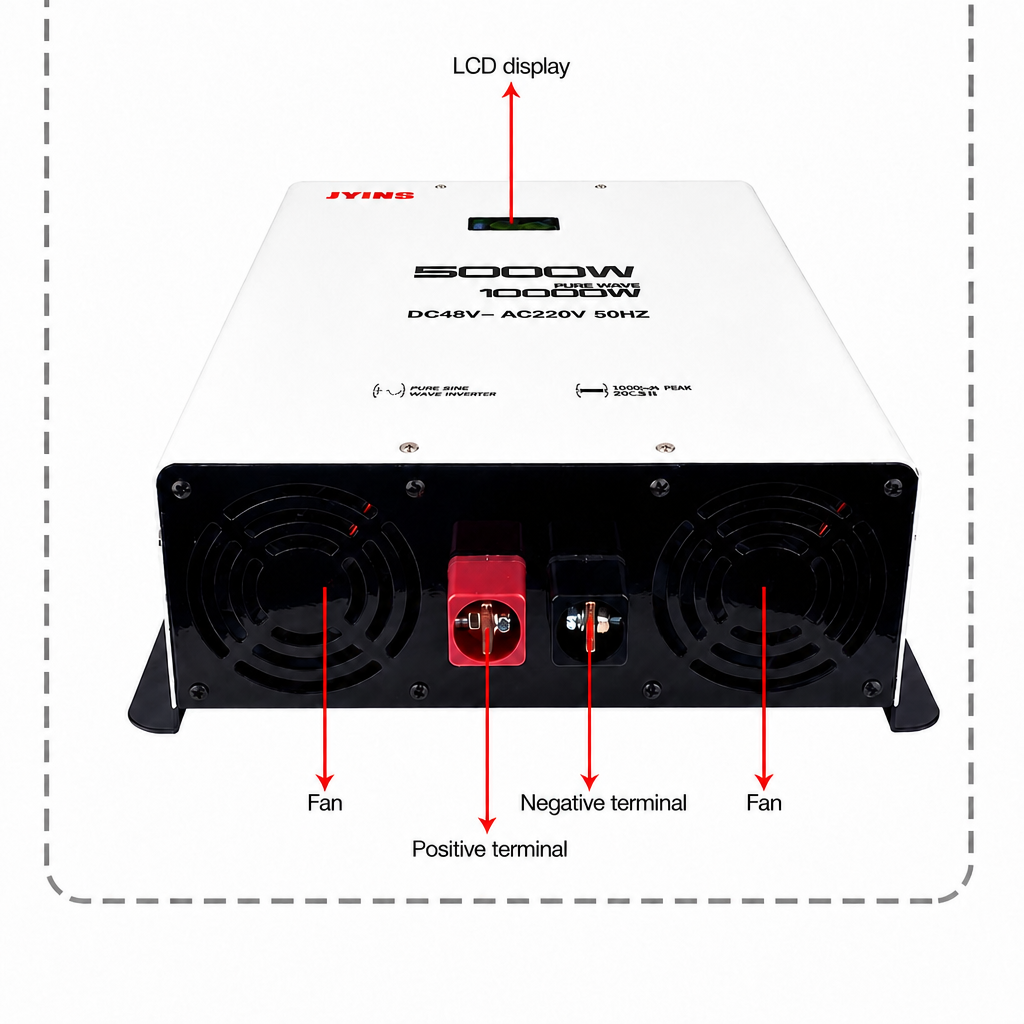
Audible noise from a 48V inverter or 5000W inverter can be concerning, but unusual sounds typically indicate operational stress or environmental factors rather than an immediate mechanical failure. Buzzing, humming, or continuous clicking noises often signal that the solar inverter is operating near its upper performance limits. Because a 5000W inverter rating represents the maximum continuous power capacity, drawing near or above this threshold forces the internal components of the 48V inverter to vibrate under heavy electromagnetic load. Disconnecting non-essential appliances reduces the current draw, relieves stress on the internal circuitry of the solar inverter, and usually stops the noise. Thermal management is another vital aspect of overall 48V inverter health and performance. High power demand on a 5000W inverter generates substantial heat, and if the installation site lacks adequate ventilation, thermal buildup can cause the solar inverter to overheat and trigger an automatic safety shutdown to protect delicate electronics. To ensure optimal heat dissipation, every solar inverter must be mounted with sufficient clearance on all sides, keeping air vents completely free from dust and obstructions. If your 48V inverter housing feels excessively hot to the touch, powering down the 5000W inverter completely, allowing it to cool down, and evaluating the ambient airflow around the solar inverter will prevent thermal degradation and extend the lifespan of the equipment.