Choosing the Right MPPT Solar Panel Controller

Get a Free Quote

Our representative will contact you soon.
Email
Mobile
Name
Company Name
Products of Interest
Message
0/1000

solar panel controller mppt

In the realm of renewable energy, a solar  panel controller, specifically the MPPT (Maximum Power Point  Tracking)  type, plays  a  critical role in optimizing  the efficiency of  solar energy systems.  For B2B buyers  such as purchasing managers, engineers, and  project  managers, understanding  how to select and utilize  these controllers effectively  is essential. This  article aims to clarify the key  aspects  of  MPPT solar panel  controllers, addressing common  buyer concerns regarding selection, features, pricing, installation, and troubleshooting.
Features and Benefits

Features and Benefits

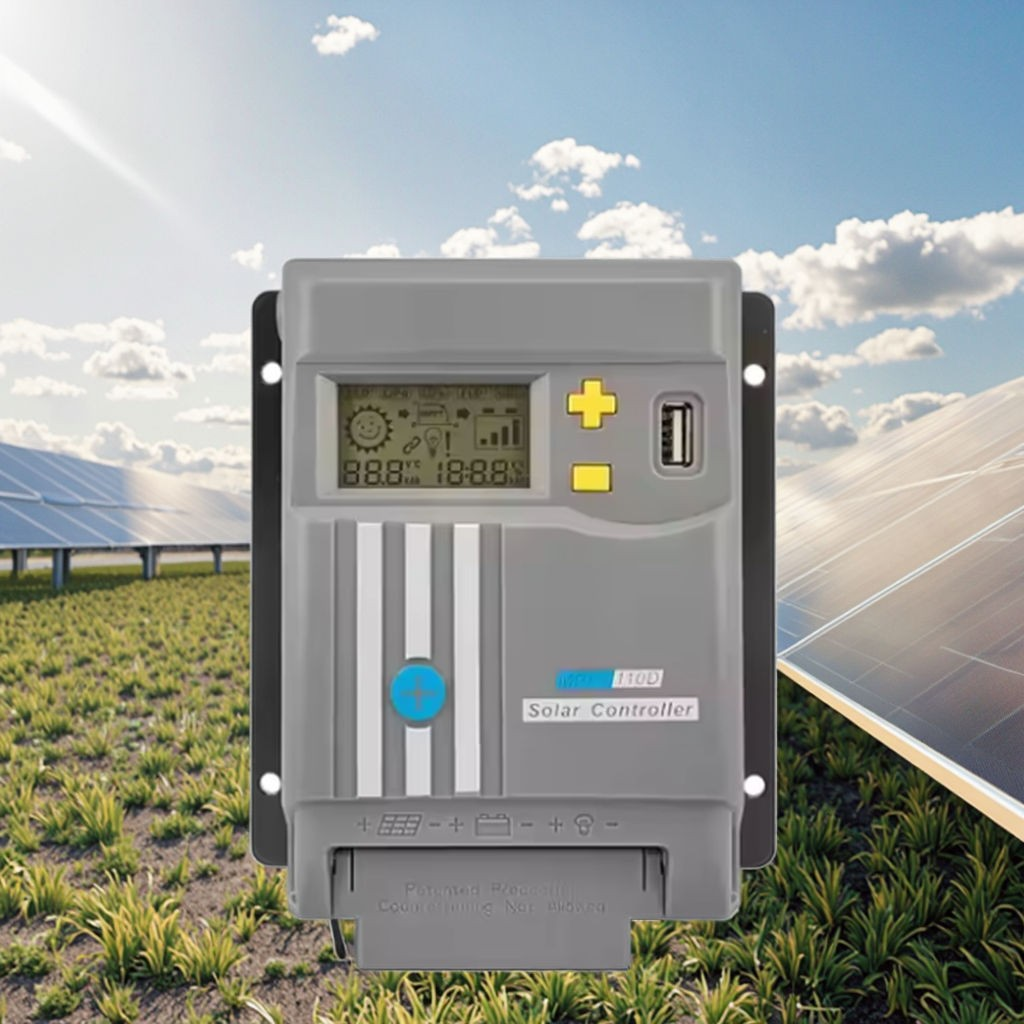
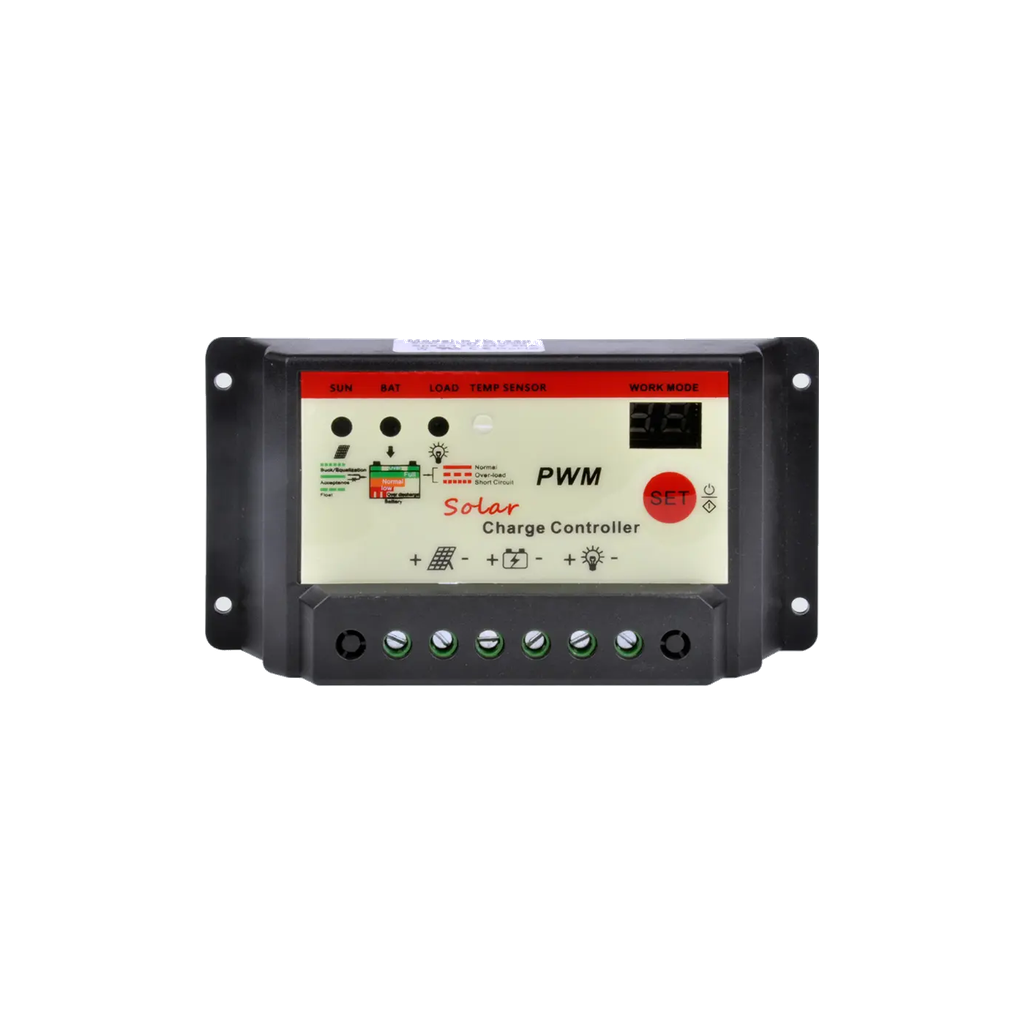
MPPT solar panel controllers boast a variety of features that enhance their functionality and efficiency. One of the primary benefits is their ability to  increase energy harvest from solar panels by  up to  30%  compared to traditional  PWM (Pulse Width Modulation) controllers. This is achieved by continuously adjusting  the electrical operating  point of the modules to ensure they operate at  their maximum power point.

Other notable features include:

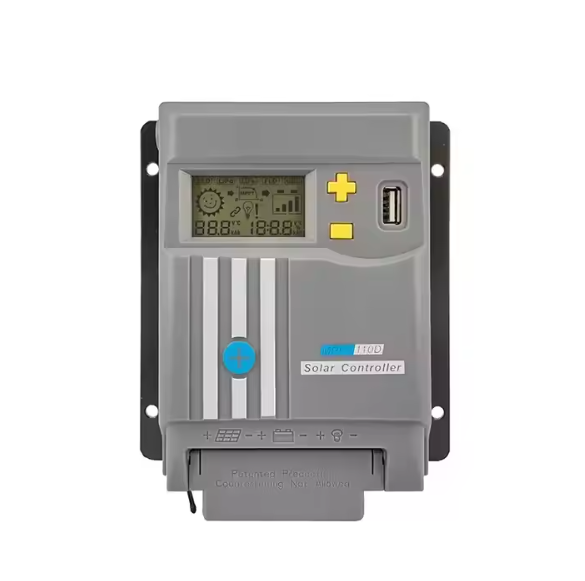
Advanced Monitoring: Many MPPT  controllers offer LCD displays or mobile app connectivity for monitoring system performance in real-time. This feature helps in  diagnosing issues quickly and optimizing the system's performance.

Battery Management: These controllers often incorporate advanced battery management systems that help prolong  battery life  by preventing overcharging  and deep discharging. To ensure efficiency, consider using a compatible Battery Charger.

Protection Mechanisms: Built-in safety features such as  over-voltage, over-current, and short-circuit protection enhance  the durability and reliability of the system.

Ultimately, the right MPPT controller  can  lead  to significant savings on energy costs and improve the overall efficiency of solar energy systems.
Understanding Cost Factors When Purchasing MPPT Solar Panel Controllers

Understanding Cost Factors When Purchasing MPPT Solar Panel Controllers

When it comes  to purchasing MPPT solar panel controllers, several cost factors come into play. The initial price of the controller is  influenced  by its  specifications and features. High-quality controllers with advanced functionalities will generally come at a  higher price point but offer better performance and longevity.

Volume of purchase is another  significant factor.  Manufacturers often provide discounts for bulk orders,  which can be beneficial for larger projects  or ongoing installations. Additionally, consider the total  cost of ownership, which includes installation, maintenance, and warranty options. A slightly higher  upfront investment in a reliable controller  could save you money over time through increased efficiency and  reduced maintenance  costs.

Ensure to gather all necessary information to  provide potential  suppliers with accurate requirements, including system  voltage, expected load, and any specific features desired. This will aid in obtaining precise  quotations and  evaluating different suppliers effectively.

Installation Guidance for MPPT Solar Panel Controllers in Projects

Installation Guidance for MPPT Solar Panel Controllers in Projects

Proper installation of MPPT  solar  panel controllers is crucial for optimal performance and longevity. Begin by reviewing  the installation manual provided by the manufacturer,  as  it will contain important safety  warnings and guidelines.

Location: Choose a location that  is easily accessible for maintenance and monitoring, yet protected from the elements. Ensure adequate ventilation to prevent overheating.

Wiring: Use appropriately rated cables to connect the solar panels, battery bank,  and load. Ensure that connections  are secure to avoid energy loss. Label all connections clearly to simplify troubleshooting in the future.

Grounding: Grounding  the system is essential for safety. Follow  local electrical codes  and regulations to  ensure proper grounding of your controller and other system components.

Testing: Before finalizing installation,  conduct  a series of tests to verify that the system operates as  expected. Check voltage and current readings to ensure they align with the specifications.

If  you encounter challenges during  installation, consulting with an experienced technician or seeking support from the manufacturer can  help ensure  a successful setup.

Common Problems with MPPT Solar Panel Controllers and Their Solutions

Despite their advantages, MPPT solar panel controllers can encounter issues that may hinder their performance. Here are some common problems and their  solutions:

Overheating: If the controller is overheating, it may be due to inadequate ventilation or excessive current. Ensure  that the installation site allows for sufficient airflow and check the cable  sizes to confirm they are appropriate for  the current levels.

Battery Charging Issues: If the system is  not charging the batteries adequately, investigate the settings on the  controller. Ensure that the battery type is  correctly configured in  the  controller’s settings,  as  incorrect settings can lead to improper charging cycles.

Communication Failures:  For controllers with monitoring capabilities, communication issues can arise.  Check the connection to the monitoring device and ensure that any software is updated. In some cases, resetting the controller may resolve  the issue.

By being aware of these common problems and their solutions, buyers can better prepare for potential challenges and maintain the efficiency of their solar energy systems. Regular maintenance and monitoring will also  help in identifying issues  early  on, preventing costly repairs or replacements.

Choosing the right MPPT solar panel controller is integral to maximizing the efficiency of solar energy systems. By understanding the key selection criteria, recognizing valuable features, considering cost factors, following proper installation guidance, and being aware  of common issues, B2B buyers can make informed decisions that enhance their renewable energy projects.
How to Choose the Right MPPT Solar Panel Controller for Your Needs

Selecting  the  right  MPPT  solar panel controller involves  several key considerations tailored to your specific project requirements. First, assess  the voltage and current  ratings of your solar panels. The controller must be compatible with the panel's output to maximize  energy capture. For instance,  if your solar panels operate at 60 volts, ensure the controller can handle that voltage  level.

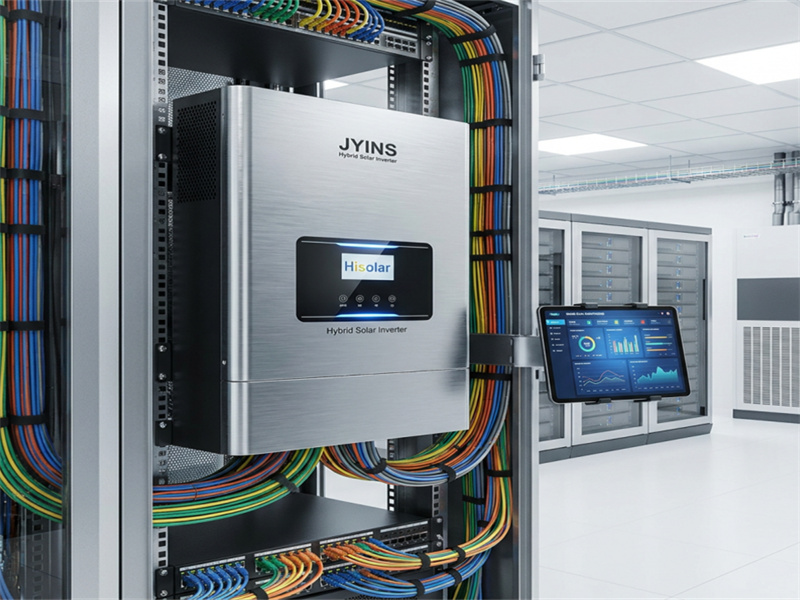
Next, consider  the load requirements of your system. This includes understanding the  total wattage  of devices that will draw power from the system, allowing for appropriate sizing of  the controller. Additionally,  evaluate features such as  monitoring capabilities and communication interfaces. Advanced controllers often come with Bluetooth  or  Wi-Fi connectivity, enabling real-time monitoring and data analysis. You might also consider integrating a Solar Inverter for enhanced performance.

Lastly, consider the environmental conditions of the installation site.  Controllers are rated for different temperature ranges and must be suitable for  the conditions they will face, whether it's extreme heat, cold, or humidity. This ensures long-term reliability and performance.

Our Blog Posts

The Strategic Value of UPS Backup in Automated Manufacturing

14

May

The Strategic Value of UPS Backup in Automated Manufacturing

In todays world, manufacturing change fast. Many factories uses machines that run automatic. This great because it make things faster and sometime cheaper. But what happen if power go out? Factory lose power, it can stops working. This where UPS back...
View More
Hybrid Inverter Integration for Telecom: Managing RS485 Communication and Remote Power Reliability

15

May

Hybrid Inverter Integration for Telecom: Managing RS485 Communication and Remote Power Reliability

Hybrid Inverter Integration for Telecom: Managing RS485 Communication and Remote Power Reliability In the rapidly evolving landscape of global telecommunications, power reliability is the bedrock of connectivity. For telecom engineers and network ope...
View More
Sourcing Inverters for Remote Maritime Buoys: Solving Reliability, Telemetry, and Multi-Source Energy Harvesting

24

Jun

Sourcing Inverters for Remote Maritime Buoys: Solving Reliability, Telemetry, and Multi-Source Energy Harvesting

Introduction: The Brutal Demands of Open-Ocean Power Systems Remote maritime buoys play a vital role in global oceanography, weather forecasting, maritime navigation, scientific research, and offshore oil and gas operations. Floating hundreds of mile...
View More
How to implement 'Export Limitation' in B2B solar hybrid systems for grid-restricted regions?

25

Jun

How to implement 'Export Limitation' in B2B solar hybrid systems for grid-restricted regions?

Q: How to implement 'Export Limitation' in B2B solar hybrid systems for grid-restricted regions? Introduction: The Challenge of Grid-Restricted Solar Integration As commercial and industrial enterprises globally transition to solar energy to hedge ag...
View More

Get a Free Quote

Our representative will contact you soon.
Email
Mobile
Name
Company Name
Products of Interest
Message
0/1000
Choosing the Right MPPT Solar Panel Controller

Get a Free Quote

Our representative will contact you soon.
Email
Mobile
Name
Company Name
Products of Interest
Message
0/1000