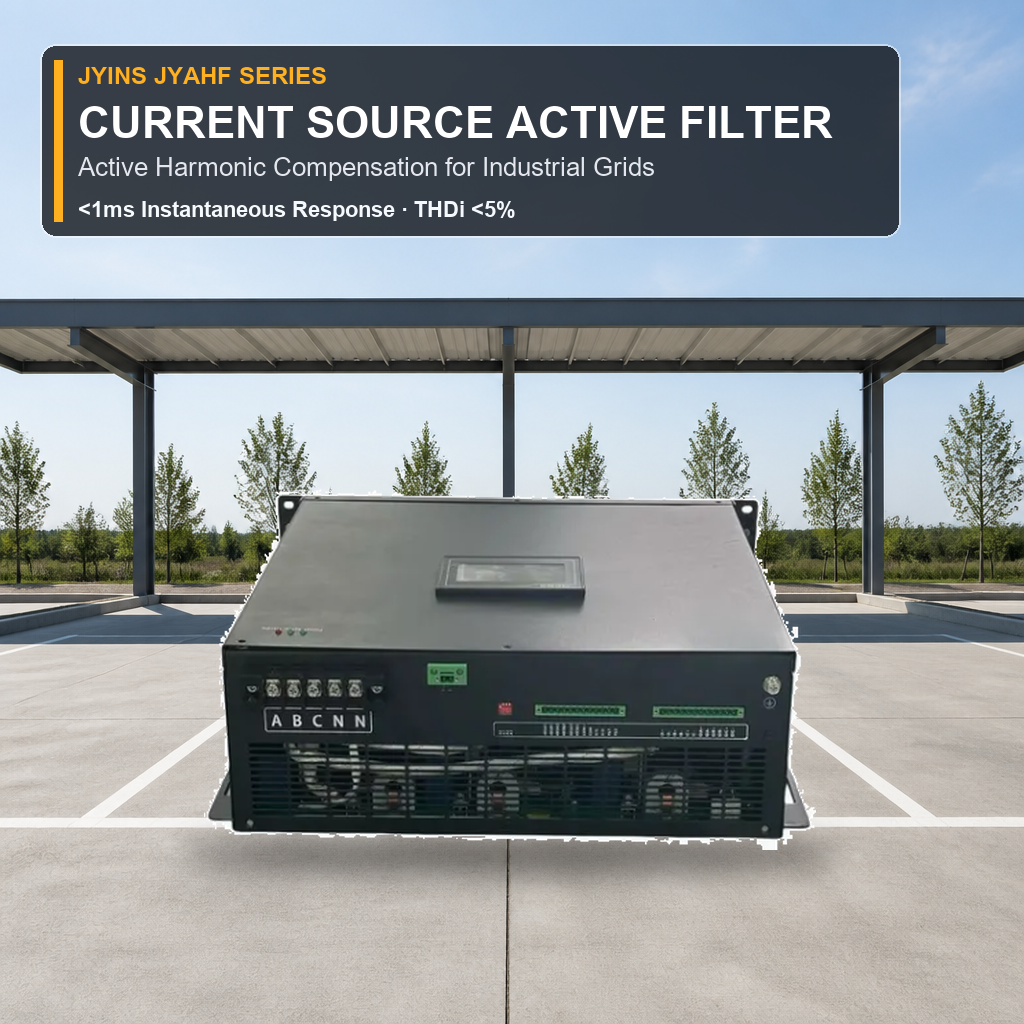
Current Source Active Filter for Off-Grid Solar Systems

Get a Free Quote

Our representative will contact you soon.
Email
Mobile
Name
Company Name
Products of Interest
Message
0/1000

current source active filter

Off-grid solar products are  essential for businesses seeking  sustainable energy  solutions  without relying on traditional grid systems. , we will explore  how to select the  right off-grid solar products for your  specific  project  needs, key  specifications  to  consider  when purchasing solar panels, inverters, and the factors that  affect  bulk  orders for these products. Additionally, we will address common issues with off-grid solar systems and  provide  practical solutions,  ensuring that B2B buyers  can make informed decisions for their energy needs.
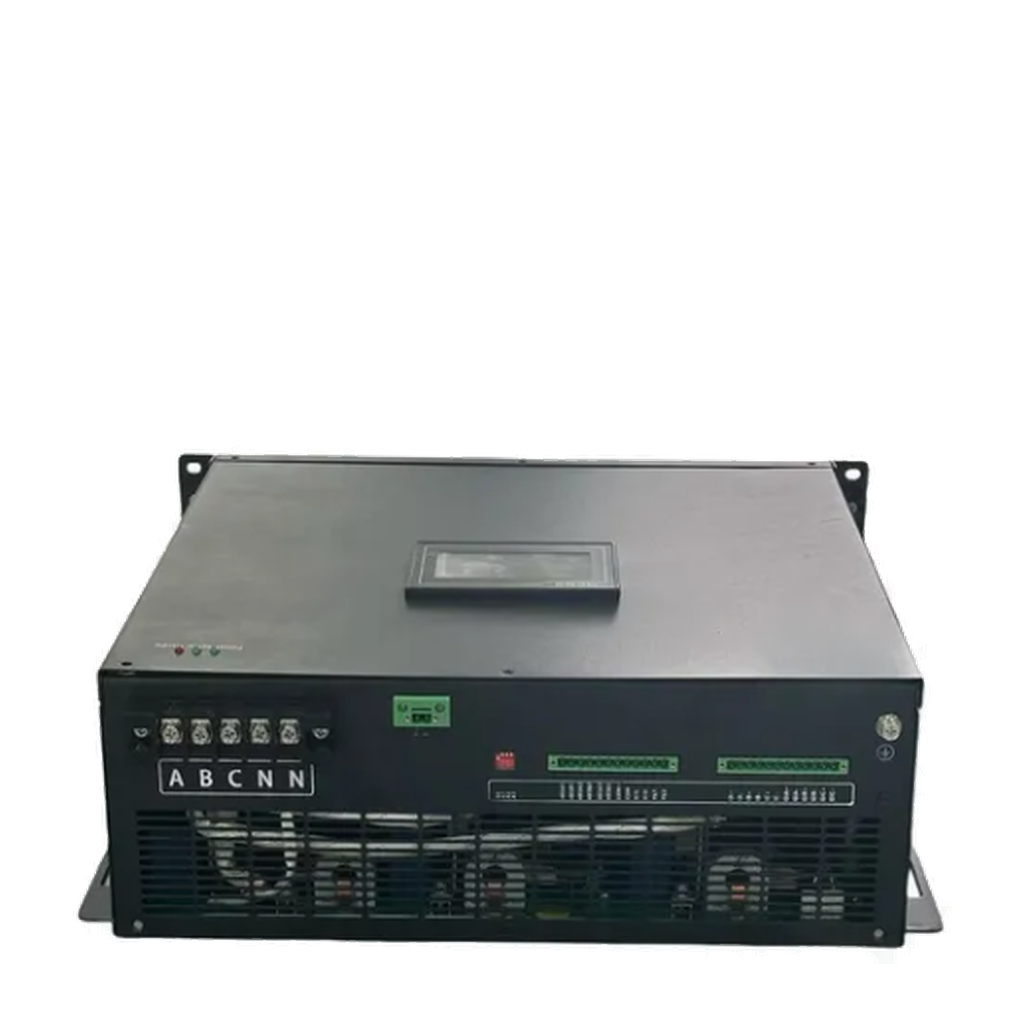
Installation Guidance for Off-Grid Solar Systems and Inverters

Installation Guidance for Off-Grid Solar Systems and Inverters

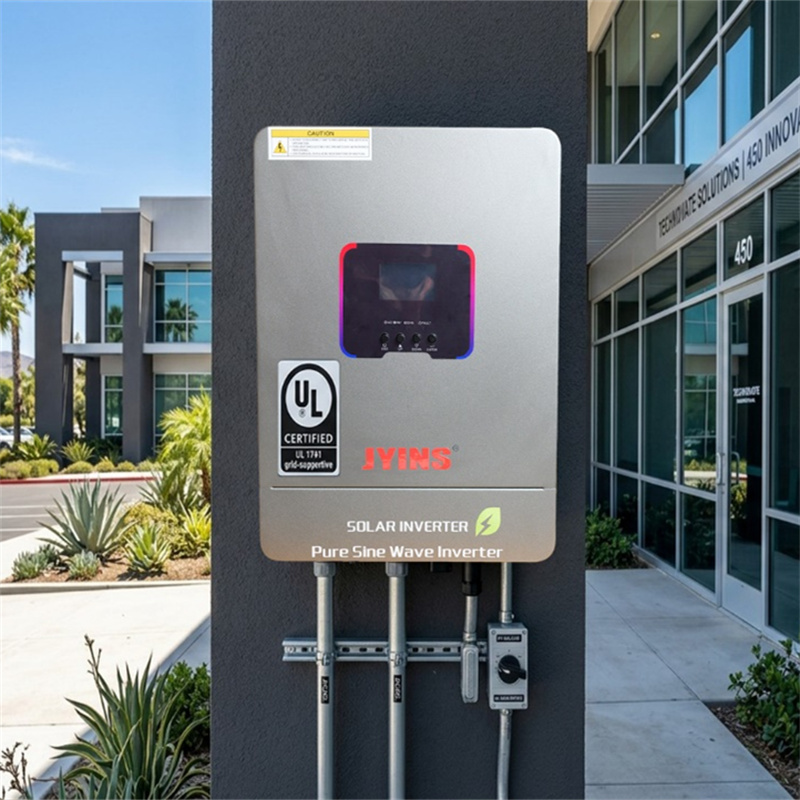
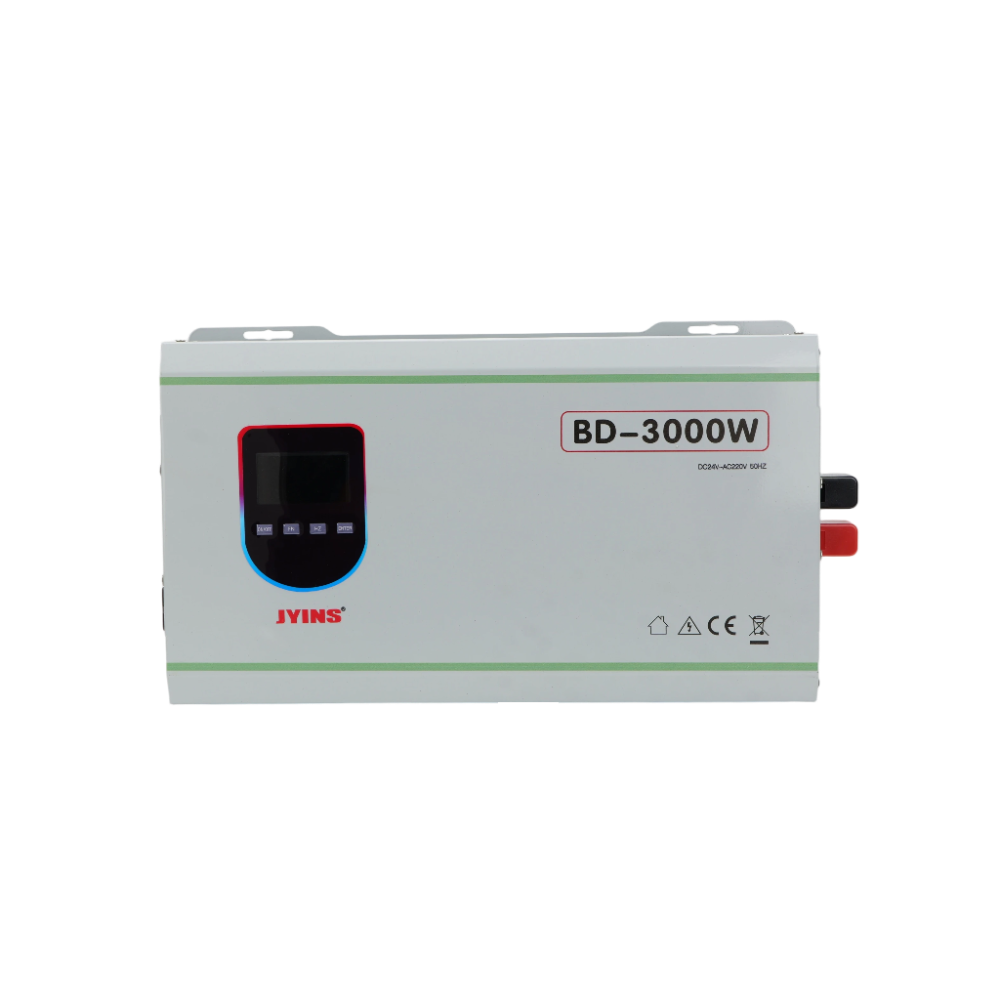
Solar inverters play a critical role in converting the direct current (DC) generated by solar panels into alternating current (AC)  used by  most  electrical appliances. Here are key specifications to evaluate when purchasing solar inverters:

Rated Power Output: This  specification indicates the maximum load the inverter can handle. It should match or exceed the total wattage  of  the connected appliances to ensure efficient operation  without overloading.

Efficiency  Rating: Look for inverters with high efficiency ratings (typically 90% or above). Higher efficiency leads to  more energy being converted from solar power, maximizing the overall performance of your solar system.

Input Voltage Range: Inverters  must accommodate the voltage produced by your solar panels. Ensure the inverter supports the voltage range to avoid compatibility issues.

Type of Inverter: There  are various types of inverters, including string inverters, microinverters, and hybrid inverters. Each type has  its advantages and  is suitable for different  applications. For instance, microinverters can optimize performance  for systems with shading  issues.

Safety Certifications: Ensure that the inverter meets international safety standards, such as  IEC or UL certifications. This not only assures quality but also compliance with local regulations.

Understanding these specifications allows buyers to select inverters that best  suit  their operational needs and ensure  long-term reliability.
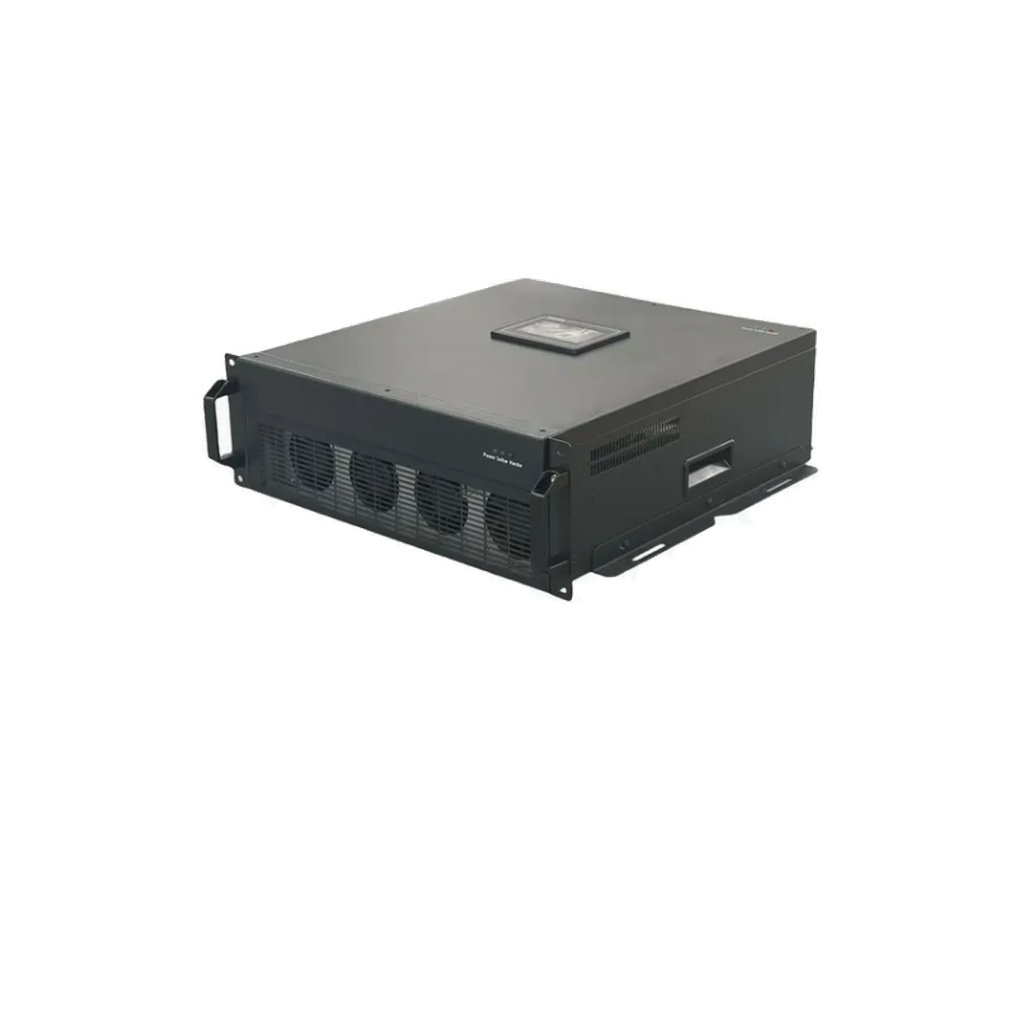
Comparing Cost Factors in Off-Grid Solar Product Purchases

Comparing Cost Factors in Off-Grid Solar Product Purchases

Off-grid solar systems are especially  beneficial for businesses located in remote areas or those looking to reduce  their reliance on fossil fuels. Here are critical components and considerations for B2B buyers:

Solar Panels: High-quality solar panels are essential for maximizing energy production. Consider the panel type (monocrystalline or  polycrystalline) based on efficiency and space constraints.

Battery Storage: Incorporating battery storage allows businesses to store excess  energy generated during sunny days for  use during low sunlight periods. Evaluate battery capacity and chemistry (e.g., lithium-ion vs. lead-acid) based  on  your  energy  consumption patterns.

Charge Controllers: These devices regulate the voltage  and current coming from the solar panels to prevent battery overcharging.  Selecting a suitable charge controller type (PWM or MPPT)  can enhance  system efficiency.

Installation Requirements: Assess the installation conditions and requirements. Ensure that your installation team  is experienced with off-grid systems to avoid common  pitfalls that could affect performance.


Maintenance and Support: Consider ongoing  maintenance needs and the availability of technical support  from suppliers. A reliable supplier will offer warranties and assistance to address potential  issues that may arise.

By focusing on these components, B2B buyers can develop off-grid solar  systems tailored to their specific energy needs and operational challenges.

Where to Source Reliable Wholesale Off-Grid Solar Supplies

Where to Source Reliable Wholesale Off-Grid Solar Supplies

When placing  bulk orders for off-grid solar equipment, various cost factors come into play:

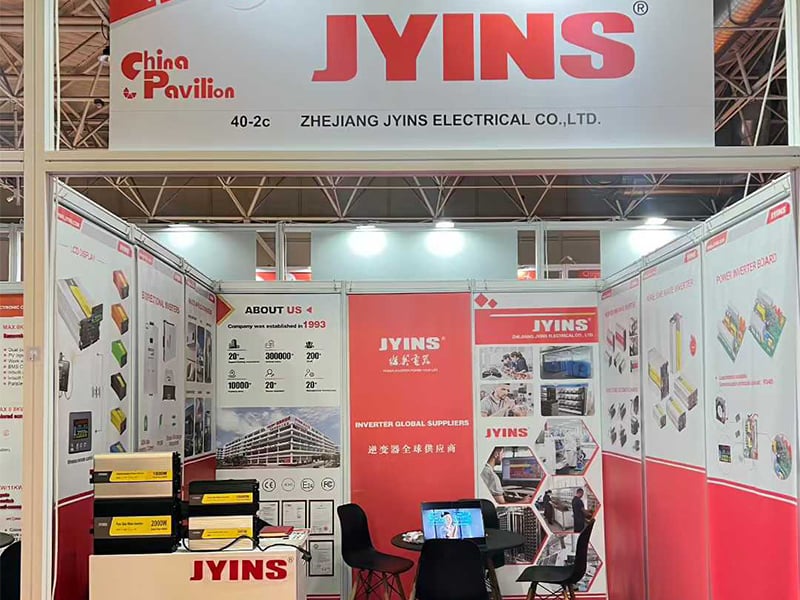
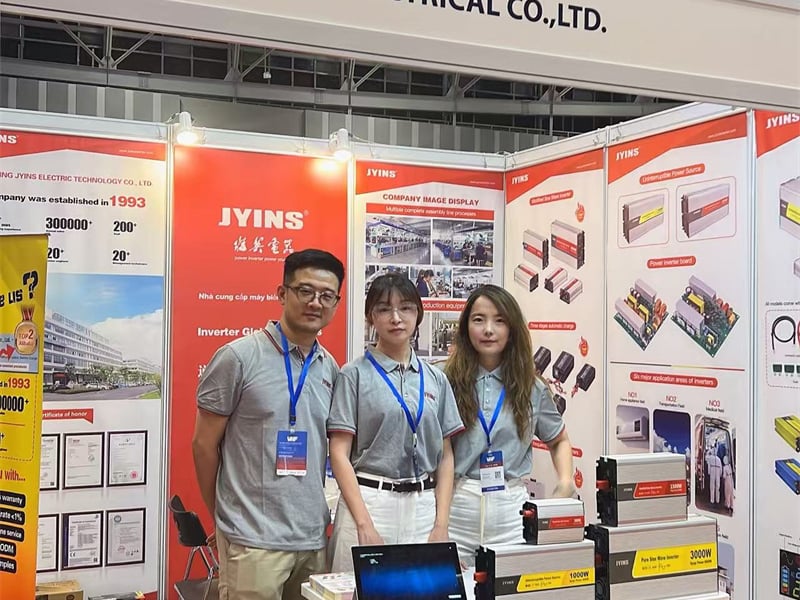
Volume Discounts: Many manufacturers, such  as Zhejiang Jyins Electrical Co., LTD, offer discounts on larger orders. Understanding the minimum order quantities (MOQ) required for bulk pricing is crucial for budget planning.

Shipping  and Logistics: Evaluate shipping costs  and logistics involved in transporting  equipment. Factors such as distance, shipping methods, and import duties can significantly impact the total  cost.

Customization  Fees: If specific customization  is required  (e.g., branding or specialized configurations), inquire about potential additional costs. Custom solutions may offer advantages but could  also increase overall expenses.

Payment Terms: Discuss payment terms  with suppliers. Flexible payment options can aid  cash flow  management,  especially for larger  purchases.

Warranty  and Service  Agreements: Consider the  warranty period and service  agreements offered,  as these can affect long-term costs related to maintenance and replacements.

Understanding these factors will help B2B buyers negotiate better pricing and terms for their solar equipment purchases.

Understanding Material Advantages in Solar Product Performance

Despite the benefits of off-grid  solar systems, several common  issues can arise.  Here are some typical problems and recommended solutions:

Insufficient Energy Production: This can occur due to shading, incorrect sizing, or panel orientation. Regularly assess panel placement and consider using tracking systems to optimize sunlight exposure.  If energy production is consistently low,  evaluate your energy consumption patterns  to ensure your system meets  your needs.

Battery Failure: Batteries can degrade if  not maintained properly. Regularly check battery  health, ensure correct  charging cycles, and replace batteries according to manufacturer recommendations to  avoid system failures.

Inverter Issues: Inverters may face operational failures due to overload, temperature, or electrical  faults. Monitor inverter performance regularly and ensure adequate ventilation to prevent overheating. Have a backup inverter on hand for critical operations to mitigate  downtime.

Technical Support Limitations: Some buyers may face challenges when seeking technical support  for their systems. Establish relationships with reliable suppliers who provide comprehensive customer service and  technical assistance.

By anticipating these issues and implementing preventative measures, B2B  buyers can enhance the reliability and efficiency of their off-grid solar systems.


In summary,  understanding the nuances of off-grid solar products,  including product specifications, system components, and potential issues, empowers  B2B buyers to make informed decisions that align with their operational goals and sustainability objectives.

How to Evaluate Supplier Reliability for Solar Equipmen

When selecting off-grid solar products, it is crucial to assess your project’s specific energy requirements and environmental conditions. Consider the following factors:

Energy Consumption: Calculate the total wattage needed to power your devices. This will help you determine the size and number of solar panels, inverters, and  batteries  required. Understanding your daily  energy usage is vital to avoid under-sizing or over-sizing your system.


Location and  Climate: The geographical location and weather conditions can significantly impact solar energy production. Areas with higher sunlight exposure will yield better results. Research the  solar  insolation values for your area to optimize your system's performance.

System Components: Evaluate the compatibility of all system components, including solar panels, inverters,  batteries, and charge controllers. Ensure they are  designed to work together seamlessly to maximize efficiency and minimize potential disruptions. For instance, integrating a Hybrid Solar Inverter can enhance your overall system performance.

Future  Scalability: Choose  a system  that can grow  with your needs. If you anticipate expanding your  operations or increasing energy demands,  select products  that  can accommodate additional capacity without requiring a complete overhaul.

By carefully considering these factors,  B2B buyers can make informed choices that align  with their operational goals  and sustainability efforts.

Our Blog Posts

Marine Power Standards: Why Neutral-to-Ground Bonding and Galvanic Isolation are Non-Negotiable for Marine Wholesalers

15

May

Marine Power Standards: Why Neutral-to-Ground Bonding and Galvanic Isolation are Non-Negotiable for Marine Wholesalers

Introduction: The High Stakes of Marine Power Management For marine wholesalers and distributors, the maritime industry presents a unique set of challenges that go far beyond standard electrical distribution. When supplying power solutions for luxury...
View More
Sourcing Inverters for the USA Market: Understanding UL 1741 SA/SB Smart Inverter requirements.

24

Jun

Sourcing Inverters for the USA Market: Understanding UL 1741 SA/SB Smart Inverter requirements.

The Shift to Smart Inverters in the United States The solar energy landscape in the United States is highly lucrative, but it is also governed by some of the most stringent and rapidly evolving technical standards in the world. As the capacity of gri...
View More
How to Troubleshoot High Neutral Current in 3-Phase Hybrid Inverter Systems Powering Heavy Nonlinear Office Loads?

10

Sep

How to Troubleshoot High Neutral Current in 3-Phase Hybrid Inverter Systems Powering Heavy Nonlinear Office Loads?

Q: How to Troubleshoot High Neutral Current in 3-Phase Hybrid Inverter Systems Powering Heavy Nonlinear Office Loads? A: In modern B2B commercial buildings and large office parks, 3-phase hybrid inverter systems are increasingly widely deployed. Howe...
View More
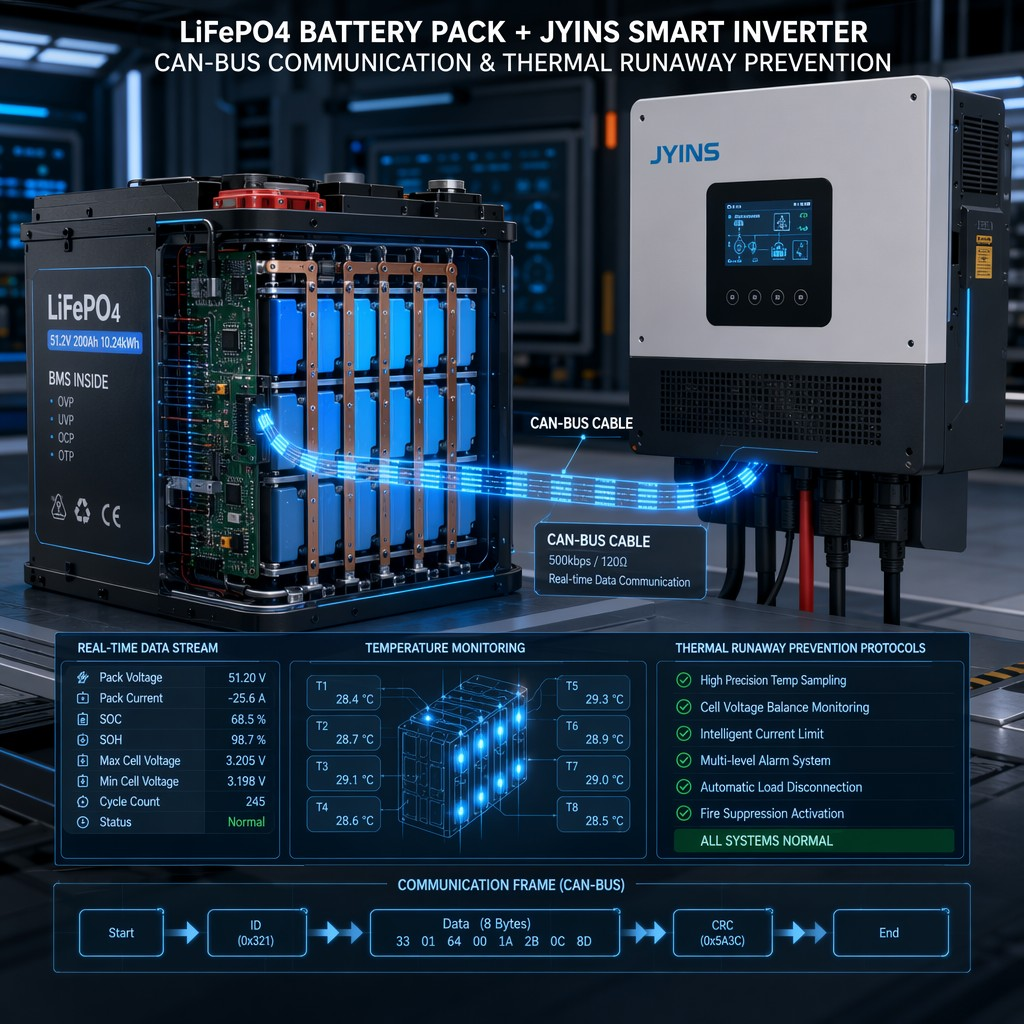
Managing LiFePO4 Battery Pack Thermal Runaway Prevention Through a Smart Inverter and BMS Protocol Handshake

10

Sep

Managing LiFePO4 Battery Pack Thermal Runaway Prevention Through a Smart Inverter and BMS Protocol Handshake

Q: What are the key steps in managing LiFePO4 battery pack thermal runaway prevention through a smart inverter and BMS protocol handshake? A: As lithium iron phosphate (LiFePO4) batteries are widely adopted in B2B energy storage projects, battery saf...
View More

Get a Free Quote

Our representative will contact you soon.
Email
Mobile
Name
Company Name
Products of Interest
Message
0/1000
Current Source Active Filter for Off-Grid Solar Systems

Get a Free Quote

Our representative will contact you soon.
Email
Mobile
Name
Company Name
Products of Interest
Message
0/1000