WiFi Solar Charge Controller: Key Considerations & Tips

Get a Free Quote

Our representative will contact you soon.
Email
Mobile
Name
Company Name
Products of Interest
Message
0/1000

wifi solar charge controller

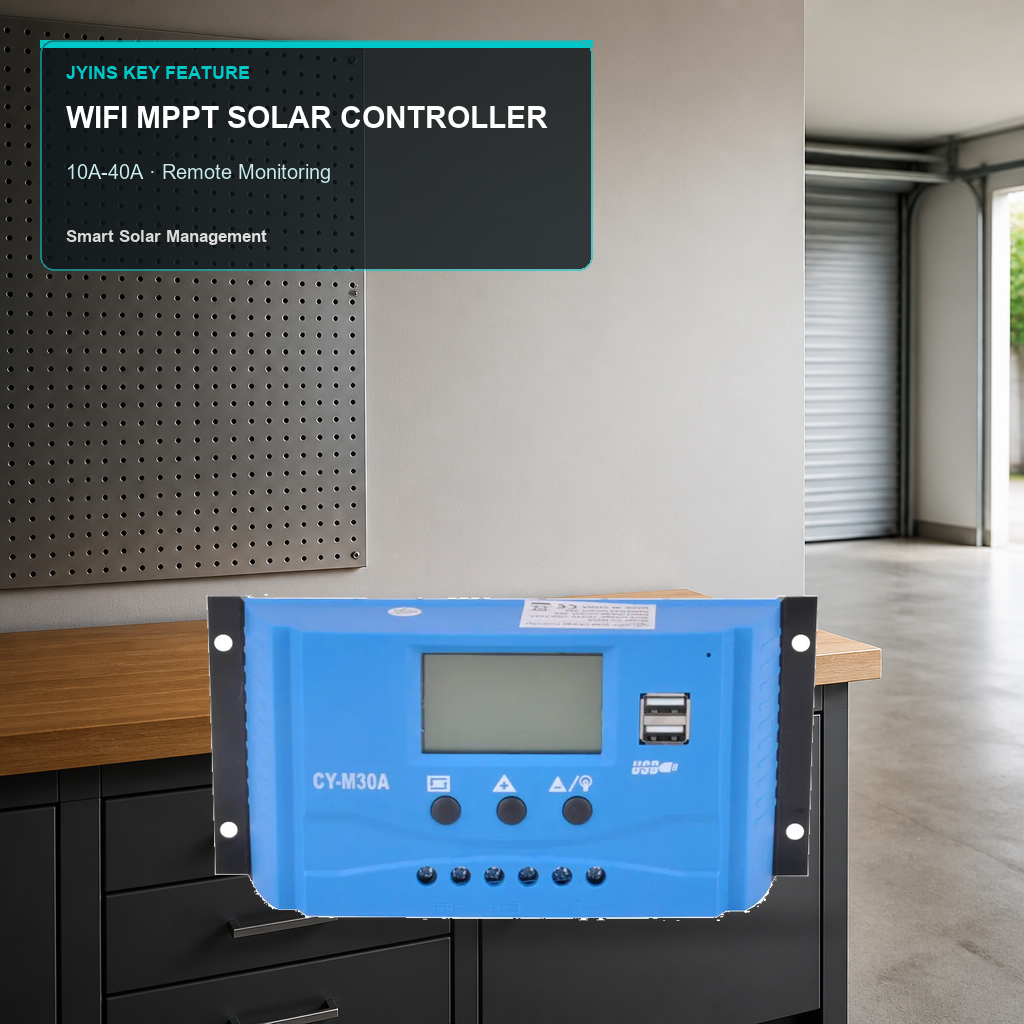
A WiFi solar charge  controller is a crucial device that  manages  the energy produced  by solar panels,  optimizing  battery  charging and enhancing the overall  efficiency of solar  energy systems. For purchasing  managers and engineers in the  B2B sector, understanding the specifics of  these controllers is essential  to ensure  that the  selected units meet project requirements and performance standards. This article will  provide  insights into  key considerations when selecting a WiFi solar  charge controller, evaluating its quality, wholesale purchasing tips, ideal applications, and common issues you may encounter.
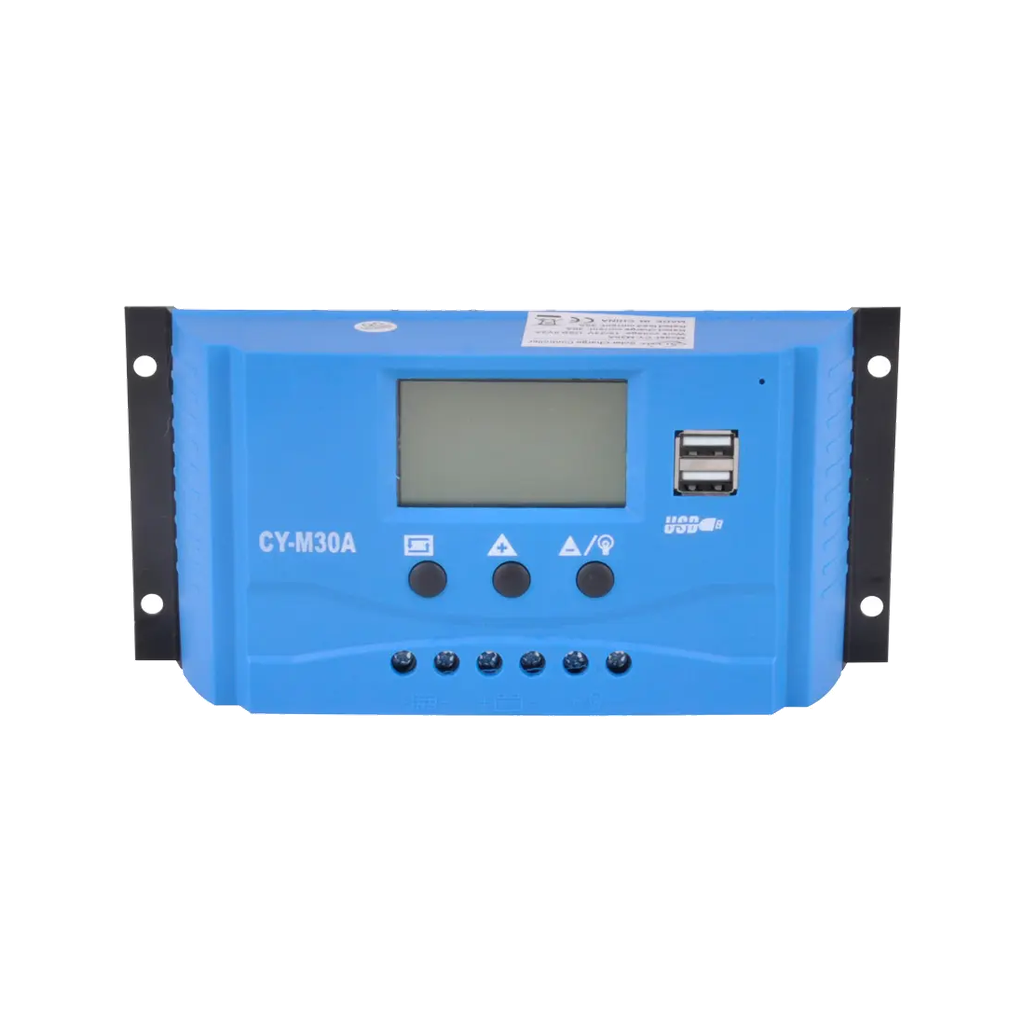
How to Evaluate the Quality of WiFi Solar Charge Controllers

How to Evaluate the Quality of WiFi Solar Charge Controllers

Quality evaluation of WiFi  solar charge controllers involves several critical aspects:

Material and Build Quality: Inspect the materials used in the controller, such as housing and circuit components. High-quality materials improve durability and performance under varying environmental conditions.

Certifications: Check for international certifications, such as ISO9000,  which indicate adherence to quality  management  standards. This  is particularly important for manufacturers like  Zhejiang Jyins Electrical Co., LTD, known for maintaining high-quality production standards.

Performance Testing: Request performance test results from the  manufacturer, including efficiency ratings  and operational limits. These metrics provide insight into how the controller performs under different conditions.

Customer  Reviews  and References: Seek feedback from other users,  particularly in similar applications, to gauge  reliability and performance over time.

Warranty and Support: Ensure that a robust warranty and customer support  system is in  place. A longer warranty period can be indicative of  the manufacturer’s confidence in their  product.

By focusing on these quality  indicators, buyers can select reliable WiFi  solar charge controllers that meet their functional and durability  requirements.
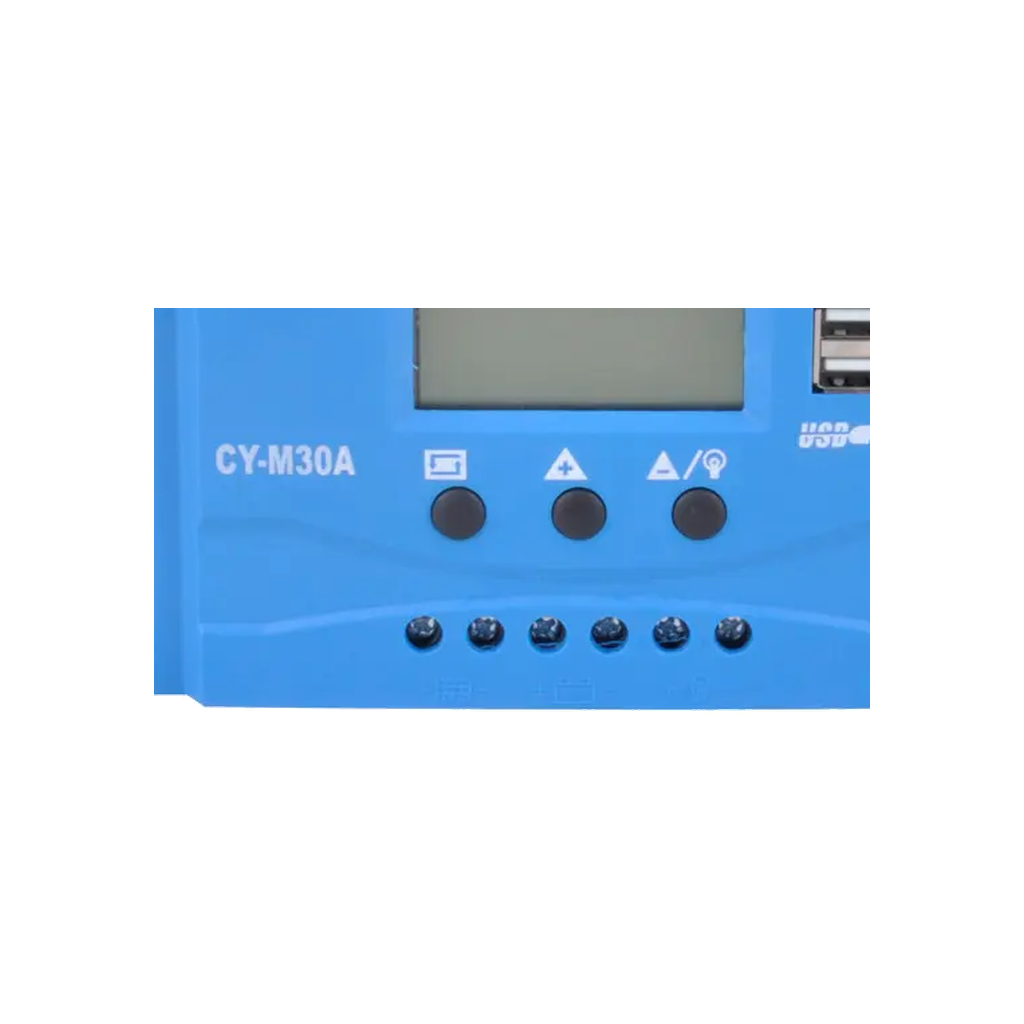
Wholesale Purchasing Guide for WiFi Solar Charge Controllers

Wholesale Purchasing Guide for WiFi Solar Charge Controllers

When considering wholesale purchases of  WiFi solar charge controllers, it is crucial to follow a structured approach:

Minimum Order Quantity (MOQ): Understand the MOQ set by the manufacturer. This can vary significantly and may influence your purchasing strategy.

Pricing Structure: Inquire about  bulk pricing discounts, which can significantly reduce costs  per unit. Be  sure to analyze how pricing  varies based on order size and  payment terms.

Lead Time: Discuss production and shipping lead times, especially if you are working on a project with tight deadlines. Ensure that the  manufacturer  can meet  your timelines.

Customization Options: Check if the manufacturer  offers customization capabilities, such as specific branding,  features, or configurations that may suit your unique requirements.

Sample Requests: Before committing to  a large  order, request samples  to evaluate the product firsthand. This allows you  to test  compatibility and performance in your  specific application, especially if you are looking into integrating a Battery Charger into your setup.

By adhering to these guidelines, purchasing managers can streamline their procurement  process and ensure they receive the best value  for their investment.

Best Applications for WiFi Solar Charge Controllers in Projects

Best Applications for WiFi Solar Charge Controllers in Projects

WiFi solar  charge controllers are well-suited for various applications, particularly  in off-grid scenarios. Some of  the ideal applications include:

Remote Monitoring Systems: In applications where access to the solar  system is  limited, WiFi-enabled controllers allow for remote monitoring of performance, battery status, and  energy production via mobile devices.

Telecommunications: Used in remote telecom stations, these controllers ensure consistent power supply to communication equipment, reducing reliance on diesel generators and lowering operational costs.

Home Energy Systems: Residential solar  setups benefit from WiFi solar charge controllers by allowing homeowners to  monitor energy use and system  performance  efficiently.

Agricultural Applications: These controllers can be integrated into solar water pumping systems and remote irrigation  setups, providing reliable power without the need for  grid connection.

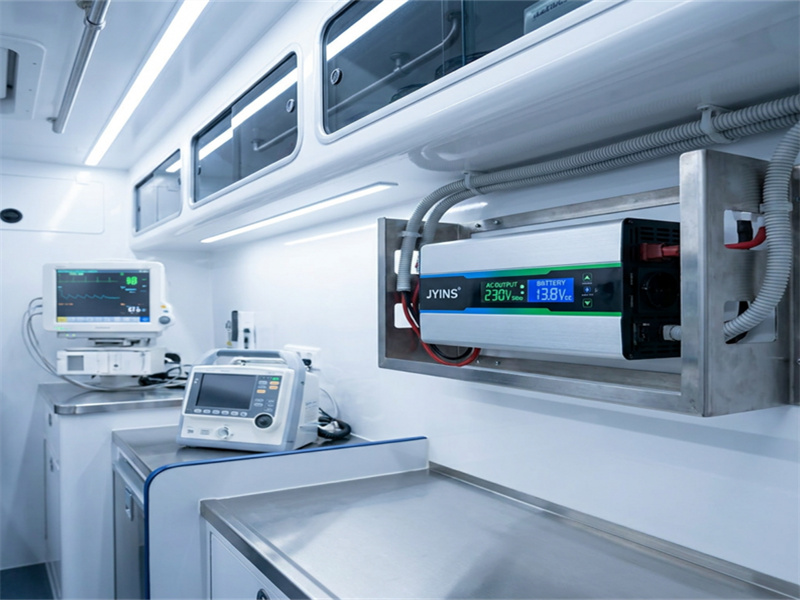
Emergency Backup  Systems: In situations requiring backup power, such as hospitals or emergency response centers, WiFi solar charge controllers can enhance the reliability  of solar energy systems.

Understanding these  applications helps prospective buyers identify the right  solution  for their specific project needs.

Common Problems with WiFi Solar Charge Controllers and Solutions

While WiFi solar charge controllers are  generally  reliable, several common  issues can arise:

Connectivity  Issues: WiFi connectivity can be unreliable due to weak signals  or interference. Solutions  include positioning the controller closer to the router or utilizing signal boosters to enhance connectivity.

Overcharging: If the controller is not properly configured,  batteries may be overcharged, leading to reduced lifespan. Regularly check settings and ensure the charging parameters are correctly set based on the  battery type.

Firmware  Updates: Manufacturers often release firmware updates to improve performance or  fix bugs. Regularly check  for and install updates to maintain  optimal  functionality.

Incompatibility with Batteries: Ensure the charge controller is compatible with the type of battery being  used (e.g., lead-acid, lithium-ion). Mismatched systems  can lead to inefficiencies or damage.

Temperature Sensitivity: Controllers  may be sensitive to extreme temperatures, affecting performance. Install units in shaded or temperature-controlled environments to mitigate this  issue.

By being aware of  these common problems and their solutions, buyers can better manage their systems for improved reliability  and efficiency.

What to Consider When Choosing a WiFi Solar Charge Controller

When selecting a WiFi solar charge controller, several factors need to be considered  to ensure optimal performance and compatibility with your solar energy system.

Voltage Compatibility: Confirm that  the charge controller matches the voltage of your solar panels and battery bank. Common configurations include 12V, 24V, and 48V systems.

Charging Technology: Different  controllers  employ various charging technologies, such  as PWM (Pulse  Width Modulation) and MPPT (Maximum Power  Point  Tracking). MPPT controllers are  generally more efficient, especially in low-light conditions, making  them preferable for  larger systems. For those considering energy efficiency, integrating a Solar Panel can complement the performance of your solar charge controller.

WiFi Integration: Ensure the WiFi feature is compatible with your existing network and verify the ease of use for remote monitoring and configuration. Some systems may offer mobile apps for enhanced  functionality.

Load Control: Evaluate the load control capabilities, including the maximum load current and the ability to manage  different types of loads, which can be  essential  for specific applications.

Protection Features: Look  for built-in protections against overcharging, short circuits, and reverse polarity. These features are critical to safeguarding your investment in solar  energy systems.

By understanding these key parameters, buyers can make informed decisions tailored to their specific needs.

Our Blog Posts

Precision Power for Medical Units: Ensuring EMC Class B Compliance in Mobile Clinic Inverter Systems

15

May

Precision Power for Medical Units: Ensuring EMC Class B Compliance in Mobile Clinic Inverter Systems

Introduction: The Lifeline of Mobile Medicine In the rapidly evolving landscape of healthcare, mobile medical units—ranging from advanced life-support ambulances to remote rural clinics—have become critical front-line assets. These units ...
View More
Why do Railway and Rolling Stock applications require specialized vibration-resistant inverters?

25

Jun

Why do Railway and Rolling Stock applications require specialized vibration-resistant inverters?

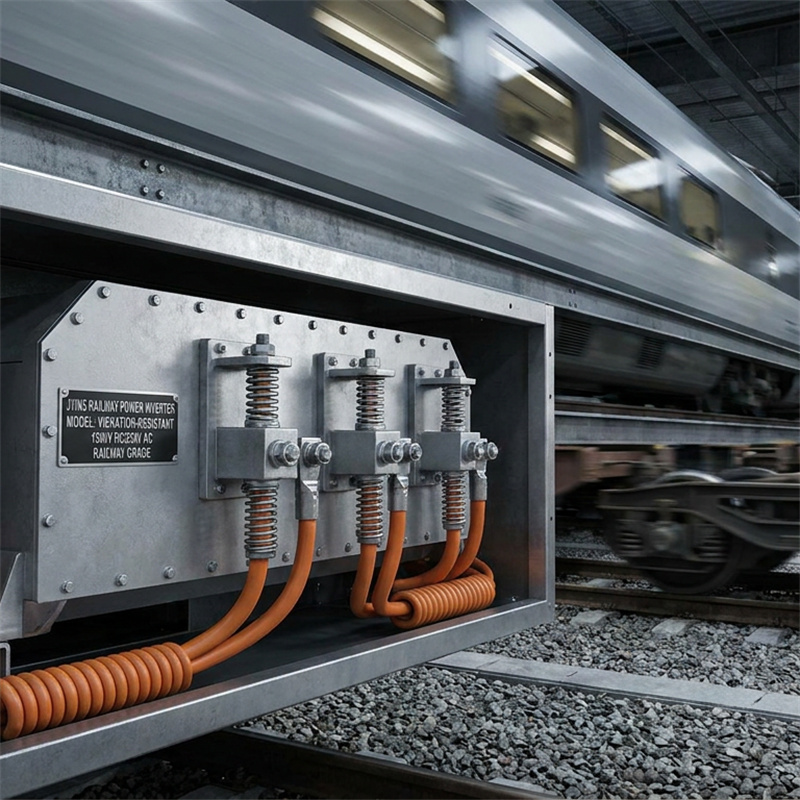
Q: Why do Railway and Rolling Stock applications require specialized vibration-resistant inverters? Introduction: The Severe Physical Demands of Rail Environments Railway transportation and rolling stock (passenger trains, high-speed rail, locomotive...
View More
Vetting the 'Peak Efficiency' vs. 'Weighted Efficiency' for industrial inverter tenders

25

Jun

Vetting the 'Peak Efficiency' vs. 'Weighted Efficiency' for industrial inverter tenders

Introduction: The Pitfalls of Peak Efficiency in Tender Evaluations In the highly competitive landscape of industrial power inverter tenders, B2B procurement directors and engineering consultants face a barrage of technical proposals from manufacture...
View More
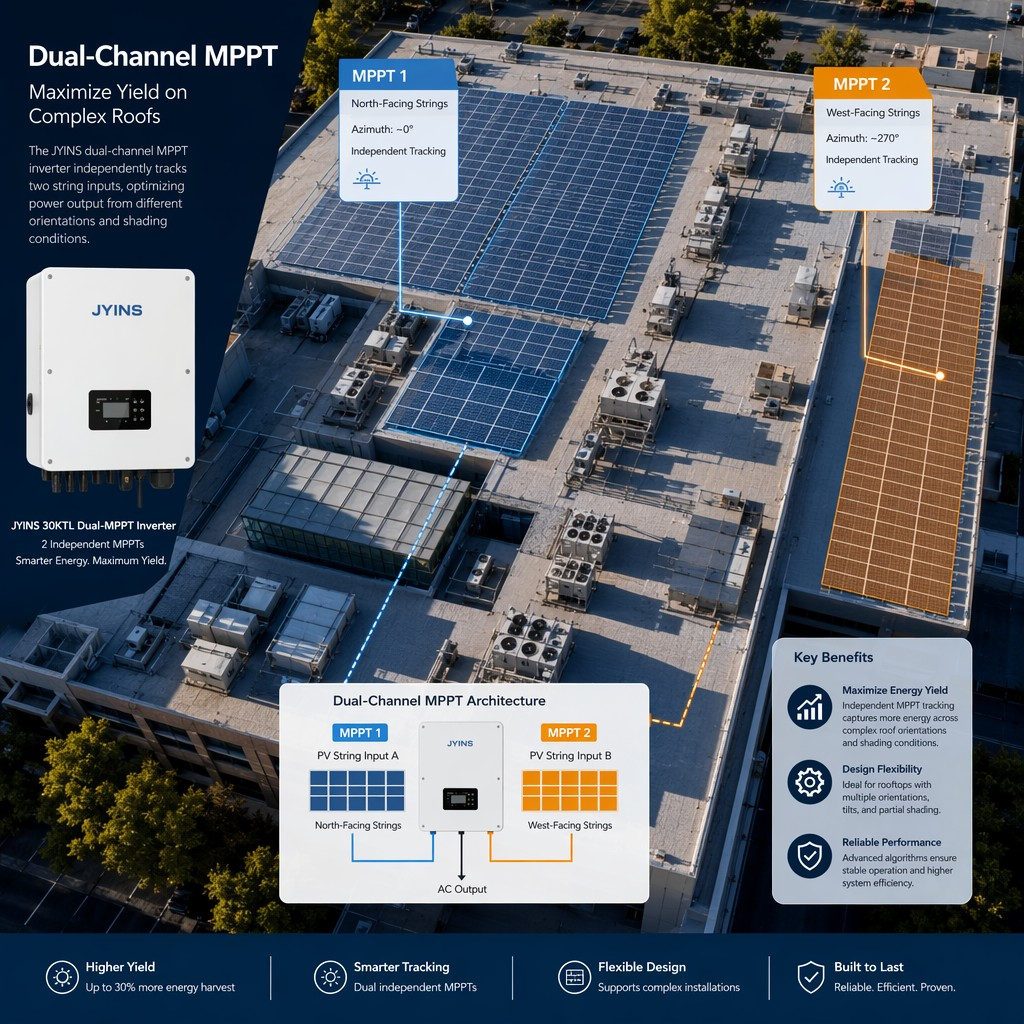
Procurement Director's Guide: How Dual-Channel MPPT Inverters Optimize Energy Yield Under Complex Commercial Roof Shading

10

Sep

Procurement Director's Guide: How Dual-Channel MPPT Inverters Optimize Energy Yield Under Complex Commercial Roof Shading

Q: Procurement Director's Guide: How Do Dual-Channel MPPT Inverters Optimize Energy Yield Under Complex Commercial Roof Shading? A: In the return on investment (ROI) calculation of B2B commercial PV projects, energy yield is the most critical variabl...
View More

Get a Free Quote

Our representative will contact you soon.
Email
Mobile
Name
Company Name
Products of Interest
Message
0/1000
WiFi Solar Charge Controller: Key Considerations & Tips

Get a Free Quote

Our representative will contact you soon.
Email
Mobile
Name
Company Name
Products of Interest
Message
0/1000