EN


A solar storage system is a crucial component of off-grid solar energy solutions, enabling users to store excess energy generated during peak sunlight hours for use during periods of low generation. For B2B buyers, understanding the specifications, quality assurance, and installation considerations of solar storage systems is vital to making informed purchasing decisions. This article will explore wholesale purchasing options, key specifications to consider, our unique selling propositions, common installation challenges, and why Zhejiang Jyins is a trusted partner in the solar products market.
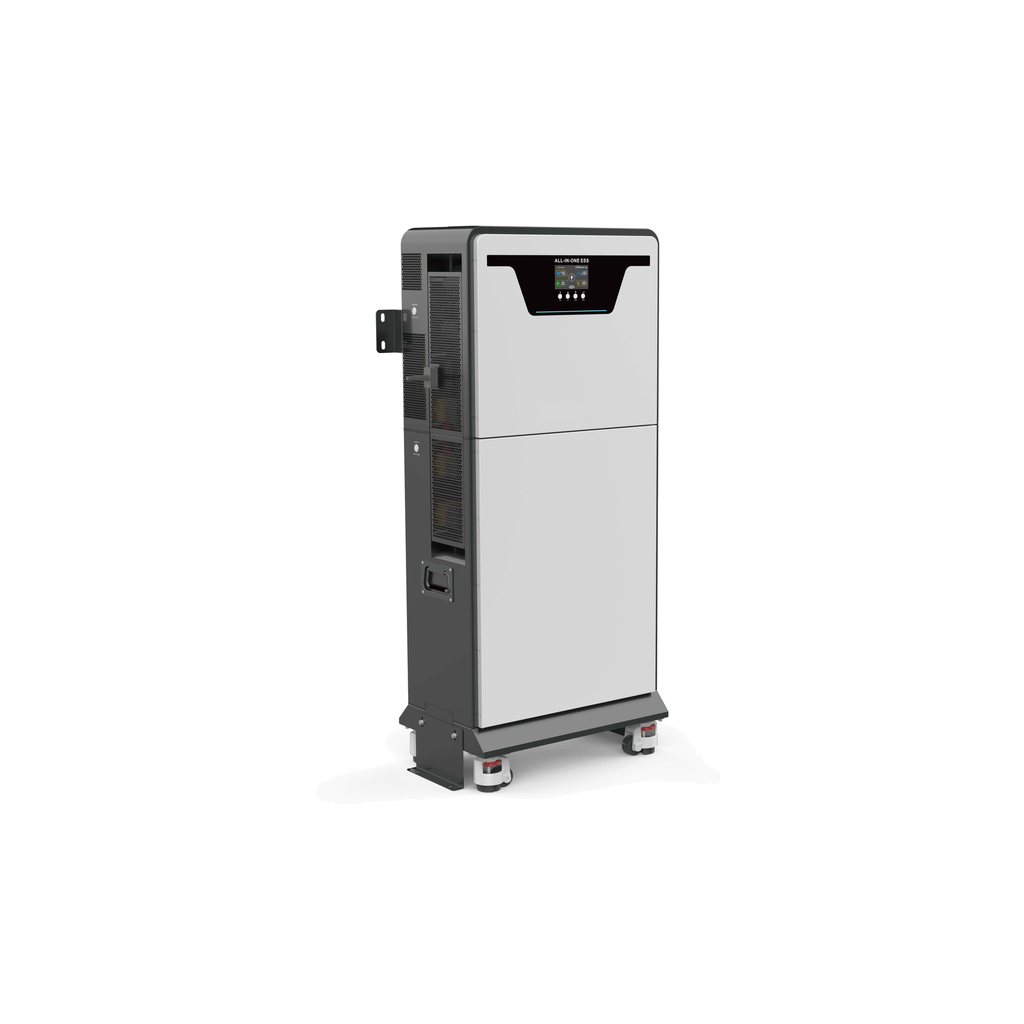
Key Specifications to Consider in Solar Storage Systems
When evaluating solar storage systems, several key specifications are critical to ensuring that the solution meets your operational needs:
Capacity: Measured in kilowatt-hours (kWh), this indicates how much energy the system can store. It's essential to choose a capacity that aligns with your energy consumption patterns to avoid shortages.
Cycle Life: This refers to the number of charge and discharge cycles a battery can undergo before its capacity significantly diminishes. A higher cycle life generally means better long-term performance and lower replacement costs.
Depth of Discharge (DoD): This indicates how much of the battery's capacity can be used before it needs recharging. A higher DoD allows for more energy use from the battery, which can enhance efficiency and reduce the need for larger storage systems.
Efficiency: This refers to the amount of energy that can be retrieved from the stored energy. Higher efficiency ratings indicate less energy loss during charging and discharging, which is crucial for maximizing the utility of the stored energy.
Compatibility: Ensure that the solar storage system is compatible with your existing solar panels and inverters. Mismatched components can lead to operational issues and reduced performance.
Understanding these specifications empowers buyers to make educated decisions that align with their energy needs and budget constraints. Furthermore, incorporating systems like the Hybrid Solar Inverter can enhance the overall performance of your solar setup.