Choosing the Right Pure Sine Wave Inverter PCB Board

Get a Free Quote

Our representative will contact you soon.
Email
Mobile
Name
Company Name
Products of Interest
Message
0/1000

pure sine wave inverter pcb board

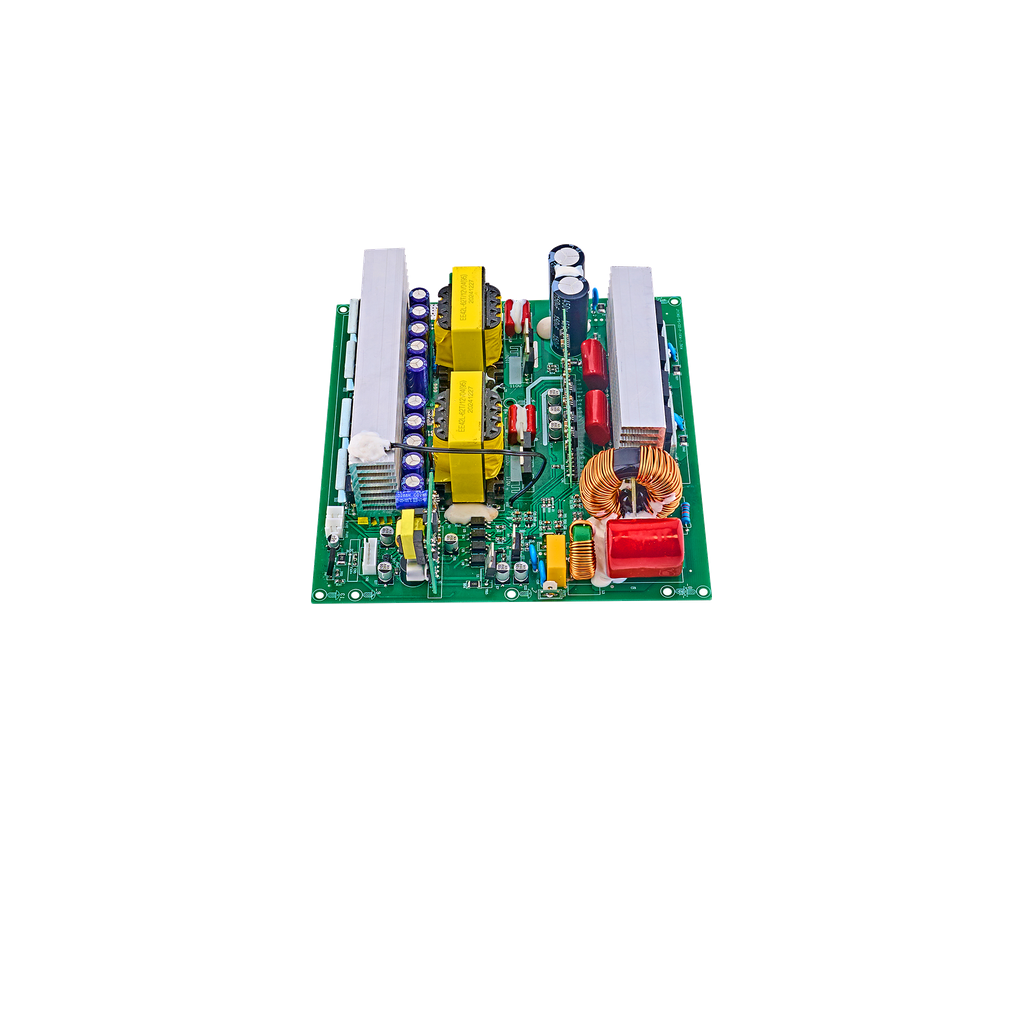
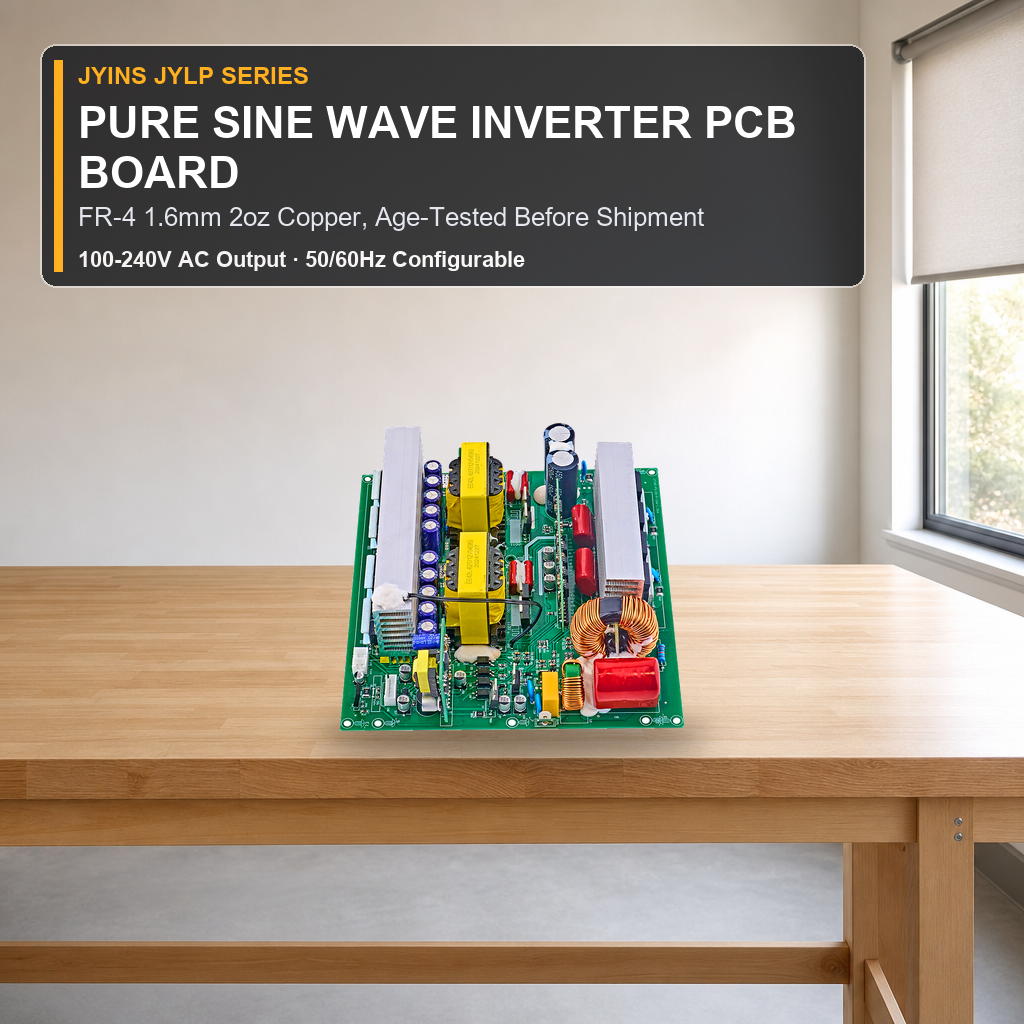
When  considering a pure sine  wave  inverter PCB board,  it's essential to understand  its specifications and how they  align  with  your  project's requirements. A  pure sine wave inverter is crucial for  converting DC electricity  into smooth, clean AC power, making it  suitable for sensitive electronics.  As you  navigate the purchasing process, this  article will help you evaluate critical aspects such as specifications, supplier reliability, key features,  and  how to select  the right board  for your needs. For instance, if you are looking for a reliable power source, you might consider checking our Power Inverter.
Benefits of Sourcing Pure Sine Wave Inverter PCB Boards Wholesale

Benefits of Sourcing Pure Sine Wave Inverter PCB Boards Wholesale

Finding a  reliable supplier for pure sine  wave inverter PCB boards involves conducting thorough research. Here are  some practical steps to identify trustworthy manufacturers:

Industry Referrals: Start by seeking recommendations from industry peers or  forums.  Networking with other professionals can lead you to reputable suppliers with proven track records.

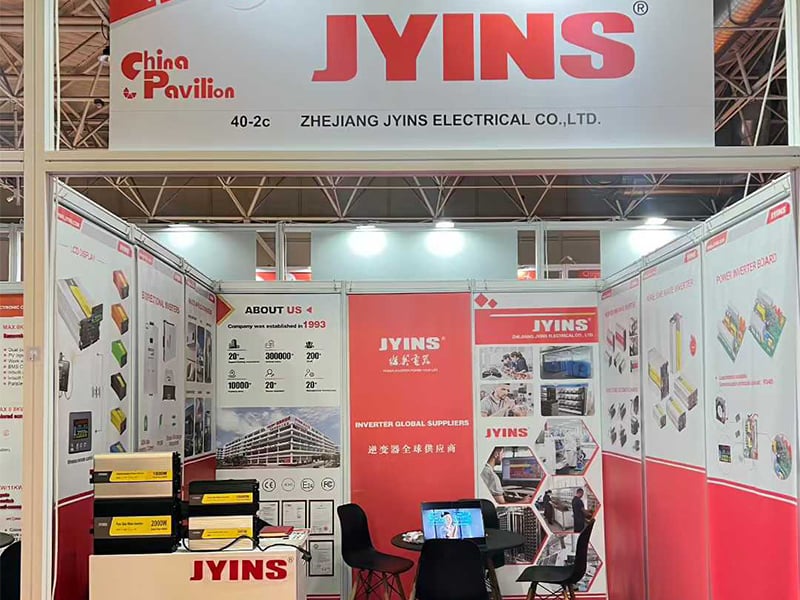
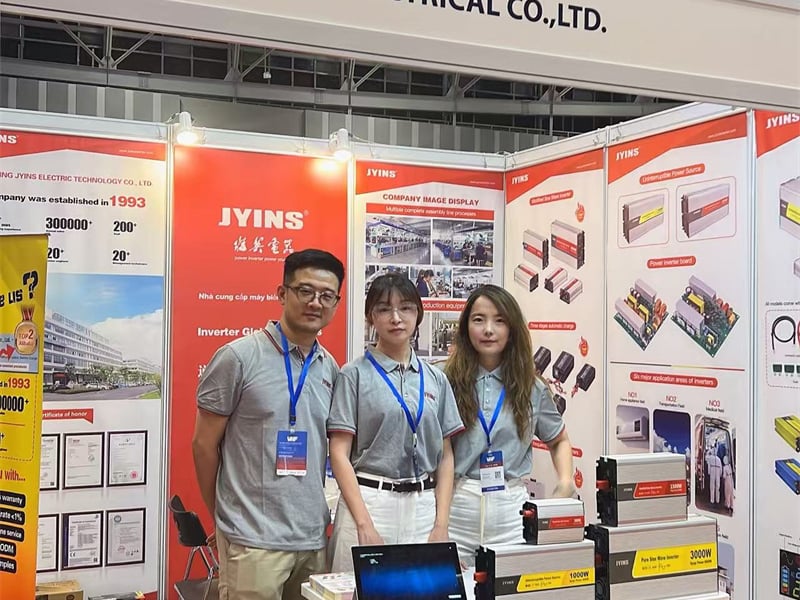
Trade Shows and Exhibitions: Attend industry-specific trade shows where manufacturers  showcase their  products.  This allows you  to meet suppliers in person,  assess  their offerings, and build relationships.

Online Marketplaces: While many suppliers list their products on popular B2B marketplaces, assess their ratings and reviews  carefully. Look for suppliers that have a history of positive feedback and  reliable service.

Certifications and  Compliance: Ensure that potential suppliers adhere to recognized quality standards, such as ISO9000. This guarantees that their products are  manufactured under  stringent quality control measures.

Request  Samples: Before placing large orders, request samples to evaluate quality and performance. Testing samples under your application conditions can reveal potential compatibility issues.

Evaluate Manufacturing Capabilities: Ensure the supplier has the requisite machinery and expertise to  meet your  specific design requirements. A supplier with advanced manufacturing capabilities can accommodate custom designs more effectively.

By methodically  evaluating potential suppliers, you can mitigate risks and ensure that the products you receive meet your quality and performance expectations.
Installation Guidelines for Pure Sine Wave Inverter PCB Boards

Installation Guidelines for Pure Sine Wave Inverter PCB Boards

When assessing pure sine wave inverter PCB boards, focus on several key features  that can significantly influence performance and reliability: 

Efficiency Ratings:  Look  for boards with high conversion efficiencies. Higher efficiency translates  to less energy loss during operation, which is essential  for applications relying on battery power. Consider using a Battery Charger to optimize your energy management.

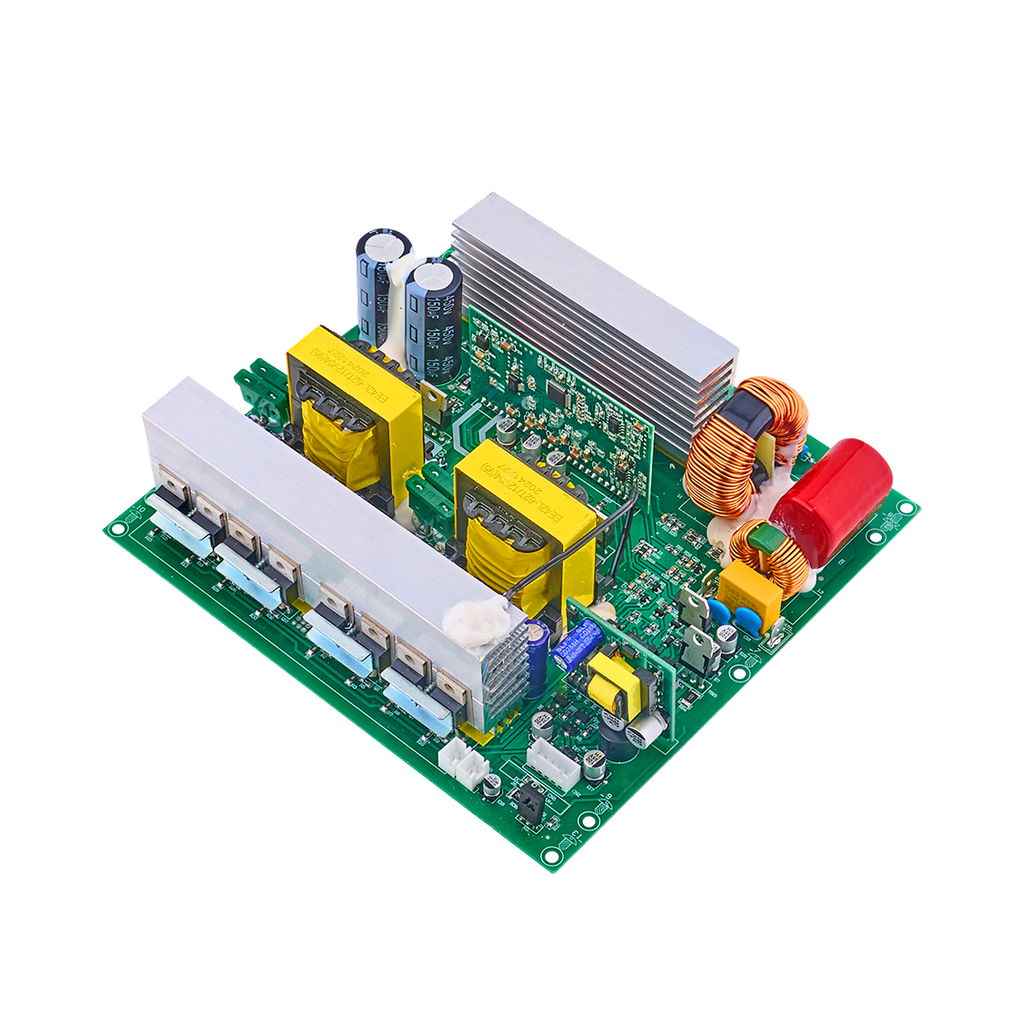
Component Quality: Check the quality of components used on the PCB, such as capacitors and inductors. High-quality components enhance durability and reduce the likelihood of failure.

Thermal Management Features: Effective thermal management is critical for maintaining performance. Look for boards with heat sinks  or thermal vias  that help dissipate heat during operation.

Protection Mechanisms: Ensure that the board includes built-in protections such as over-voltage, over-current, and thermal shutdown features.  These mechanisms safeguard both the PCB and connected devices.

Customization Options: If  your project has unique requirements, discuss customization capabilities with the supplier. Custom designs can optimize functionality and  performance for specific applications.

Testing and Validation: Inquire  about the testing processes the supplier undertakes to ensure product  reliability. Suppliers that  implement rigorous testing protocols can  provide reassurance regarding the board’s performance.

By focusing on these  features, you can better  assess the  suitability  of a pure sine wave inverter PCB board for your specific  needs.

Cost Factors to Consider for Bulk Orders of Inverter PCB Boards

Cost Factors to Consider for Bulk Orders of Inverter PCB Boards

Selecting the right pure sine wave inverter PCB board requires careful consideration of your project's  unique requirements. Here are some practical steps to guide your decision-making process:

Define Your Application Needs:  Clearly  outline the requirements of your application, including voltage, current, and power requirements. This  will help narrow down the specifications needed for the PCB.

Consider Environmental Factors: Analyze the  environmental conditions where the PCB will operate. Factors such as temperature, humidity, and exposure to elements can influence the choice of  materials and design.

Assess Compatibility: Ensure that the selected PCB is compatible with your existing inverter system.  This includes checking for physical dimensions, connectors, and circuitry. 

Evaluate Cost-Effectiveness: While it may be tempting to select the cheapest  option, consider the total cost of ownership. A higher-quality board may have a higher upfront cost but  can offer greater reliability and performance over time.

Consult with  Experts: Engaging  with engineers or technical  specialists during the selection process can provide valuable  insights. Their expertise can help  you navigate  complex specifications  and identify the best solution.

Review Supply Chain Considerations: Assess the supplier's lead times, minimum order quantities (MOQ), and shipping capabilities.  Understanding these factors can help avoid delays in your project timeline.

By  thoroughly evaluating these aspects, you can confidently select a pure sine wave inverter PCB board that meets your  project's needs and ensures successful outcomes.

What to Consider When Choosing a Pure Sine Wave Inverter PCB Board

When reviewing pure sine wave inverter PCB board specifications, several  critical  parameters must be considered to ensure optimal performance.

Voltage  Rating: This indicates the maximum voltage the PCB can  handle without risk  of failure. Ensure that the  voltage rating aligns with your application, as exceeding this can lead to catastrophic failures.

Current Capacity: Look for the maximum current the board can sustain. Higher current ratings allow for  greater loads, which is especially important for applications with variable power requirements.

Material Composition: The  PCB material, typically FR-4 or similar composites, affects thermal management and  durability.  Ensure  the material can withstand the operational conditions, including temperature variations.

Layer Count: Multi-layer boards can support more complex circuits and better thermal dissipation. If your design includes numerous components, a higher layer count may be necessary.

Operating Temperature Range: Confirm that the board's  operating temperature fits within your project's expected environment. Boards used in extreme  conditions  must be rated accordingly to prevent failure.

Quality Control  Certifications: Look for boards that comply with international quality standards such as ISO9000. This ensures that the products meet strict quality requirements throughout  the manufacturing process.

These specifications not only  impact  performance but also dictate the  compatibility of the PCB with your inverter’s requirements. Buyers should verify these details with their suppliers before proceeding  with an order.

Our Blog Posts

How to Avoid Common Pitfalls in High-capacity UPS Procurement

10

Apr

How to Avoid Common Pitfalls in High-capacity UPS Procurement

When looking to buy a high capacity uninterruptible power supply (UPS), its important to know the common mistakes that buyers usually make. A big UPS can keep your equipment runing smooth when power goes out, but if your not careful you might pick wr...
View More
How to calculate Harmonic Distortion (THD) impact on sensitive B2B laboratory equipment?

25

Jun

How to calculate Harmonic Distortion (THD) impact on sensitive B2B laboratory equipment?

Introduction to Power Quality in Sensitive Environments In B2B sectors such as medical diagnostics, scientific research, and high-tech product development, laboratory equipment represents a massive capital investment. Instruments such as gas chromato...
View More
Why is Neutral-to-Ground Bonding often the hidden cause of RCD tripping in off-grid workshops?

25

Jun

Why is Neutral-to-Ground Bonding often the hidden cause of RCD tripping in off-grid workshops?

Introduction to Off-Grid Electrical Grounding In standard grid-connected buildings, electrical grounding and safety protection are managed by the utility provider and strict local building codes. Safety devices like Residual Current Devices (RCDs) or...
View More
Analyzing the ROI of 'Remote Monitoring' dashboards for B2B fleet power management

25

Jun

Analyzing the ROI of 'Remote Monitoring' dashboards for B2B fleet power management

Introduction: The Modern B2B Fleet and Its Power Needs For commercial service fleets, mobile medical clinics, utility repair trucks, and long-haul logistics providers, vehicles are no longer just a means of transportation. They have transformed into ...
View More

Get a Free Quote

Our representative will contact you soon.
Email
Mobile
Name
Company Name
Products of Interest
Message
0/1000
Choosing the Right Pure Sine Wave Inverter PCB Board

Get a Free Quote

Our representative will contact you soon.
Email
Mobile
Name
Company Name
Products of Interest
Message
0/1000