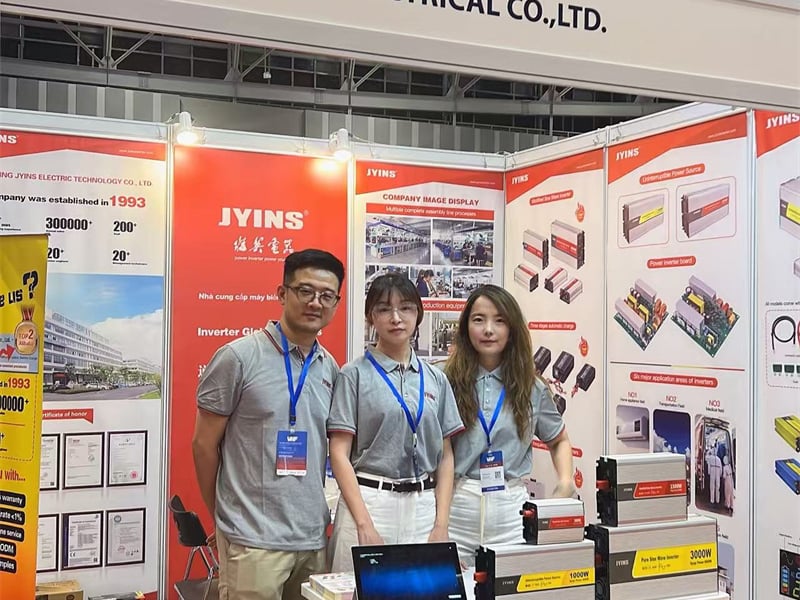
Key Considerations for Portable Power Sources

Get a Free Quote

Our representative will contact you soon.
Email
Mobile
Name
Company Name
Products of Interest
Message
0/1000

Portable power source for camping

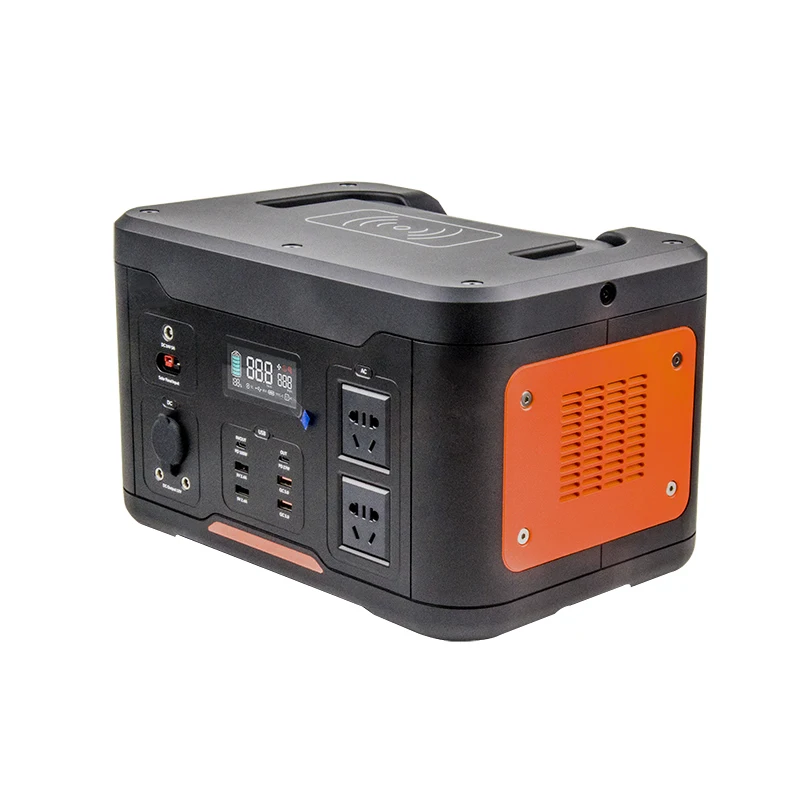
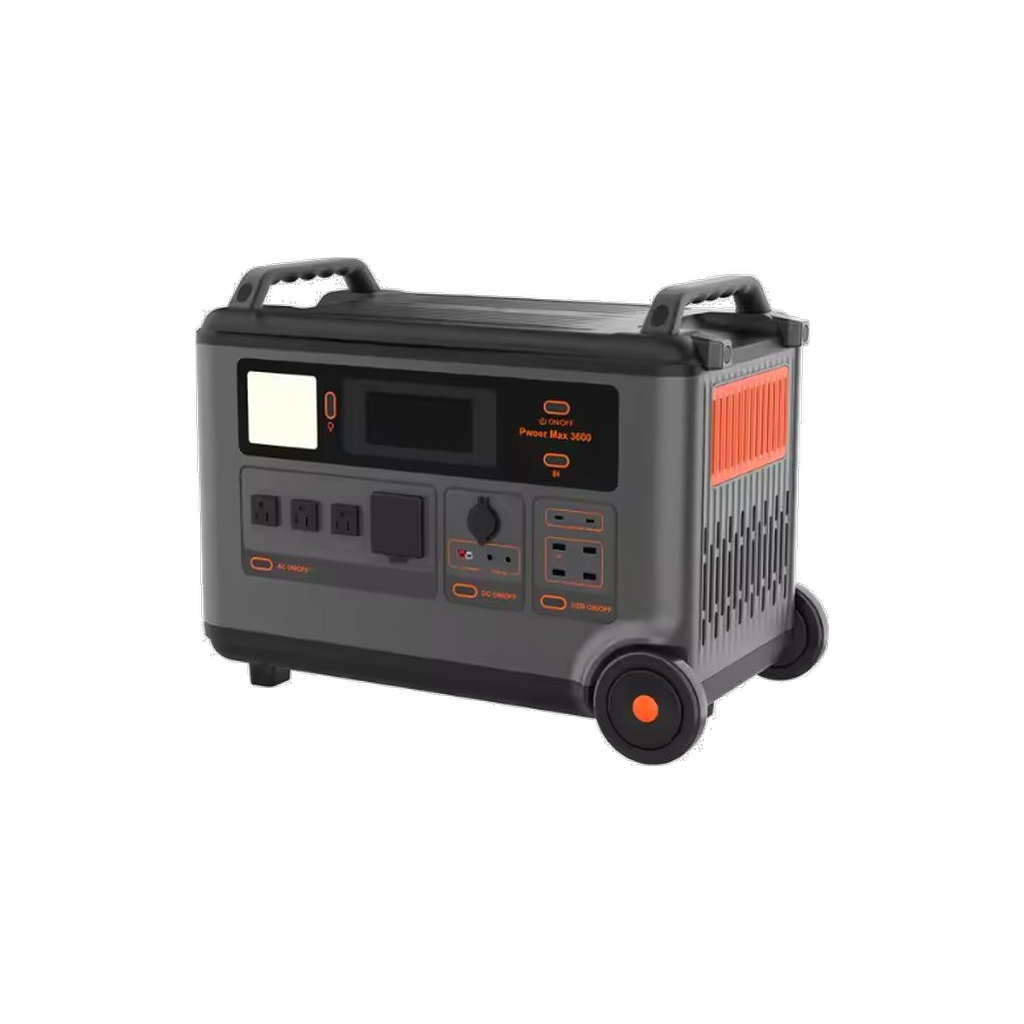
Portable power sources for camping are essential for outdoor enthusiasts seeking a reliable energy supply away from traditional power grids. These devices provide the necessary electricity to charge devices, power appliances, and support various camping activities. Buyers, including purchasing managers and product managers, often prioritize factors such as capacity, durability, and ease of use when evaluating portable solar inverter. This article aims to clarify the key considerations, technical specifications, pricing factors, installation guidance, and the features and benefits buyers should look for when choosing a portable power source for camping. 
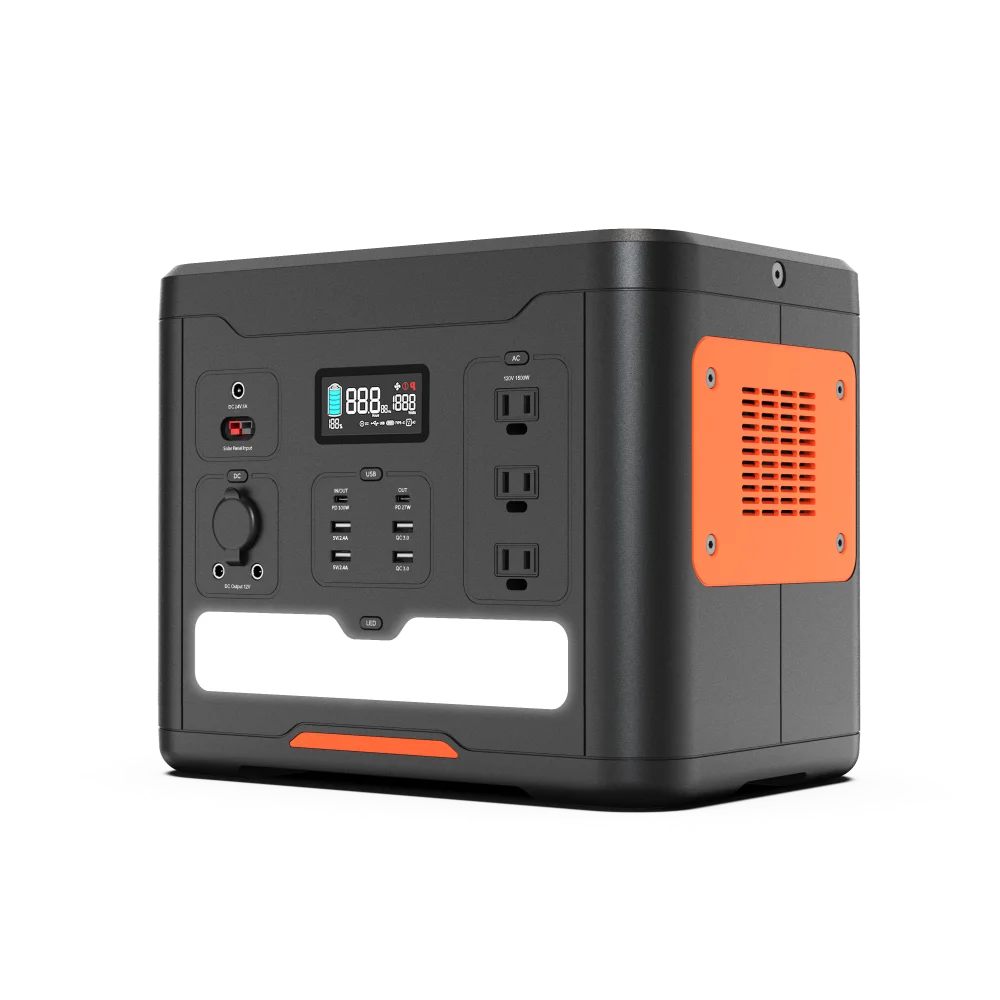
Our Products

Technical Specifications of Portable Power Sources for Camping

Technical Specifications of Portable Power Sources for Camping

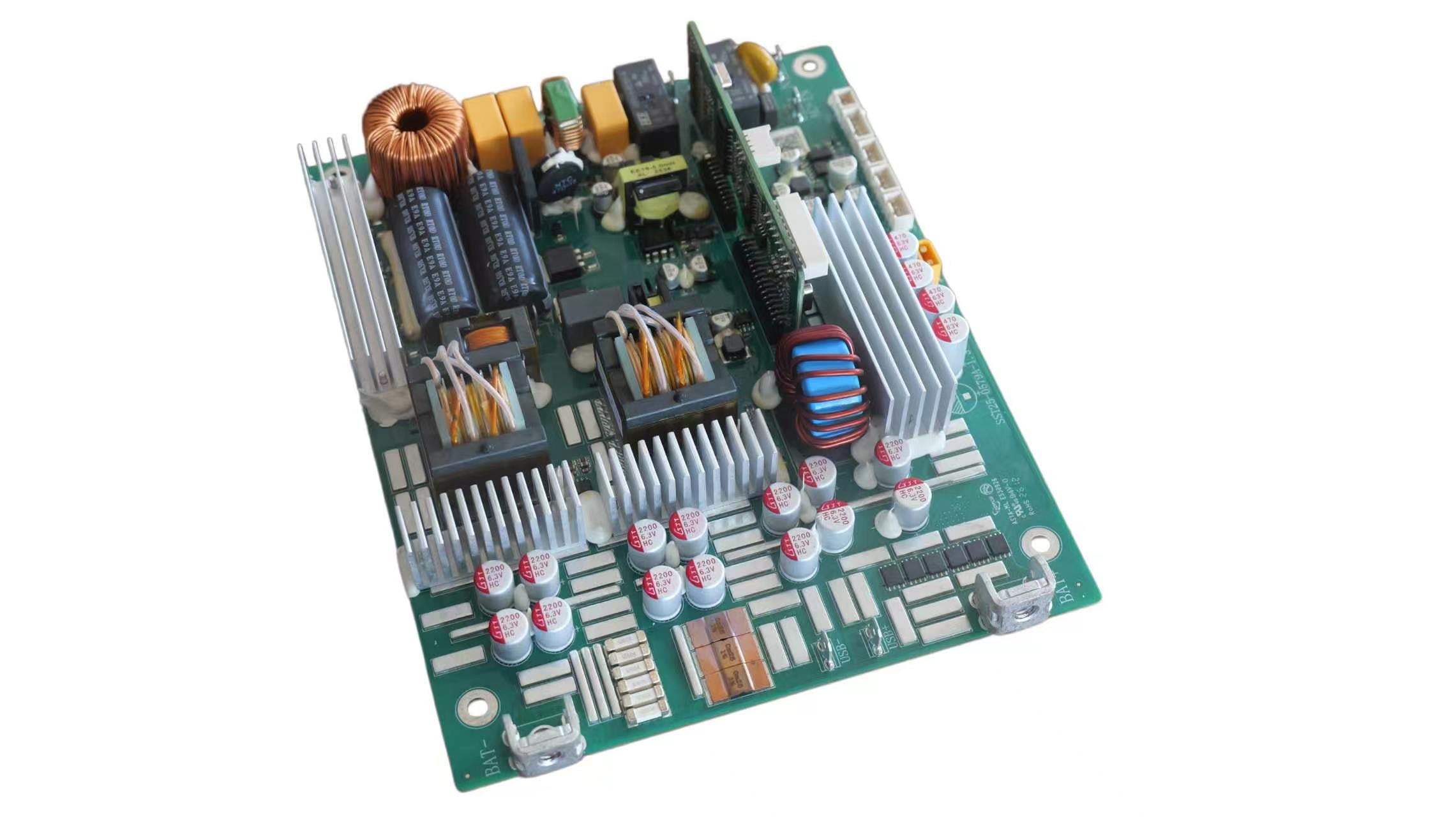
Understanding the technical specifications of portable power sources is essential for making an informed purchase. Key specifications include:  

Battery Type: Lithium-ion batteries are common due to their efficiency and lifespan compared to traditional lead-acid batteries. They offer higher energy density and faster charging times. 

Output Ports: Look for multiple output options, including AC outlets, USB ports, and DC outputs. This versatility enables users to power a variety of devices simultaneously. 

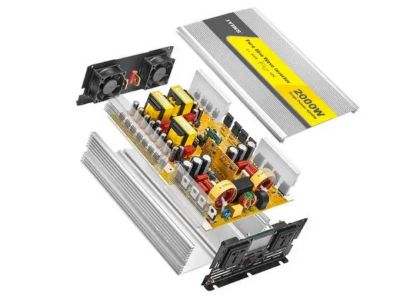
Inverter Rating: The inverter rating, measured in watts, defines the maximum load the power source can handle. Ensure it matches or exceeds the total wattage of devices intended for use. 

Recharge Time: Consider how quickly the unit can be recharged, particularly if it will be used frequently. Fast recharge times can enhance usability during extended trips. 

Cycle Life: This indicates the number of charge and discharge cycles a battery can endure before its capacity significantly diminishes. Higher cycle life translates to better long-term value. 

By understanding these specifications, buyers can select a power source that aligns with their specific camping needs.
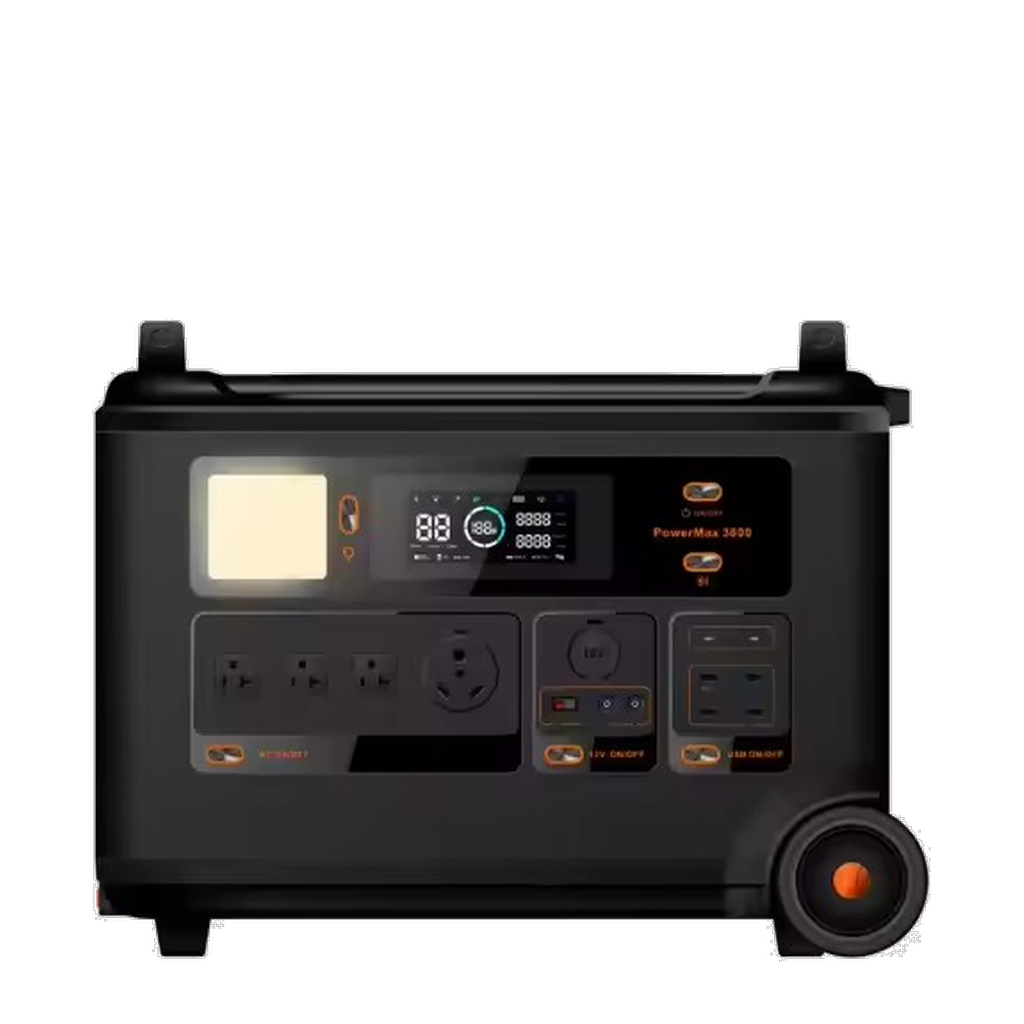
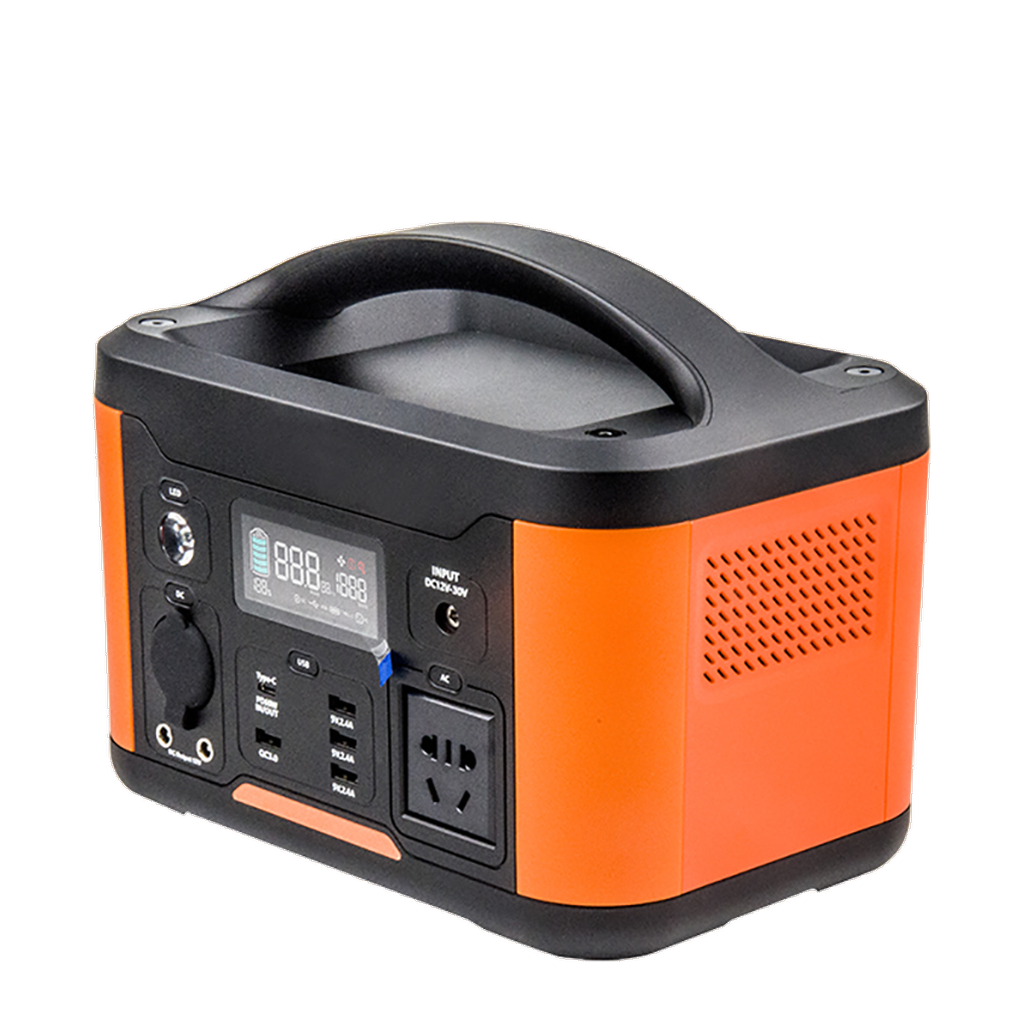
Understanding Pricing for Portable Power Sources

Understanding Pricing for Portable Power Sources

Pricing for portable power sources for camping can vary significantly based on features, capacity, and brand. Basic models may start around $100, while more advanced units with higher capacities and additional features can exceed $1,000. 

Factors influencing price include: 

Battery Capacity: Higher watt-hour ratings typically come at a premium. Buyers should weigh the cost against their expected usage to determine if the investment is justified. 

Brand and Warranty: Established brands with proven track records may charge more, but they often offer better warranties and customer support, which can be crucial for B2B buyers. 

Additional Features: Units with integrated solar panels, advanced charging technology, or built-in safety features may command higher prices but provide added convenience and security. 

By understanding these pricing dynamics, buyers can better navigate budgeting for their portable power source needs.

Installation Guidance for Portable Power Sources in Camping Scenarios

Installation Guidance for Portable Power Sources in Camping Scenarios

Installing a Jyins portable power source for camping is generally straightforward, but proper setup ensures optimal performance. Here are some guidelines: 

Location Selection: Choose a stable, dry surface for the power source. Avoid areas prone to flooding or excessive moisture, as this can damage the unit.  

Ventilation: Ensure proper airflow around the power source, especially if it generates heat during charging or usage. Avoid placing it in enclosed spaces. 

Connecting Devices: Use appropriate cables and connectors for devices. Verify that the total wattage of all connected devices does not exceed the power source's inverter rating. 

Solar Charging Setup: If using solar panels, position them for maximum sun exposure. Ensure they are securely attached to avoid shifting or damage during use. 

Regular Maintenance Checks: Before and after each camping trip, check the battery's condition, cable integrity, and for any signs of wear or damage. 

By following these guidelines, buyers can maximize the performance and lifespan of their portable power sources.

Features and Benefits for Buyers

When evaluating Jyins portable power sources for camping, several key features and benefits stand out: 

Portability: Lightweight and compact designs make it easier to transport power sources, ensuring they fit seamlessly into camping gear.  

Multiple Charging Options: The ability to charge from various sources (solar, wall outlets, car chargers) enhances flexibility and accessibility, particularly in remote areas. 

Safety Features: Built-in protection mechanisms, such as overcharge protection and short-circuit prevention, are essential for safe operation, minimizing the risk of accidents. 

User-Friendly Interfaces: Intuitive displays and controls simplify operation, allowing users to monitor battery levels and charging status easily. 

Environmental Impact: Many portable power sources are designed with eco-friendly materials and offer solar charging options, appealing to environmentally conscious consumers. 

These features not only enhance the user experience but also provide buyers with long-term value, making them critical considerations during the purchasing process. 

By understanding these aspects, buyers can make informed decisions that will enhance their camping experience while ensuring they have a reliable portable solar generator.

Key Considerations

When selecting a Jyins portable power source for camping, buyers should consider several critical factors. First and foremost is the power capacity, typically measured in watt-hours (Wh). This determines how long the power source can run devices before needing a recharge. Buyers should assess their energy needs based on the devices they plan to use, such as lights, cooking equipment, or charging electronics. 

Durability and weather resistance are also vital, as camping environments can be harsh. A robust design can prevent damage from moisture or impact, ensuring longevity. Additionally, weight and size are crucial for transportability. A lightweight unit that fits easily into camping gear is preferable. 

Lastly, users should evaluate charging options. Many portable power station can be charged via solar panels, wall outlets, or car chargers. Solar compatibility is particularly appealing for off-grid camping, as it allows for sustainable energy sourcing.

Frequently Asked Questions

What are the main features of this portable power source?

Compact, lightweight design with high-capacity battery, pure sine wave inverter, multiple output ports (AC, DC, USB), solar input ready, LCD status display, and built-in safety protections.
Yes. Designed for camping and off-grid applications with durable casing, quiet operation, solar charging compatibility, and enough runtime for lighting, small appliances, phones, and CPAP devices.
Runtime depends on device load. Typical small device use (phones, lights) lasts many hours; medium loads (mini-fridge) run several hours. See product specification for exact capacity-to-runtime estimates.
Recharge via AC mains, car DC outlet, or compatible solar panels. Solar input supports off-grid charging and recharging time varies with panel wattage and sunlight conditions.
Manufactured under ISO9000-driven processes with professional engineering oversight. Standard warranty covers defects; specifics vary by model and region—contact our support for detailed terms.

Our Blog Posts

Comparison of Commercial UPS Performance - Lead-acid versus Lithium-ion

01

Apr

Comparison of Commercial UPS Performance - Lead-acid versus Lithium-ion

Choosing the right uninterruptible power supply (UPS) is really important for businesses. It keep machines going when power cut out. There is two popular battery types for UPS: lead-acid and lithium-ion. Each one got its good points and bad points. A...
View More
The impact of Middle Eastern 'Sand-Storm' environments on Inverter Air-Filter and sealing maintenance.

24

Jun

The impact of Middle Eastern 'Sand-Storm' environments on Inverter Air-Filter and sealing maintenance.

The Hostile Solar Environment of the Middle East The Middle East, particularly the Gulf Cooperation Council (GCC) countries such as Saudi Arabia, the United Arab Emirates, Oman, and Qatar, represents one of the world's most attractive regions for uti...
View More
How to implement 'Soft-Start' logic for massive capacitive loads in off-grid telecom shelters?

24

Jun

How to implement 'Soft-Start' logic for massive capacitive loads in off-grid telecom shelters?

The Capacitive Load Dilemma in Remote Telecom Infrastructure Off-grid telecommunication shelters are the backbone of global connectivity, housing transmission equipment, microwave links, and cellular transceivers in remote, unattended locations. To e...
View More

Get a Free Quote

Our representative will contact you soon.
Email
Mobile
Name
Company Name
Products of Interest
Message
0/1000

Related product categories

Key Considerations for Portable Power Sources

Get a Free Quote

Our representative will contact you soon.
Email
Mobile
Name
Company Name
Products of Interest
Message
0/1000