EN


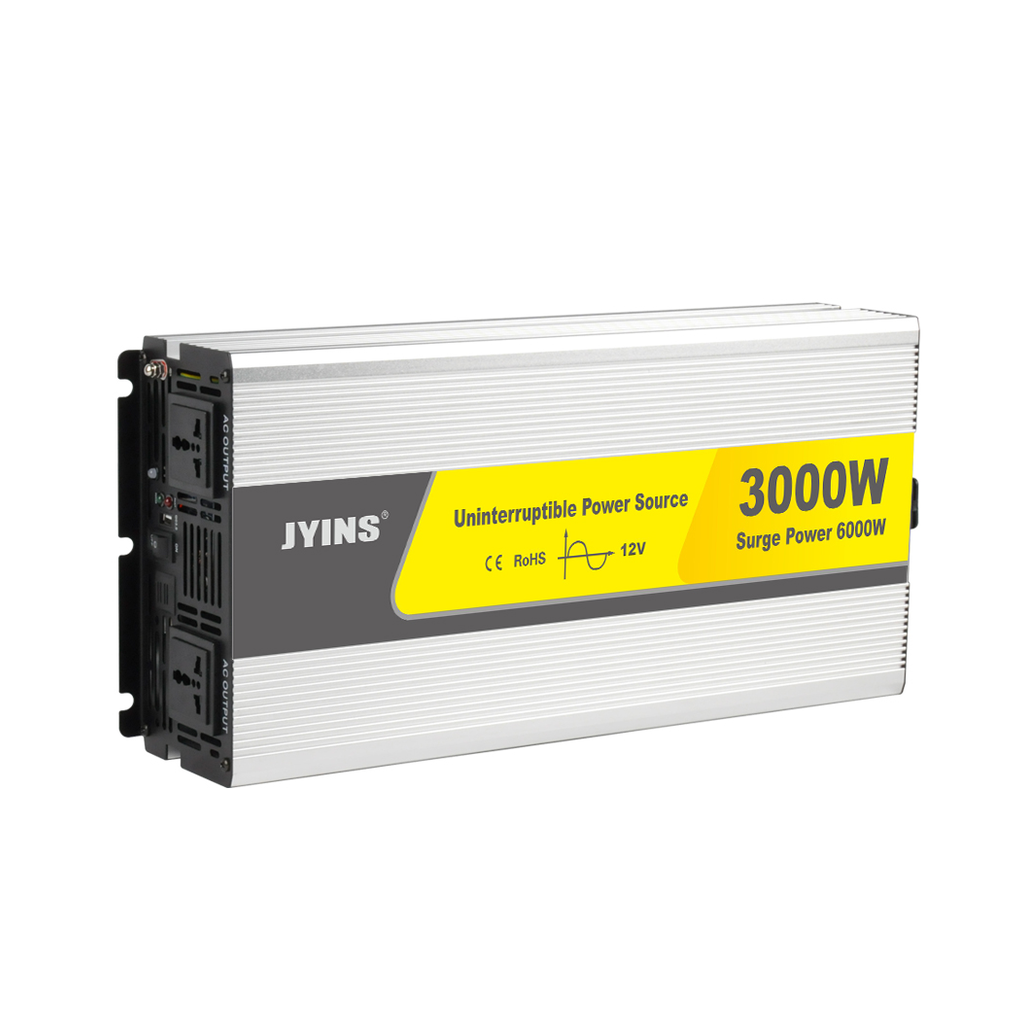
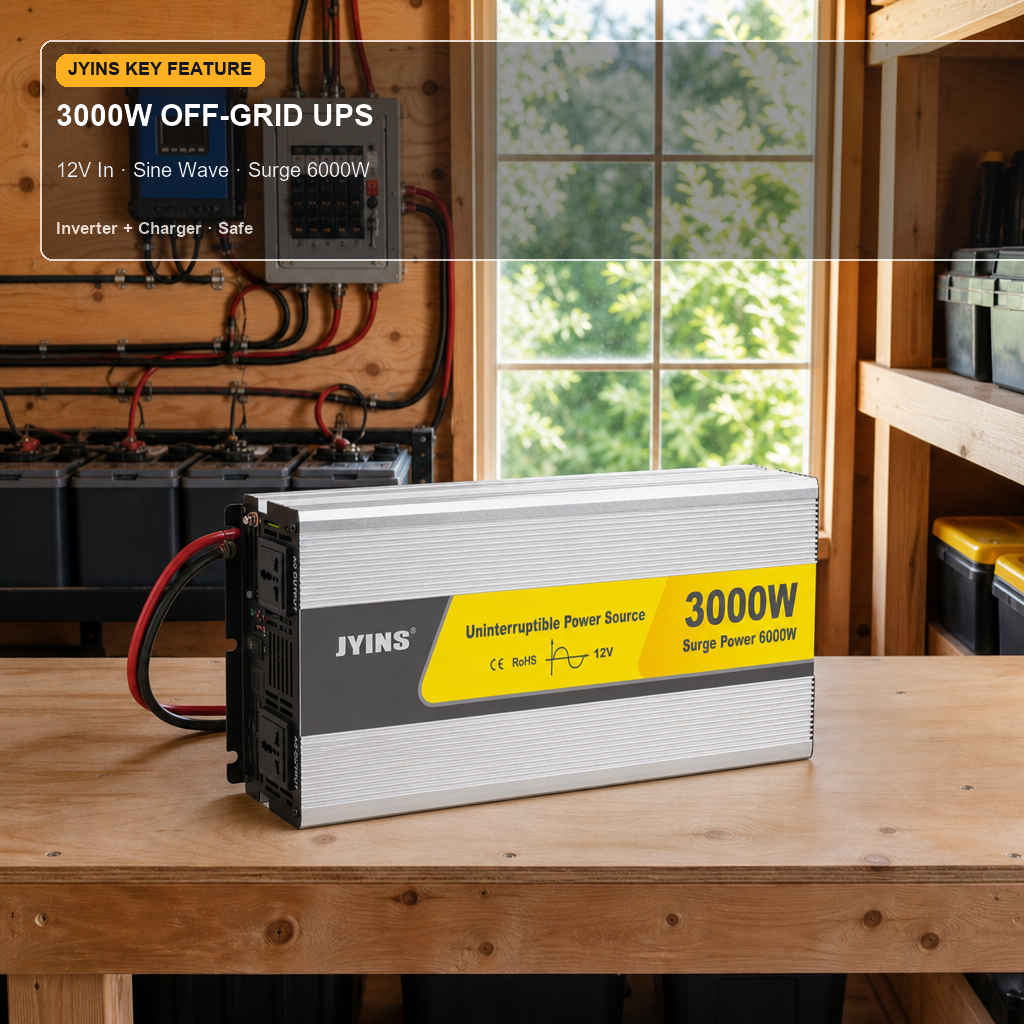
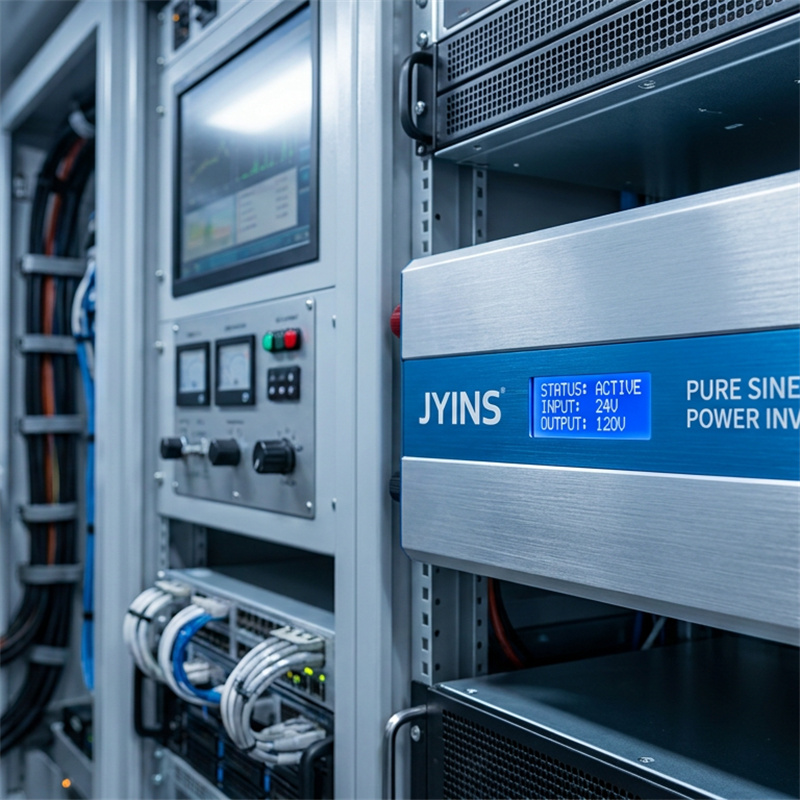
Offgrid Uninterruptible Power Supplies (UPS) are essential systems designed to provide backup power in locations where traditional grid power inverter is unavailable or unreliable. These systems ensure continuous operation of critical equipment, making them indispensable for industries ranging from telecommunications to healthcare. When selecting an offgrid UPS, B2B buyers must consider various factors, including specifications, installation requirements, and potential challenges. This article will guide you through important aspects of offgrid UPS systems, helping you make informed purchasing decisions.
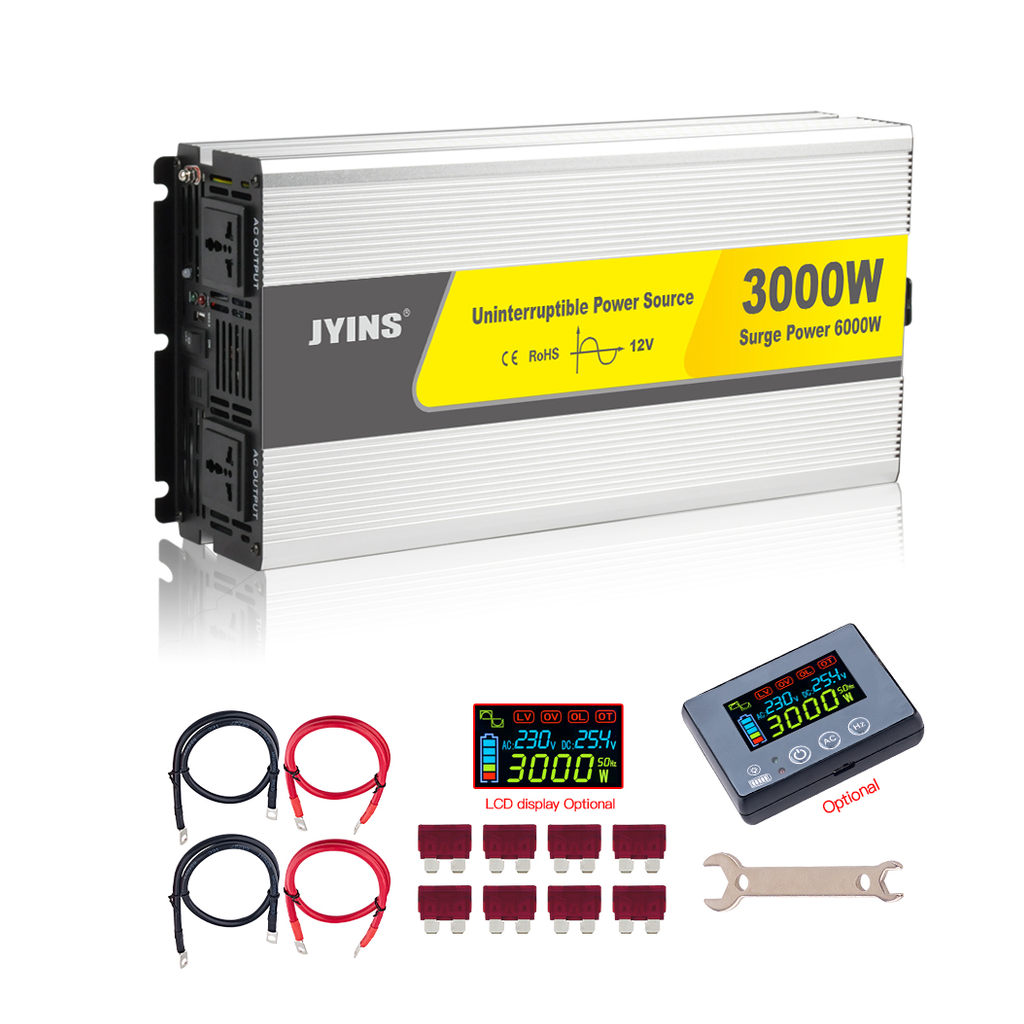
Key Specifications to Evaluate in Offgrid Uninterruptible Power Supplies
When evaluating offgrid UPS systems, key specifications should be prioritized to ensure the selected model meets your operational needs. These include:
Power Rating (VA/W): The power rating indicates the maximum load the UPS can support. Ensure it exceeds your total load requirements to avoid overloading.
Battery Capacity (Ah): Measured in ampere-hours, battery capacity determines how long the Offgrid Uninterruptible Power Supplies can supply power during an outage. A larger capacity is essential for longer runtimes.
Waveform Output: Offgrid UPS systems typically produce either modified sine wave or pure sine wave output. Pure sine wave is recommended for sensitive electronic equipment to prevent damage and ensure proper operation.
Efficiency Ratings: Higher efficiency ratings minimize energy losses, which can lead to reduced operational costs over time. Look for models with efficiencies above 90%.
Charging Time: The time required to recharge the batteries after a power outage is crucial. A shorter charging time is beneficial for maintaining operations.
Inverter Type: Offgrid UPS systems may use different inverter technologies (e. g., PWM, MPPT) that can affect efficiency and compatibility with solar power systems. Consider your energy source when evaluating inverter types.
Understanding these specifications allows buyers to assess the suitability of offgrid UPS systems for their specific applications, ultimately leading to more informed purchasing decisions.