EN


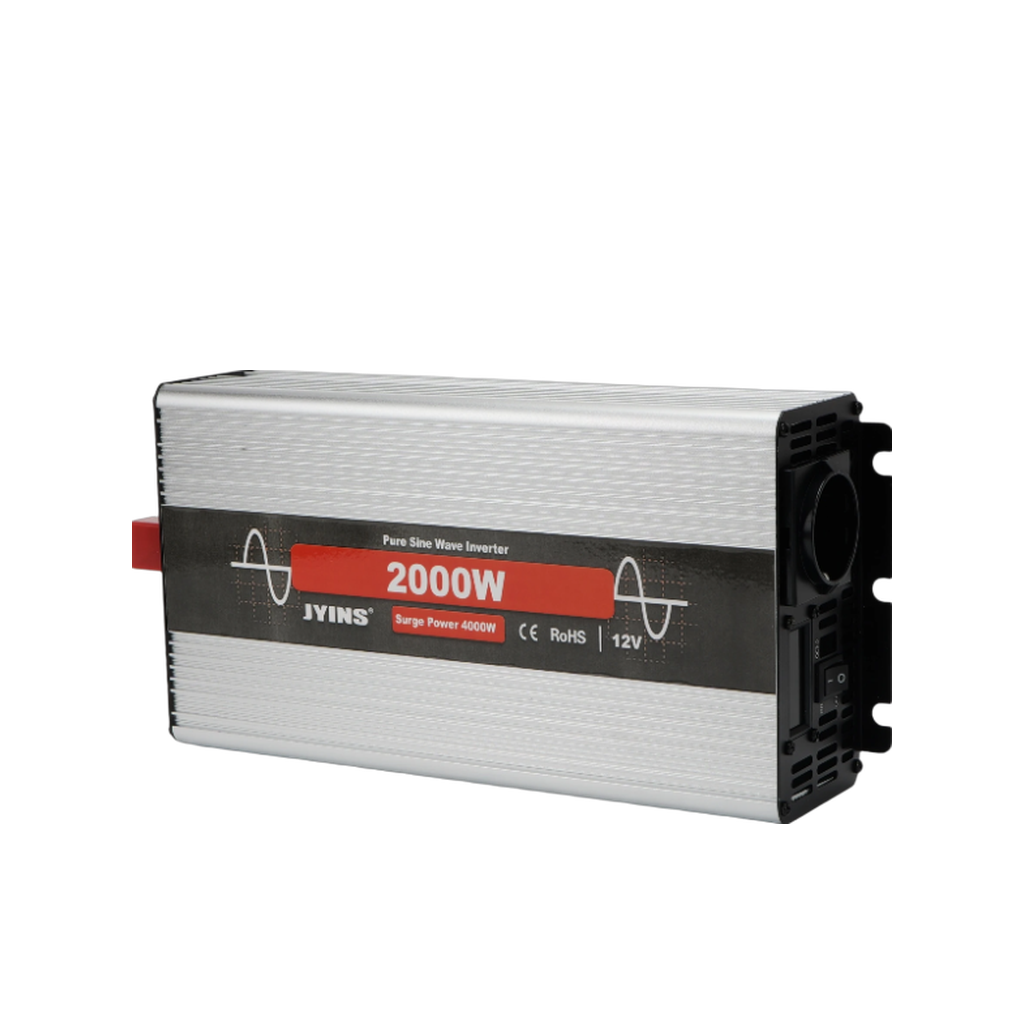
Inverters for RVs (inverter RVs) play a crucial role in converting DC power from batteries into usable AC power, enabling travelers to enjoy the comforts of home while on the road. For B2B buyers, including purchasing managers and distributors, understanding the specific requirements and quality indicators of inverter RVs is essential to make informed decisions. This article will provide insights into inverter RV specifications, quality evaluation, installation guidance, cost factors, and the advantages of off-grid inverter RVs, arming readers with the knowledge they need for successful procurement.
Evaluating Quality and Performance in Inverter RV Products
Quality assurance is vital when assessing inverter RV options. Buyers should look for products that adhere to international quality standards, such as ISO9000, which signifies robust quality control processes. High-quality inverter RVs typically utilize durable materials that withstand harsh environmental conditions, including temperature fluctuations and humidity.
Performance testing is another key aspect. Buyers should inquire about the manufacturer's testing protocols, including load testing and thermal performance evaluations. This ensures that the inverter can operate reliably under expected usage conditions without overheating or failing. Additionally, reviewing customer feedback and warranty offerings can provide insights into the long-term performance and reliability of the inverter RV units.
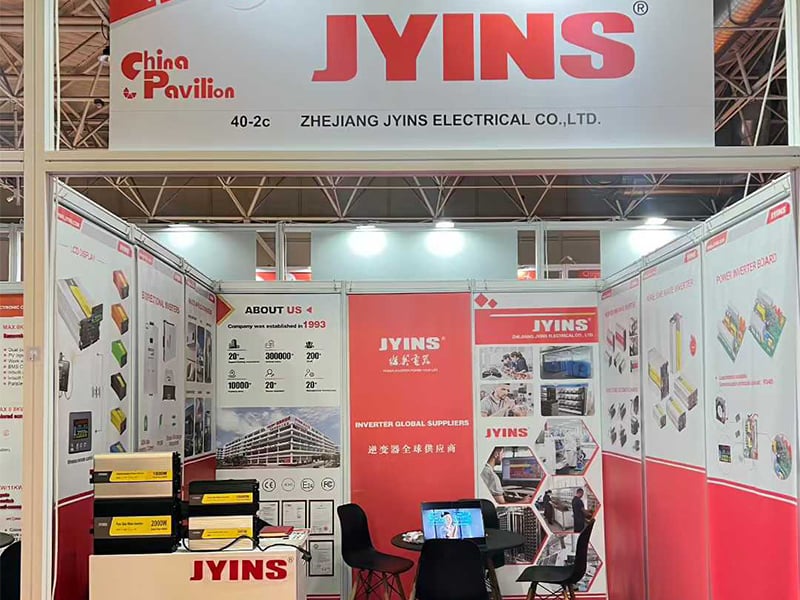
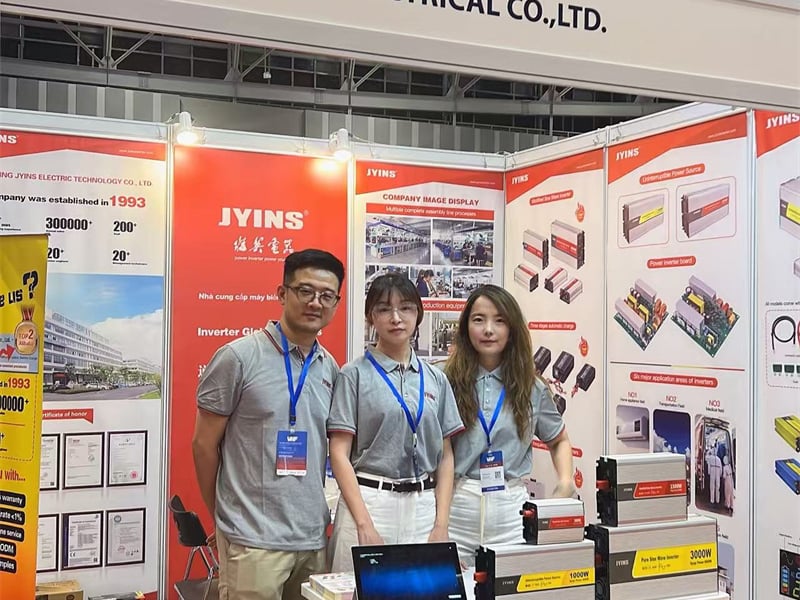
Lastly, potential buyers should consider the manufacturer's production capabilities and experience in the industry. For example, Zhejiang Jyins Electrical Co., Ltd, with its extensive background in producing solar products since 1993, showcases a commitment to high-quality standards and robust manufacturing practices.