EN


Understanding how to effectively manage a forklift battery charge is crucial for operational efficiency in industrial and commercial settings. Forklift batteries are essential for powering electric forklifts battery charging systems, and ensuring they are forklift battery charge properly can significantly enhance performance, lifespan, and safety. This article addresses key considerations for B2B buyers, such as specifications, evaluation of suppliers, and installation guidance, to help you make informed purchasing decisions regarding forklift battery charging systems.
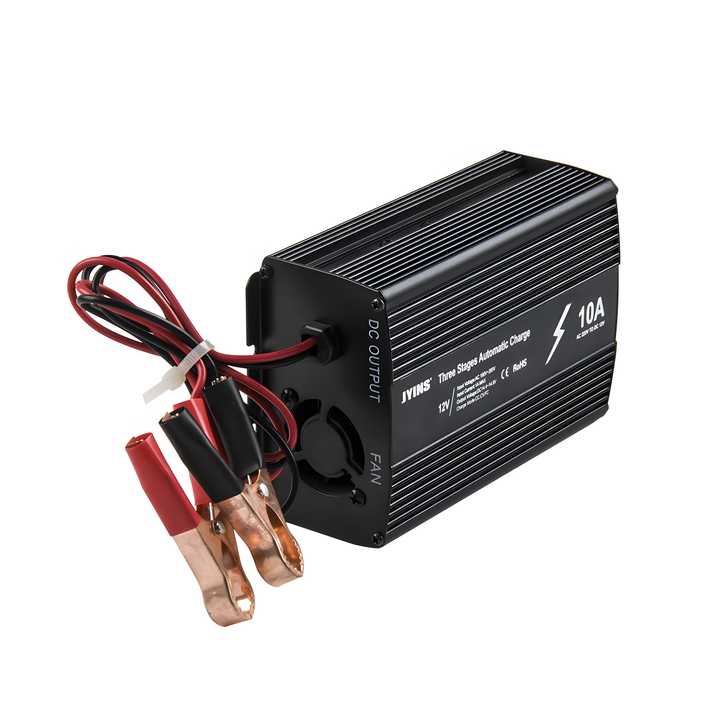

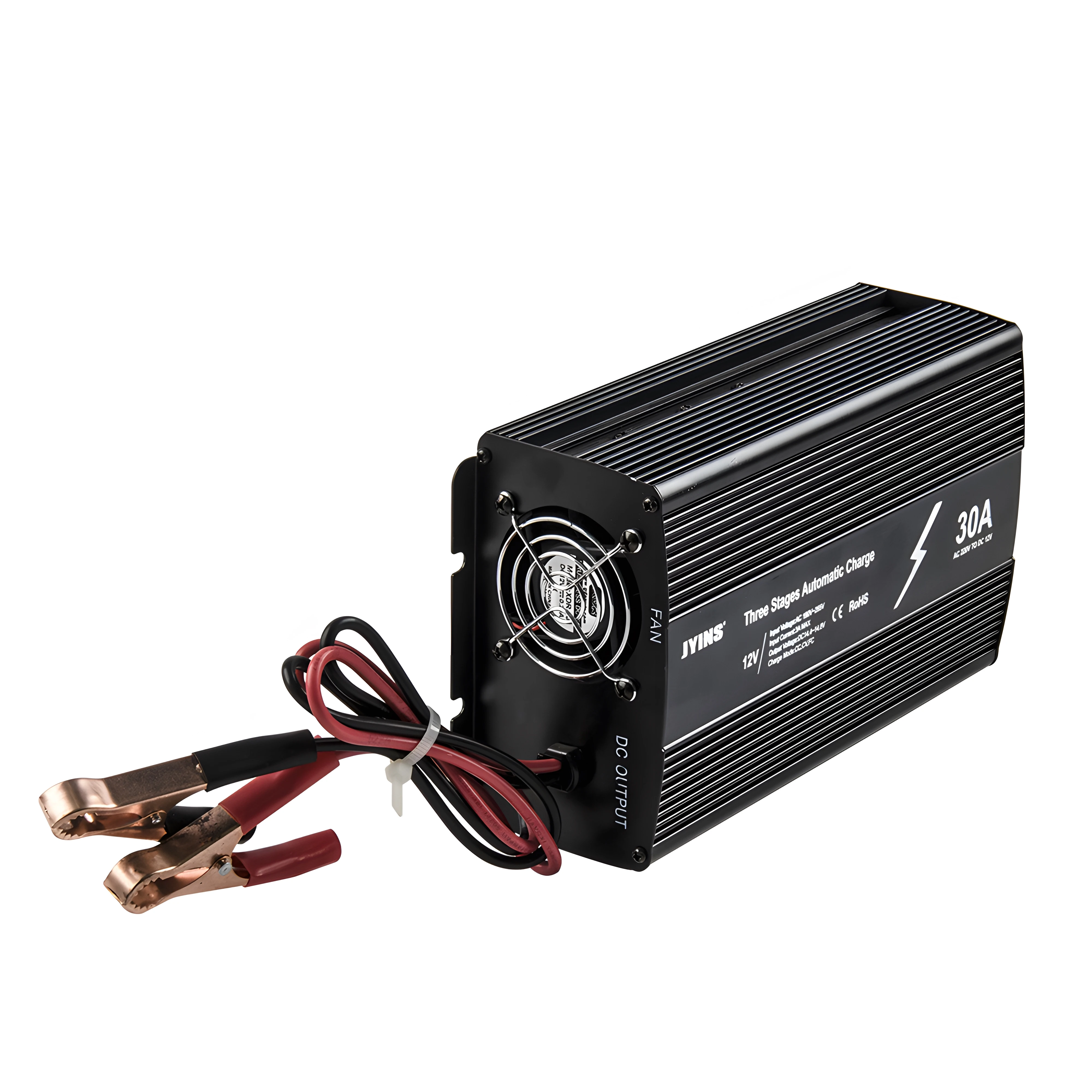
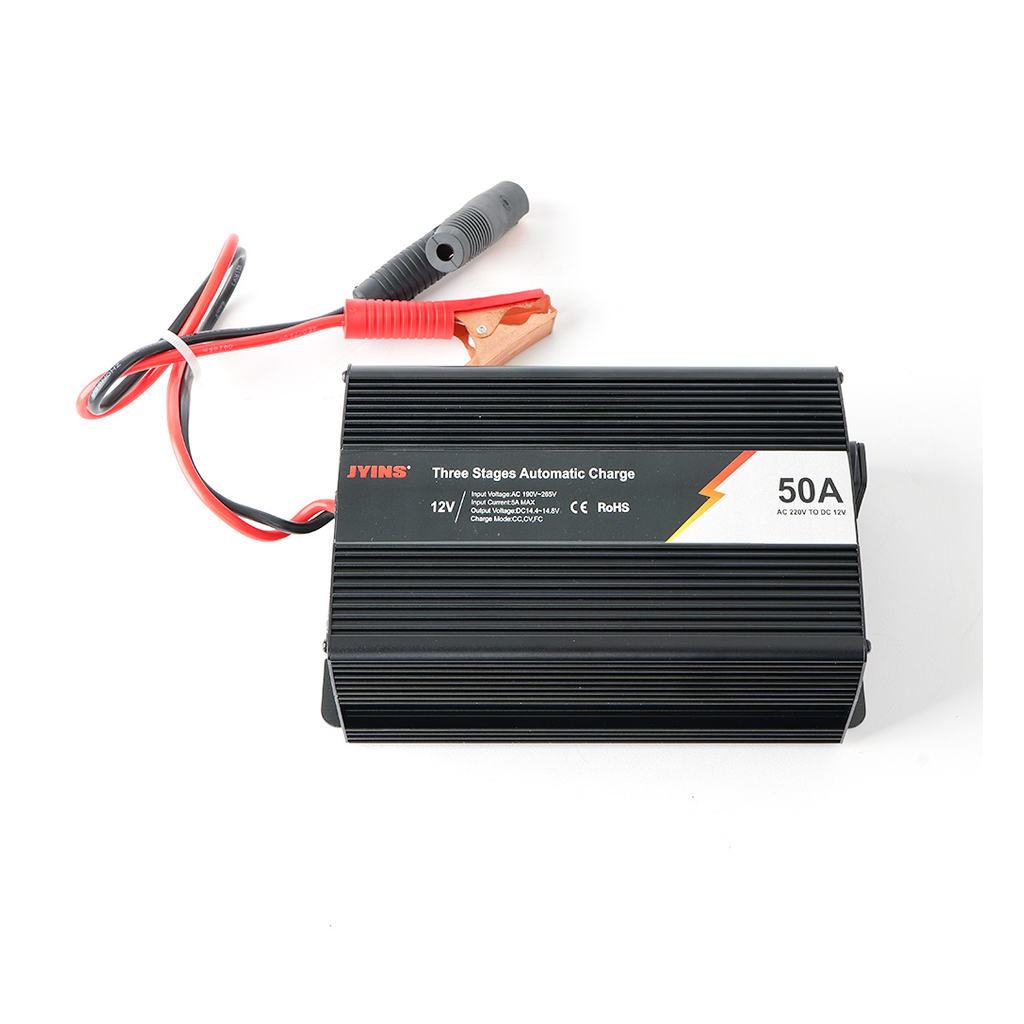
Key Factors for Buyers
When selecting forklift battery charging systems, buyers should consider several key factors: Customization: Depending on the specific operational needs, customization options may be necessary. This can include different charging rates or configurations suited to specific types of forklifts or operational environments. Lead Time and Minimum Order Quantity (MOQ): Understand the lead time for bulk orders and any MOQ requirements. This is particularly important for businesses that need to plan their inventory and operational schedules effectively. Quality Control: Evaluate the supplier's quality control processes. This includes how they test the batteries for performance and safety before shipment. A robust quality assurance protocol minimizes the risk of receiving faulty products. After-sales Support: Reliable after-sales support can be invaluable. Look for suppliers that offer warranties, maintenance services, or technical support to assist with troubleshooting and optimizing battery performance. Cost Considerations: Beyond the initial costs of the batteries, consider total cost of ownership, which includes maintenance, charging infrastructure, and potential energy savings associated with efficient charging practices.